Advanced aerosol systems built for the rigorous environmental standards and functional safety compliance of Norway.
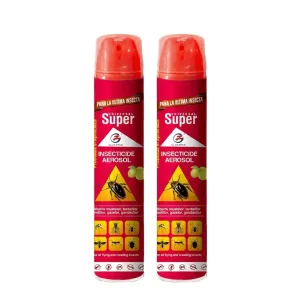
The consumer market in Norway represents one of the world's most sophisticated and demanding ecosystems for chemical products, cosmetic formulations, and personal care aerosols. Operating within the framework of European Economic Area (EEA) regulations, the Norwegian market is governed by a strict focus on product purity, sustainability, structural safety, and low volatile organic compound (VOC) emissions. For global distributors, navigating these stringent requirements demands a manufacturing partner that combines scientific formulation expertise with strict regulatory transparency.
The Norwegian Environment Agency (Miljødirektoratet) and European REACH protocols enforce strict guidelines on propellant gases, toxic compounds, and eco-toxicity ratings. In personal care, consumers demand hypoallergenic properties, microplastic-free formulas, and lightweight propellants. Our R&D efforts focus on optimizing formulations to replace traditional volatile hydrocarbons with cleaner, eco-efficient alternatives like compressed nitrogen or high-purity dimethyl ether (DME).
Furthermore, Norway's climate features significant temperature fluctuations—ranging from mild coastal temperatures in the southwest to sub-zero alpine conditions in inland and northern regions (such as Tromsø and Svalbard). Technical aerosols, personal care sprays, and outdoor utility goods must be chemically engineered to function reliably across these thermal zones without propellant liquefaction or nozzle clogging.
Importers and brands in Oslo, Bergen, and Trondheim face significant challenges, including volatile ocean freight rates, stringent Dangerous Goods (DG) shipping regulations (ADR for road transport and IMDG for maritime routes), and the complex tracking of raw chemical origins. Ensuring consistent batch-to-batch chemical stability is key to preventing high container rejection rates at Norwegian ports of entry.
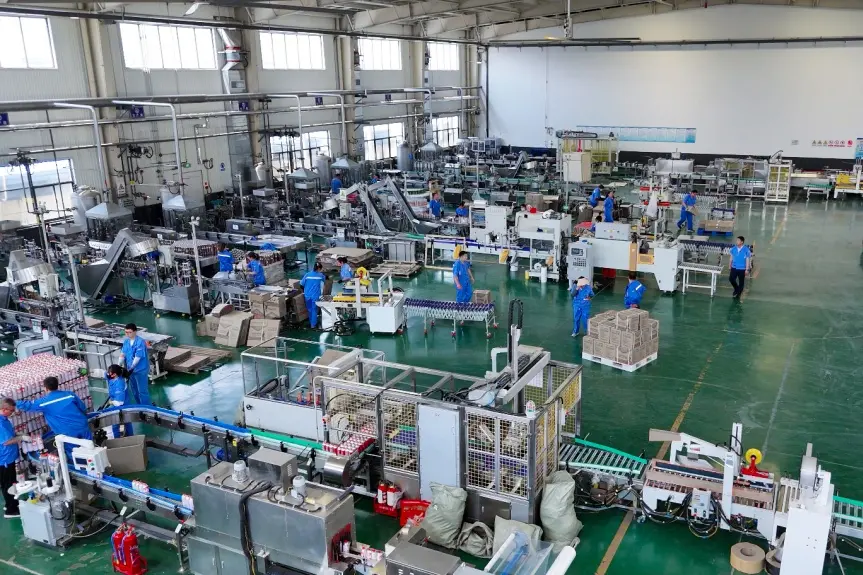
At our parent manufacturing hub, Linyi Xingguan Fine Chemical Co., Ltd. (represented in international markets by its wholly-owned foreign trade division, Shandong ClanZhao New Material Technology Co., Ltd.), we have integrated Industry 4.0 automation to address the exact efficiency and consistency concerns of global sourcing managers. By deploying high-precision automatic filling systems and gas chromatography diagnostics, we guarantee that every batch of chemical aerosols meets exact specification criteria.
With over 19 years of production expertise, our 100,000-square-meter facility utilizes 10 fully automated production lines. Our manufacturing model ensures efficient turnaround times, robust regulatory documentation, and structural flexibility to support custom brand requirements.
We supply full safety data sheets (SDS) structured for the Norwegian Miljødirektoratet, ensuring chemical declarations are complete and compliant.
Custom chemical values, gas mixes, can specs, and perfume concentration profiles are managed via our dedicated laboratory teams.
Our smart warehouse system integrates automated material loading, filling, coding, and packaging to maintain steady production schedules.
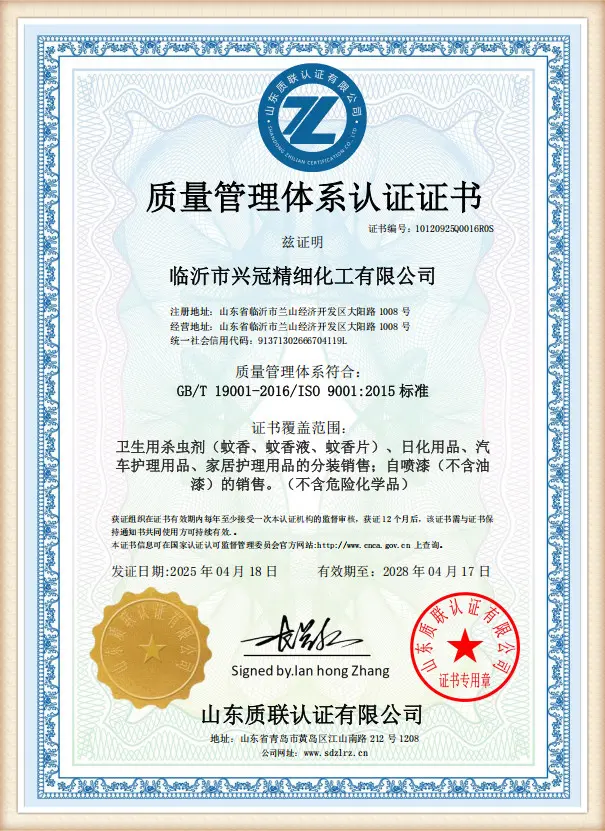
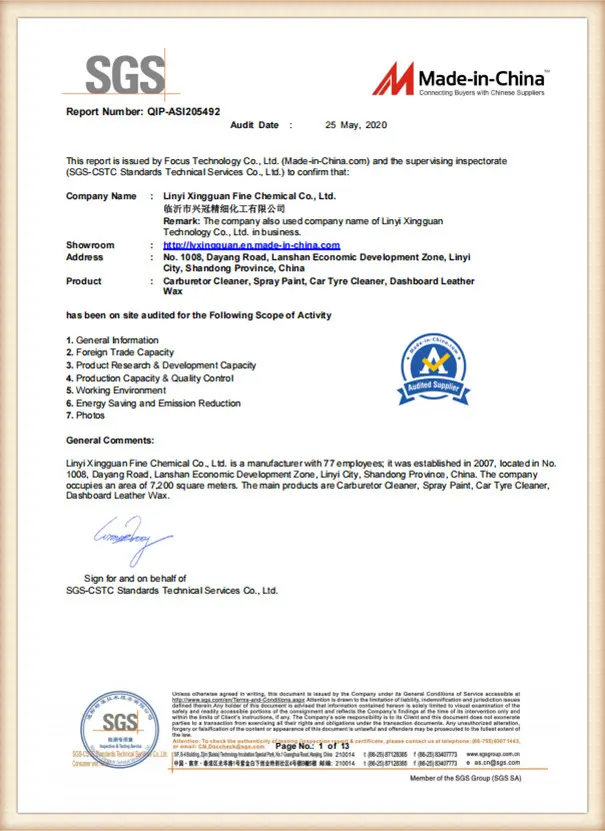
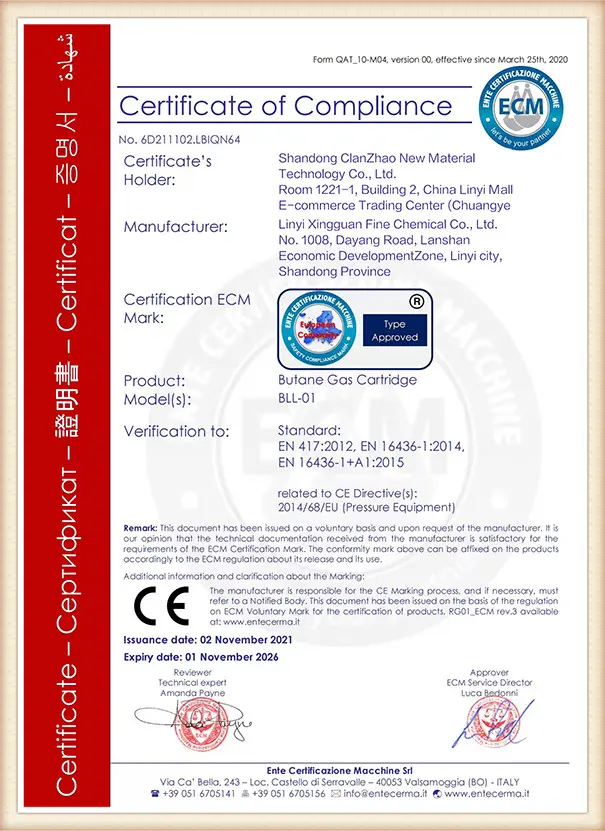
Our high-capacity facility and international certification standard guarantee reliable chemical supply for bulk orders.
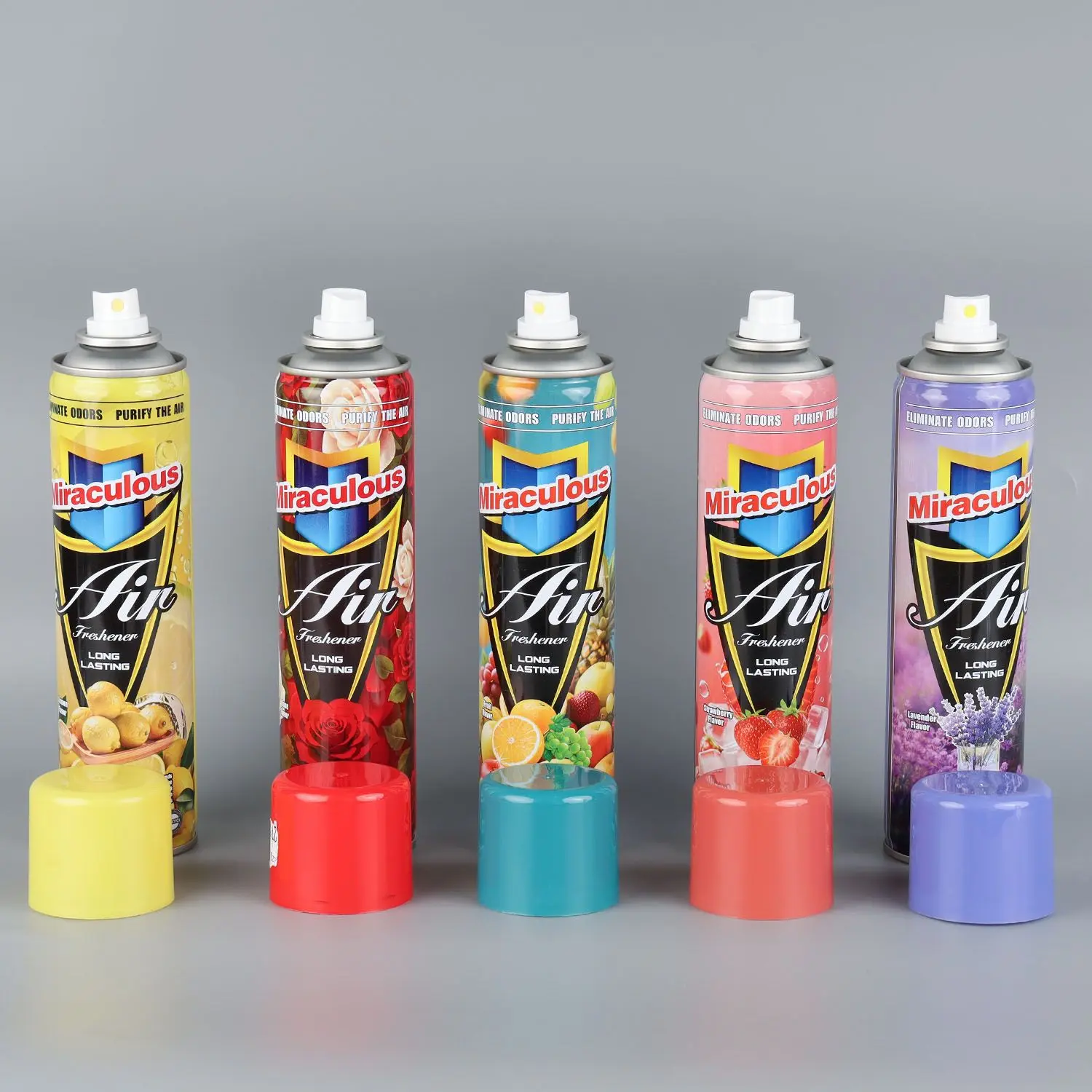
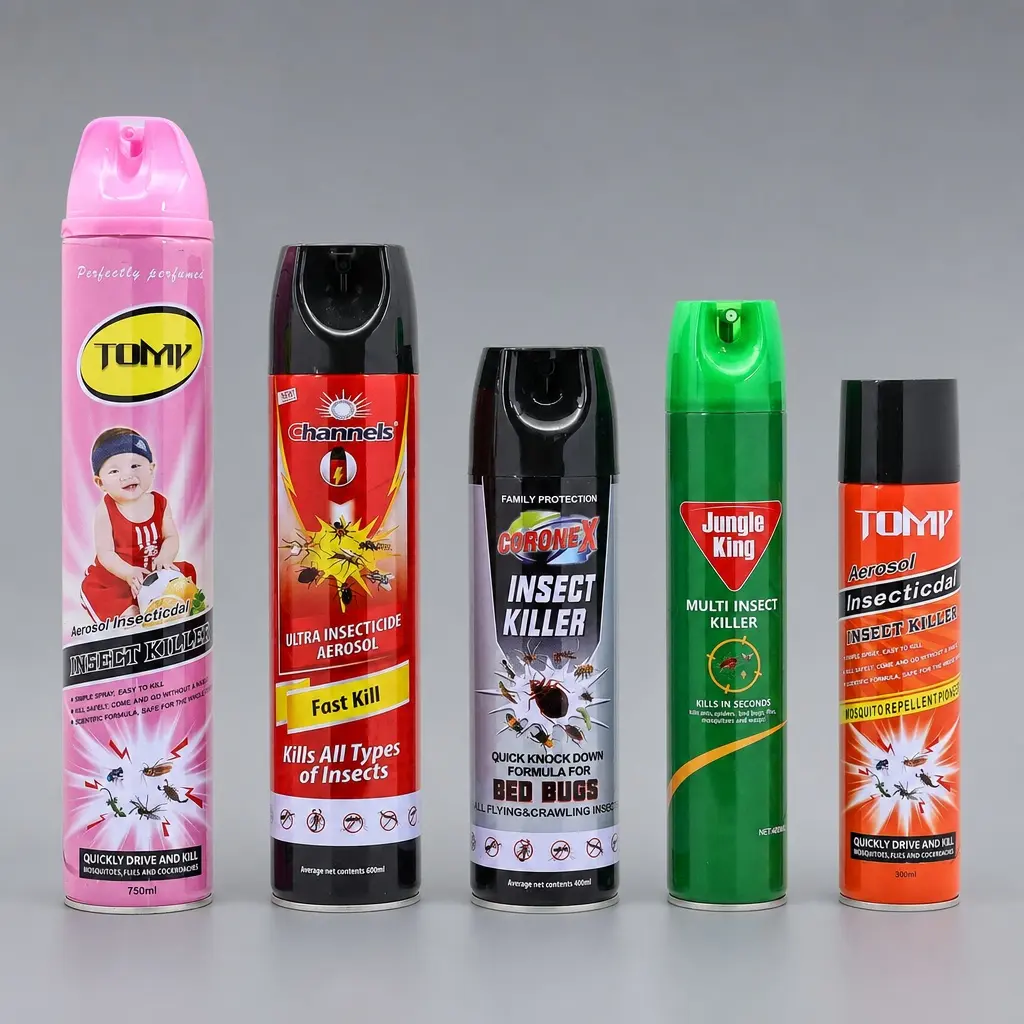
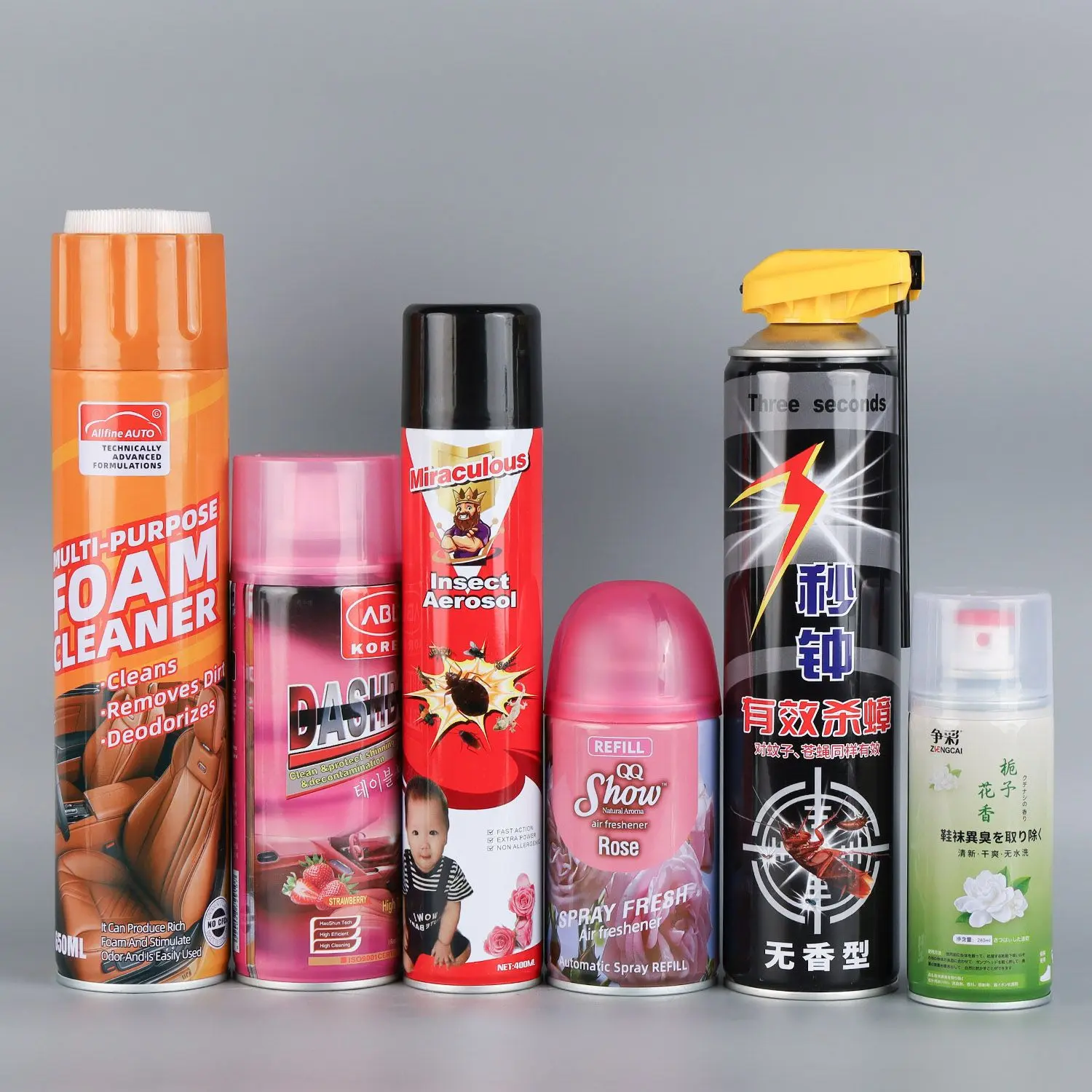
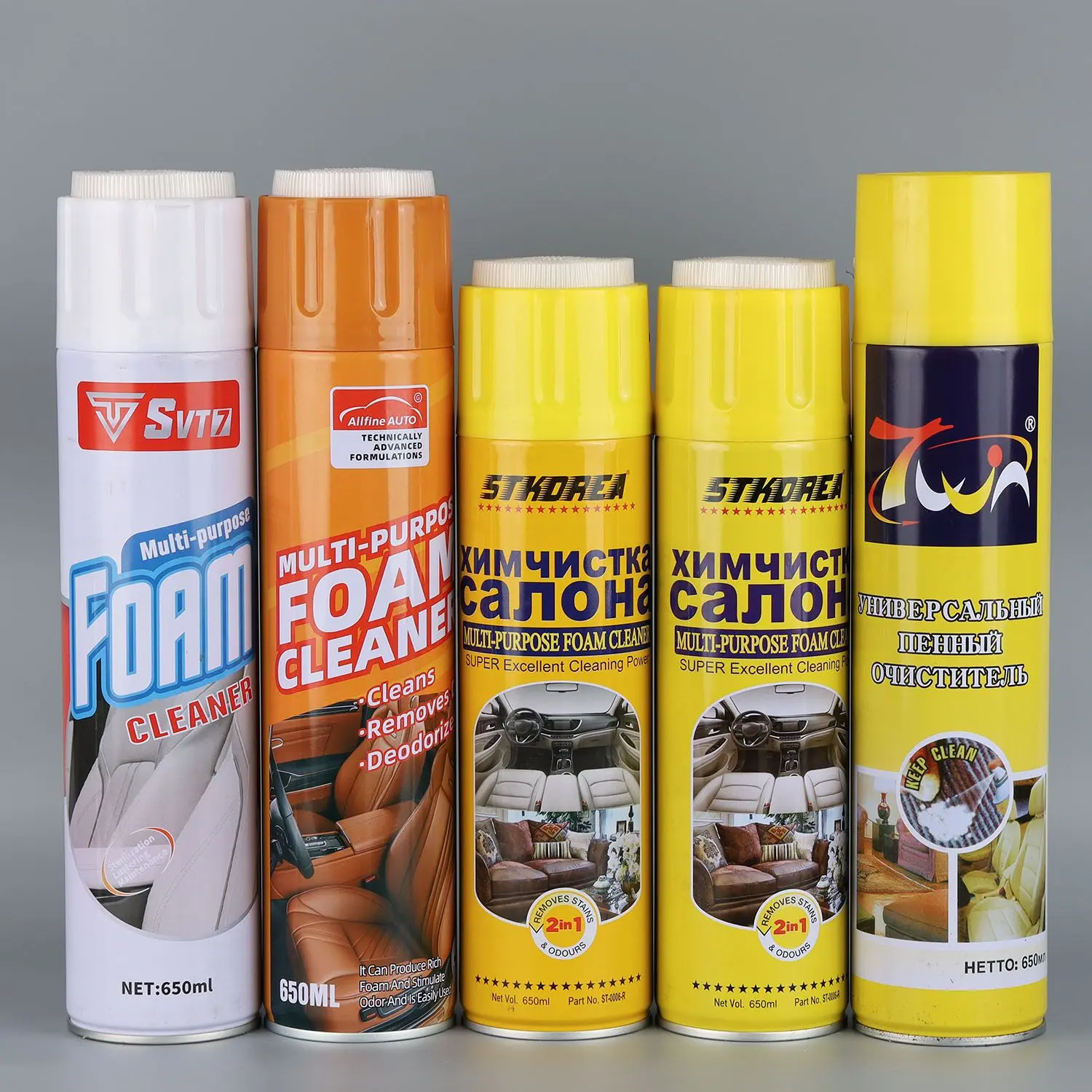
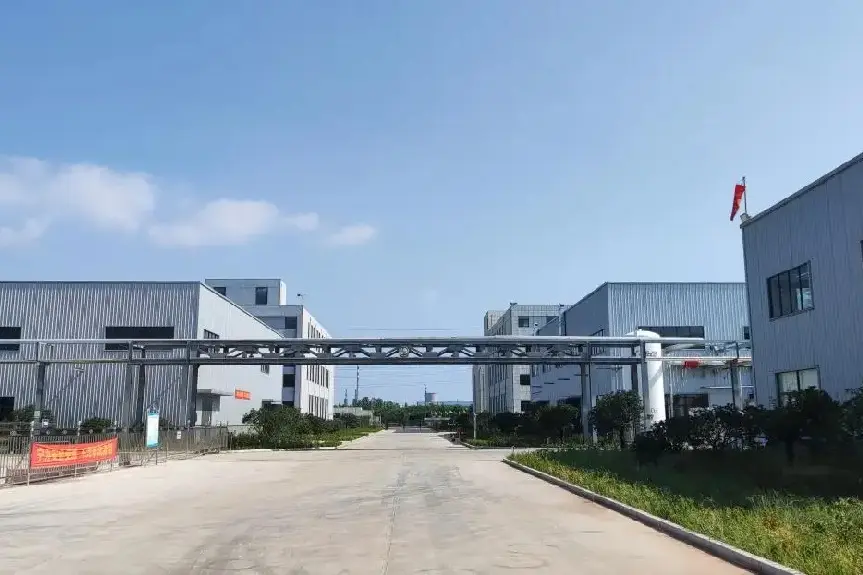
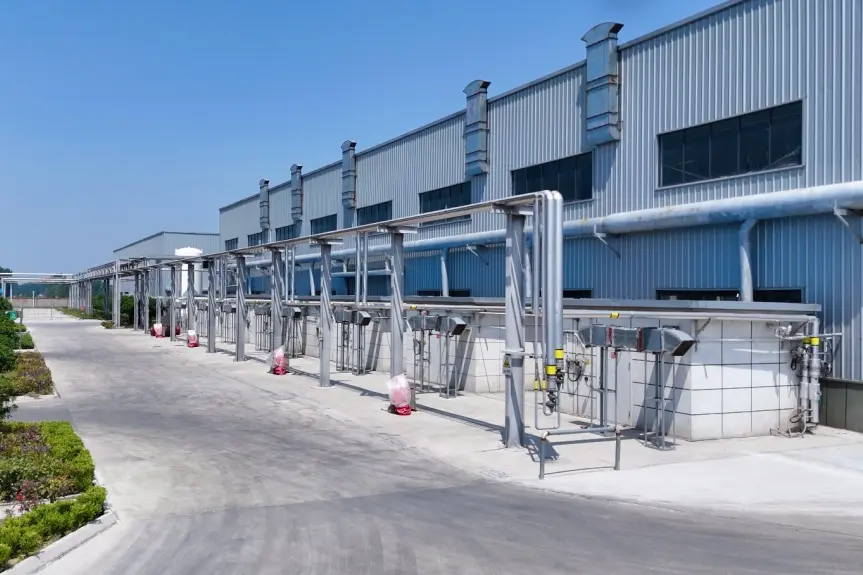
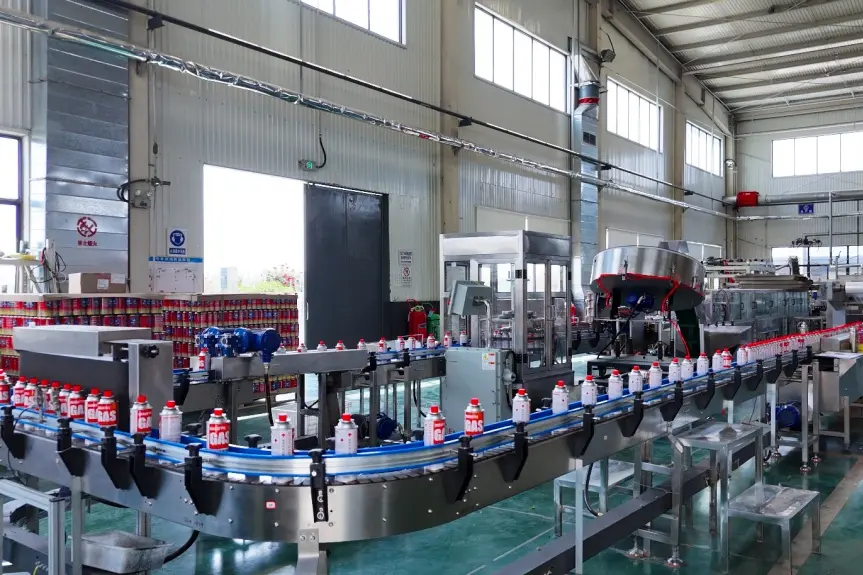
How our technical aerosol formulas perform under specific Norwegian environmental and industrial conditions.
Our expanding PU foam structures are designed to withstand high relative humidity and cold coastal winds, providing thermal seals for structures along the Western Fjords.
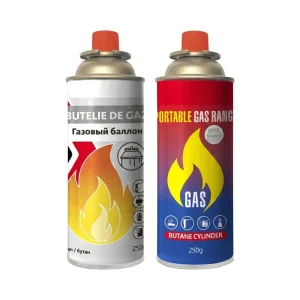
Our butane canisters use specialized high-purity hydrocarbon gas blends, maintaining vaporization pressures at low temperatures to support outdoor camping equipment.
High-solvency cleaners and rust inhibitors help remove salt crust and target undercarriage rust caused by winter road treatments in southern Norway.
Specialized industrial aerosols, protective coatings, and outdoor insect controls designed for trade distributors.
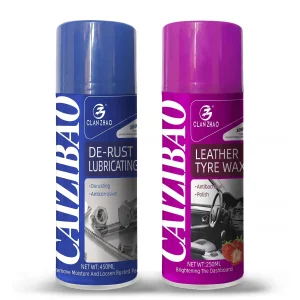
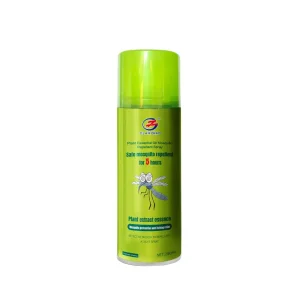
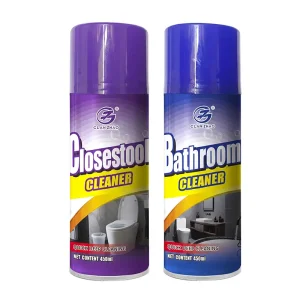
Comprehensive bulk options covering automotive maintenance, home care, pet hygiene, and winter specialty products.
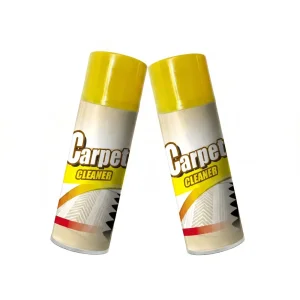
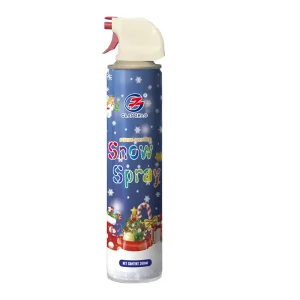
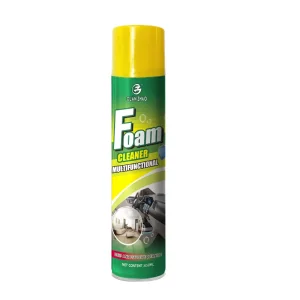
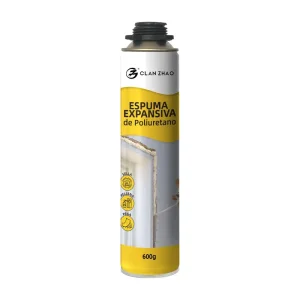
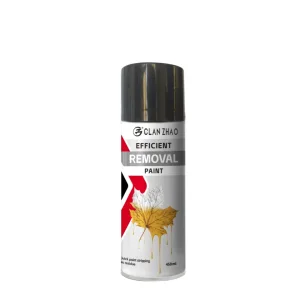
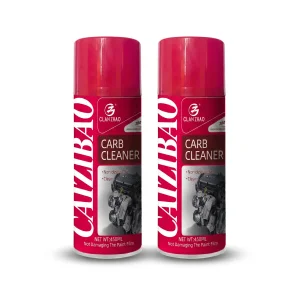
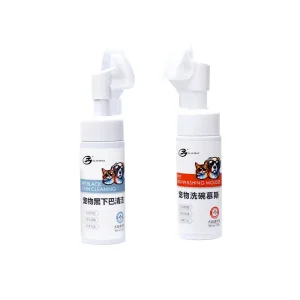
Essential trade details on logistics, regulatory compliance, custom formulation options, and dangerous goods import to Norway.
Norway is integrated into the EEA and follows REACH chemical registration standards. We provide complete chemical traceability reports, CAS chemical numbers, and safety documentation for all aerosol components. We coordinate with your local importers and the Norwegian Environment Agency to confirm all raw materials are fully compliant before shipping.
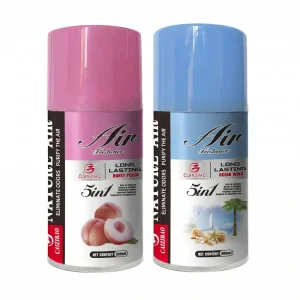
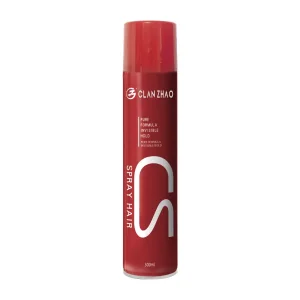
We configure formulations using high-purity Liquefied Petroleum Gas (LPG), Dimethyl Ether (DME), or compressed Nitrogen/Carbon Dioxide based on target performance and regulatory limits. Our personal care aerosols are designed to meet VOC emission standards while ensuring a fine, consistent spray pattern.
As a certified exporter of dangerous goods packaging, we supply robust outer cases matching UN standard guidelines. Shipments are handled under class 2.1 (flammable gas aerosols) or class 2.2 (non-flammable gas aerosols) for sea freight under IMDG codes. We prepare all maritime documents to ensure smooth customs clearance at Oslo or major coastal ports.
Our standard manufacturing line run requires 30,000 units per formulation. This volume ensures optimal operation of our fully automated lines and high-quality can decoration (direct lithographic printing). For test batches or first orders, we can discuss custom limits on a case-by-case basis.
Yes. Our laboratory can adjust propellant ratios to maintain stable pressure in freezing environments. This ensures products like camping butane, technical cleaners, and construction foams continue to dispense correctly without freezing or pressure loss.
 ClanZhao