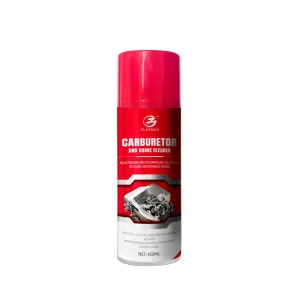
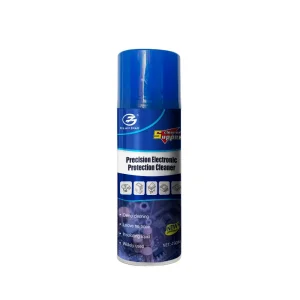
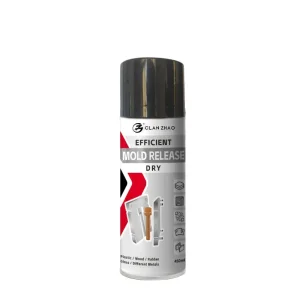
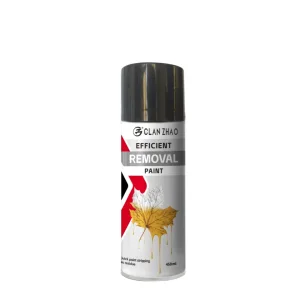
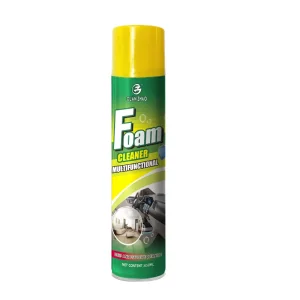
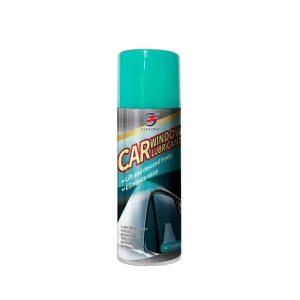
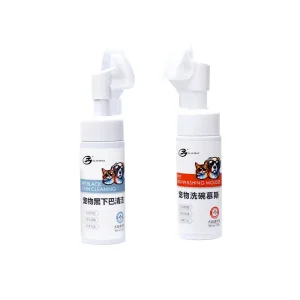
Engineered for high-efficiency maintenance, precision cleaning, and surface treatment across global processing lines.
Shandong ClanZhao New Material Technology Co., Ltd. serves as the specialized global trading subsidiary wholly owned by Linyi Xingguan Fine Chemical Co., Ltd. With a singular focus on high-end fine chemical technology, we integrate advanced laboratory R&D with modern, large-scale aerosol filling lines and complex hazardous logistics coordination.
Leveraging our parent company’s nearly 20 years of chemical engineering history, we have built a comprehensive supply chain system capable of deploying aerosol-based surface solutions globally. From formulating low-VOC industrial cleaners to scaling private label retail products, we deliver consistent chemical properties and packaging compliance.
Our operations bridge laboratory innovation and mass manufacturing. We provide international buyers with a secure foundation for custom formulations, ensuring each batch meets rigorous standards for pressure control, active ingredient purity, and propellant stability.
How our industrial cluster in Linyi delivers unmatched cost stability, quality governance, and speed-to-market.
Located in Shandong's petrochemical belt, we secure direct access to key chemical materials, LPG propellants, and high-quality tinplate packaging. This structural integration insulates our pricing from raw material volatility.
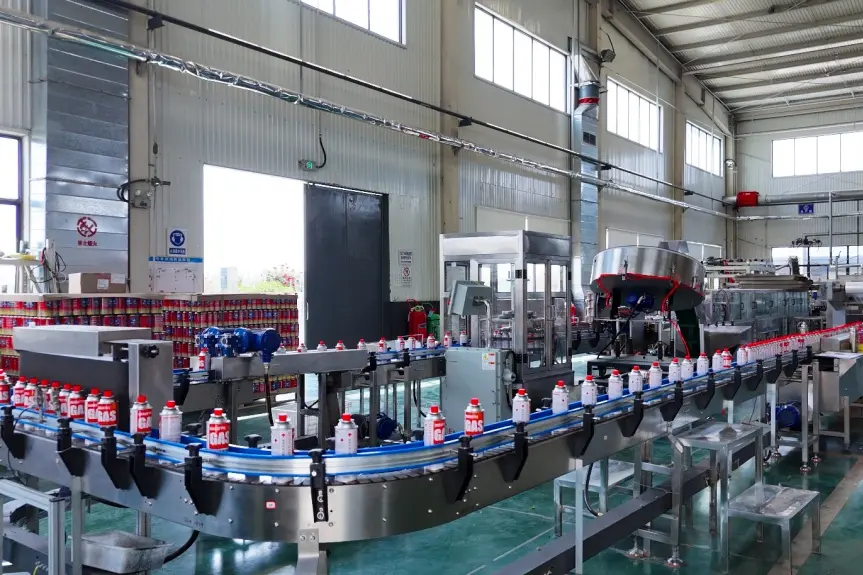
By utilizing ten high-speed automated aerosol filling systems, we maintain precise pressure controls, minimize human error, and achieve a production volume capable of handling large-scale global shipments.
Linyi’s position as a major logistics hub enables rapid transit to Qingdao Port. We manage compliant shipping pathways for Class 2.1 (flammable gas) and Class 2.2 dangerous goods (UN1950), avoiding supply chain bottlenecks.
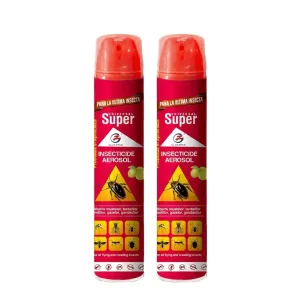
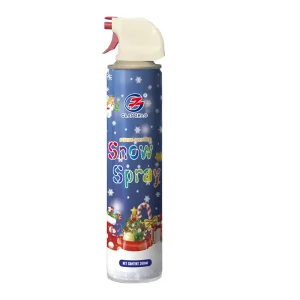
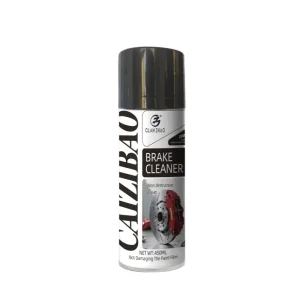
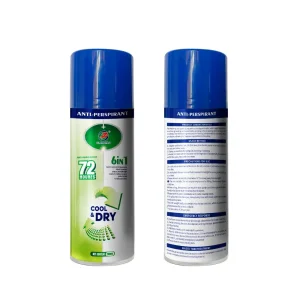
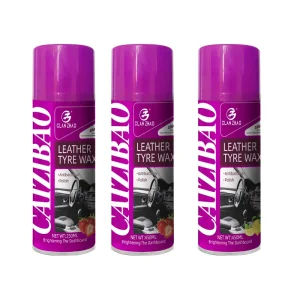
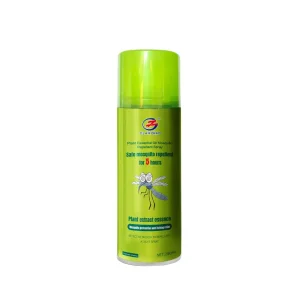
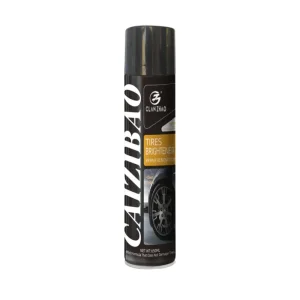
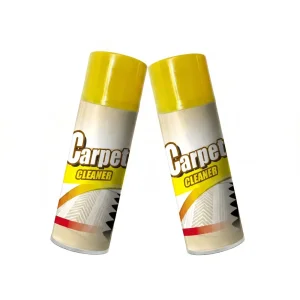
Our product lineup addresses industrial maintenance, consumer care, and automotive performance needs.
Our manufacturing system is divided into eight primary divisions. Each category employs specific gas-solubility and mechanical spray patterns tailored to its end-use environment:
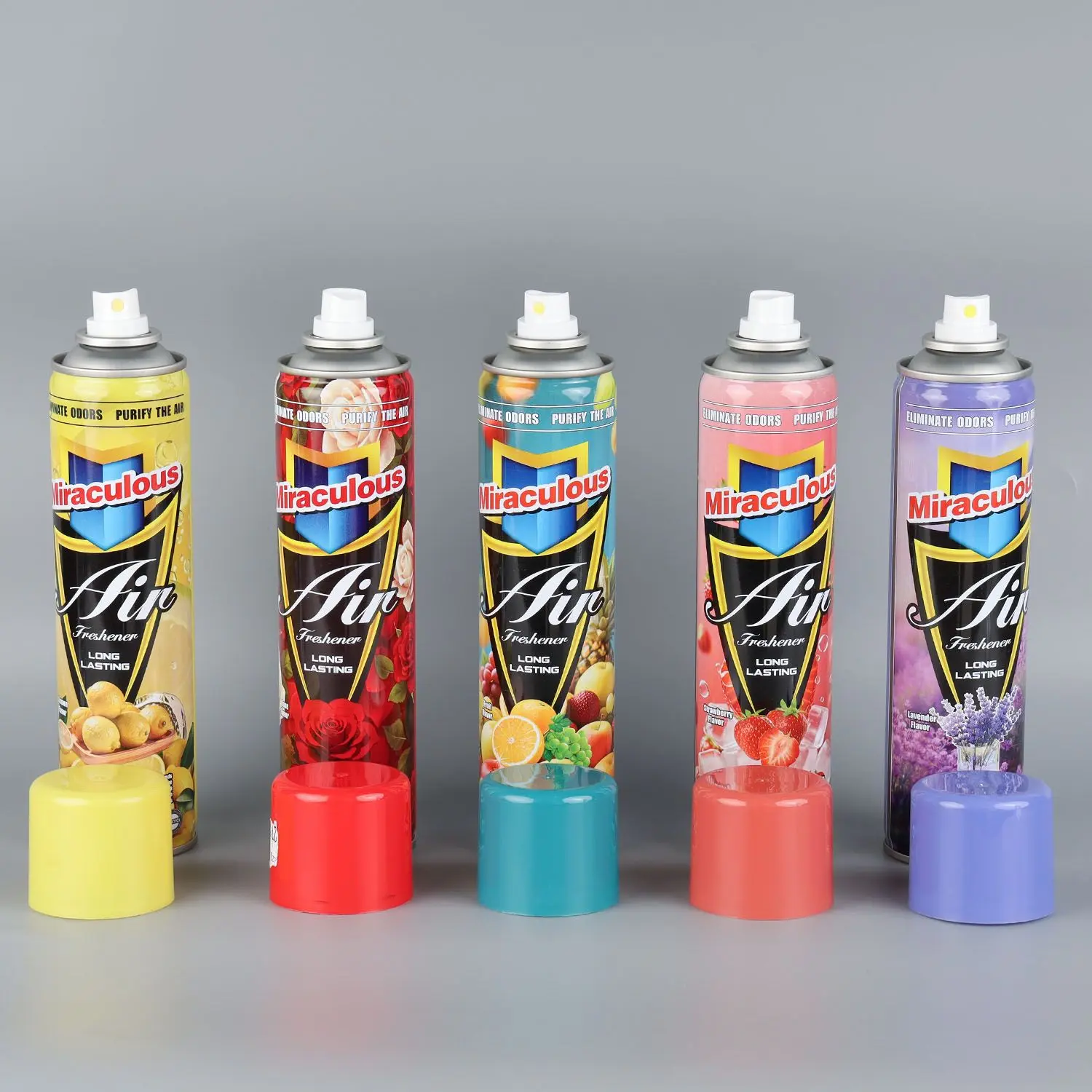
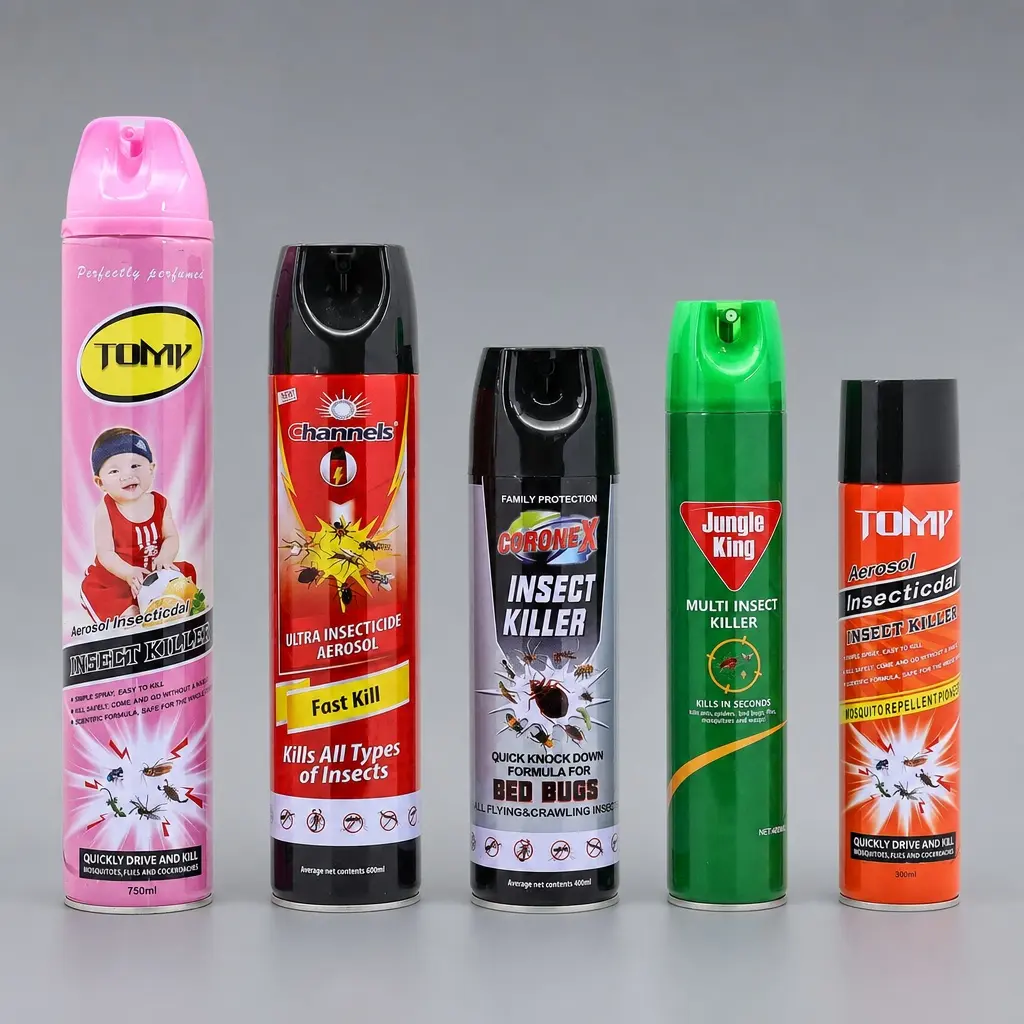
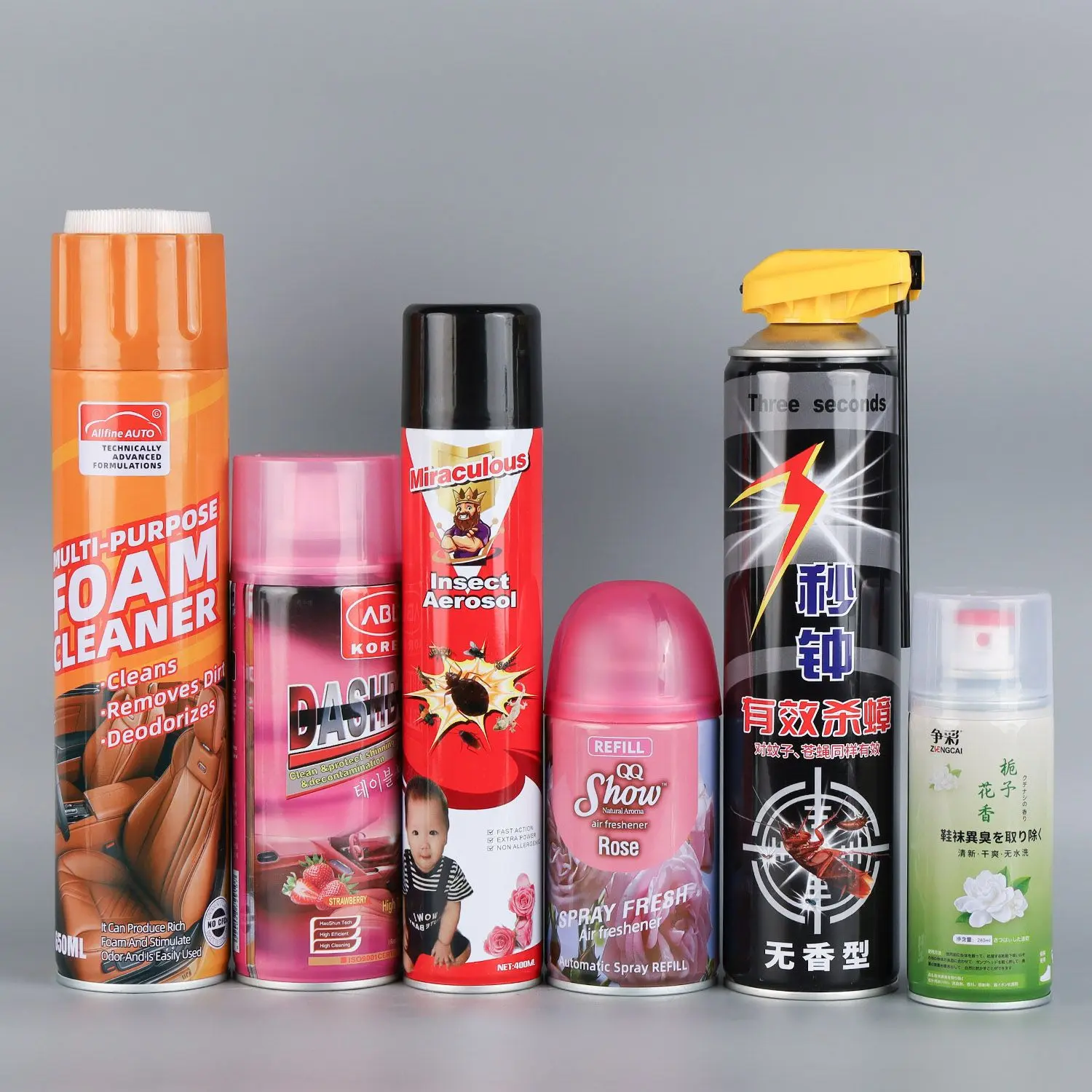
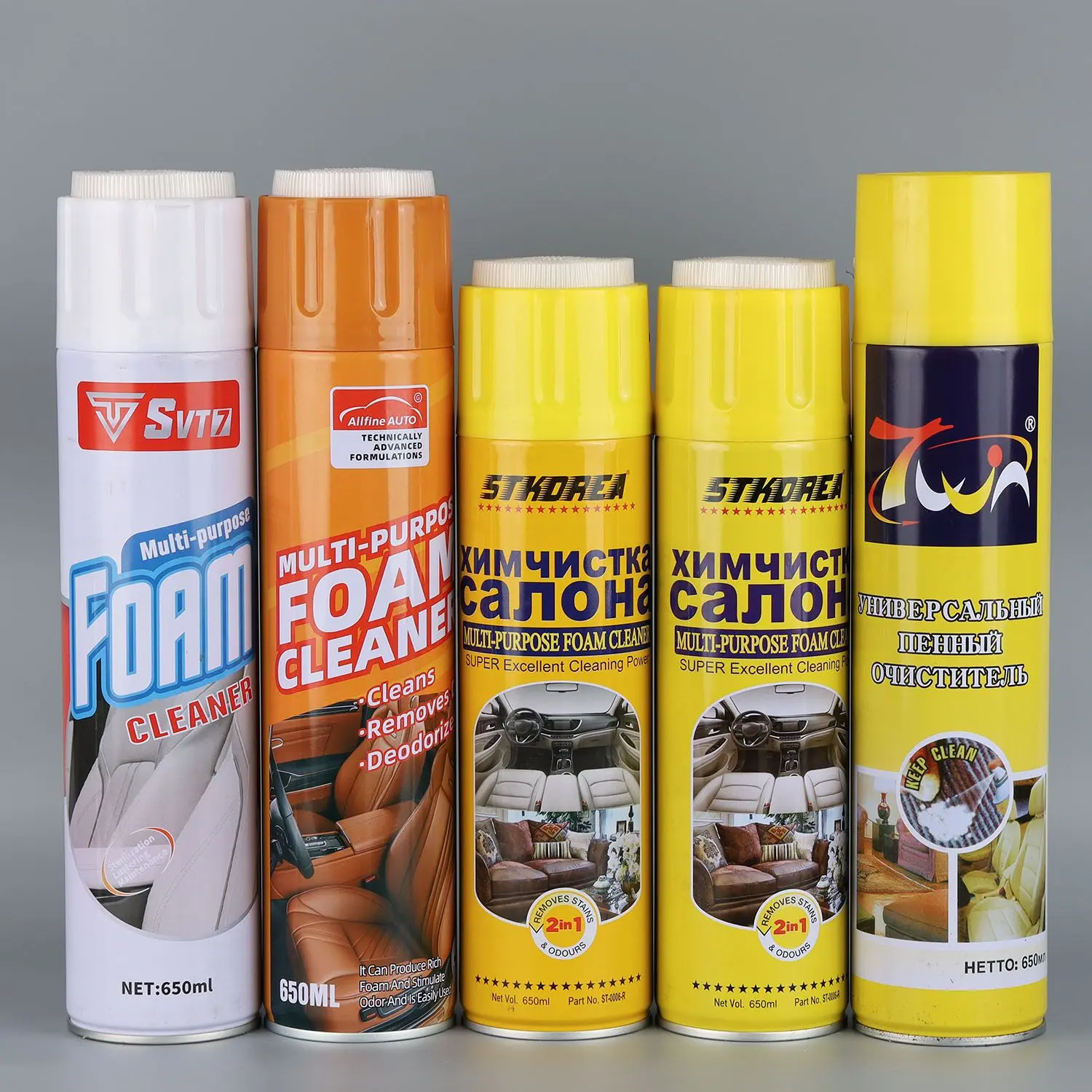
A look at the chemical engineering parameters that define stability, safety, and delivery performance.
Developing effective aerosols requires balancing the active chemical agent, carrier solvent, and propellant gas under pressure. Our formulation engineering focuses on these key parameters:
| Aerosol Parameter | Technical Design Standard | Propellant System | Regulatory Compliance Standards |
|---|---|---|---|
| Industrial Cleaners & Degreasers | Flash point management, rapid evaporation, zero residue | CO2 / Hydrocarbon Blend | GHS Compliant, REACH Registered, Low VOC Options |
| Automotive Brake Cleaners | High directional pressure, non-chlorinated solvent base | Carbon Dioxide (CO2) | EPA VOC guidelines, CARB Compliant |
| Precision Electronic Cleaners | Non-conductive, plastic-safe, rapid thermal dissipation | HFC-134a / Eco-friendly HFO | Dielectric strength certified up to 25k Volts |
| Industrial Mold Release Sprays | Uniform dry-film deposition, high-temperature stability | LPG (Liquefied Petroleum Gas) | FDA contact compliant (silicone & paintable types) |
| Polyurethane Foam Sealants | Moisture-cure expansion, uniform cell structure | Dimethyl Ether (DME) Blend | DIN 4102 B2/B3 fire rating compliance |
Selecting propellants directly affects spray pattern, particle size distribution, and product shelf life. Dimethyl Ether (DME) is used when water solubility is required, while hydrocarbon blends provide stable pressure profiles for solvent-heavy formulas. For high-output applications like brake cleaning, compressed carbon dioxide (CO2) delivers steady mechanical spray action.
Aligning with multinational sourcing needs through compliance, logistics experience, and quality verification.
Importing chemical aerosols requires navigating strict safety standards. We maintain comprehensive documentation systems, including GHS-compliant Safety Data Sheets (SDS), ADR road transport validation, IMDG maritime transport approvals, and regional environmental declarations like European REACH registrations.
We provide customizable product development pathways: from adjusting viscosity and solvent evaporation rates to matches specific mechanical requirements, to engineering custom valve, nozzle, and actuator designs. We support clients through design phase, pilot batching, and full-scale runs.
Classified under hazardous class UN1950, aerosols demand specialized maritime packing and transport procedures. We manage the paperwork, use certified high-durability outer corrugated cases, and build secure shipping arrangements to minimize delays at international ports.
Each production run is monitored using gas chromatography, high-pressure leak testing baths, and automatic weight verification. We retain batch retention samples for tracking, ensuring quality stability and consistent physical performance across product deliveries.
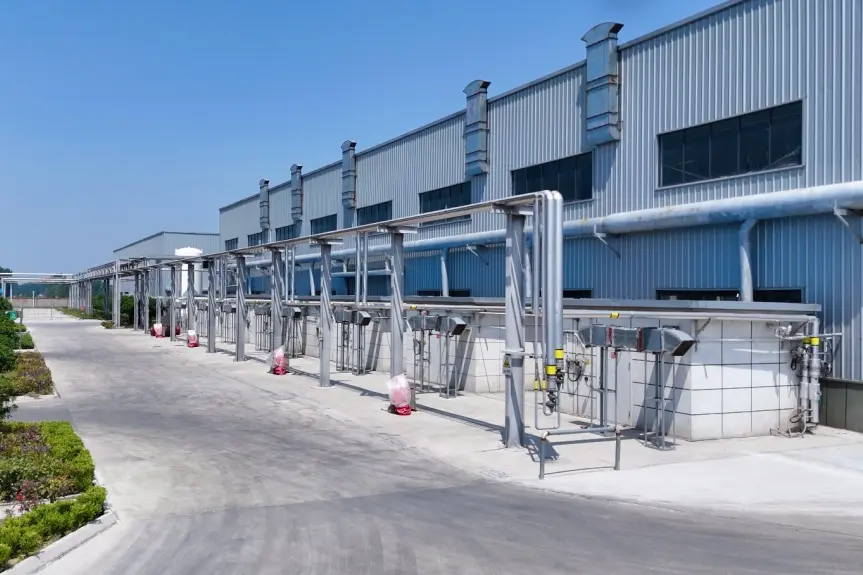
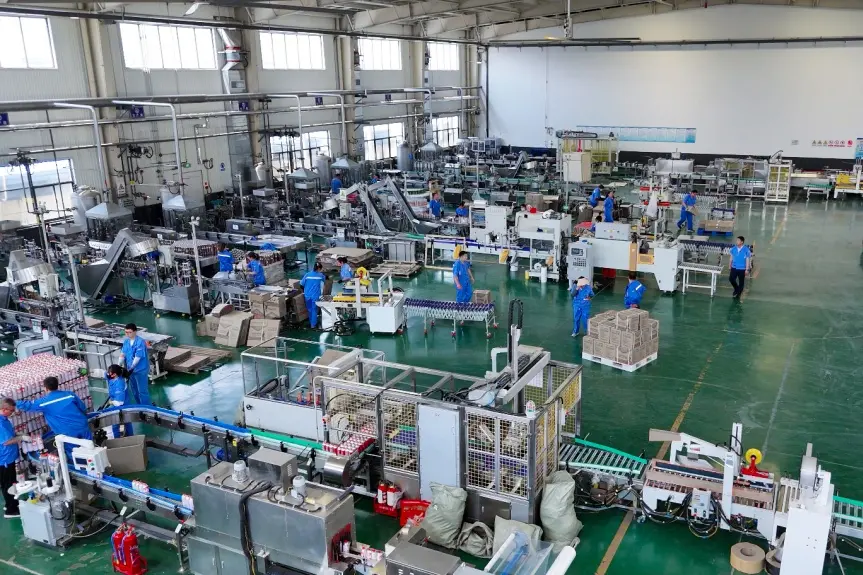
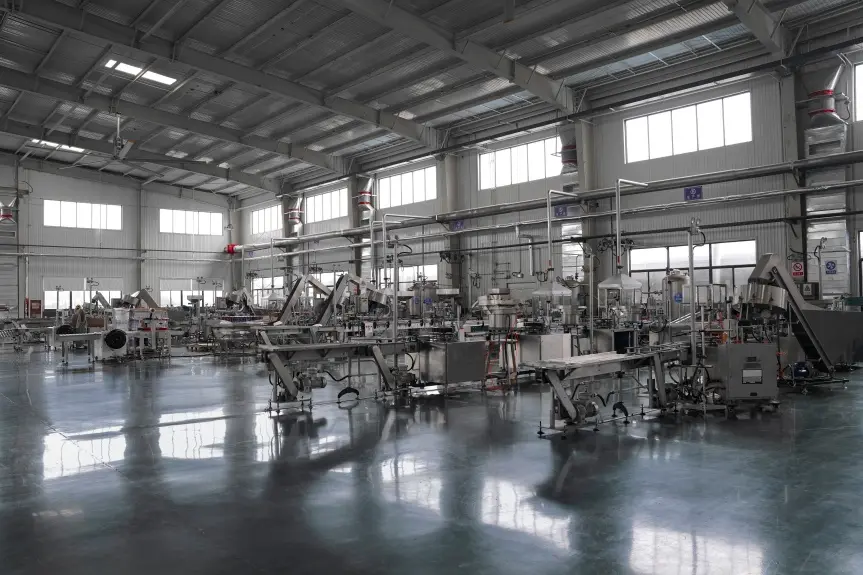
Our production facilities utilize modern equipment to maintain precision, speed, and safety standards.
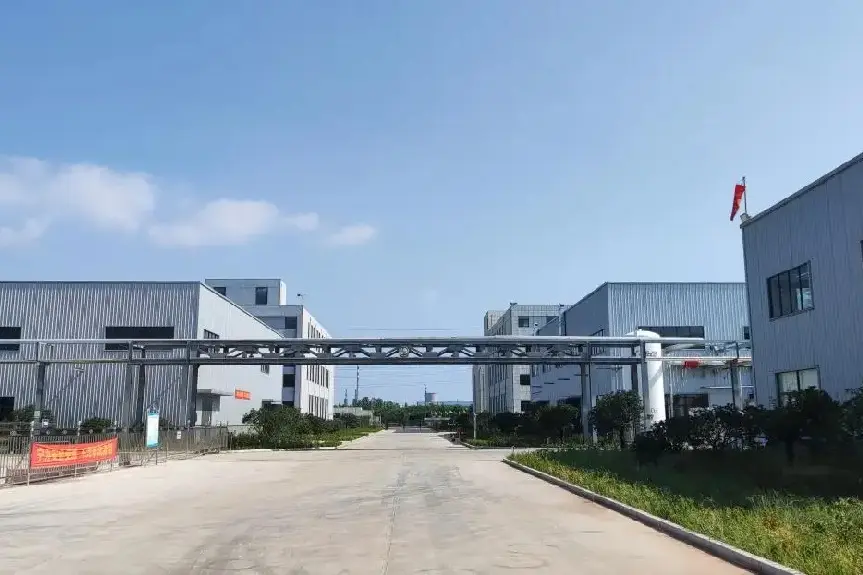
Spanning an area of 100,000 square meters, our production base features ten fully automated, high-speed aerosol filling lines. These lines handle propellant and active fluid injection in closed-loop, explosion-proof environments. Through partnerships with universities and fine chemical research laboratories, we continuously update our formulation processes to develop low-VOC, high-stability chemical mixtures.
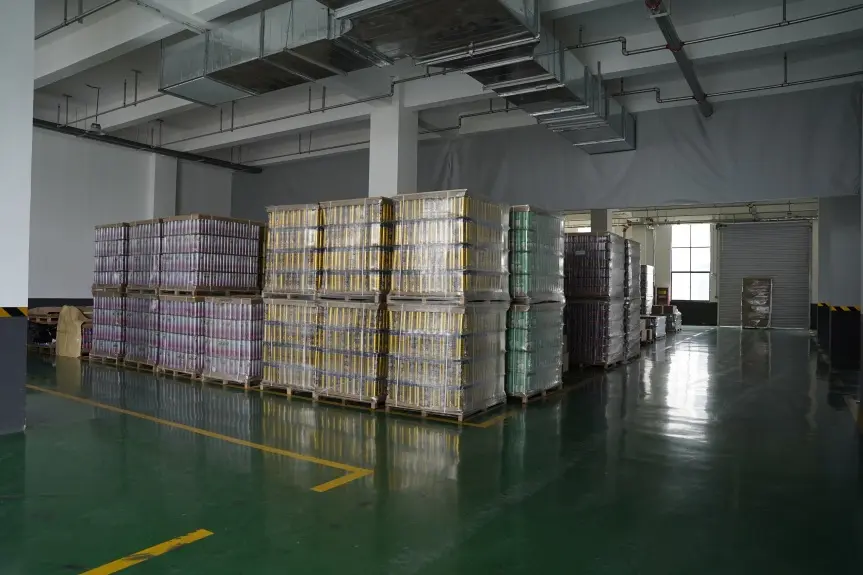
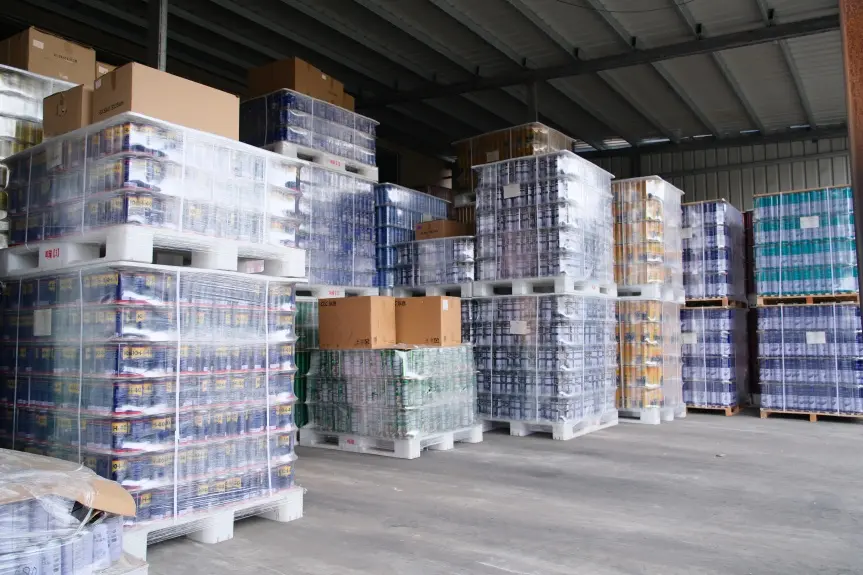
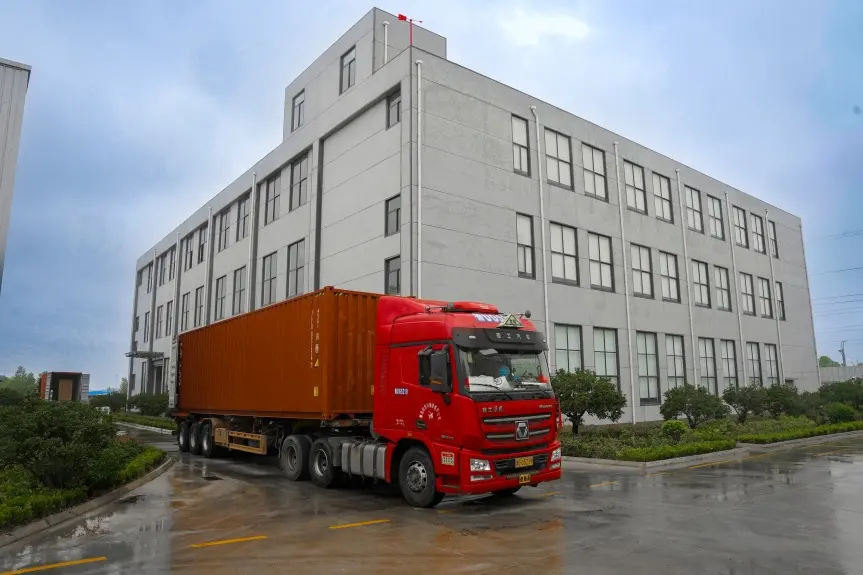
Verified production qualifications ensuring safety and compliance in global cross-border distribution.
We maintain certification systems that align with global compliance requirements. Our factory holds the ISO9001 Quality Management System Certification, formal chemical manufacturing licenses, and specialized export packaging certifications for dangerous goods. This foundation ensures that our production processes meet both international safety guidelines and standard logistics requirements.
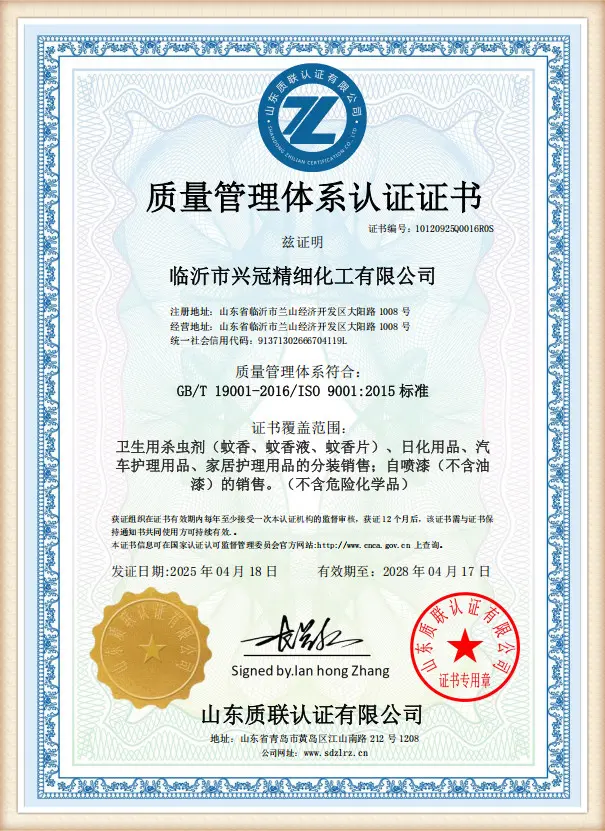
ISO9001 Quality Certification
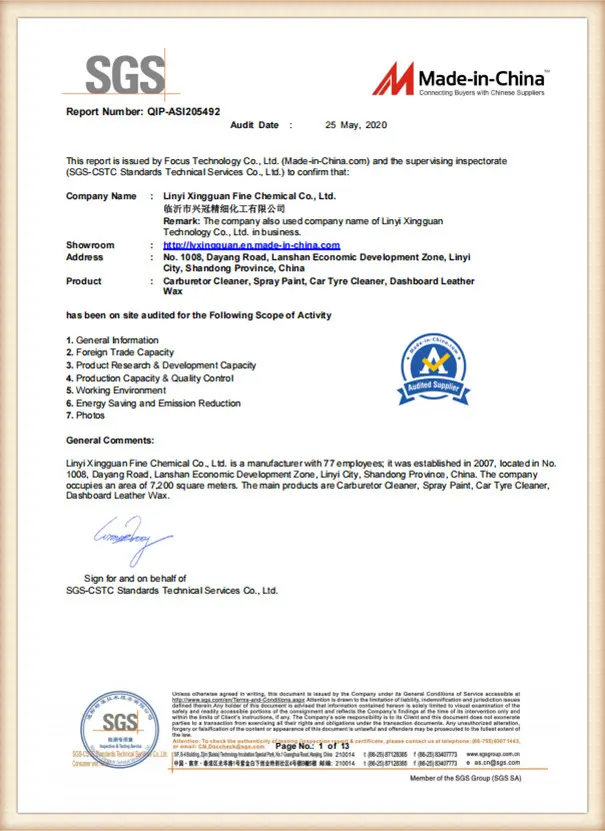
Dangerous Goods Export Permit
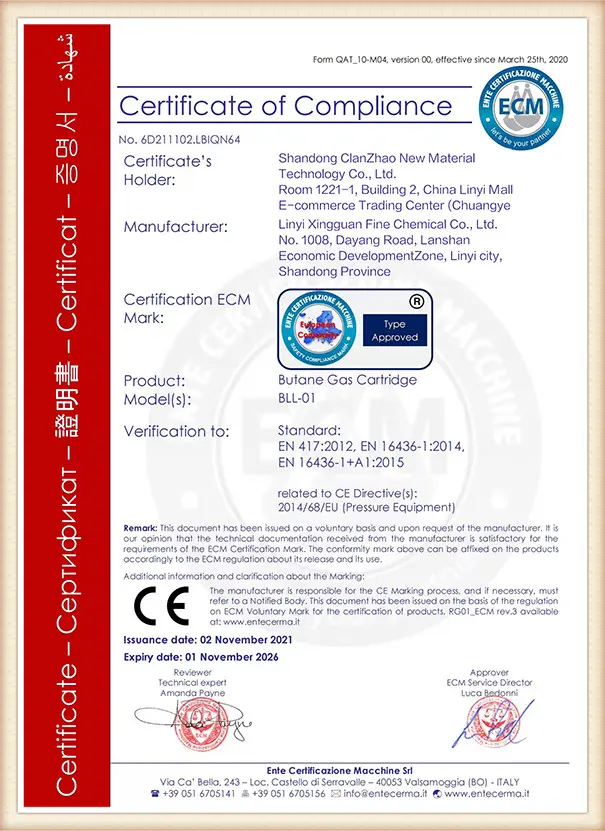
Formulation Lab Approval
Key technological shifts guiding the next generation of industrial chemical aerosol production.
Global regulations are pushing industries toward low-VOC formulas. We are replacing traditional halogenated hydrocarbons with bio-based solvents derived from renewable resources, maintaining cleaning performance while reducing environmental impact.
Selecting the right propellant is critical for environmental compliance. Our R&D efforts focus on shifting toward hydrofluoroolefins (HFOs) and compressed nitrogen systems, reducing global warming potential (GWP) to zero.
Modern industrial users demand high-precision dispensing. We offer customizable dual-spray valve actuators that switch between fine mist and pin-point stream patterns, minimizing chemical waste.
To ensure safety during sea transport, we use inline laser-based pressure and leak testing systems on our filling lines, catching micro-leaks before the cans are packaged.
Answering common technical, regulatory, and logistics questions from international buyers.
For standard formulas in 400ml cans, our minimum order quantity (MOQ) typically ranges from 10,000 to 20,000 units per run. This minimum is dictated by the efficiency requirements of our automated filling lines and the lithography printing runs for custom tinplate cans. Small test runs may be accommodated under specific conditions.
We handle the complete documentation set required for Class 2 hazardous shipments. This includes providing localized Safety Data Sheets (SDS) in accordance with the target country's GHS standards, obtaining the certificate for safe transport of chemical goods, and booking space on specialized container vessels. We package products using certified packaging materials to meet international shipping guidelines.
Yes, our R&D team customizes formulations based on localized environmental conditions. For instance, products headed for colder regions may use adjusted propellant ratios to maintain steady pressure, while formulations for tropical climates are engineered to prevent premature solvent evaporation.
Each aerosol line features inline check-weighing systems, automated pressure testers, and water-bath leak inspection systems. These automated steps verify fill volumes and detect structural seals, protecting products from leaking during transport and storage.
Yes, we formulate using raw ingredients that comply with regional environmental guidelines. For European buyers, we provide REACH-compliant formulations, while for North American buyers, we ensure VOC levels meet CARB and EPA regulations.
Initial OEM orders typically take 35 to 45 days. This allows time for custom lithography plate-making, tinplate printing, raw material verification, filling, and final packing. Repeat orders with pre-printed cans generally ship within 20 to 25 days.
We generally source raw chemical materials from our certified upstream suppliers to ensure safety and stability. However, we can evaluate customer-supplied active ingredients, provided they meet our safety standards and raw material testing parameters.
Expanding your sourcing options with custom aerosol products tailored for diverse consumer and maintenance needs.
 ClanZhao