Engineered for instant knockdown power and long-lasting defensive protection across industrial, municipal, and household environments in Malaysia.
Malaysia's geographic location near the equator fosters a year-round hot and wet tropical climate. With constant temperatures between 25°C and 35°C and high relative humidity, the country faces endemic vector-borne disease challenges, most notably Dengue fever, Chikungunya, and Zika. The transmission vectors—primarily Aedes aegypti and Aedes albopictus—breed continuously in both urban construction sites and rural agricultural estates, requiring highly robust chemical control formulations.
For chemical distributors, government procurement departments, and pest control operators in regions like Selangor, Johor, and East Malaysia, securing a reliable supply chain of active-ingredient-compliant biocides is a operational necessity. The Malaysian Department of Agriculture (DOA), operating under the strict framework of the Pesticides Act 1974, stringently regulates chemical entry, requiring imported formulations to prove their biological efficacy, toxicological safety, and chemical stability in extreme tropical humidity.
This demanding environment has created a major shift toward high-efficacy, low-toxicity aerosol systems. B2B importers are increasingly looking for manufacturing partners that can provide tailored active ingredient concentration (such as Prallethrin, Transfluthrin, and Cypermethrin blends) that yield immediate knock-down action without leaving hazardous residues in residential or plantation zones.
Importing insecticides and public health pesticides into Malaysia requires strict adherence to regulatory standards. Global sourcing managers must ensure that every shipment conforms to safety data sheet (SDS) guidelines, proper GHS labelling, and dangerous goods logistics classifications (UN 1950 Aerosols, Class 2.1 or 2.2).
Leveraging Shandong ClanZhao's state-of-the-art Chinese chemical production infrastructure to supply high-efficacy formulations to Malaysian businesses.
Shandong ClanZhao New Material Technology Co., Ltd. operates as the premier export arm of Linyi Xingguan Fine Chemical Co., Ltd. With nearly two decades of research, formulation engineering, and automated production experience, we specialize in high-output OEM/ODM manufacturing of household biocides, chemical aerosols, and technical consumer products.
Our production campus utilizes high-accuracy automated filling systems, continuous propellant purification units, and strictly regulated chemical blending labs. Through close collaborations with top-tier materials science universities, we continuously engineer new eco-friendly formulas that optimize active-ingredient delivery while minimizing volatile organic compound (VOC) emissions.
Whether you require private-labeled commercial knockdown sprays, long-lasting vaporizing liquids, or specialized industrial lubricants for the manufacturing hubs of Penang and Klang Valley, our facility delivers consistent, certified chemical shipments that match global quality standards.
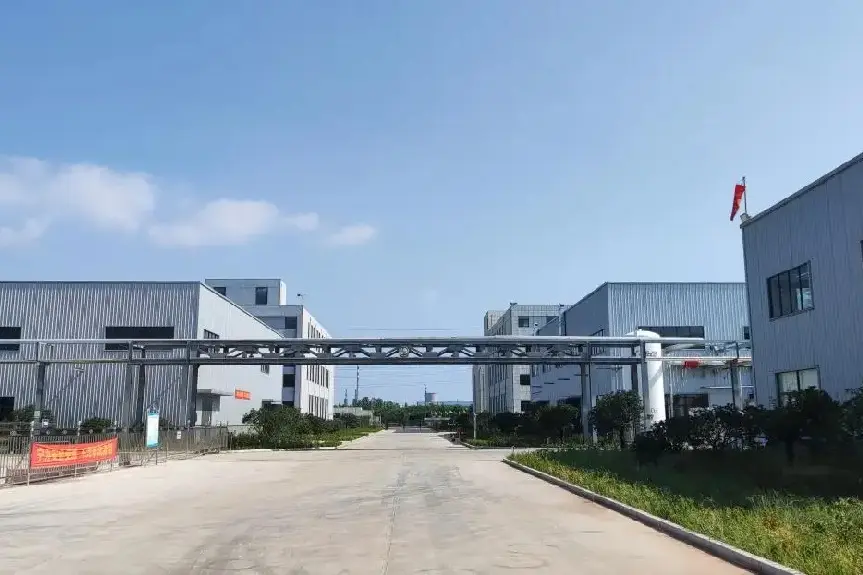
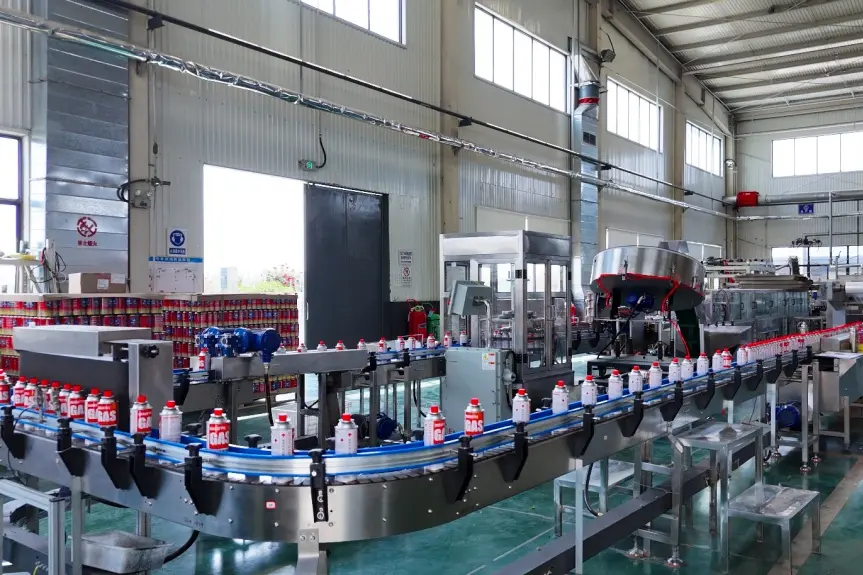
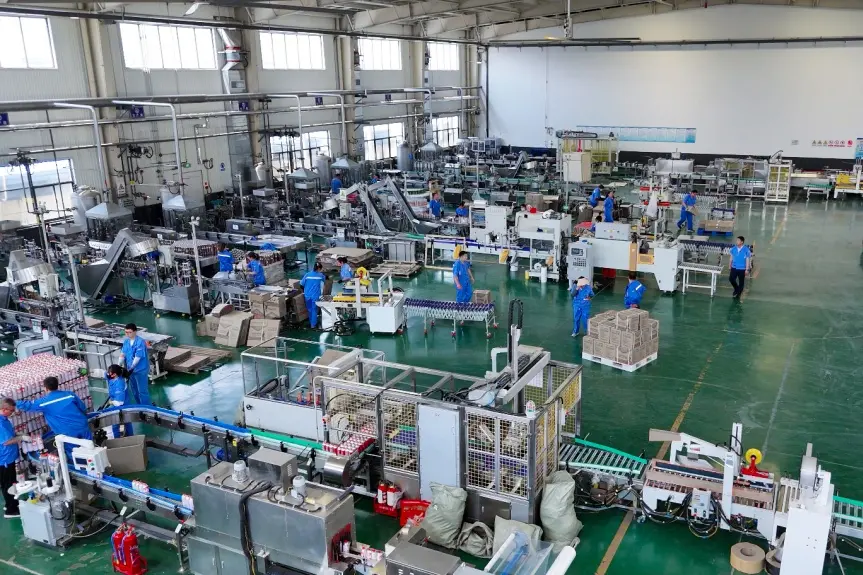
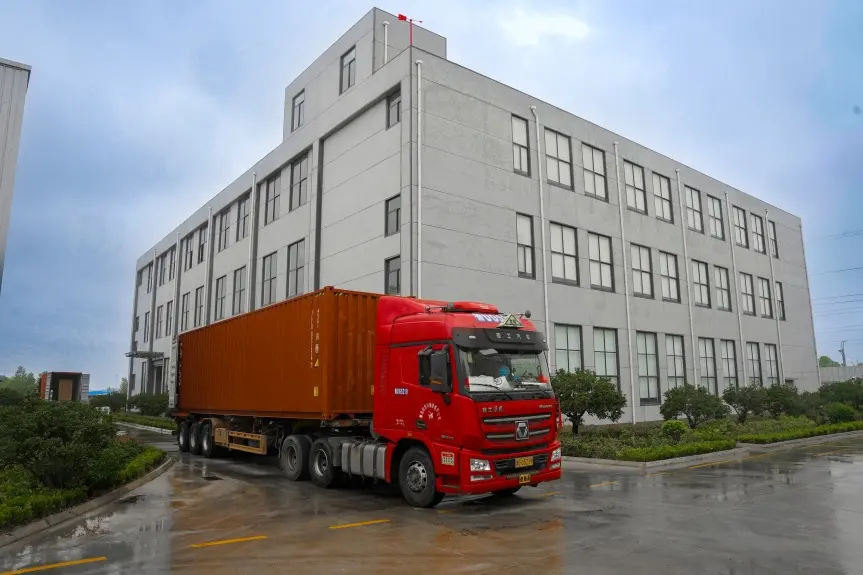
Combining structural cost advantages with high-capacity engineering to serve the Malaysian chemical market.
By sourcing raw materials directly from adjacent chemical industrial hubs in East China, we bypass long supply chains, passing raw material savings onto our international bulk buying partners.
Our formulation scientists design insecticides utilizing modern, synergized active ingredients. We engineer water-based formulas that achieve reliable knockdown efficiency while keeping VOC profiles low.
We possess complete certifications for exporting international Class 2 hazardous materials, including custom safety packaging licenses, ensuring secure customs clearance at Port Klang, Penang Port, and Port of Tanjung Pelepas.
Formulating chemical solutions that match specific operational requirements across diverse Southeast Asian environments.
In Malaysia's massive palm oil, rubber, and cocoa plantations, field workers face continuous mosquito exposure. Traditional coils often extinguish in humid rain forest environments. Our OEM low-smoke, wind-resistant 8-hour mosquito coils provide continuous protection, safeguarding agricultural workers and ensuring consistent workforce productivity.
For premium nature resorts and diving retreats in Sabah, Sarawak, and Langkawi, guest comfort is a top priority. Our non-greasy outdoor mosquito sprays use cosmetic-grade propellants and mild active ingredients to provide broad-spectrum insect protection without irritating sensitive skin or affecting outdoor equipment.
In municipal areas like Kuala Lumpur and Penang, high-rise buildings and construction zones require intensive mosquito prevention. Our fast-acting insecticidal aerosols provide professional-grade knockdown strength, targeting pest populations in indoor spaces, offices, and sub-levels, helping to control mosquito breeding cycles.
Industrial specifications and chemical standards for our insecticide and specialty aerosol product ranges.
| Product Category | Active Ingredient Options | Propellant Gas | Can Materials | Recommended Usage Scenarios |
|---|---|---|---|---|
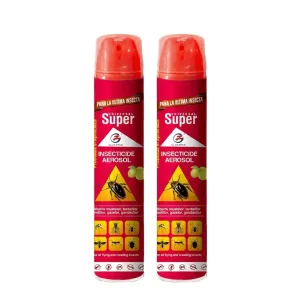
| Insecticide Spray (Aerosol) | 0.1% - 0.5% Transfluthrin / Cypermethrin / Tetramethrin | Purified LPG / DME (Dimethyl Ether) | High-Pressure Tinplate (Double-lined) | Quick indoor knockdown, vector eradication in urban zones |
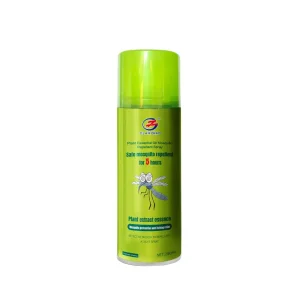
| Outdoor Repellent Spray | 5% - 20% DEET / Picaridin / Natural Essential Oils | Cosmetic-Grade Hydrocarbon Propellant | Lightweight Seamless Aluminum Can | Outdoor activities, military field protection, ecotourism |
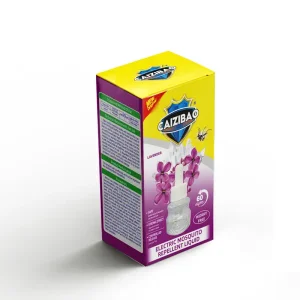
| Electric Repellent Liquid | 0.8% - 1.2% Prallethrin / Dimefluthrin | Slow-release vaporizing solvent matrix | PET Bottle with high-density carbon rod | Residential use, hotel rooms, office workspaces (up to 45 nights) |
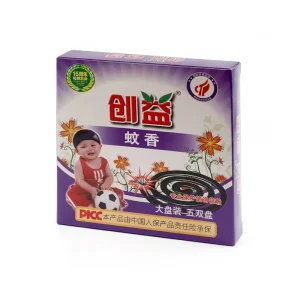
| Mosquito Coil (Low-smoke) | 0.03% - 0.08% Dimefluthrin | Solid wood powder binder system | Pre-pressed fiber structural coils | Agricultural camps, plantations, rural communities |
Operating a chemical manufacturing plant requires adherence to strict quality control policies. Our manufacturing facility holds comprehensive international certifications, ensuring that every batch of raw materials, empty cans, and filled products matches the safety requirements of major global destinations.
We work in strict compliance with ISO 9001:2015 quality management protocols. Our production workflows incorporate inline pressure check baths, high-accuracy weight checking scales, and gas chromatography tests to verify formulation integrity.
Additionally, we hold specialized export licenses for hazardous materials packaging. This ensures that every container shipped complies with maritime dangerous goods rules (IMDG Code), minimizing shipping delays and avoiding customs clearance hold-ups at Southeast Asian destination ports.
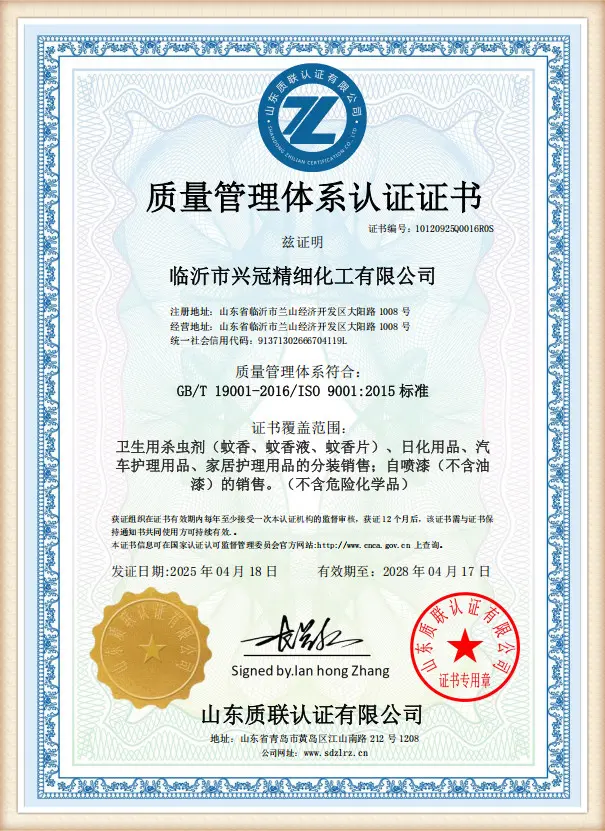 Quality Management System
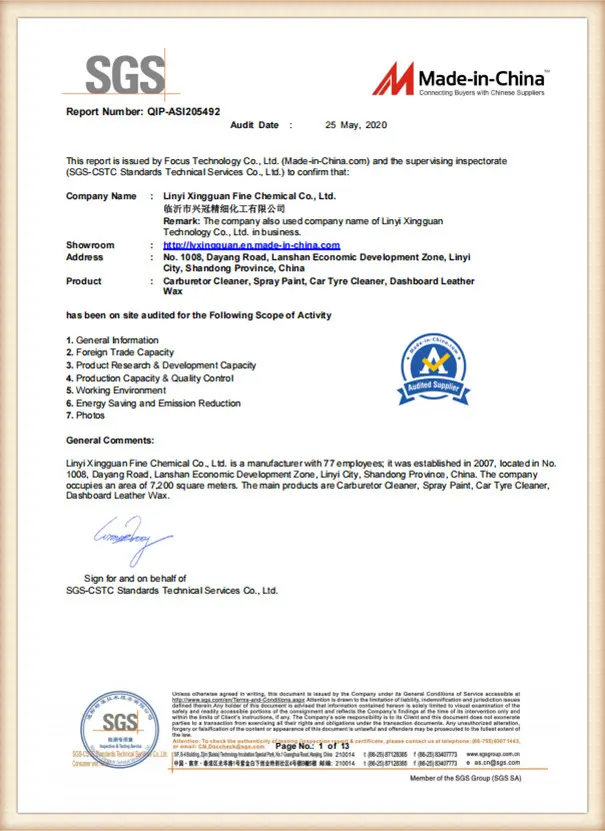 Chemical License
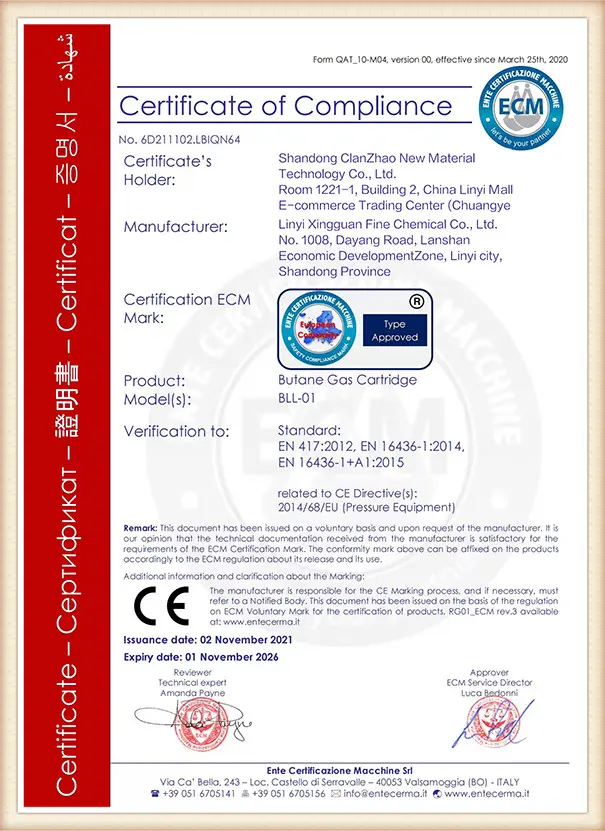 Dangerous Goods Cert
Insights into the technological shifts shaping the next generation of insecticide manufacturing.
The global insecticide manufacturing sector is undergoing a major technical transition. Traditional solvent-based aerosols, which use mineral spirits or kerosene-based carriers, are being phased out due to environmental concerns, odor profiles, and VOC regulations. Today's market demands modern chemical alternatives:
By replacing organic solvents with purified water emulsions, chemical engineers can reduce packaging VOCs by up to 50%. These formulas reduce indoor odors, lower skin irritation potential, and decrease ignition hazards during filling and storage. We utilize advanced emulsion technology to ensure that active pyrethroids remain stable in water-based media throughout their shelf life.
Consumer preferences in the ASEAN region are shifting toward natural and bio-based ingredients. Formulations containing PMD (derived from lemon eucalyptus), citronella, and geraniol are growing in popularity for daily household use. Our R&D department has designed hybrid formulas that pair natural repellents with low-dose synthetic active ingredients, achieving balanced knockdown efficacy and eco-friendly performance.
From micro-encapsulated spray valves to metered dose dispensers, aerosol delivery systems are becoming more efficient. Modern valves ensure optimal particle size control (ideal range: 10-30 microns for flying insect control), ensuring that active ingredients float longer in target areas rather than dropping immediately to the floor, reducing chemical waste.
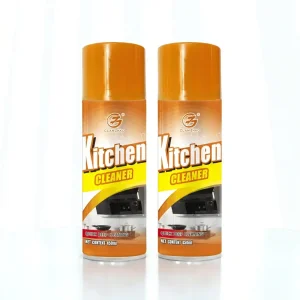
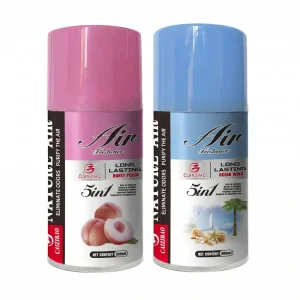
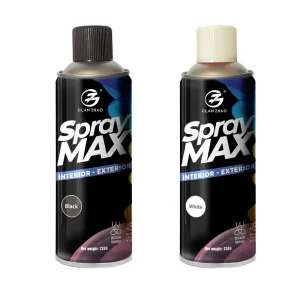
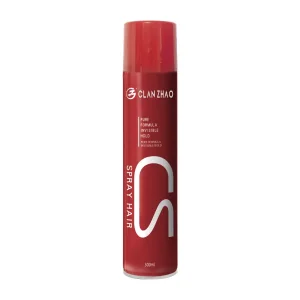
From household cleaners and industrial maintenance sprays to custom coatings and personal care aerosols.
Understanding the stages of ordering, formulation customization, quality testing, and dangerous goods transport.
Define product requirements: container dimensions, active ingredient type, packaging design, and targeted knockdown speeds.
We supply sample formulations for laboratory analysis, bio-efficacy trials, and registration review.
Following approvals, we commence high-speed automated production, pressure testing, and final quality checks.
We process dangerous goods compliance declarations, loading products into ocean freight containers bound for your destination port.
Answers to common regulatory, logistical, and technical questions regarding sourcing chemical products.
Under the Malaysian Pesticides Act 1974, all insecticides, repellents, and agricultural chemicals must be registered with the Pesticides Board of the Department of Agriculture (DOA). Importers must provide complete active ingredient profiles, biological efficacy study reports, and safety data sheets (SDS) in accordance with the GHS hazard classification system.
Our standard MOQ for custom lithographed aerosol tinplate cans ranges from 20,000 to 30,000 units per formulation. This volume is dictated by the industrial requirements of lithographic can printing lines and automated liquid filling production runs.
We formulate insecticides with high-purity solvents and stable synthetic pyrethroids. Our packaging options include internal epoxy phenolic coatings inside tinplate cans to prevent oxidation and container corrosion, ensuring a shelf life of up to 3 years under tropical conditions.
Aerosols are classified as Dangerous Goods under UN 1950 (Class 2.1 Flammable Gas or Class 2.2 Non-Flammable Gas). We manage DG sea freight bookings through major ports, providing official packaging performance certificates, material safety sheets (MSDS), and custom container stuffing reports to ensure safe sea transit.
Yes. Our laboratory can adjust active ingredient ratios (such as blending Transfluthrin and Tetramethrin) to meet specific knockdown speed targets. We also offer customization of fragrance oil bases (such as lavender, citrus, and eucalyptus) to match local preferences.
 ClanZhao