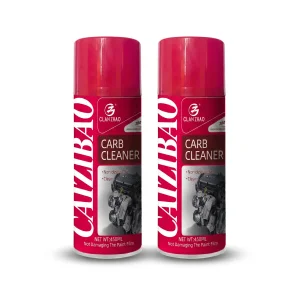
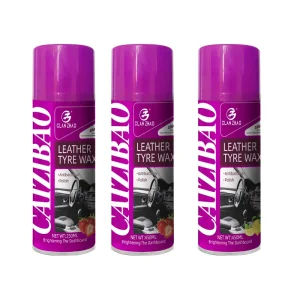
Premium specialized chemical formulations manufactured at our state-of-the-art aerosol facility.
Shandong ClanZhao New Material Technology Co., Ltd. operates as a dedicated, specialized foreign trade subsidiary wholly-owned by Linyi Xingguan Fine Chemical Co., Ltd. We are strategically committed to driving advancements in the high-end fine chemical sector, specializing in custom aerosol product R&D, industrial-scale automated production, and reliable cross-border export channels.
Leveraging our parent company’s deep manufacturing history, we serve global markets by offering highly specialized aerosol products, including advanced molecular-bonding UPVC spray paint systems. Our processes run on precision, safety, and scalable compliance, enabling us to serve major construction conglomerates, profile distributors, and global import agencies with equal efficiency.
Unplasticized Polyvinyl Chloride (UPVC) exhibits low surface energy, making standard paints highly prone to peeling and degradation. B2B volume buyers require certified molecular-bonding solutions.
Unlike wood or metal substrates, UPVC does not possess structural pores. Standard retail paints pool on the surface and quickly flake off. Industrial-grade formulations integrate structural solvent matrices that microscopically cross-link with the PVC substrate, creating a fused molecular bond.
UPVC building components experience significant thermal expansion and contraction (especially dark-colored profiles). Our chemical engineers design the cured paint film to retain permanent flexibility, matching the expansion coefficient of PVC to prevent fracturing under thermal strain.
Sunlight exposure releases chlorine radicals within untreated PVC, leading to yellowing and embrittlement. As direct-to-plastic exporters, our coatings incorporate Hindered Amine Light Stabilizers (HALS) and premium UV-absorbers, safeguarding both the coating and the underlying plastic profile.
A comprehensive overview of our chemical manufacturing depth and customized formulations.
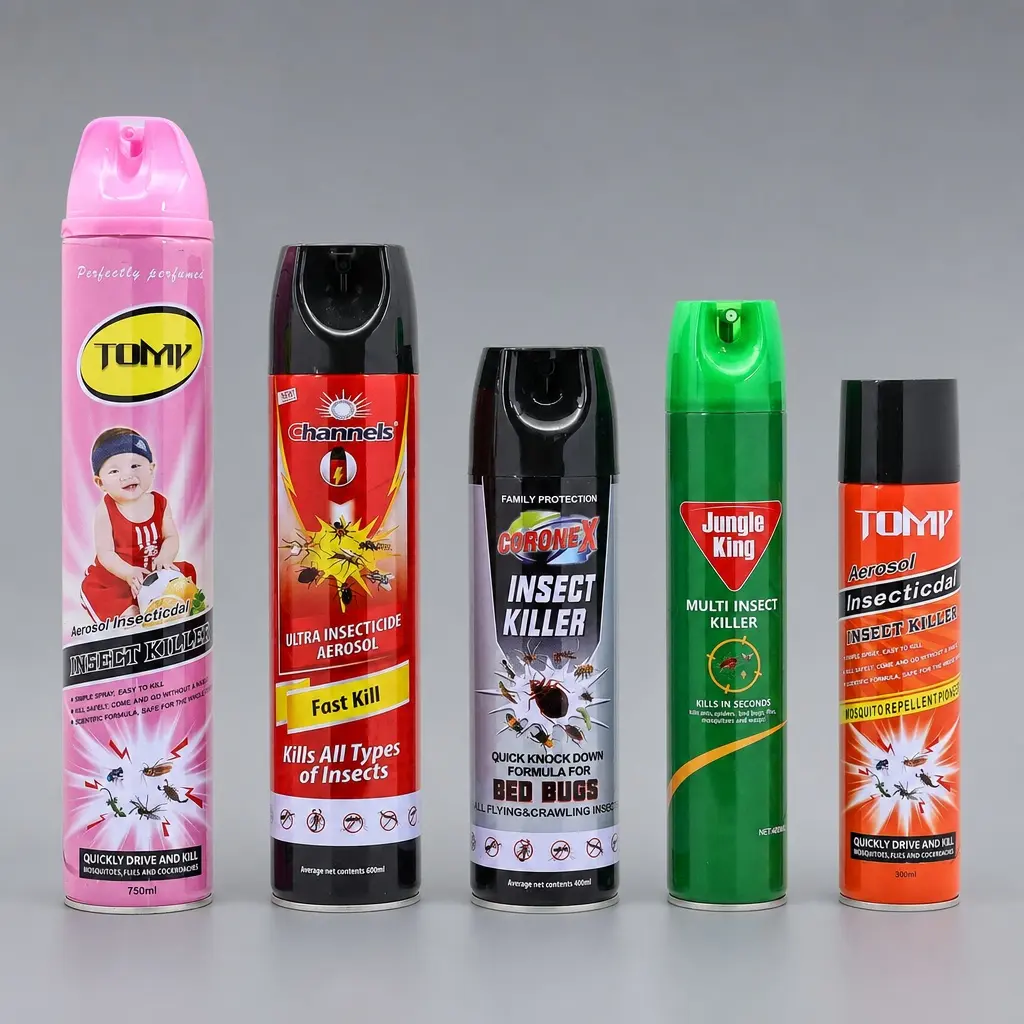
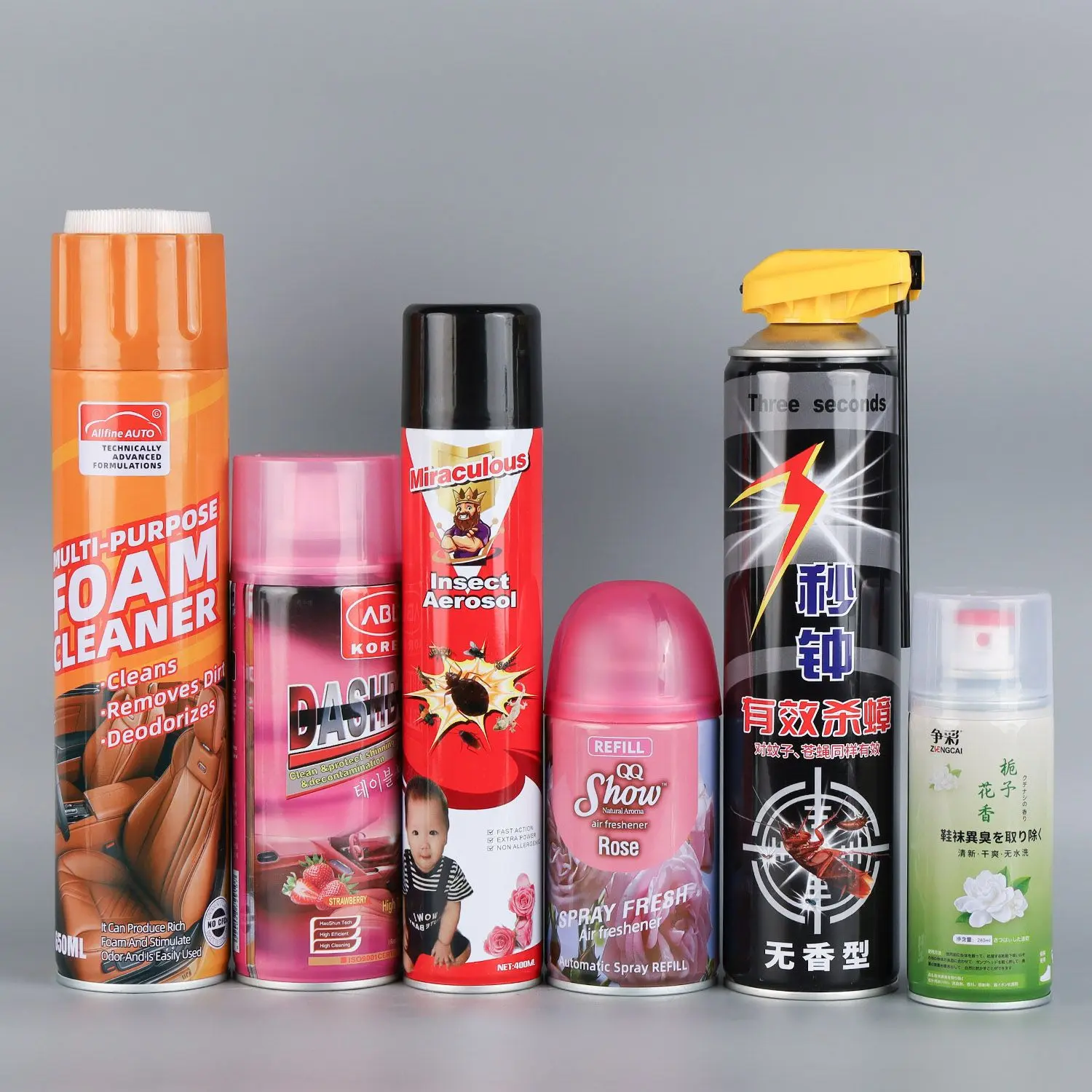
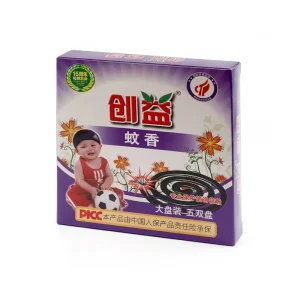
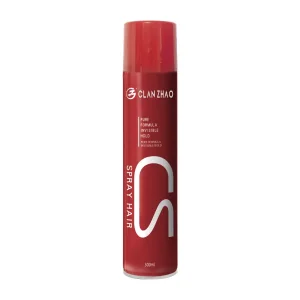
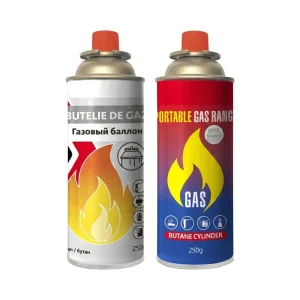
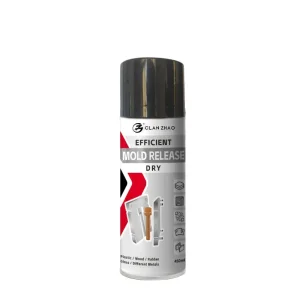
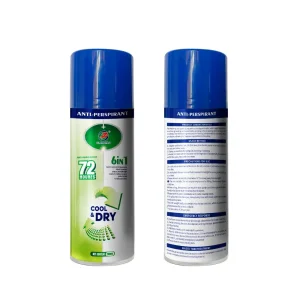
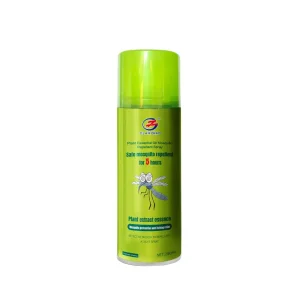
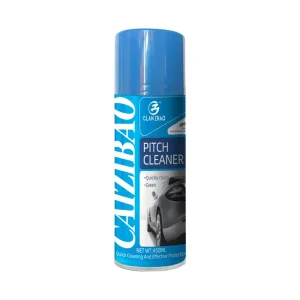
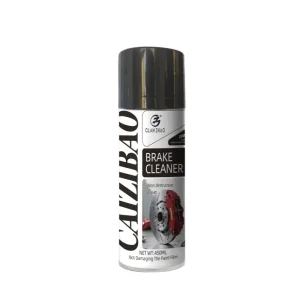
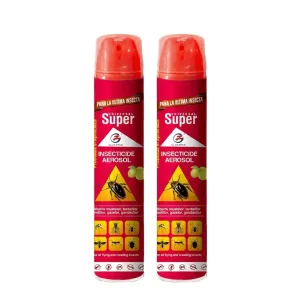
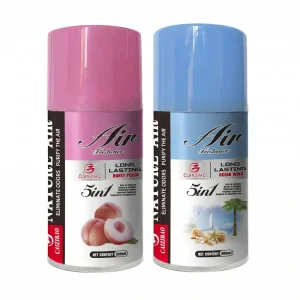
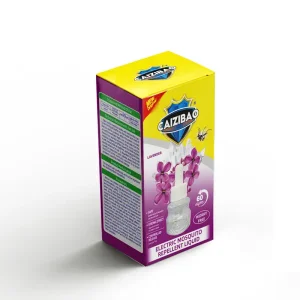
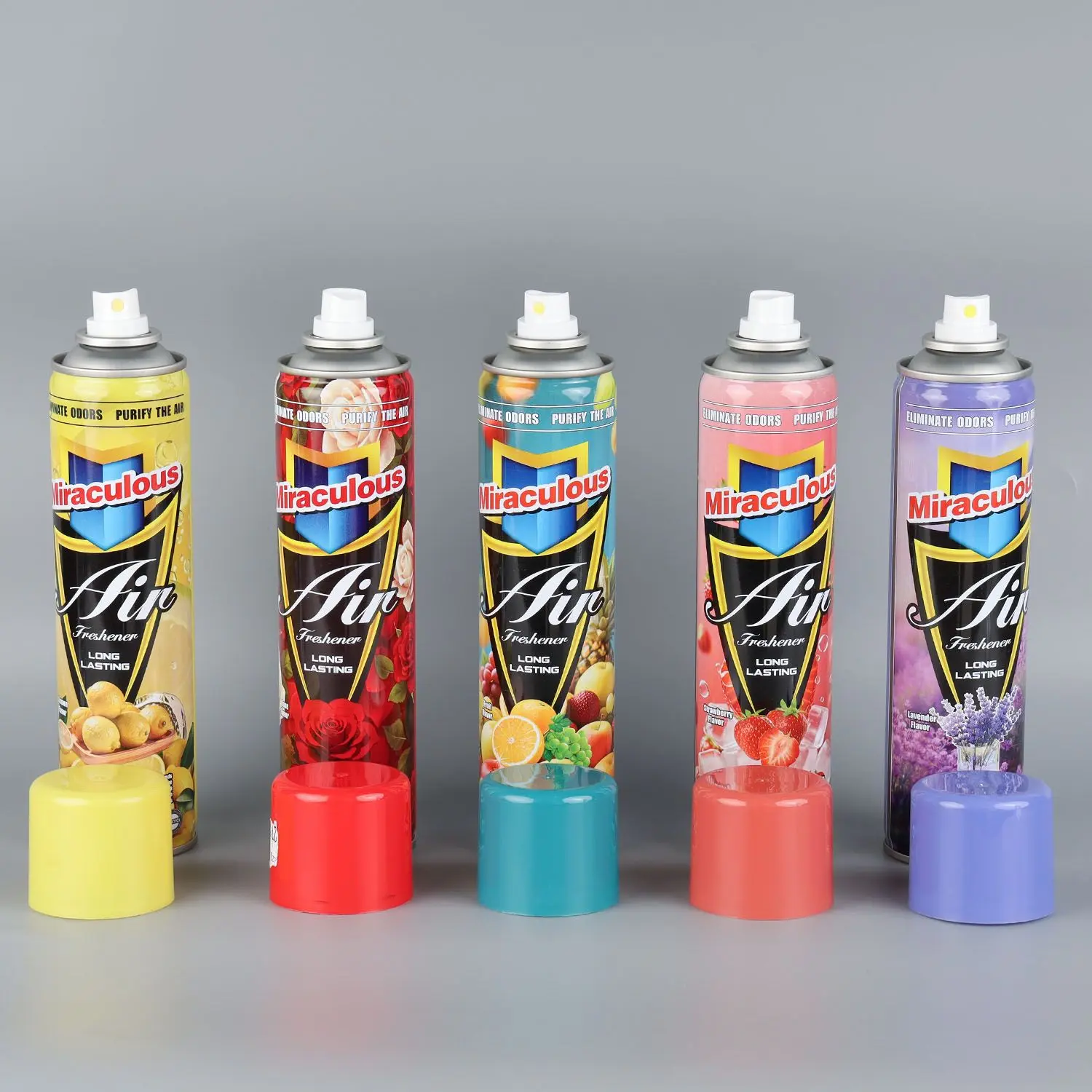
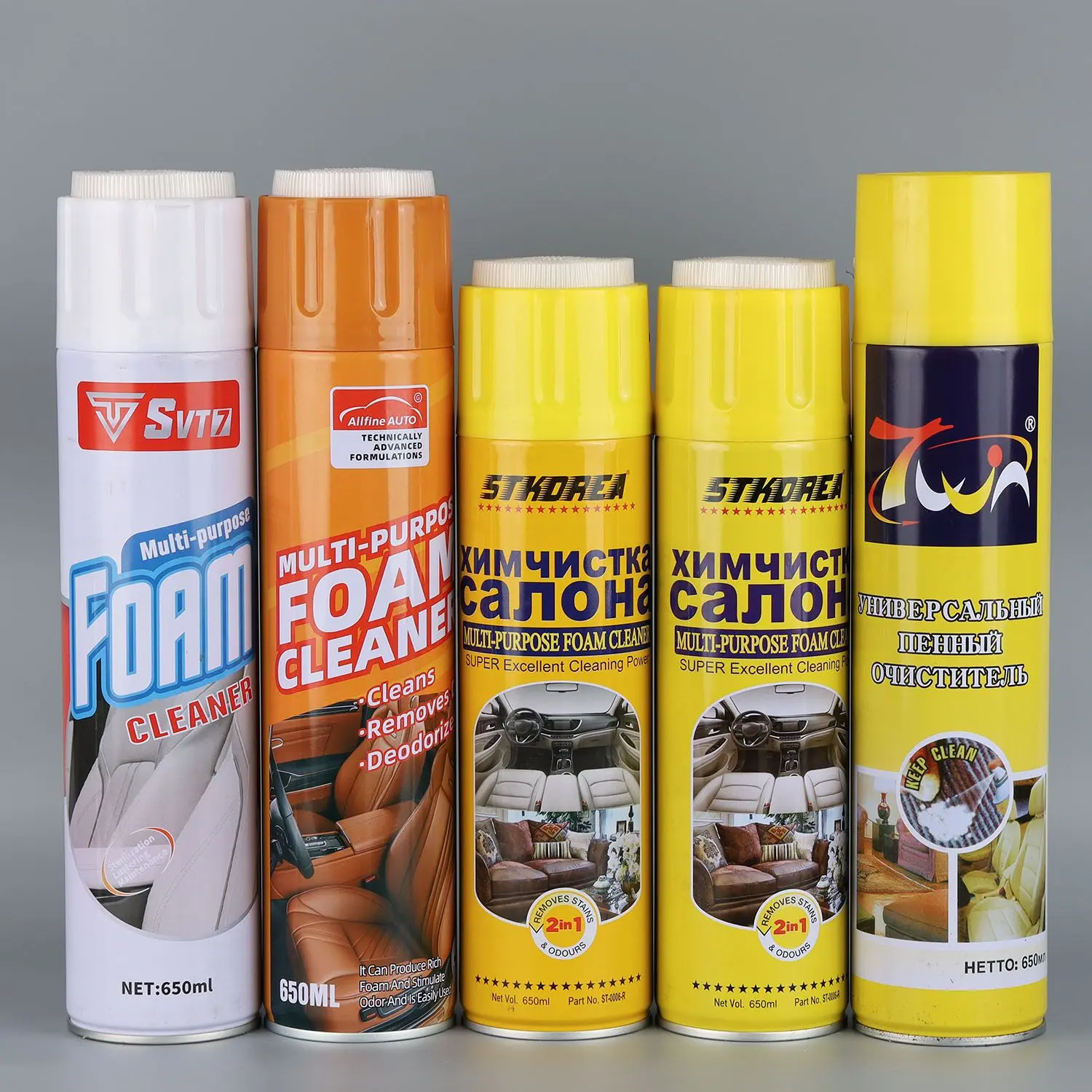
Our product portfolio ranges across eight major aerosol lines: insecticidal sprays, portable gas canisters, automotive care products, everyday household cleaners, personal care cosmetics, pet hygiene formulations, industrial-grade lubricants, and specialized polyurethane foam sealants.
For architectural paint wholesalers, we provide tailor-made OEM/ODM solutions matching various global standards. We customize solids content, pressure delivery, nozzle spray angles, dry times, and color systems (RAL & NCS). Our direct-to-plastic aerosols operate with precision-valve technology to ensure zero sputtering, consistent atomization, and minimal overspray, providing professional painters and DIY consumers with paint booth results from an aerosol can.
| Performance Spec | Industrial Grade Target | Test Standard |
|---|---|---|
| Adhesion Rating | Class 5B (0% flaking) | ASTM D3359 / ISO 2409 |
| UV Exposure Performance | >1000 Hours (QUV test) | ISO 4892-3 |
| Cure Time (Dry to Touch) | 10 - 15 minutes (at 20°C) | ASTM D1640 |
| Flexibility (Mandrel Bend) | Passes 2mm diameter test | ISO 1519 |
Our chemical lab constantly redefines aerosol coating efficiency. Here is how we ensure maximum bonding strength without requiring primers on UPVC substrates.
Advanced solvent blends momentarily soften the micro-surface of the UPVC. This swelling allows the acrylic-polyurethane molecules in the paint film to penetrate the upper layers of the vinyl plastic rather than resting loosely on top.
As the solvent carrier flashes off, the polymeric chains of the coating entangle with the polymer chains of the plastic. This creates a unified matrix, forming a durable barrier resistant to moisture and oxygen infiltration.
The cross-linking structure cures into a scratch-resistant, impact-resistant finish. High levels of UV-blocking pigments are locked within the matrix to maintain color consistency (Delta E < 1.0 after extended weathering cycles).
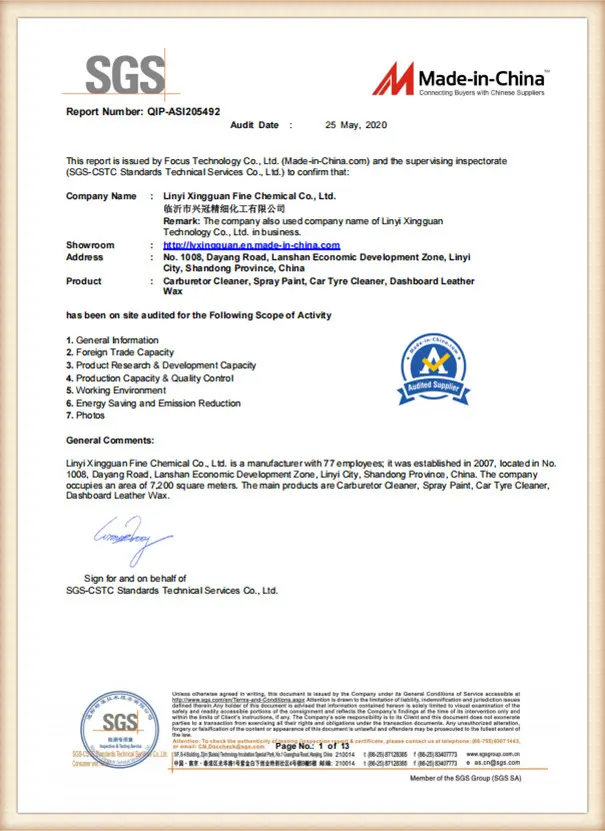
Operating a production base spanning 100,000 square meters, we maintain a production environment governed by ISO 9001 and strict chemical safety standards. Our plant runs 10 international-standard fully automated aerosol filling production lines, allowing us to manage large-scale bulk procurement orders with fast lead times and high consistency.
From chemical blending and propellant storage to automatic gas filling, weight checking, water-bath leakage testing, and automated packaging, every production phase is continuously monitored. We collaborate with national universities to maintain joint testing laboratories, researching eco-friendly paint formulations, low-VOC solvents, and advanced propellant delivery systems.
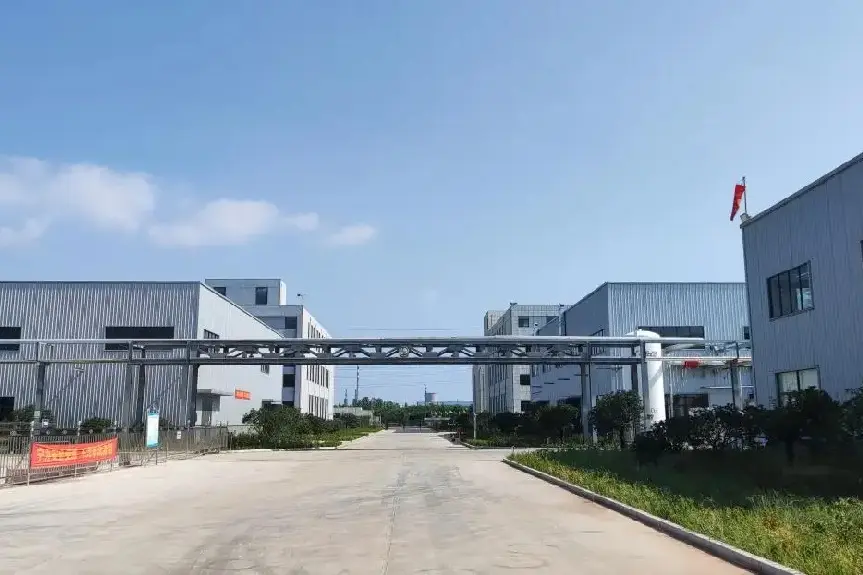
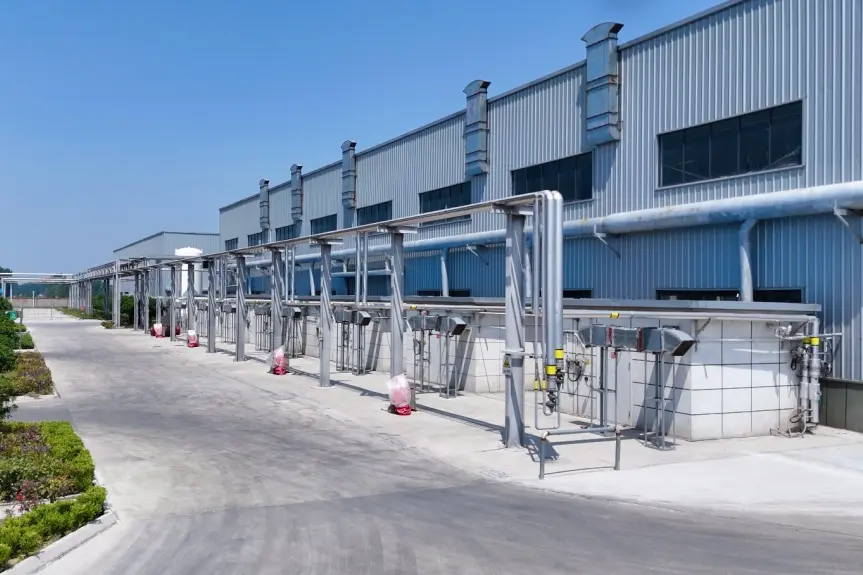
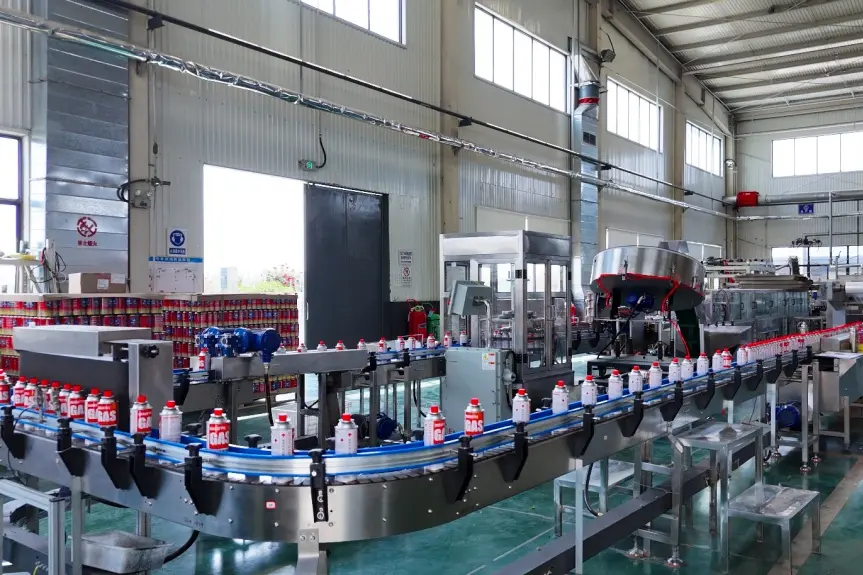
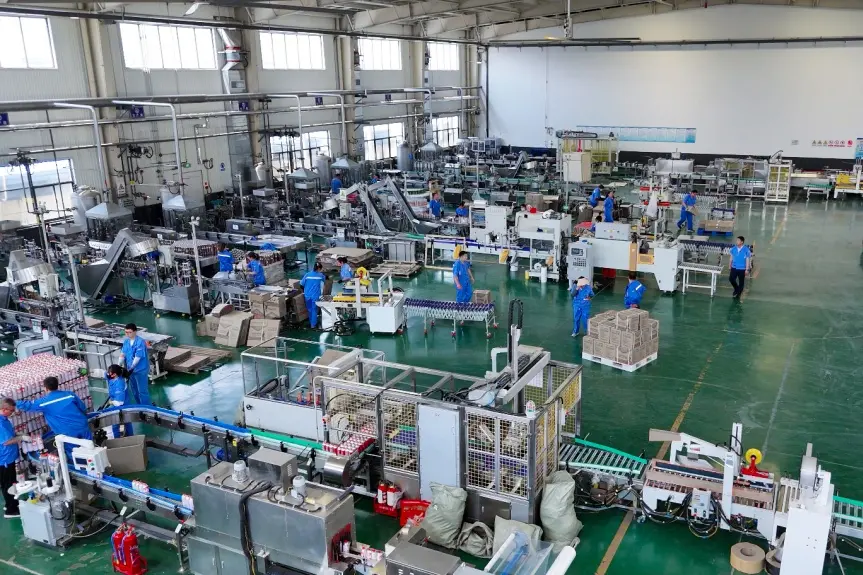
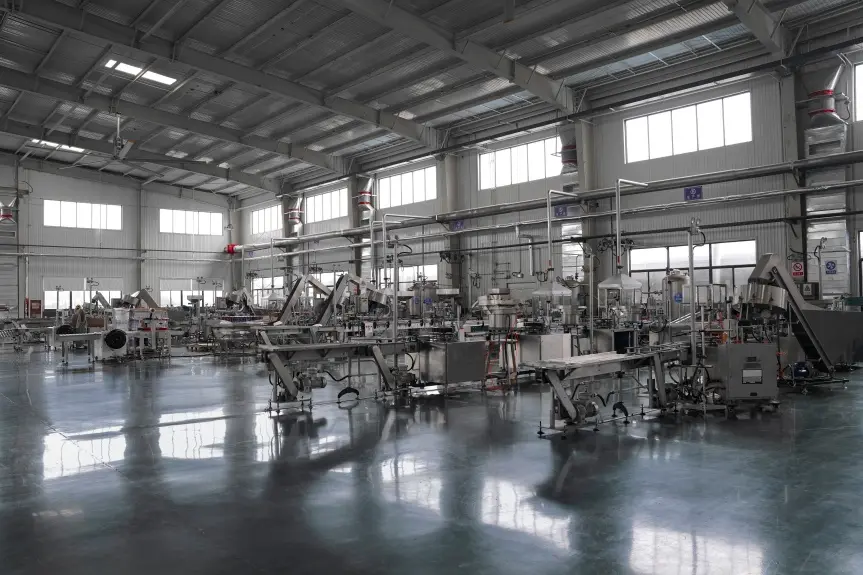
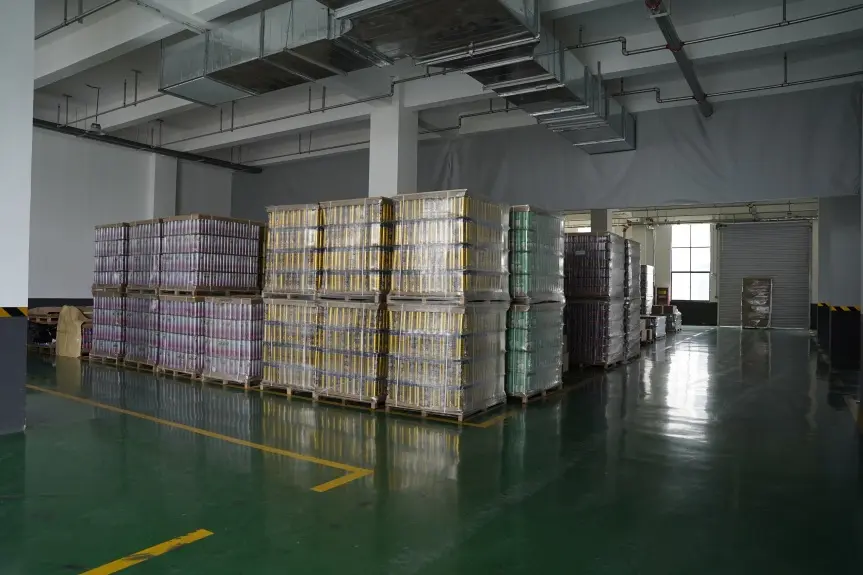
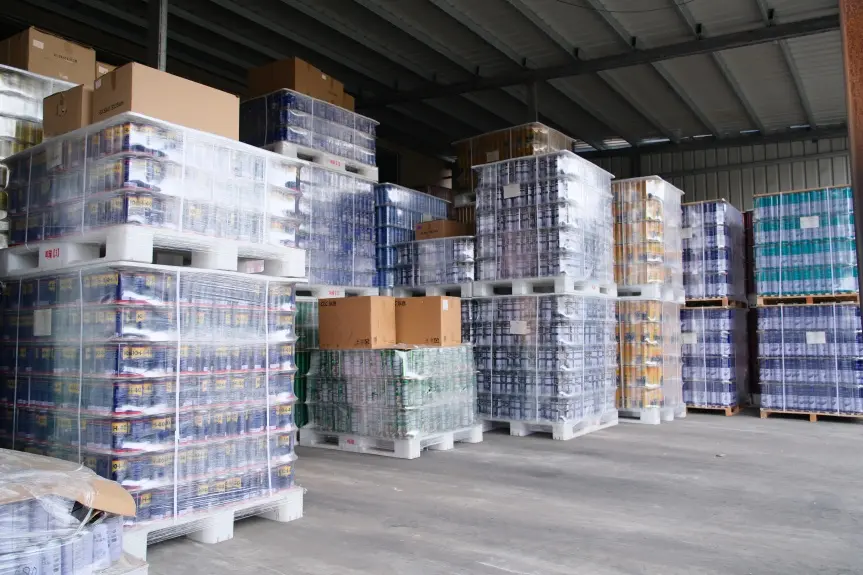
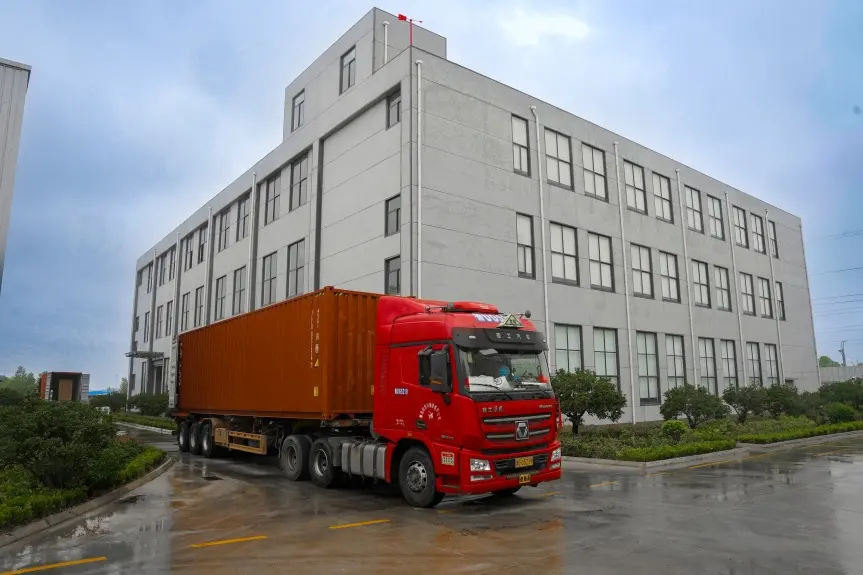
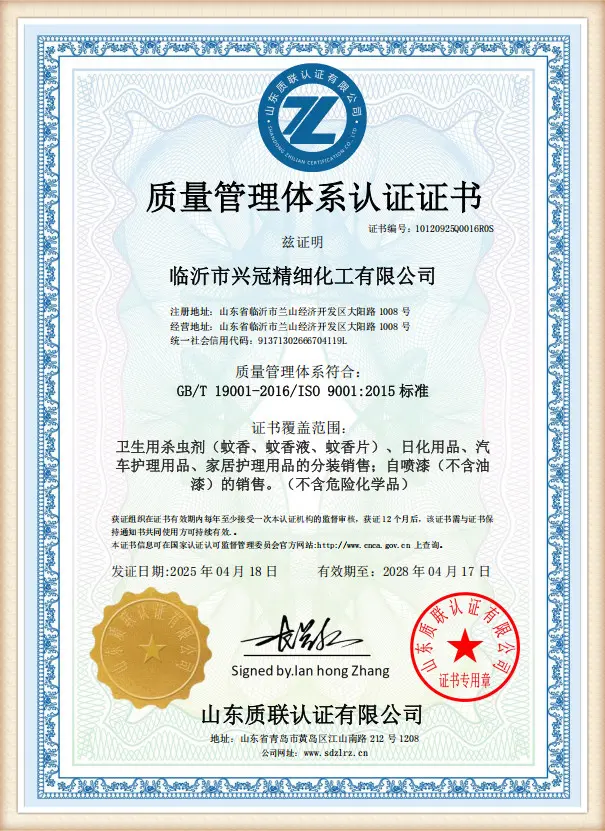
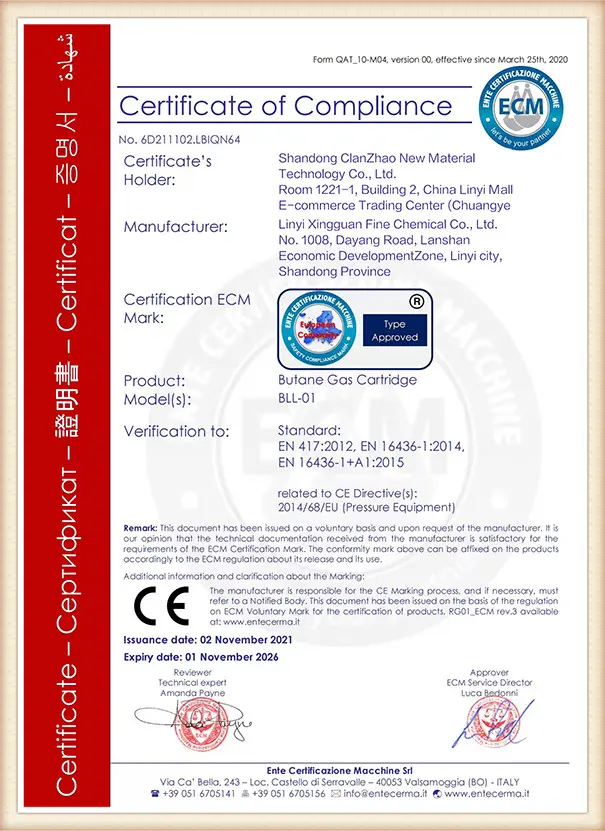
Exporting chemical aerosols requires strict adherence to international maritime laws, dangerous goods guidelines, and regional safety frameworks. Our company maintains a formal chemical production license alongside the crucial export qualifications for dangerous goods packaging.
We are fully compliant with global transport systems, ensuring that our Class 2.1 (UN1950) pressurized flammable gas shipments navigate custom clearances without delay. Every order comes backed by comprehensive Safety Data Sheets (SDS) matching GHS standards, alongside specific documentation for REACH (Europe), EPA (North America), and other localized chemical regulations.
Expert answers addressing the chemical properties, application guidelines, and logistics requirements of UPVC spray paint coatings.
Explore the remainder of our specialized chemical line, covering home care, personal hygiene, and industrial lubricants.
 ClanZhao