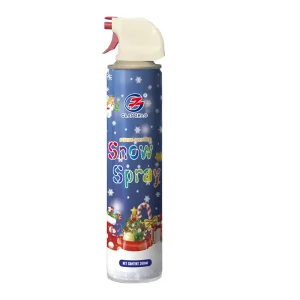
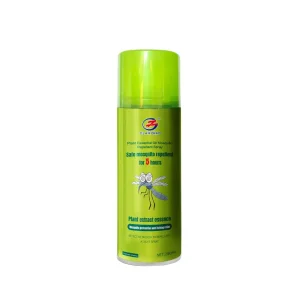
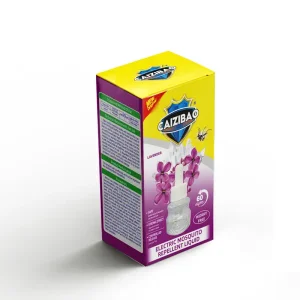
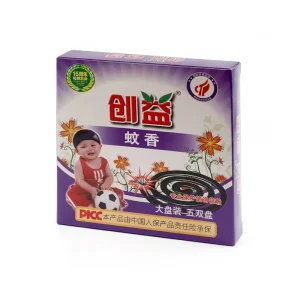
Industrial formulations developed under stringent quality control standards, supporting professional-grade spray systems.
Shandong ClanZhao New Material Technology Co., Ltd. is a specialized foreign trade subsidiary wholly-owned by Linyi Xingguan Fine Chemical Co., Ltd. It focuses on the high-end fine chemical industry, specializing in the research and development of aerosol products, large-scale production, and global cross-border export business. Built on nearly two decades of engineering and scientific innovation, we operate at the intersection of high-precision chemical formulation and state-of-the-art aerosol delivery mechanics.
Leveraging deep industrial chemistry, we build, package, and export products across eight core sectors alongside customized paint/coating operations.
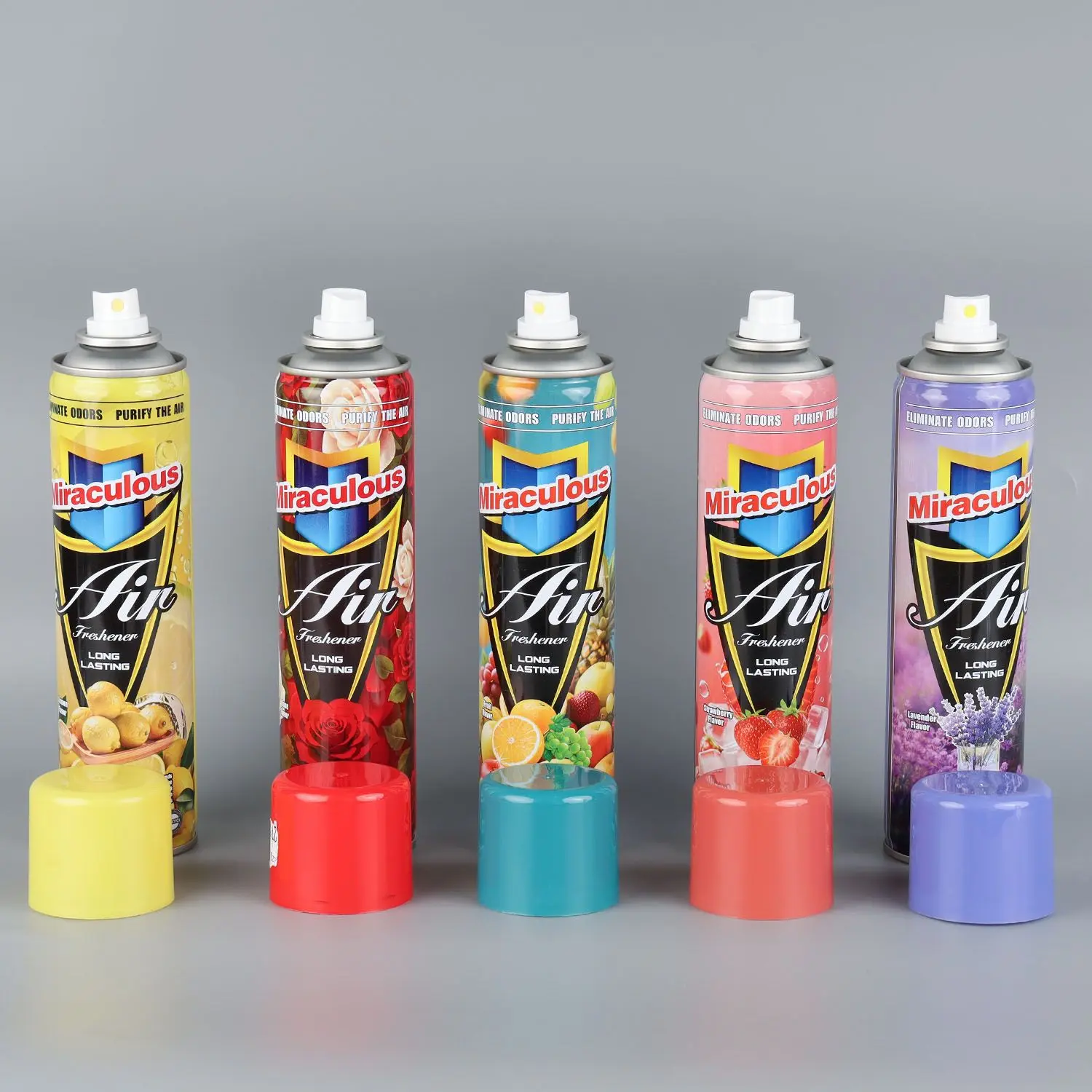
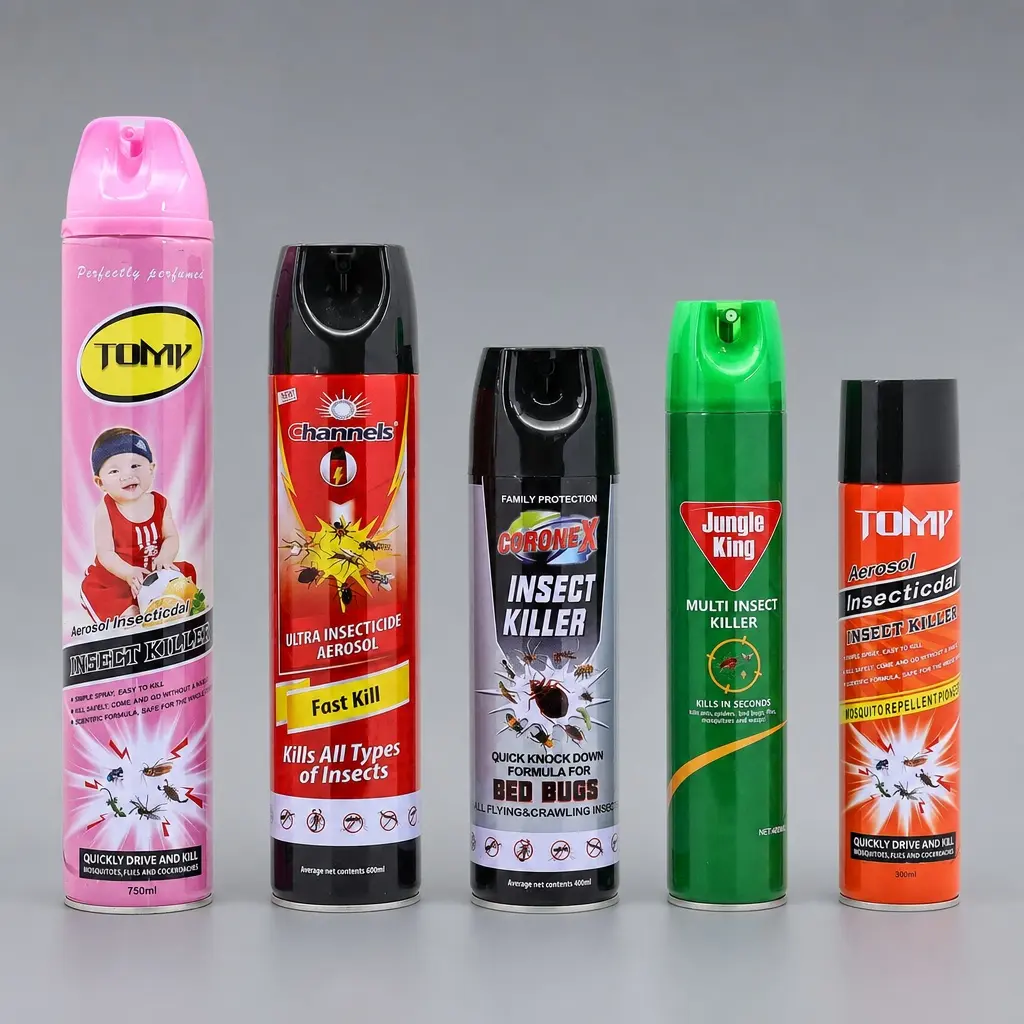
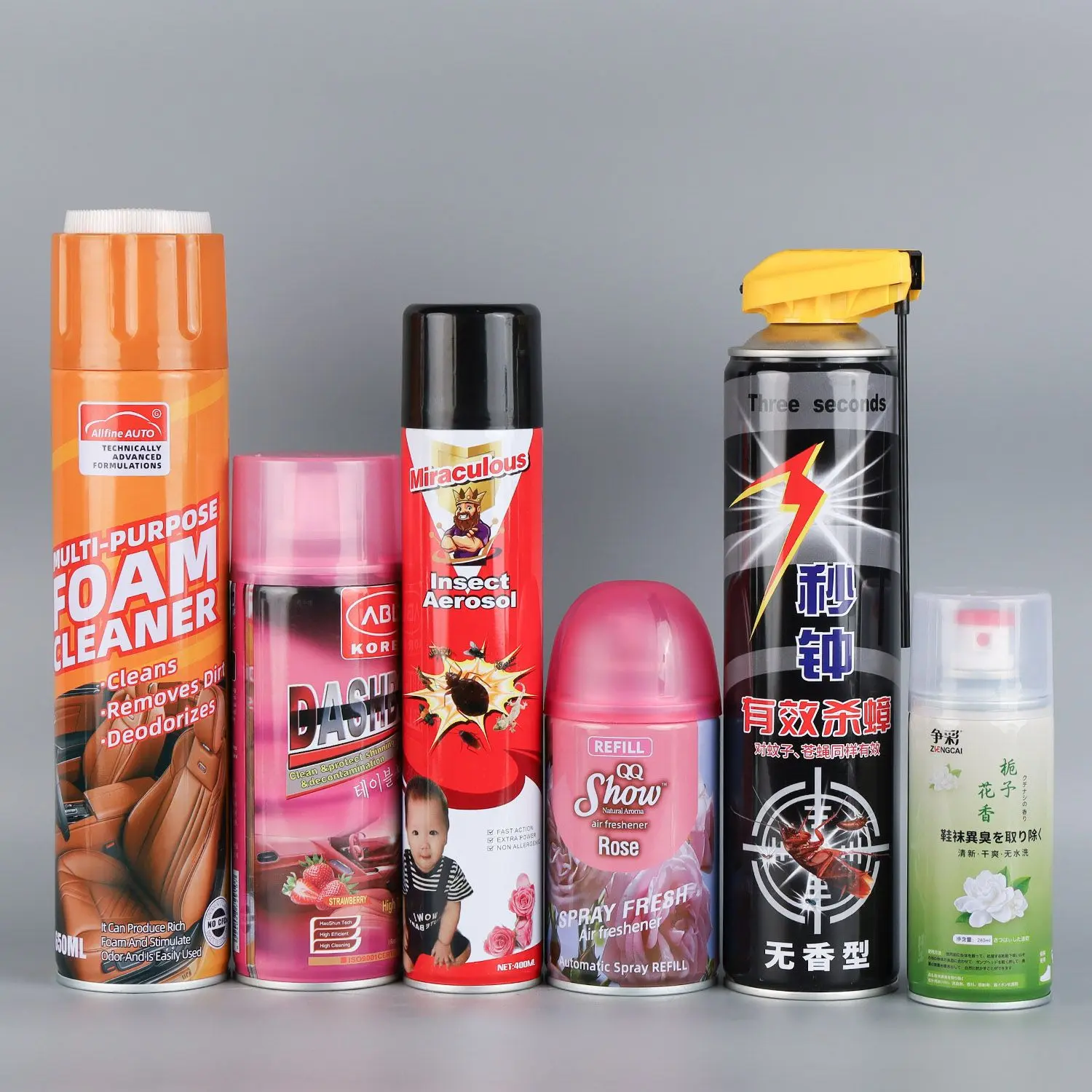
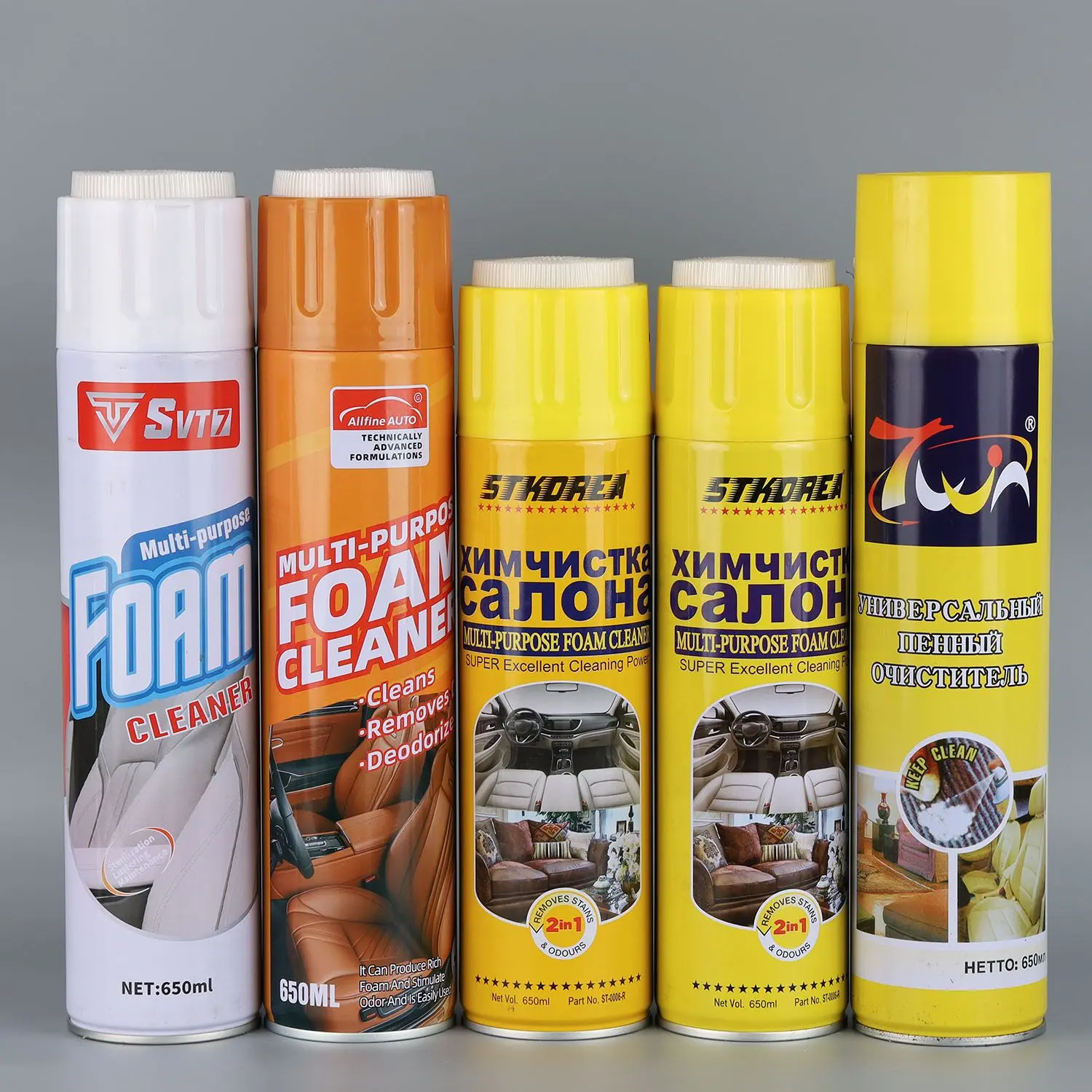
An in-depth analysis of the current market paradigm of industrial pneumatic paint sprayers & aerosol applications.
The global industrial market is experiencing a profound shifts in finish quality expectations, environmental mandates, and automation integration. At the center of this movement lies the pneumatic paint sprayer—an air-driven machinery staple in structural engineering, automotive refinishing, marine corrosion protection, and heavy equipment manufacturing. Traditionally valued for their superior atomization and mechanical reliability, modern pneumatic spray systems are adapting to handle increasingly complex chemical coatings.
Today, the commercial value of pneumatic spray systems is inextricably linked to the quality of the chemical materials fed into them. High-viscosity industrial primers, anti-corrosive polyurethane formulations, and specialized wood lacquers require uniform pressure delivery to achieve the optimal High Volume Low Pressure (HVLP) or Low Volume Low Pressure (LVLP) states. In regional markets such as North America and Europe, strict regulatory frameworks around Volatile Organic Compounds (VOCs) are steering the market toward water-borne chemical coatings and highly controlled propellant-driven aerosol paints.
Furthermore, the growth of the DIY repair market and mobile automotive detailing has driven high demand for localized, self-contained pressurized aerosols that mimic the flawless coat of a pneumatic gun. Manufacturers must balance structural mechanical design with fine-chemical precision, optimizing flow rate, nozzle geometry, and formula viscosity to prevent clogging and erratic droplet distribution.
Deciphering the technological trajectories defining the future of pneumatic paint spraying and aerosol technologies.
Improving the transfer efficiency of spray technologies to minimize overspray. Innovations in micro-nozzle fluid channels and advanced propellant systems ensure paint particles achieve a uniform sizing range (30–50 microns) for maximum surface adhesion.
Meeting international sustainability directives through chemical research. We are systematically transitioning our aerosol paint arrays toward bio-based solvents, water-borne suspension agents, and natural propellant gases like dimethyl ether (DME) to cut down global Warming Potential (GWP).
Integrating pneumatic gun structures with robotic arms for manufacturing plants. The future relies heavily on IoT-connected sprayers that dynamic-adjust flow rate based on surface proximity, scanning for coating thickness variations in real time.
How pneumatic paint sprayers and advanced aerosols are utilized across distinct industries worldwide.
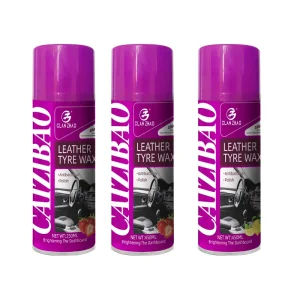
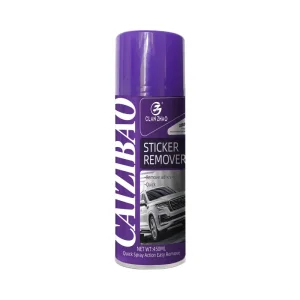
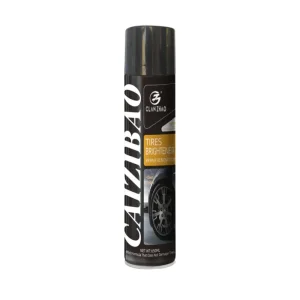
In body repair shops globally, paint technicians rely on pneumatic systems connected to high-precision spray guns to lay down primers, base coats, and clear coats. The consistency of the compressed air ensures that metallic and pearlescent paint flakes align perfectly. Our specialized automotive maintenance aerosols, dashboard waxes, and instant sticker removers complement this ecosystem, allowing shops to execute detailing and surface preparation rapidly without compromising coating integrity.
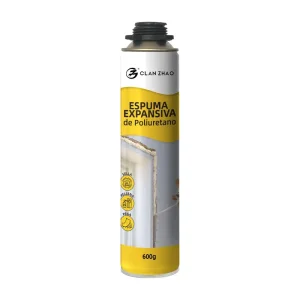
For large-scale construction, builders employ heavy-duty pneumatic airless sprayers to apply expanding PU foam sealants, fireproofing barriers, and weather-resistant elastomeric coatings. In this environment, raw material output must match the mechanical capabilities of the sprayer. Our expanding PU foam solutions are engineered to seal, fill, and insulate gaps instantly, matching standard nozzle flow parameters for a clean cure.
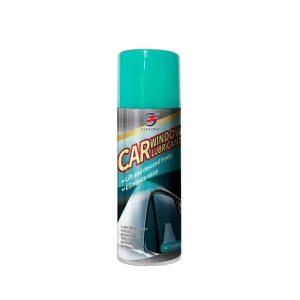
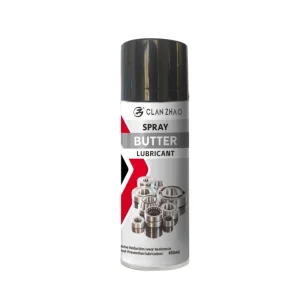
Shipyards, chemical plants, and heavy manufacturing sites subject machinery to corrosive atmospheres. Operators rely on pneumatic grease pumps and paint sprayers to protect raw steel. Here, lubricants that cut friction and resist salt spray are critical. Our multi-purpose grease lubricants, heavy-duty window track lubricants, and anti-corrosive sprays provide critical maintenance links, ensuring industrial equipment and sliding mechanisms function smoothly in extreme outdoor environments.
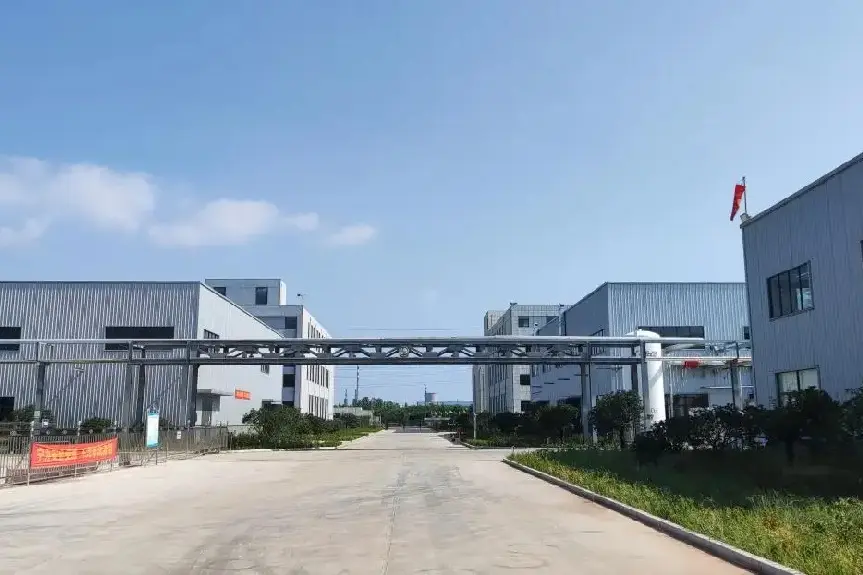
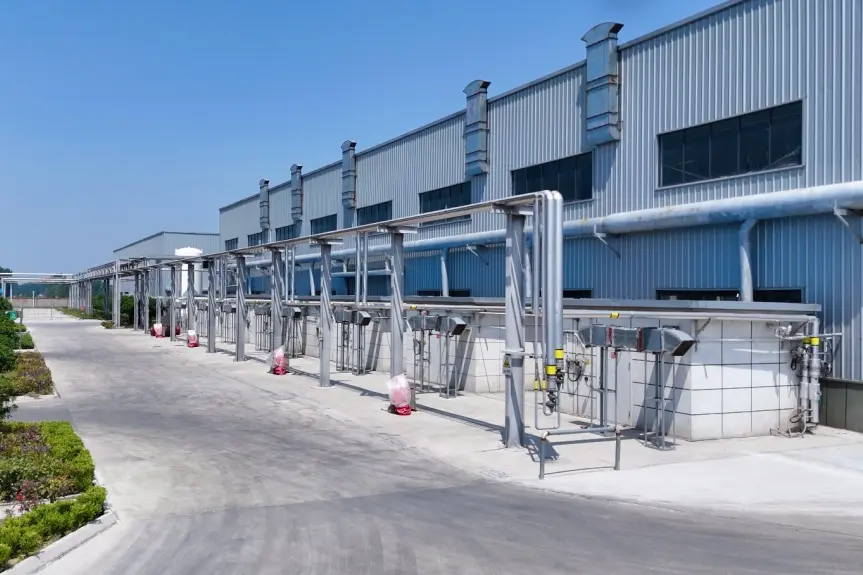
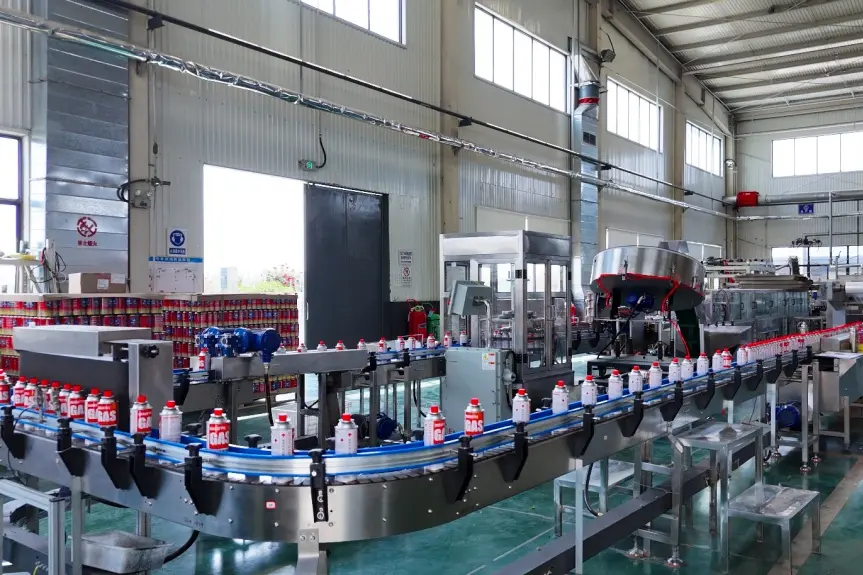
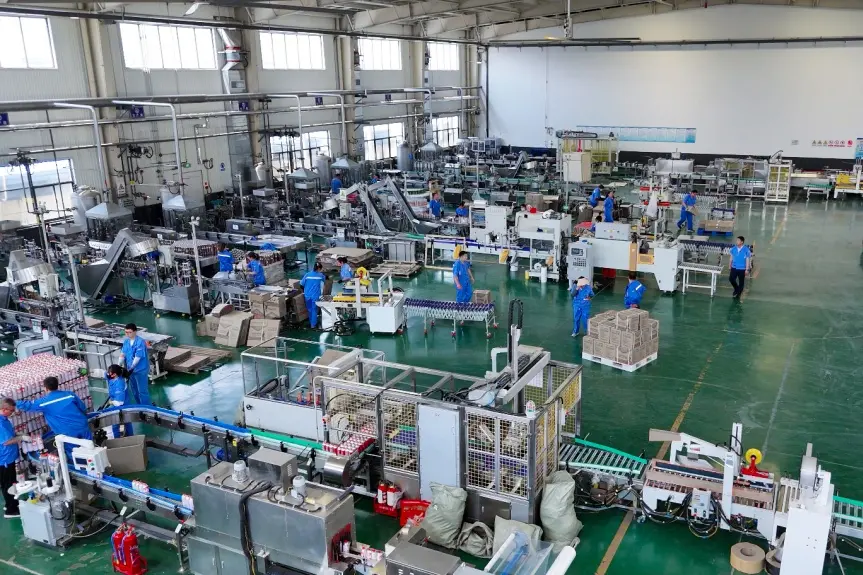
Behind the scenes at Shandong ClanZhao & Linyi Xingguan: Modern manufacturing infrastructure engineered for stability, precision, and high throughput.
Relying on the parent company's nearly 20 years of accumulation in the fine chemical industry and its mature global channel sales network, the company possesses robust production, sales, and R&D capabilities. We have collaborated with several renowned universities and professional research institutions to establish joint R&D laboratories, continuously iterating on formula processes and launching the research and development of new environmentally friendly chemical products.
Our production base spans an area of 100,000 square meters, equipped with 10 international standard fully automated filling production lines and a full set of precision quality inspection equipment. We have established a standardized quality control system that covers the entire process from raw material storage, production and processing to finished product delivery.
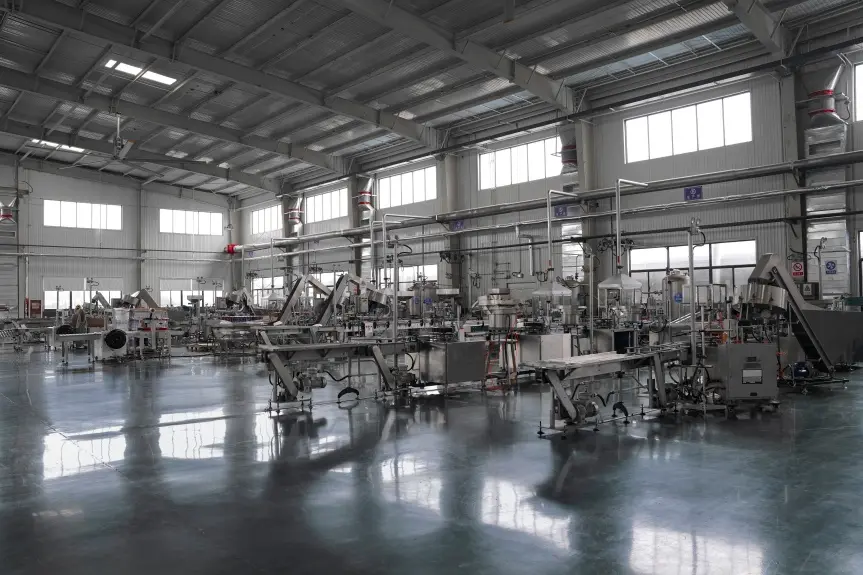
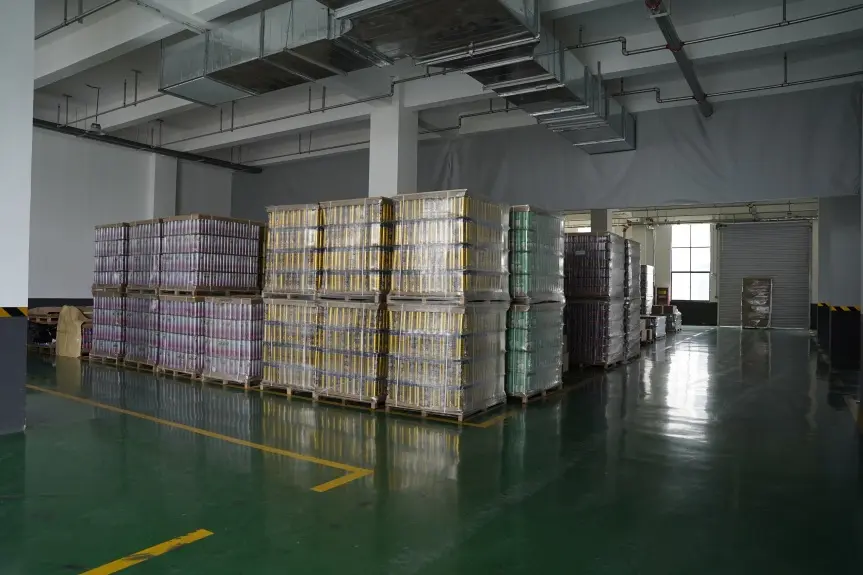
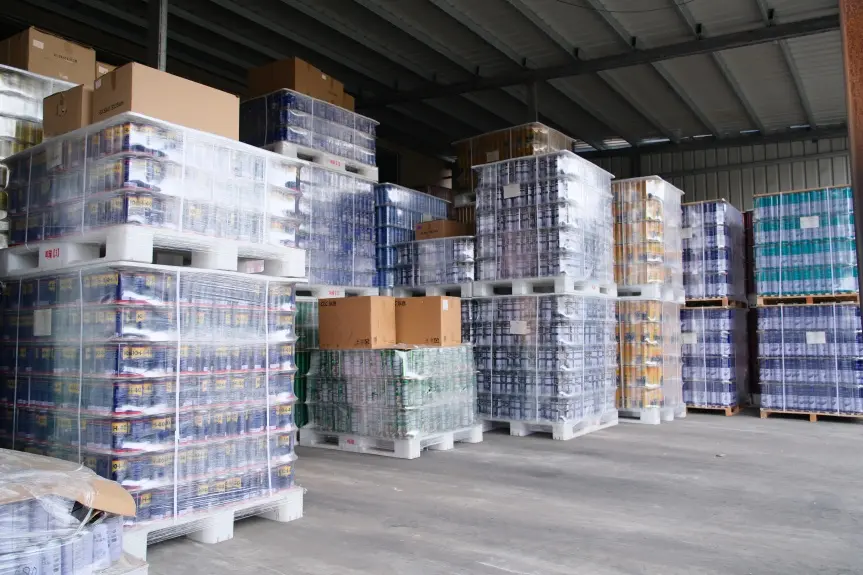

Certified capabilities matching global safety regulations, ensuring secure and predictable shipping of chemical goods.
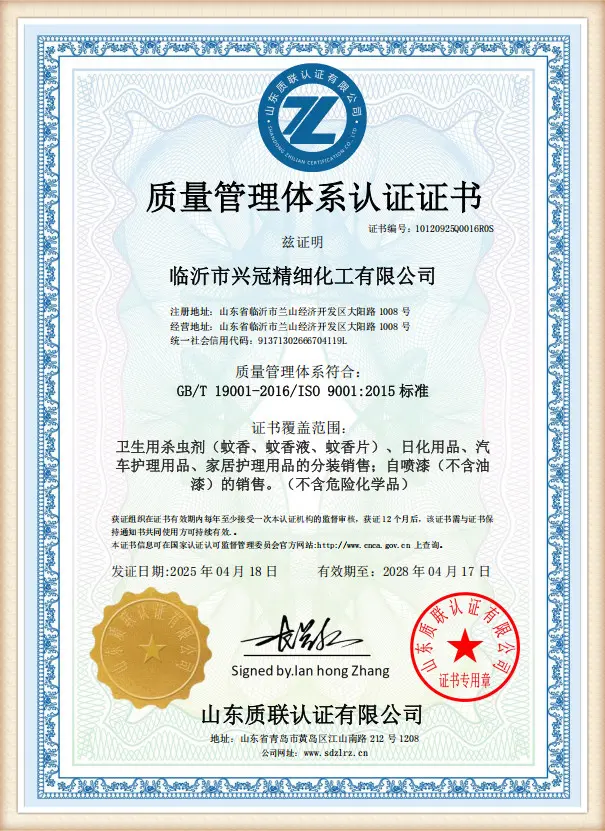
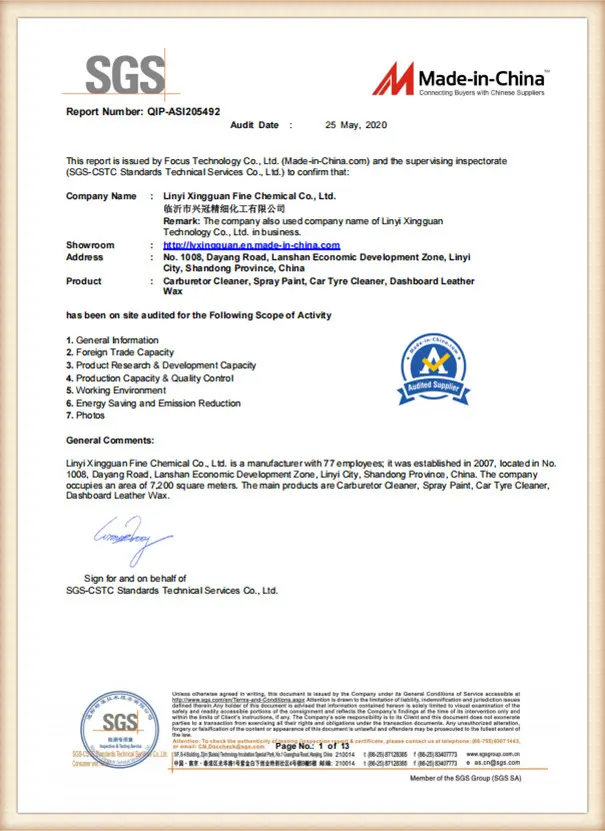
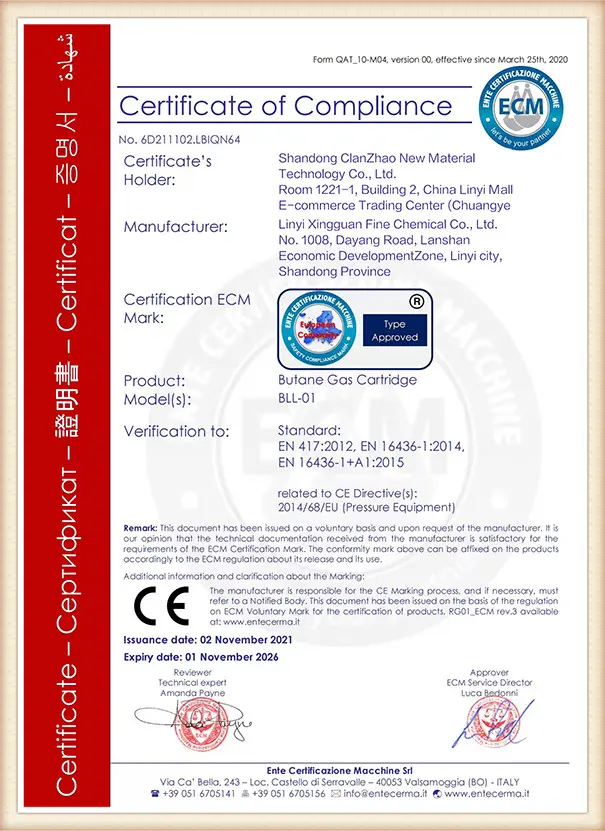
Direct insight into industrial pneumatic operations, chemical compatibility, and packaging criteria.
Explore our global portfolio of performance-optimized chemical sprays and maintenance consumables.
 ClanZhao