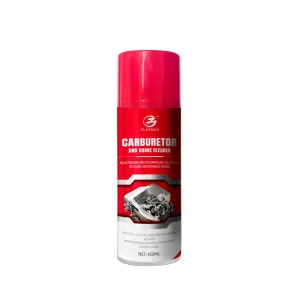
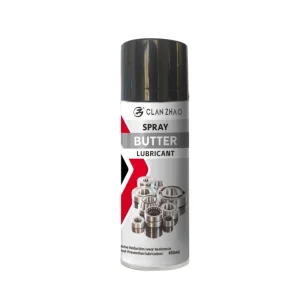
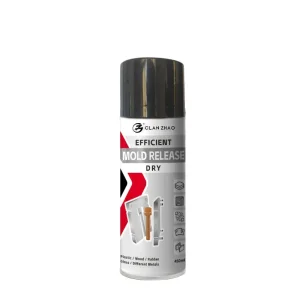
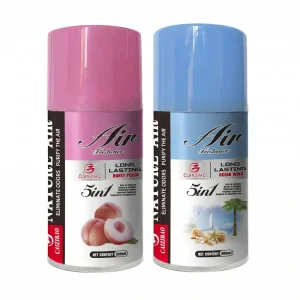
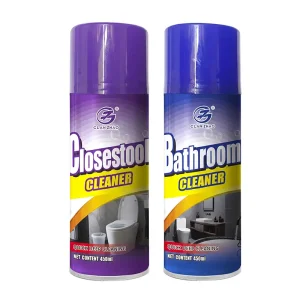
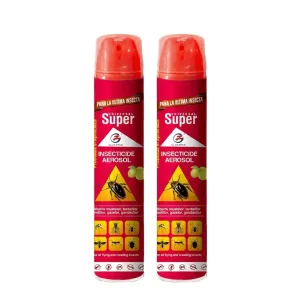
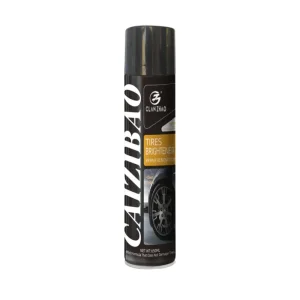
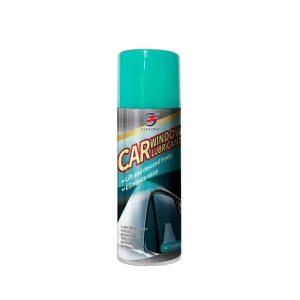
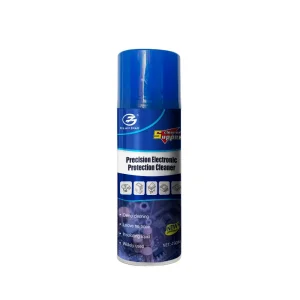
Engineered high-performance formulations developed under ISO 9001 quality guidelines, optimizing vehicular lifespan and operating efficiencies.
Shandong ClanZhao New Material Technology Co., Ltd. operates as the premier, specialized foreign trade subsidiary wholly owned by Linyi Xingguan Fine Chemical Co., Ltd. We maintain a hyper-focus on the high-end fine chemical sector, driving intensive research and development in premium aerosol products, large-scale production protocols, and compliant global cross-border export management.
By integrating industrial-scale precision filling capabilities with university-backed formulation R&D, we bridge the gap between chemical efficiency and ecological compliance. Our operations serve critical automotive, industrial, and consumer markets across Europe, the Americas, Asia-Pacific, and emerging manufacturing hubs.
The contemporary automotive aftermarket is undergoing a paradigm shift. Globally, vehicle lifespans have expanded, with the average age of light vehicles in operation reaching historic highs of 12.5 years in markets like the United States and similar projections in Western Europe. This demographic change of mechanical fleets drives an unprecedented demand for preventive, high-performance maintenance programs. Annual service intervals are no longer limited to routine oil replacements; they demand multi-layered maintenance protocols addressing combustion optimization, hydraulic system stability, friction management, and electronic integrity.
As an industry-leading OEM and exporter, we analyze these dynamics from a macro chemical perspective. Carbon deposition, metal corrosion, moisture degradation, and high-pressure wear are systemic issues that demand targeted aerosol delivery systems. The transition toward low-viscosity engine profiles, stringent VOC (Volatile Organic Compounds) regulations, and high-pressure direct injection (GDI) systems has reshaped formulation parameters. Modern car maintenance requires precise, target-specific aerosol technologies to prevent premature wear, maintain fuel economy standards, and sustain system emissions compliance.
Rising costs of new automotive platforms push enterprise fleet managers and individual end-users to adopt aggressive preventive maintenance schedules. The focus is to prolong structural integrity and mechanical efficiency, saving thousands in avoidable powertrain overhauls.
National regulatory agencies such as CARB (California Air Resources Board) and EU-REACH enforce strict limits on chlorinated solvents, aromatic hydrocarbons, and high-GWP propellants. Successful formulations must swap out ozone-depleting ingredients for bio-based esters and optimized HFC propellants.
Managing high-pressure aerosol compounds demands advanced containment logistics. Packaging safety, certified dangerous goods (DG) compliance, and standardized maritime transit container configurations are essential for continuous cross-border global trade.
As an OEM/ODM industry leader, Shandong ClanZhao (under Linyi Xingguan Fine Chemical) focuses on structural molecular design, active-ingredient blending, and propellant selection. The performance of a yearly car maintenance aerosol is defined by its ability to dissolve contaminants, provide micro-barrier films, or displace moisture in real-world environments.
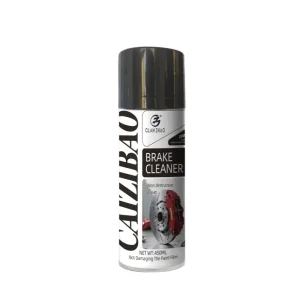
1. Industrial Parts & Brake Cleaners (Solvent-based cleaning): Using fast-evaporating, non-chlorinated aliphatic solvent blends designed to break down long-chain hydrocarbon greases. The spray pressure acts as a mechanical broom, leaving zero residue. This prevents component noise and slip during high-temperature operations.
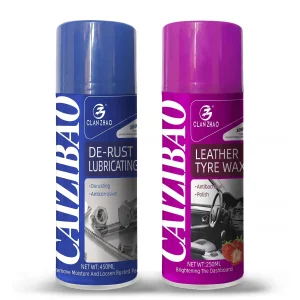
2. Multi-Purpose Penetrants & Derust Sprays: Incorporating ultra-low surface tension surfactants that penetrate micro-fractures in corroded metal lattices. The active capillary-action oil displaces water, dissolves iron oxide complexes, and leaves a high-dielectric rust-inhibiting film.
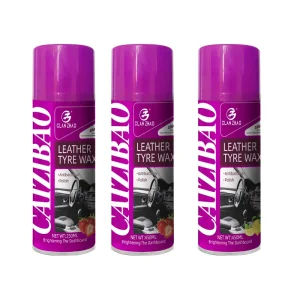
3. Advanced Protective Waxes & Silicones: Incorporating polydimethylsiloxane (PDMS) emulsions with UV absorbers to protect dashboard polymers and tire elastomers from photo-oxidation and atmospheric ozone cracks. These coatings resist water spotting and prevent environmental dust accumulation.
Environmental challenges vary across global territories. OEM yearly car maintenance formulations must adapt to localized environmental conditions:
The future of automotive maintenance chemicals lies at the intersection of environmental sustainability and molecular performance. Our R&D efforts are focused on three core technical pillars:
We are phasing out legacy LPG propellant blends in favor of compressed nitrogen (N2) and hydrofluoroolefins (HFOs). This transition lowers the carbon footprint of our aerosol products while maintaining steady discharge rates.
Our laboratory is engineering soy-derived and corn-derived esters to replace petroleum distillates. These renewable ingredients deliver comparable degreasing action while showing high biodegradability profiles.
Integrating boron nitride and nano-ceramic additives into our lubricant series. This creates a durable micro-barrier layer that reduces heat buildup, mechanical drag, and component wear under heavy loads.
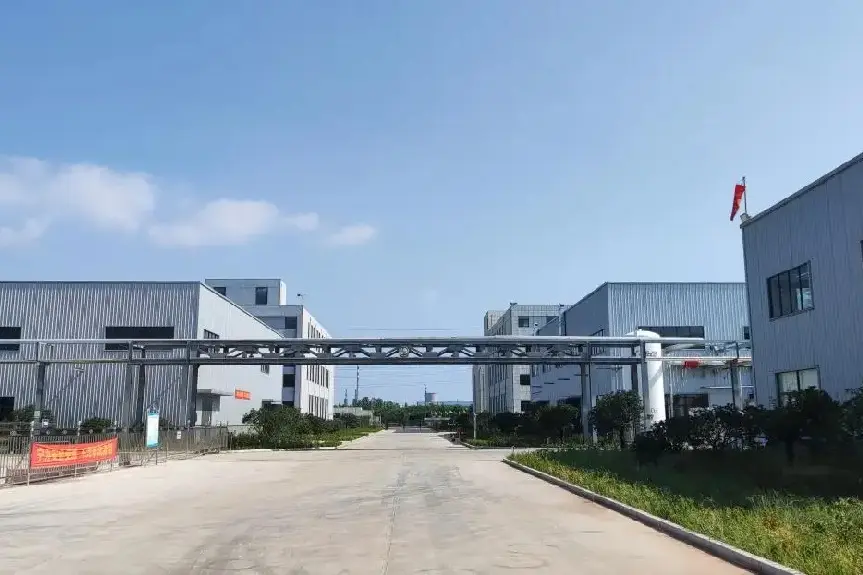
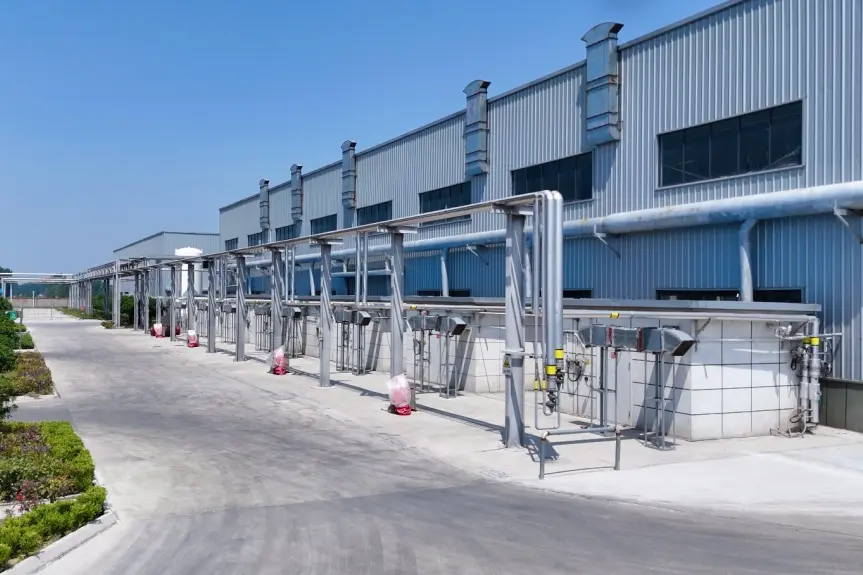
Operating a modern 100,000 m² industrial chemical park, matching the supply requirements of global retail brands and enterprise automotive distributors.
Relying on our parent company's nearly 20 years of experience in the fine chemical industry and a global distribution network, we manage robust manufacturing, logistics, and R&D programs. We partner with universities and professional chemical research institutions to establish joint R&D laboratories, continuously refining our formulations and introducing eco-friendly chemical products.
Our manufacturing base is equipped with 10 international-standard fully automated filling production lines and a complete range of precision quality control equipment. We enforce a standardized quality system that covers the entire process from raw chemical material storage, automated batching, and pressure testing, to final shipment inspection.
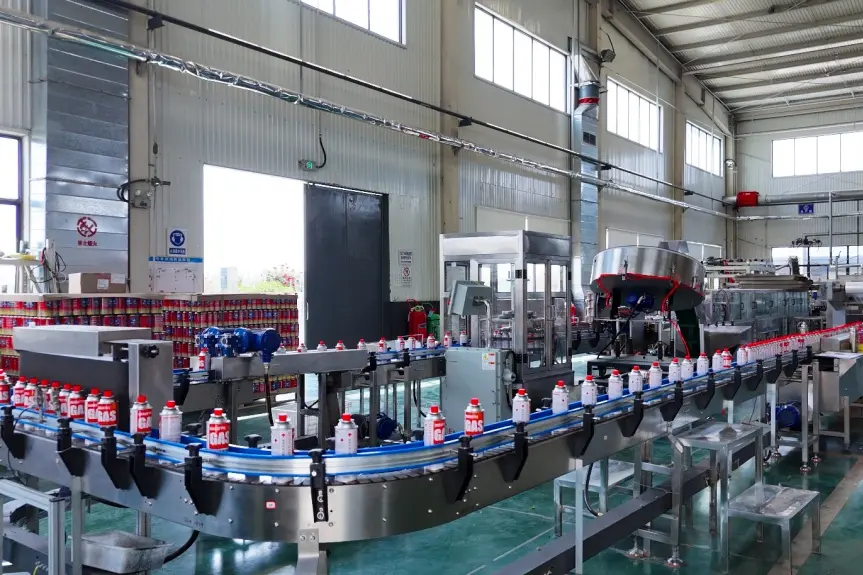
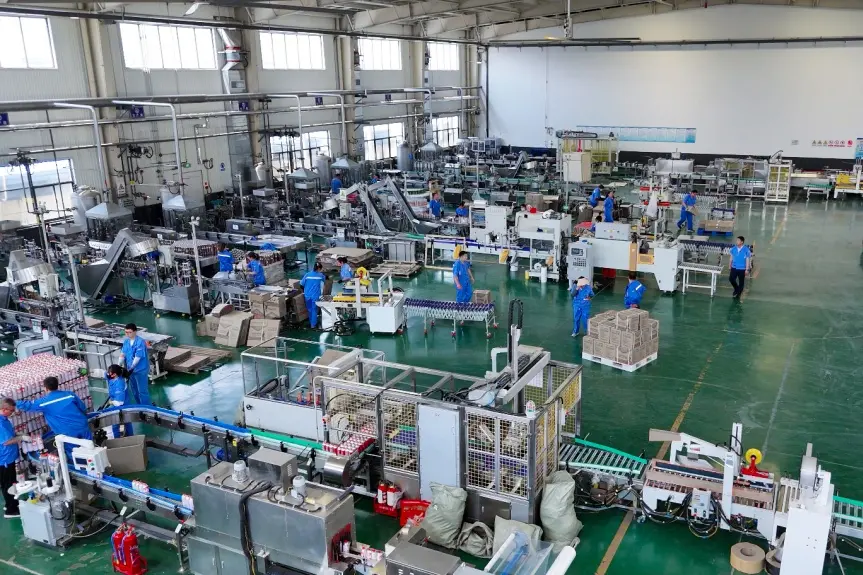
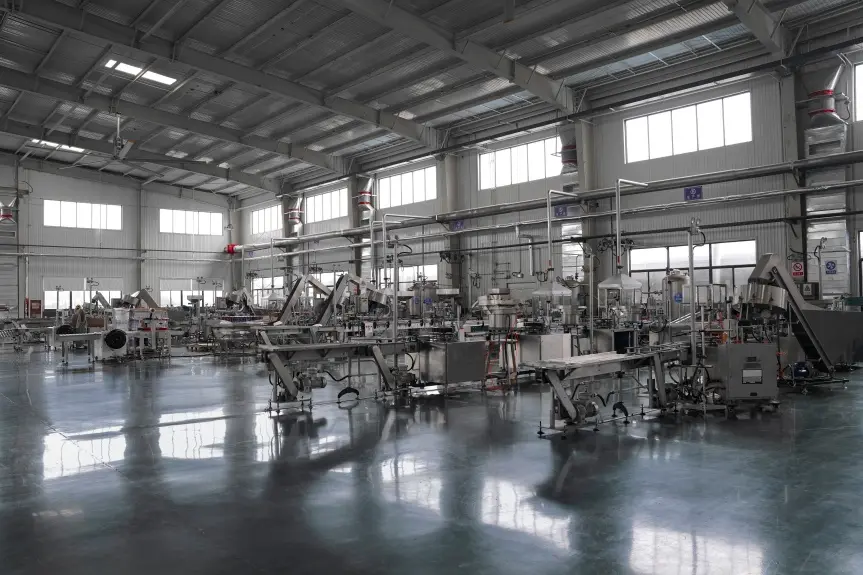
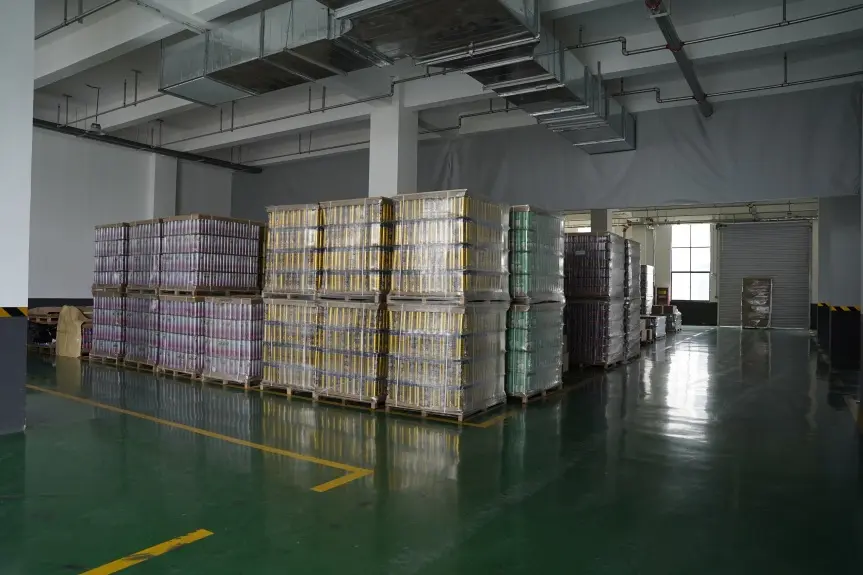
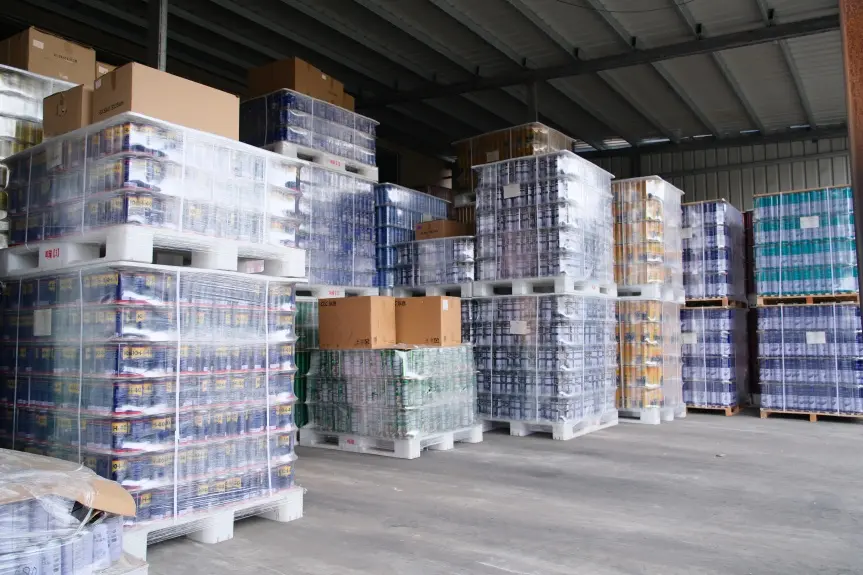
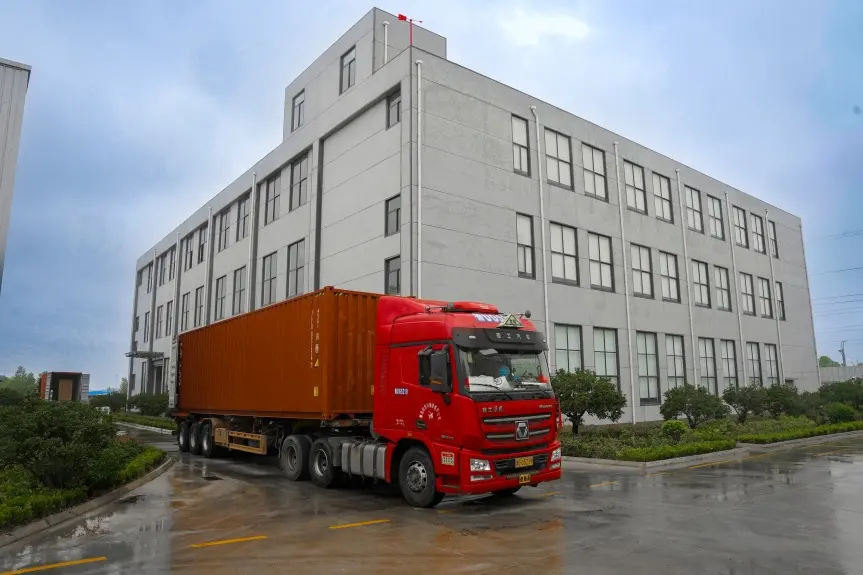
We offer adaptive, end-to-end OEM and ODM custom manufacturing services for distributors, retail chains, and automotive aftermarket brands worldwide.
1. Formulation Customization: Adjusting active ingredient concentrations, evaporation profiles, flashpoints, and ecological certifications to match regional market standards.
2. Can Size & Valve Engineering: Offering various tinplate and aluminum can profiles, complete with specialized high-delivery valves and 360-degree spray nozzles.
3. Private Label Design: Professional custom labeling design compliant with GHS, REACH, and local language regulations.
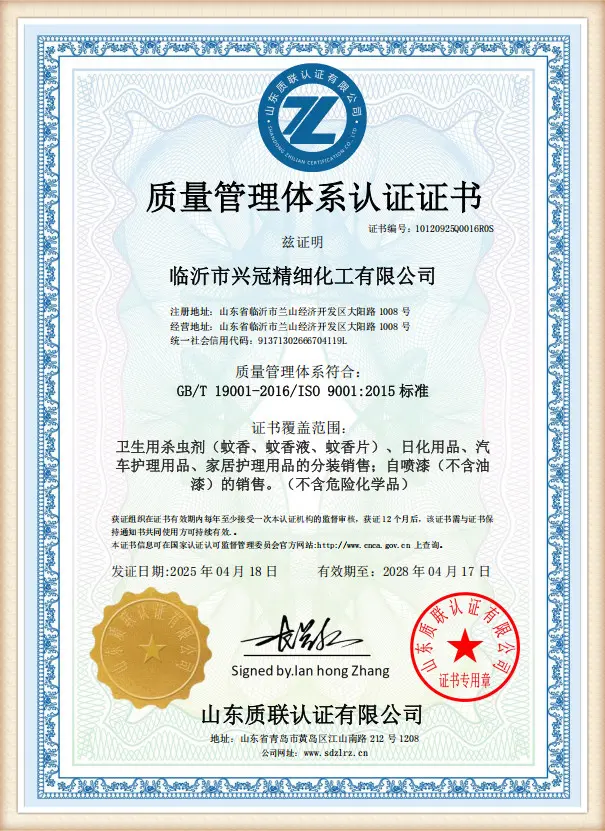
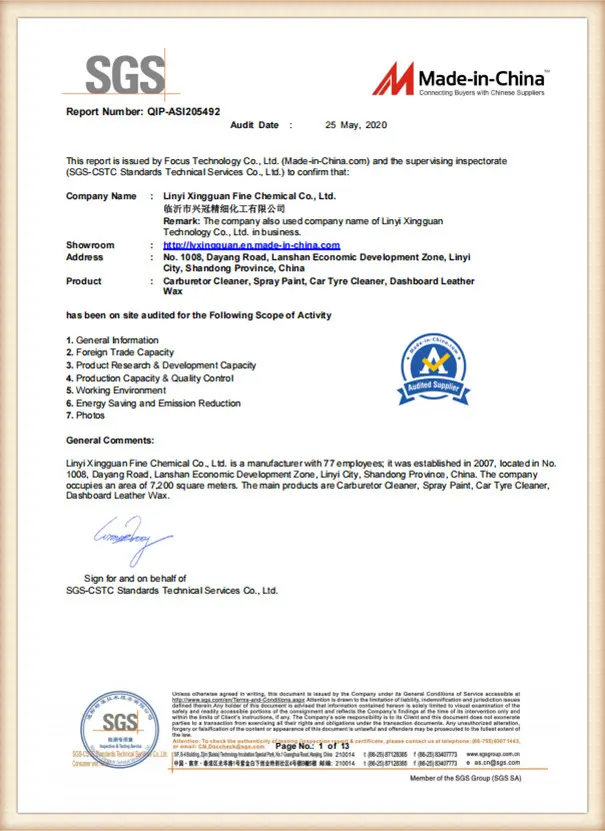
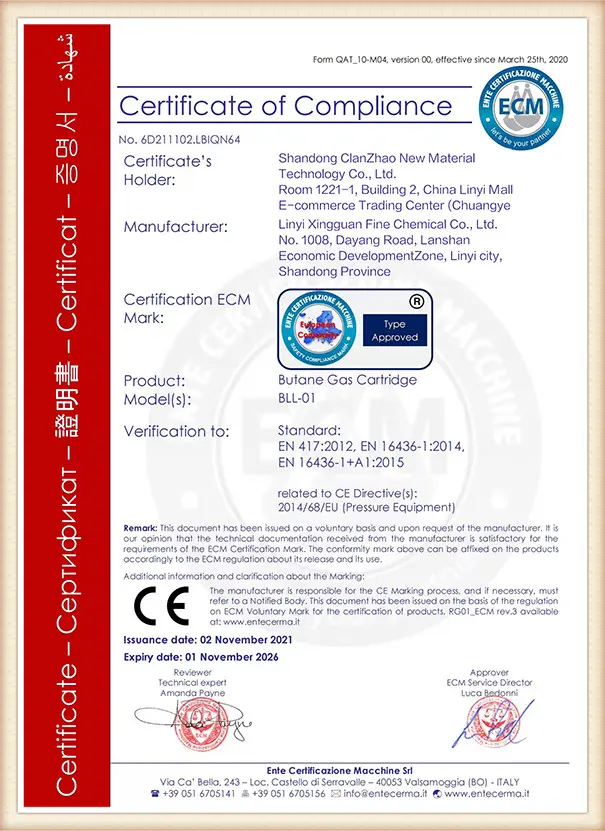
Our facility maintains ISO 9001 quality management system certification, official chemical manufacturing licenses, and specialized export packaging credentials for hazardous cargo.
We streamline automotive maintenance chemistry for global importers, automotive retail brands, and fleet managers.
Ensure supply chain security with high-speed manufacturing lines, competitive raw material costs, and comprehensive Dangerous Goods (DG) export clearance documentation.
Create shelf-ready, private-label aerosol products with customized premium packaging designs that match your brand identity and comply with local hazard regulations.
Access high-performance bulk chemical maintenance items, including rapid parts cleaners and high-pressure lubricants, designed for professional garage use.
Direct technical insights to guide your purchasing decisions and logistics setup.
High-performance formulations designed for deep engine, electrical system, and detailing applications.
 ClanZhao