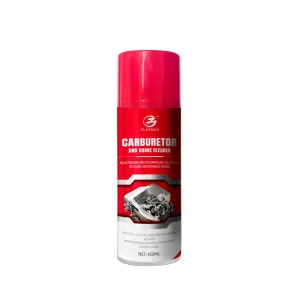
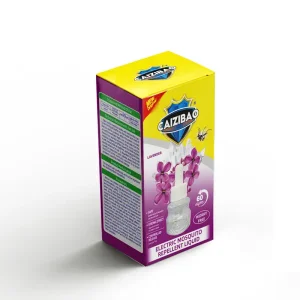
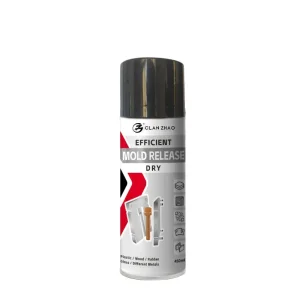
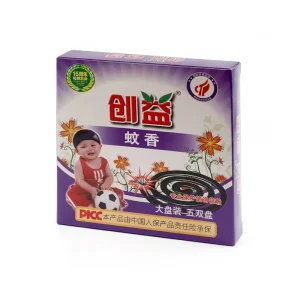
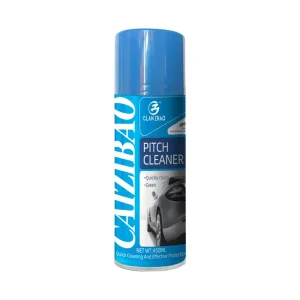
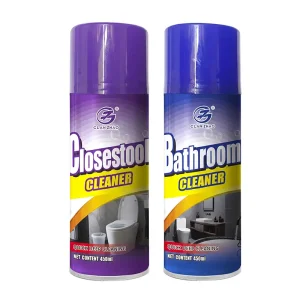
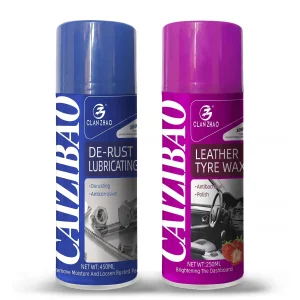
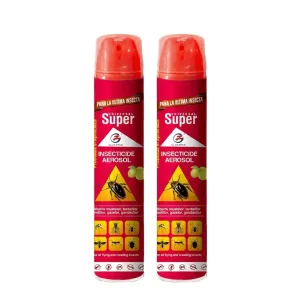
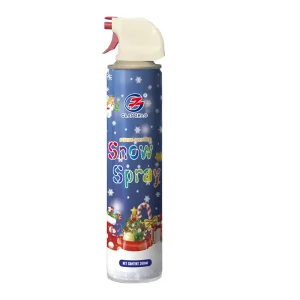
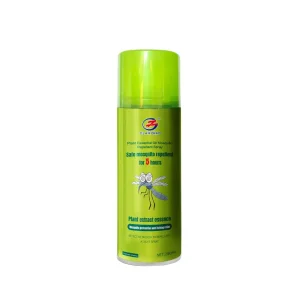
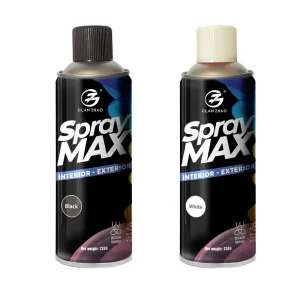
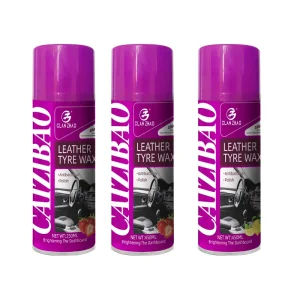
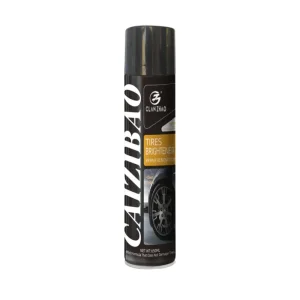
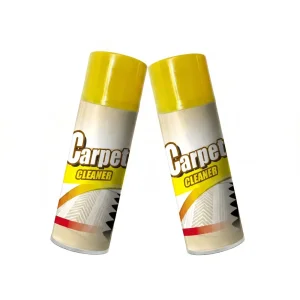
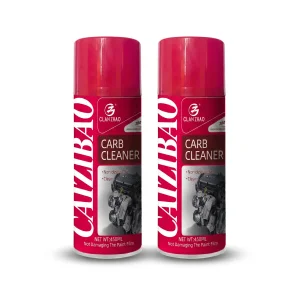
Explore our premium product line, from high-grade cleaning and maintenance formulations to precision automotive consumables.
Shandong ClanZhao New Material Technology Co., Ltd. is a specialized foreign trade subsidiary wholly-owned by Linyi Xingguan Fine Chemical Co., Ltd. We stand at the forefront of the high-end fine chemical industry, specializing in advanced aerosol products, large-scale production protocols, and global cross-border export business.
By leveraging almost two decades of research and chemical engineering experience, we bridges the gap between state-of-the-art environmental spray booth operations and high-purity industrial chemical components. Our target is clear: provide global importers with reliable, eco-friendly, and cost-efficient OEM and ODM manufacturing pipelines.
A deep analysis into thermodynamic requirements, airflow dynamics, global regulation, and material chemistry integration.
Industrial surface finishing has evolved from open-air, low-efficiency spraying to highly regulated, hermetically controlled micro-environments. Modern Paint Spray Booths represent a key cornerstone in manufacturing sectors—ranging from automotive assembly and aerospace refinishing to heavy machinery fabrications and precision electronic housings. As regulatory pressures surrounding Volatile Organic Compound (VOC) emissions intensify globally, the demand for highly optimized OEM spray booth designs has experienced a compound annual growth rate (CAGR) acceleration.
Industrial operators no longer view spray booths as mere enclosures. Today, they are critical thermodynamic reactors. They manage air intake filtration down to fractional-micron levels, maintain stable temperature and humidity curves necessary for high-solid and waterborne paints, and handle explosive vapors via ATEX-certified safety venting systems. Ensuring compatibility between these massive booth environments and the chemical properties of aerosol spray paints is critical for securing smooth, defect-free coatings.
SEO Insight & Information Gain: When sourcing OEM Paint Spray Booth solutions, buyers must align the structural airflow speed (ideally between 0.25 to 0.5 m/s) with the atomization performance of their chemical coatings to avoid "dry spray" phenomena or paint runs.
Three primary vectors define the current roadmap of industrial spray booth innovations:
Matching dynamic manufacturing facilities with advanced product delivery.
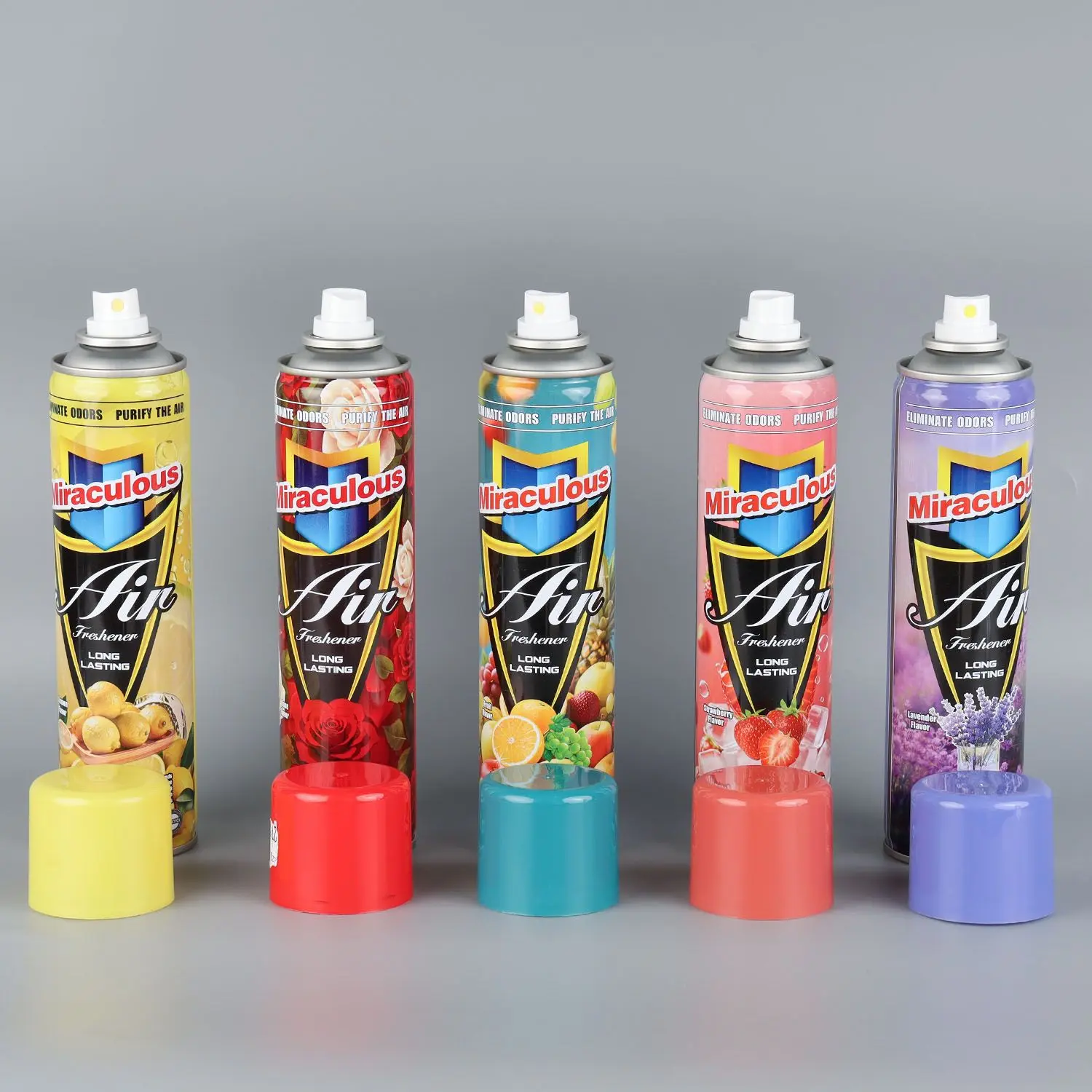
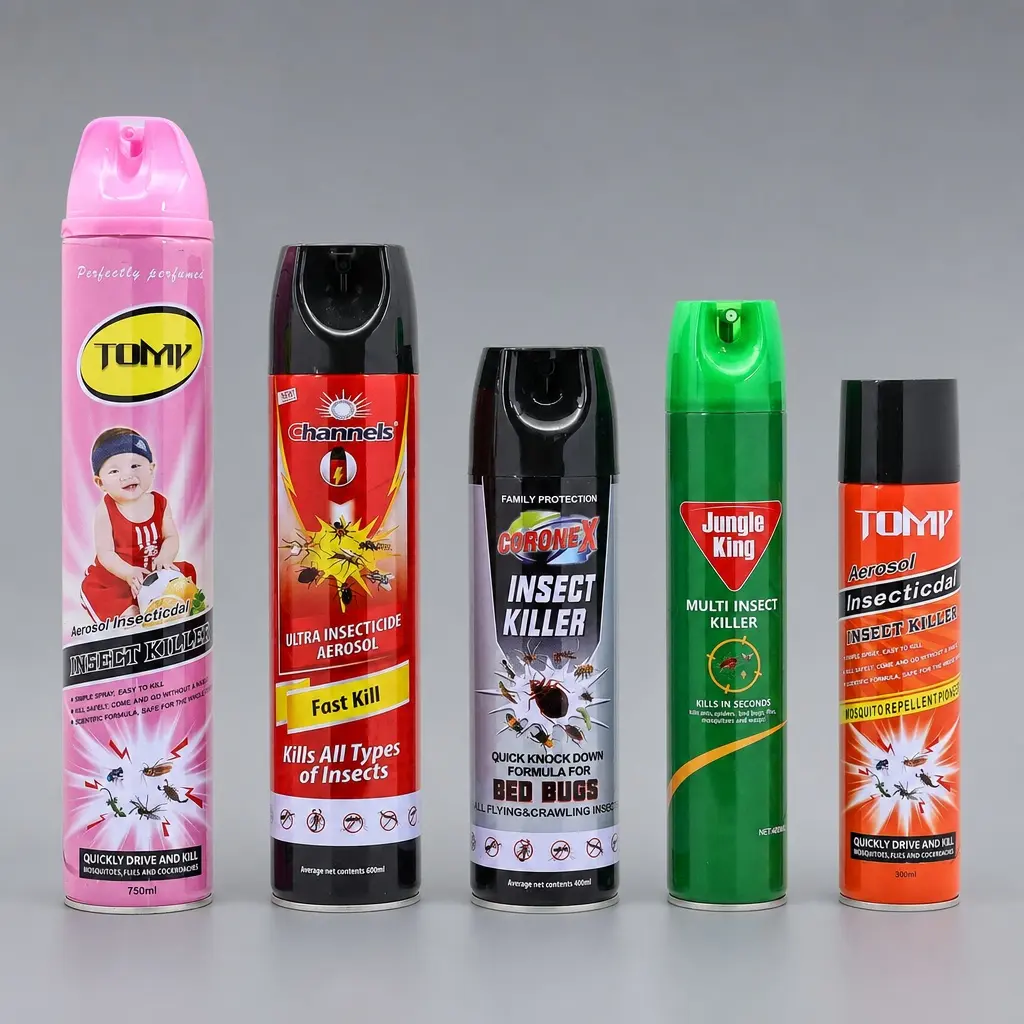
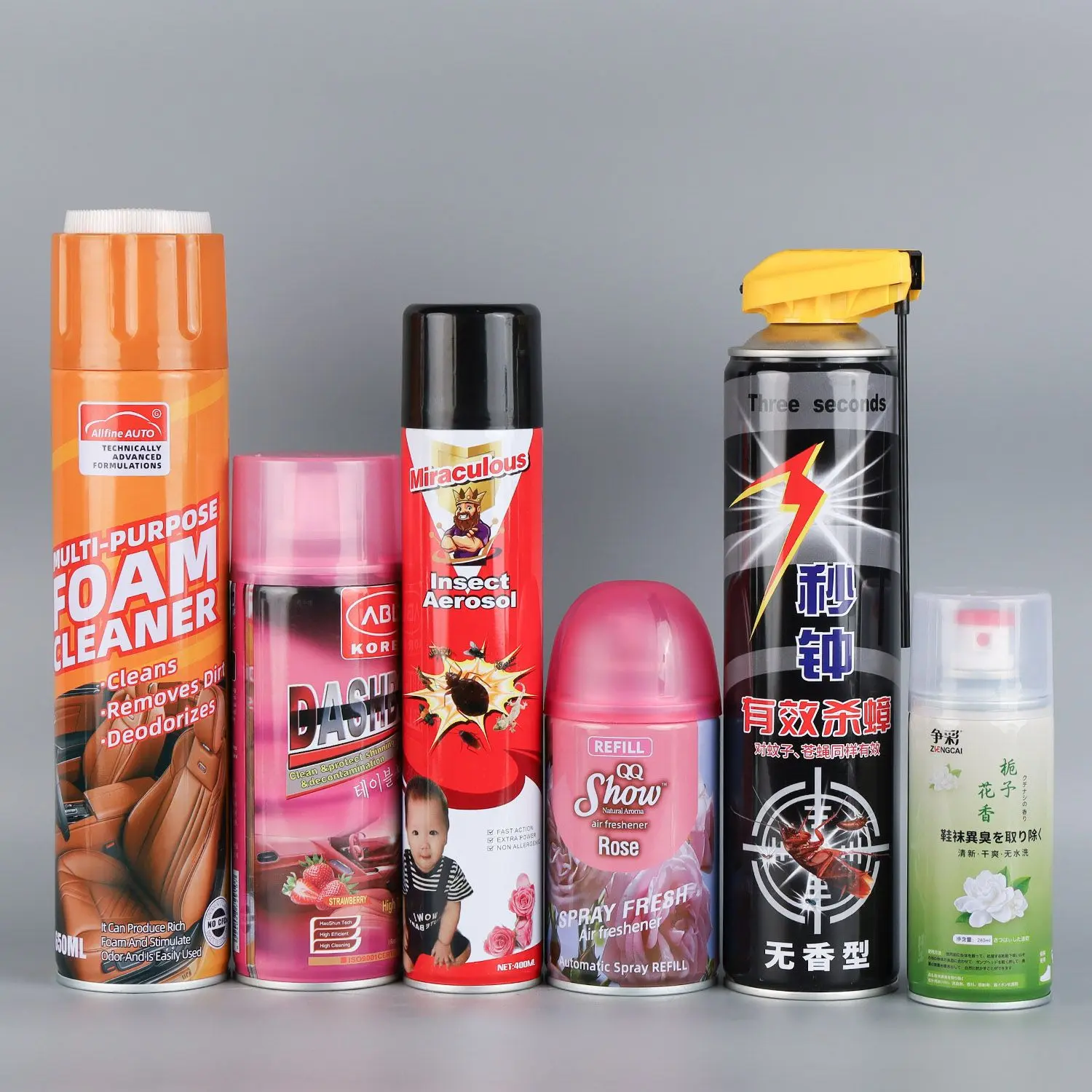
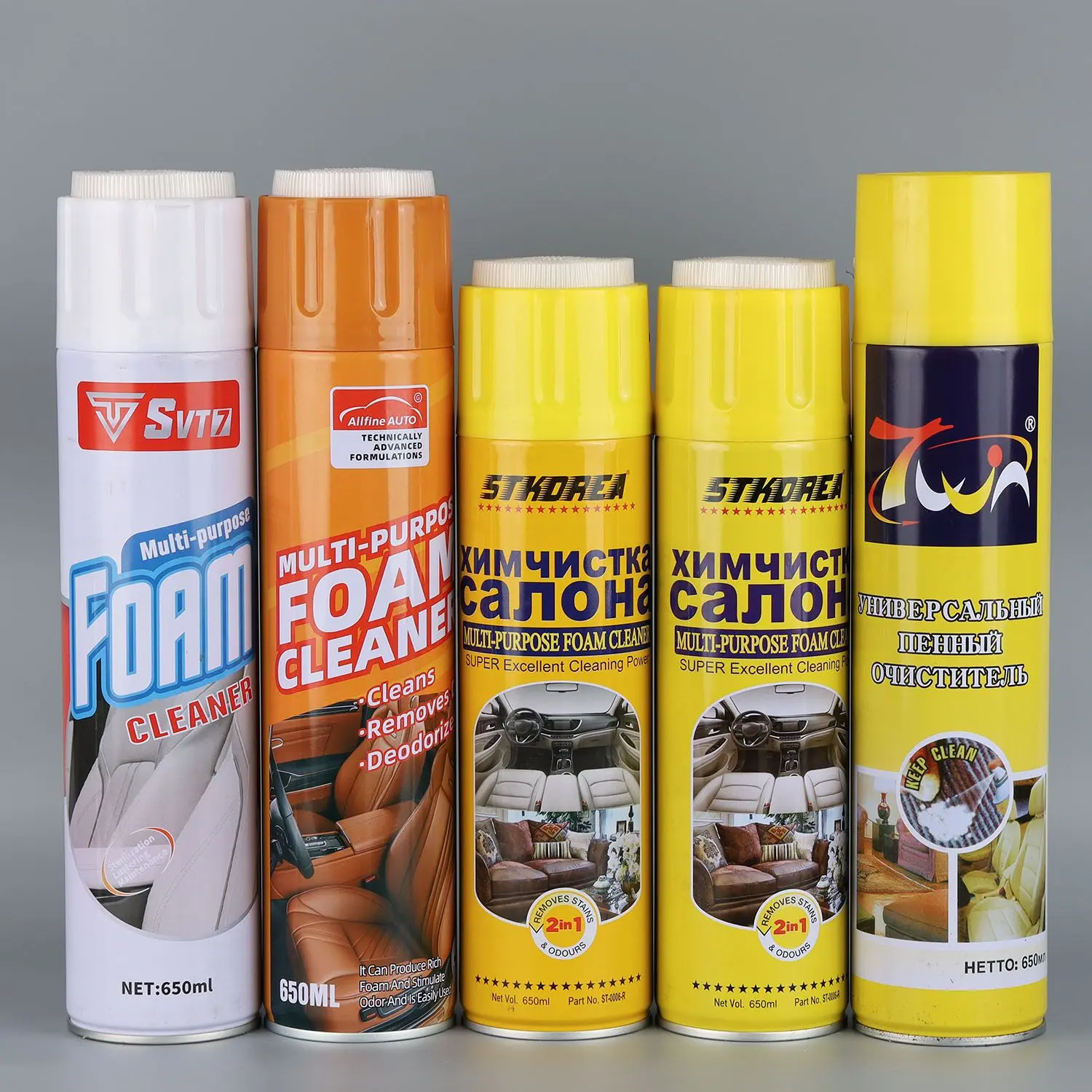
Understanding structural designs to optimize clean-room spray coating environments.
The premium airflow choice for critical finishes. Air is introduced through a fully filtered ceiling plenum and drawn straight down to exhaust pits underneath the work area, capturing overspray instantly and minimizing dust settlement.
Ideal for retrofitting warehouses without floor excavations. Air enters from the front ceiling/wall and exits through the rear wall, striking a perfect balance between engineering cost and particulate control.
Industrial applications with high paint volumes use water-curtain scrubbers to bind overspray, while standard and mobile operations rely on multi-stage synthetic dry filters for fast and cost-effective waste disposal.
From an exporter perspective, the logistics of industrial painting booths present unique challenges. Large dimensions require flat-rack or open-top container configurations, requiring durable components that resist moisture corrosion during ocean transit. Our experience at Shandong ClanZhao New Material Technology Co., Ltd. in hazardous chemical exports directly benefits our industrial spray booth clients. Whether exporting spray paints, solvents, or the hardware infrastructure itself, compliance with international customs regulations and maritime transport safety standards is strictly integrated into our workflow.
For large-scale paint spray booth operators, the chemical composition of the paint used is highly linked to the lifespan of the booth's internal components. Solvents that are too harsh can degrade the duct sealants and damage exhaust fan impellers. By utilizing premium spray paints that feature balanced carrier solvents, operators can prolong the operational life of their carbon exhaust systems and minimize sticky buildup in duct corridors.
Maintenance Synergy: Regular application of high-efficiency industrial parts cleaners helps remove accumulated grease, overspray, and sludge from booth mechanical joints, keeping dampers and fan systems operating at maximum aerodynamic efficiency.
Navigating global regulatory landscapes is vital for international spray booth installations. In North America, compliance with NFPA 33 standards and OSHA regulations governs safe operating distances, electrical classification (Class I, Division 1 areas), and air exchange calculations. Meanwhile, European installations mandate compliance with EN 13355 standards regarding safety requirements for combined booths.
Additionally, localized environmental restrictions require integrated VOC abatement technology. Facilities must pair their spray booths with either dry adsorption chambers containing activated carbon or advanced Regenerative Thermal Oxidizers (RTOs) that incinerate volatile emissions prior to atmospheric discharge. By optimizing the spray formulations themselves to have lower VOC concentrations, operators can dramatically lower the size and operating expenses of these exhaust purification systems.
100,000 square meters of production base, 10 automated lines, and joint research laboratories.
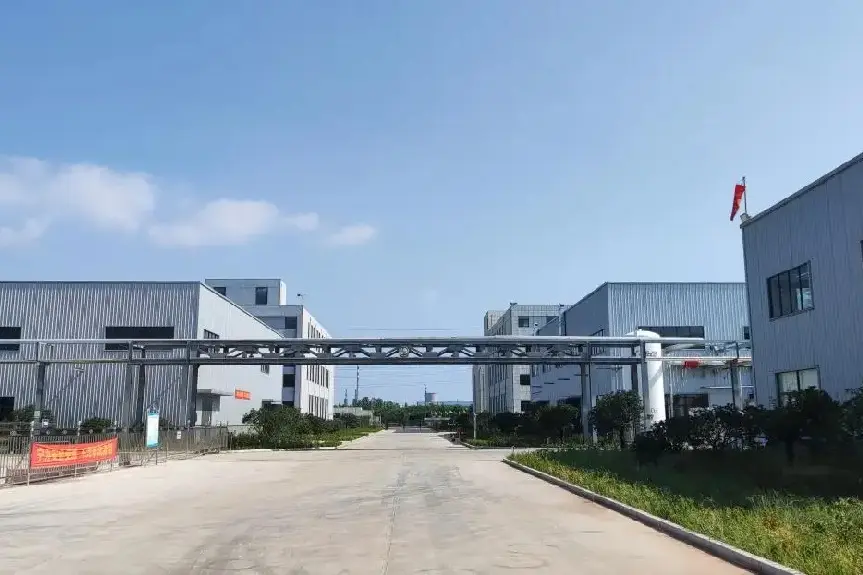
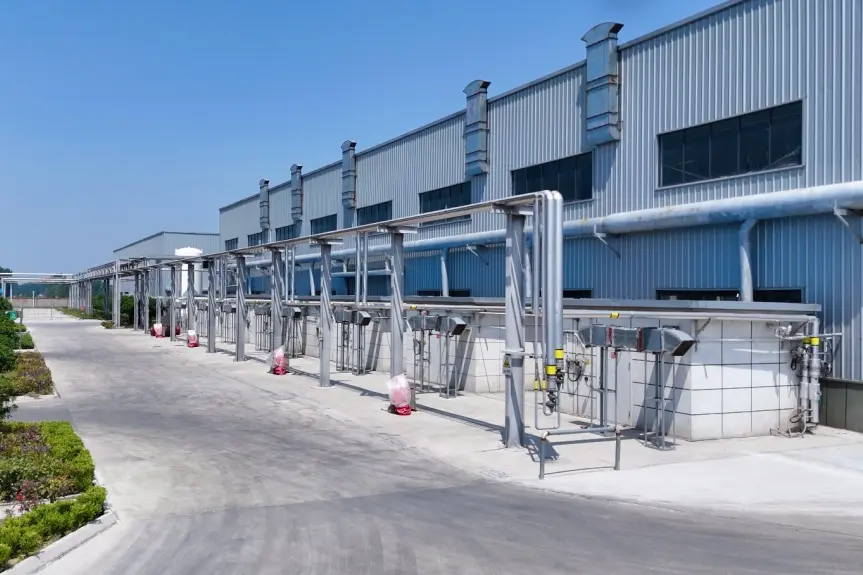
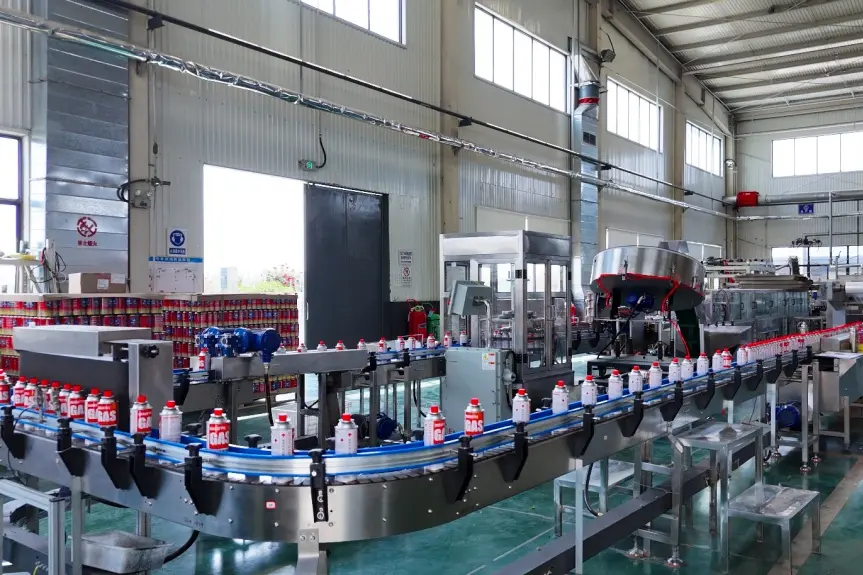
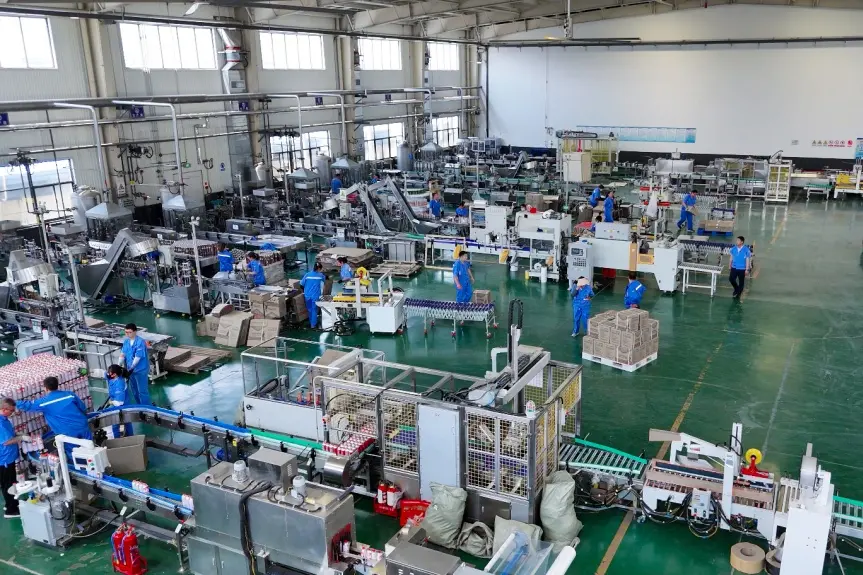
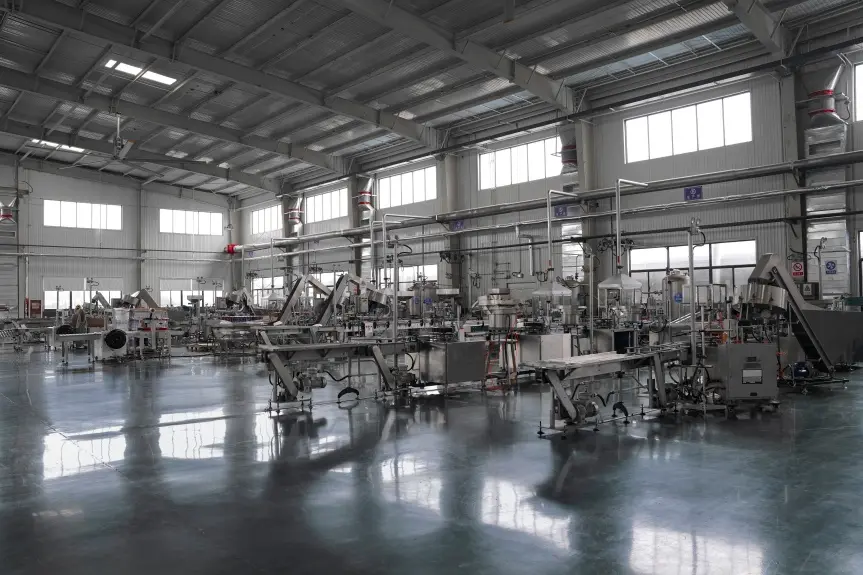
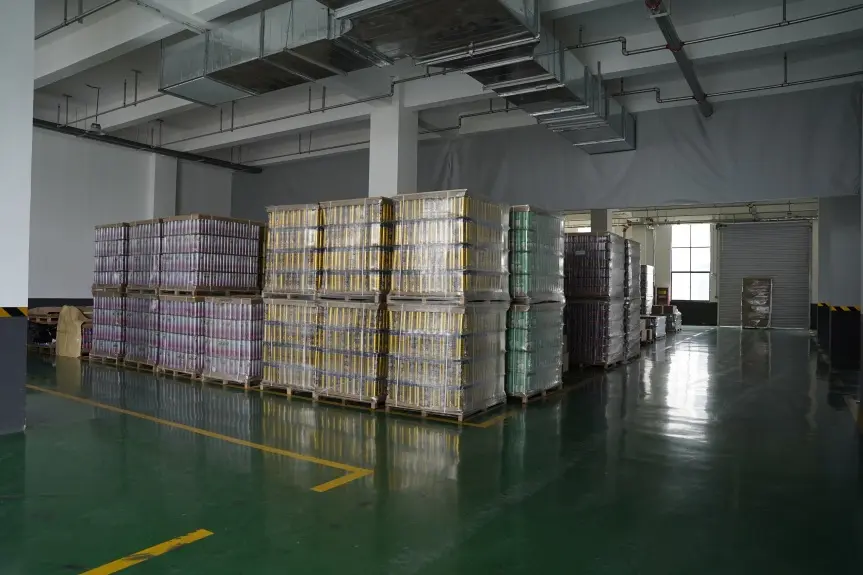
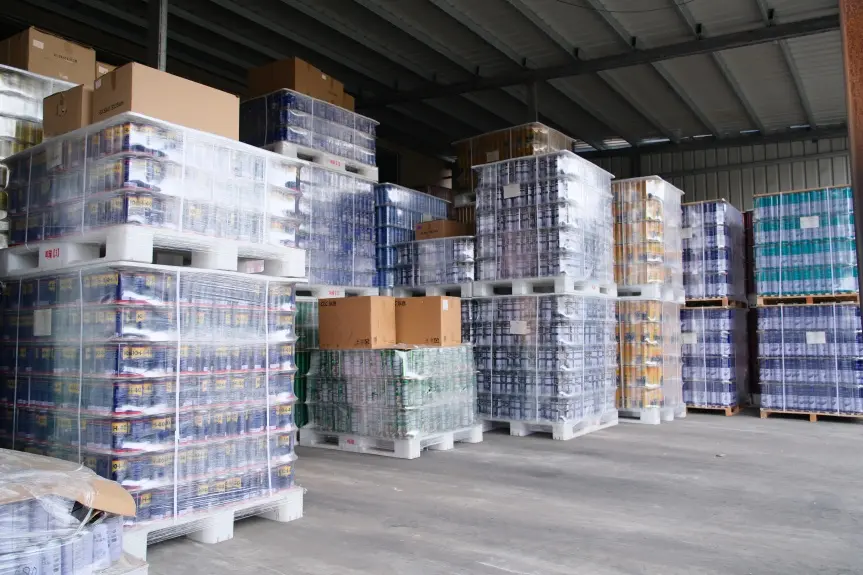
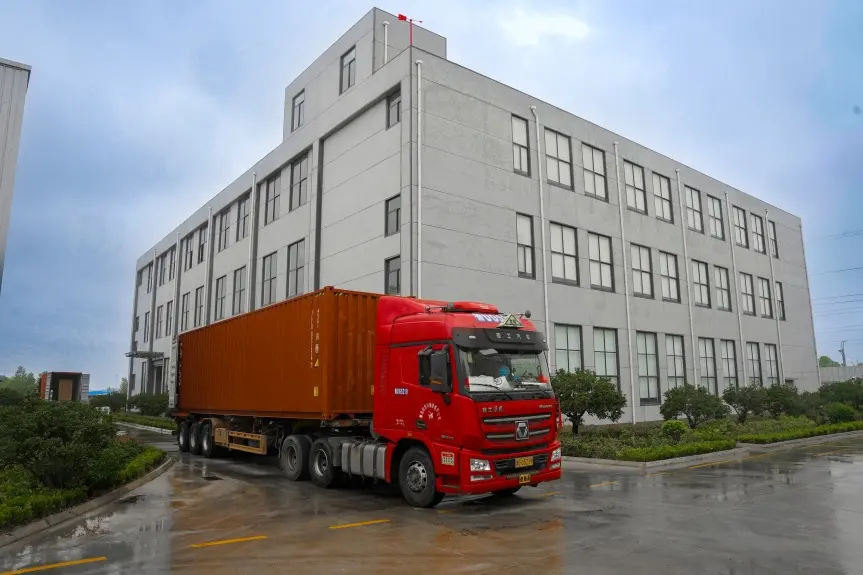
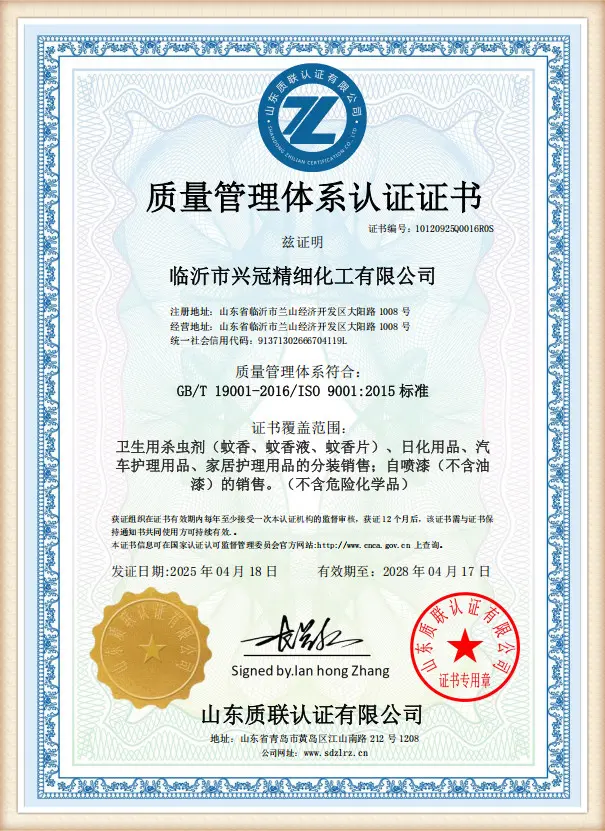
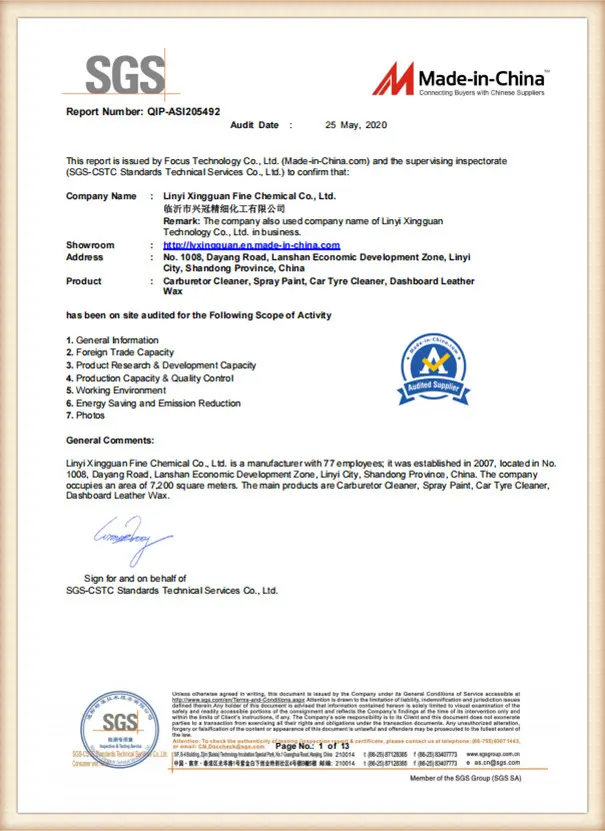
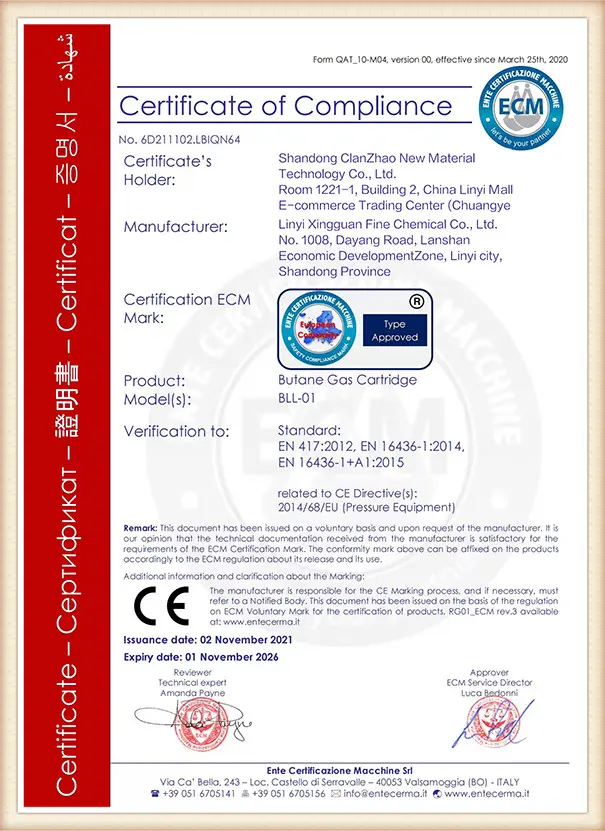
Our parent factory possesses formal chemical production licenses and holds special qualifications for exporting dangerous goods. With ISO9001 certification, every batch of chemical consumables and related equipment undergoes structural safety inspections, ensuring hassle-free clearance through international ports.
Crucial insights on technical configurations, maintenance cycles, and purchasing criteria for OEM paint spray booths and chemical systems.
For standard downdraft configurations, the optimal velocity is between 0.25 to 0.5 meters per second (50 to 100 feet per minute). This speed is sufficient to draw overspray downward away from the operator and work surface without causing turbulence that can trigger paint imperfections like dry spray or lint settlement.
Downdraft systems provide the highest finishing quality by pulling air downward, minimizing dust settling. However, they require concrete floor pits or raised basement structures. Crossdraft systems draw air horizontally across the object. While easier and cheaper to install, they increase the risk of air turbulence and overspray landing on already painted downstream parts.
Pre-filters (cardboard or poly-mesh) should be changed every 100 operating hours. Ceiling diffusion filters need replacing every 1,000 hours to maintain uniform airflow. Fiberglass exhaust filters or paper filter pads must be monitored via differential pressure gauges and typically swapped every 50 to 100 operating hours to prevent pressure buildup and back-drafting.
High-solvent paint formulations create aggressive chemical vapors. If the booth's exhaust fans and interior seals are not constructed with chemical-resistant elastomers and non-sparking aluminum blades, these vapors will cause premature deterioration of duct coatings and structural seals, leading to hazardous leaks.
Exporters must ensure compliance with international codes like NFPA 33 (United States), EN 13355 (Europe), and ATEX directives for electrical items inside hazardous areas. Motors, lights, and switches located inside or near the exhaust plenum must be rated for explosion protection (Class I, Division 1 or Zone 1 environments).
Quality-assured export materials, personal care chemistry, and premium aerosol lines.
 ClanZhao