Pioneering aerosol manufacturing technology matching global compliance and high-performance requirements
The transition toward high-durability polymers and strict environmental standardizations in global procurement
Industrial and commercial landscapes demand textile coating materials capable of withstanding extreme environmental degradation. Outdoor fabric spray paints are no longer viewed merely as aesthetic color restorers; they have transitioned into crucial functional protective barriers.
Large-scale commercial buyers, including global hotel chains, cruise ship operators, automotive customizers, and outdoor furniture OEMs, prioritize structural lifespan over low-grade pigment mixtures. Global exposure to UV radiation, acidic rain precipitation, and coastal saltwater mist degrades synthetic woven fibers such as polyester, acrylic, and olefin. Without a high-performance elastomeric protective coating, material failure occurs through polymer chain breakdown.
Consequently, global sourcing managers direct their procurement pipelines towards verified aerosol manufacturers possessing state-of-the-art chemical blending bases, high-performance R&D laboratories, and robust compliance profiles to guarantee smooth custom clearances and consistent market reputation.
Behind the chemistry: engineering high-performance fabric colorants and hydrophobic agents
To achieve color permanence and physical elasticity on highly hydrophobic synthetic fibers, the coating chemical formulation must employ specialized polymeric matrices. Standard aerosol acrylic spray paints fail on outdoor fabrics because they dry into a rigid, non-flexible crystalline state, resulting in micro-cracks when the fabric is bent or subjected to weight. High-performance OEM outdoor fabric spray paints utilize elastomeric polymer formulations engineered for textile interfaces.
| Polymer Chemistry Base | Flexibility Profile | UV Stability Rating (QUV Test) | Tactile Hand-Feel Index | Primary Application Area |
|---|---|---|---|---|
| Elastomeric Polyurethane (PU) Dispersion | Excellent (High Elastic Recovery) | Very High (Stable up to 1000 hrs) | Soft & Natural Textile Texture | Marine cushions, patio umbrellas, heavy canvases |
| Modified Flexible Acrylic Copolymer | Good (Medium Elasticity) | High (Stable up to 800 hrs) | Medium Stiffness | Awnings, structural shade sails, non-contact surfaces |
| Fluoropolymer-Modified Hybrid Silane | Superior (High Tension Recovery) | Excellent (Stable up to 1500 hrs) | Soft (Creates Micro-Nanostructure) | Luxury commercial furniture, yacht interior/exterior |
1. HALS (Hindered Amine Light Stabilizers): These chemical additives capture free radicals induced by ultraviolet radiation. Instead of allowing the polymer chains to fracture, the HALS compounds dissipate the thermal energy, preventing fading, discoloration, and structural disintegration of the paint and the underlying fabric substrate.
2. Nanoparticle Pigment Dispersions: Standard pigment particles sit on top of the fabric fibers, acting as an abrasive layer. Our formulations use nano-pigments that lodge inside the microscopic interstitial spaces of the woven yarn, yielding vibrant color depth without making the material stiff.
3. Waterproofing Fluorocarbon Agents: Integrated directly into the paint formulation, these agents migrate to the surface as the paint cures, forming a low surface-energy layer that repels water molecules, oils, and general stains (hydrophobic and oleophobic action).
A specialized foreign trade subsidiary wholly-owned by Linyi Xingguan Fine Chemical Co., Ltd.
Focusing on the high-end fine chemical industry, specializing in the research and development of aerosol products, large-scale production, and global cross-border export business.
Through close collaboration with several renowned universities and professional research institutions, we have established joint R&D laboratories. These partnerships continuously iterate on formula processes, introducing next-generation eco-friendly chemical products to the global market.
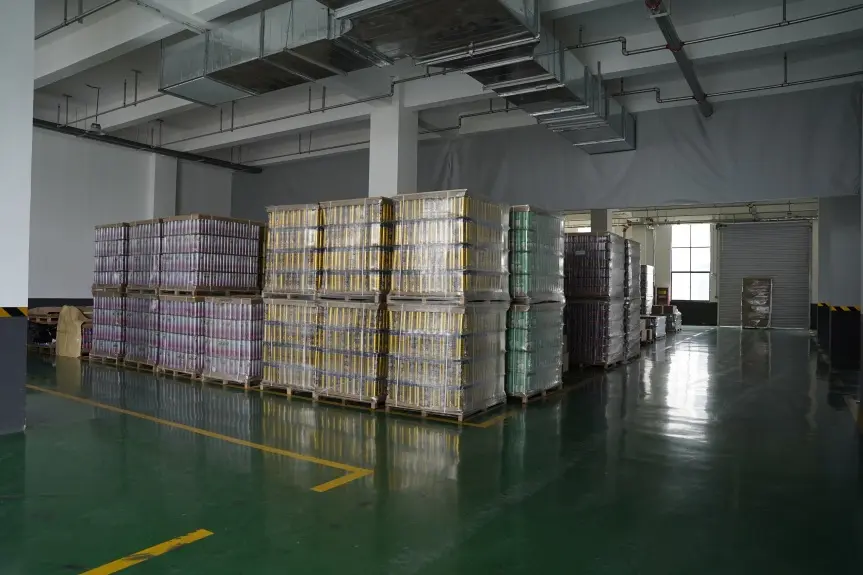
We maintain rigorous quality control systems covering raw material sourcing, automated filling, batch testing, and dangerous goods packaging compliance. This guarantees consistent delivery of orders for global customers under strict global compliance.
Comprehensive aerosol solutions matching diverse industrial, household, and automotive needs
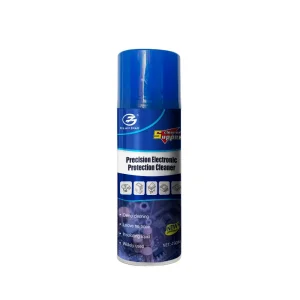
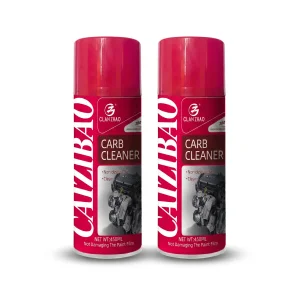
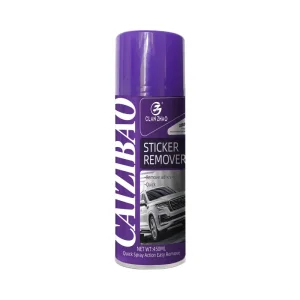
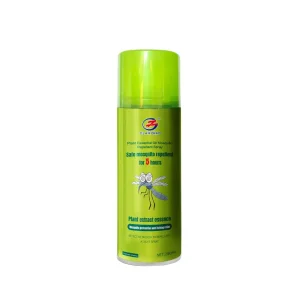
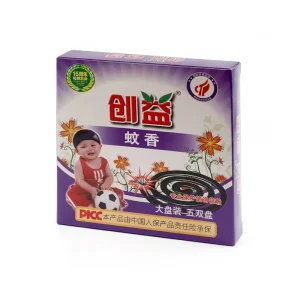
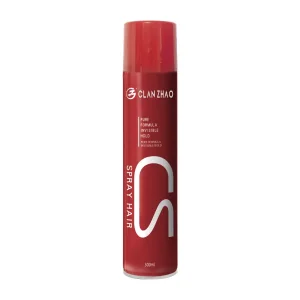
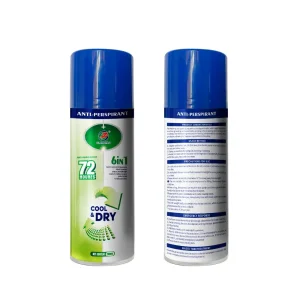
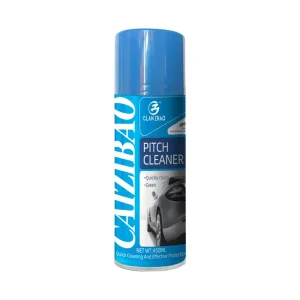
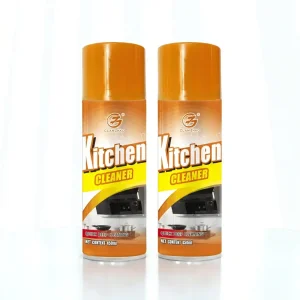
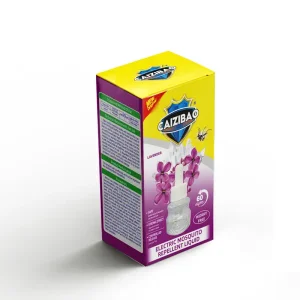
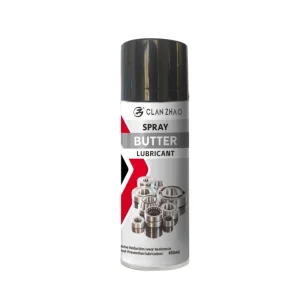
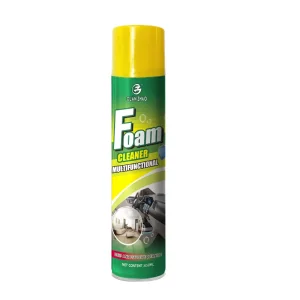
Our company boasts a comprehensive product matrix layout, with core categories spanning eight series: insecticidal aerosols, portable butane gas cylinders, automotive maintenance consumables, household daily chemical products, personal care products, pet cleaning agents, industrial specialized consumables, and foam sealants. Additionally, we offer one-stop, highly adaptable OEM/ODM custom manufacturing services to customers worldwide, deeply matching their differentiated branding and production needs.
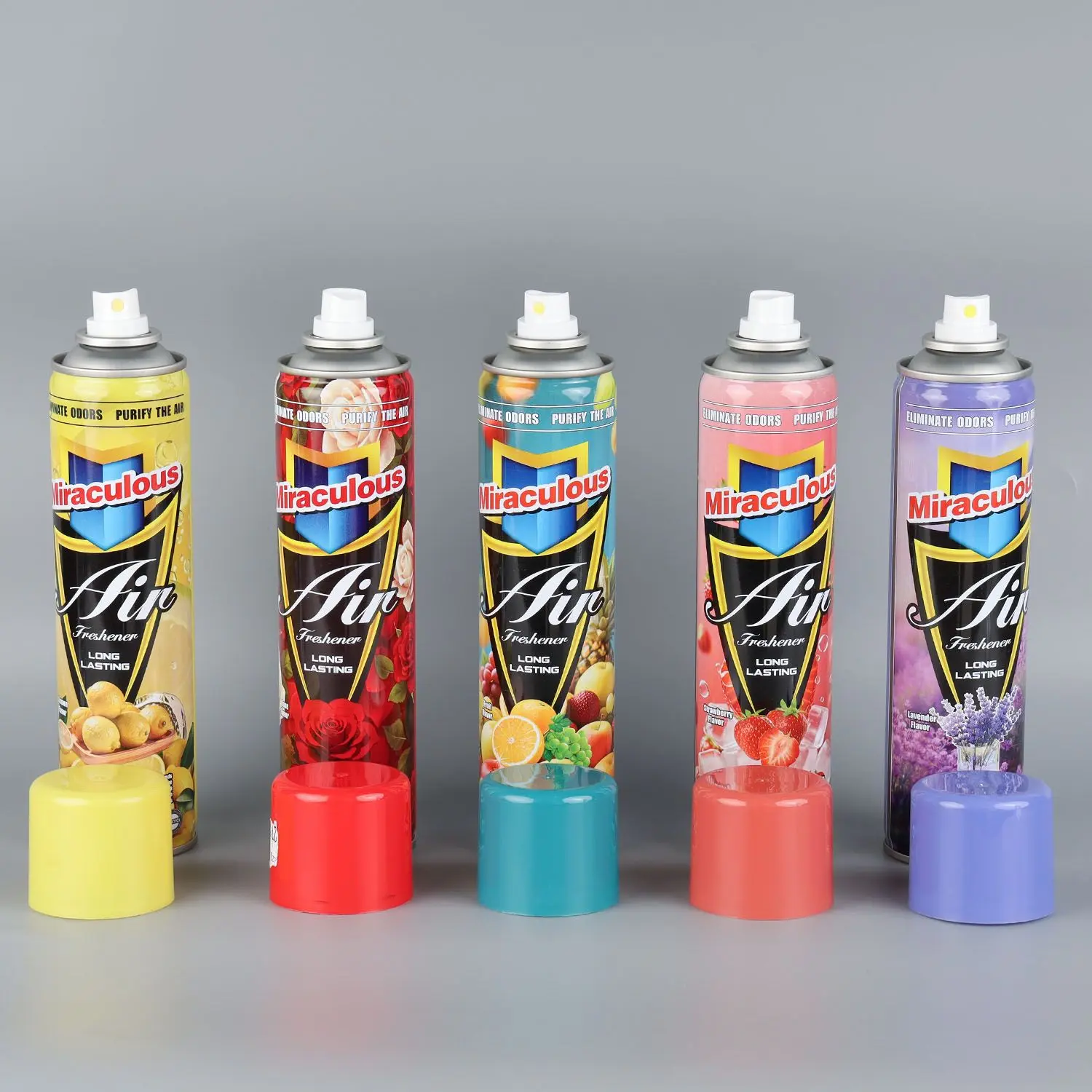
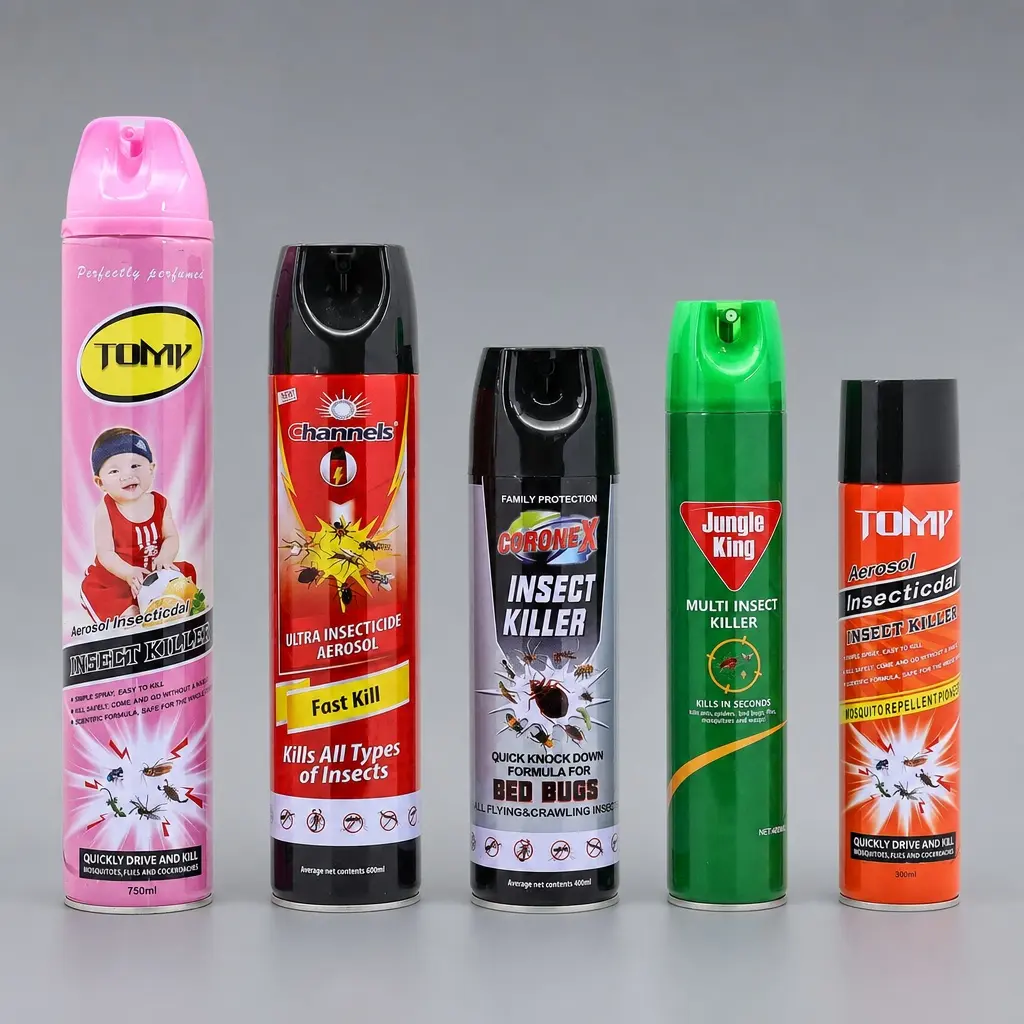
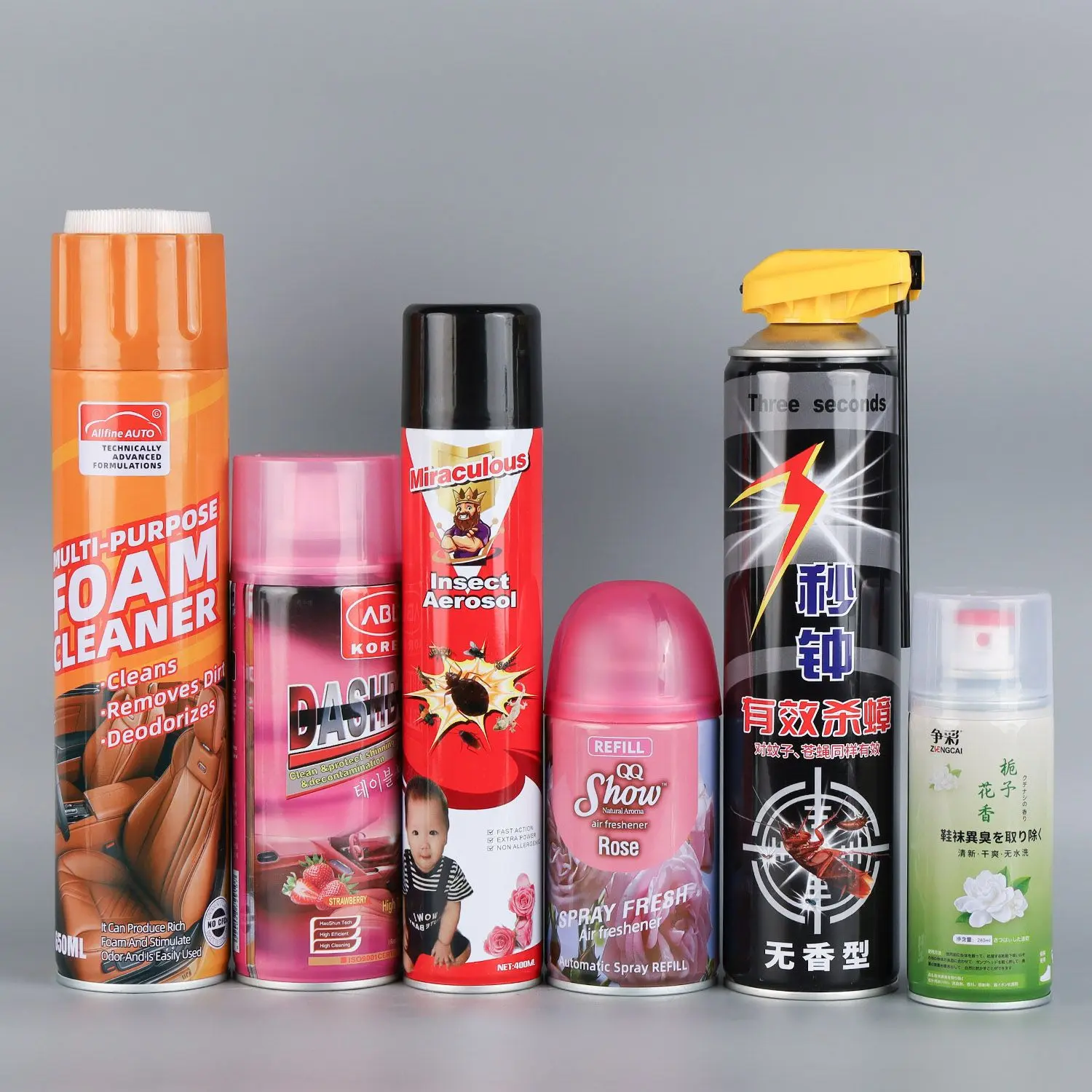
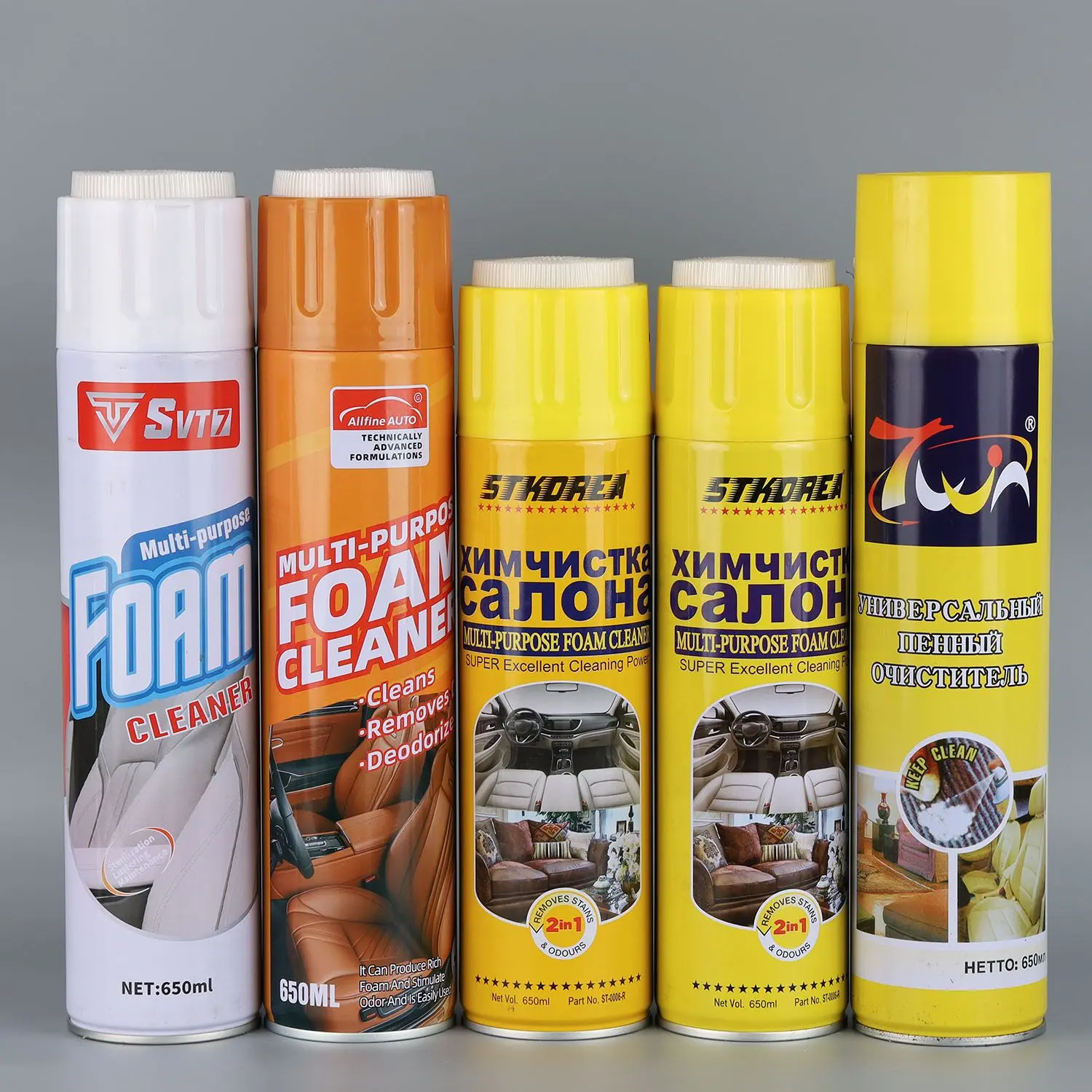
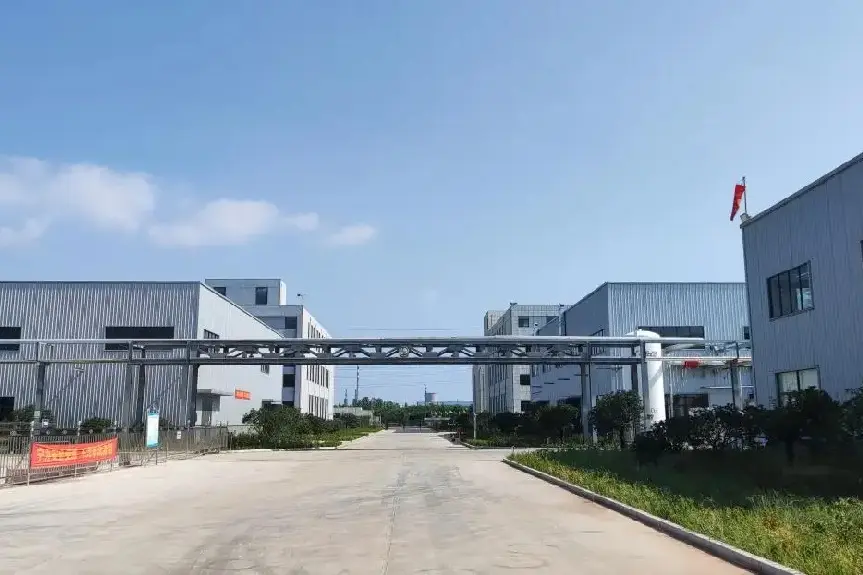
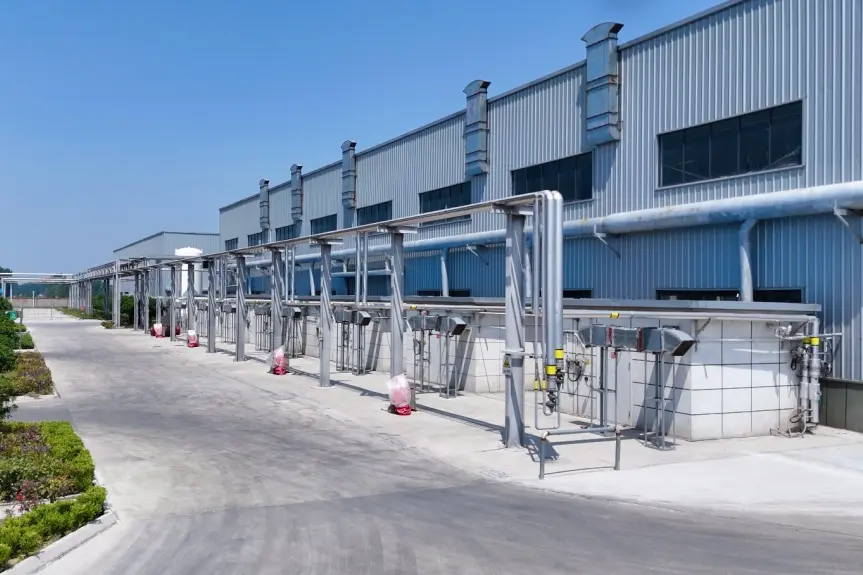
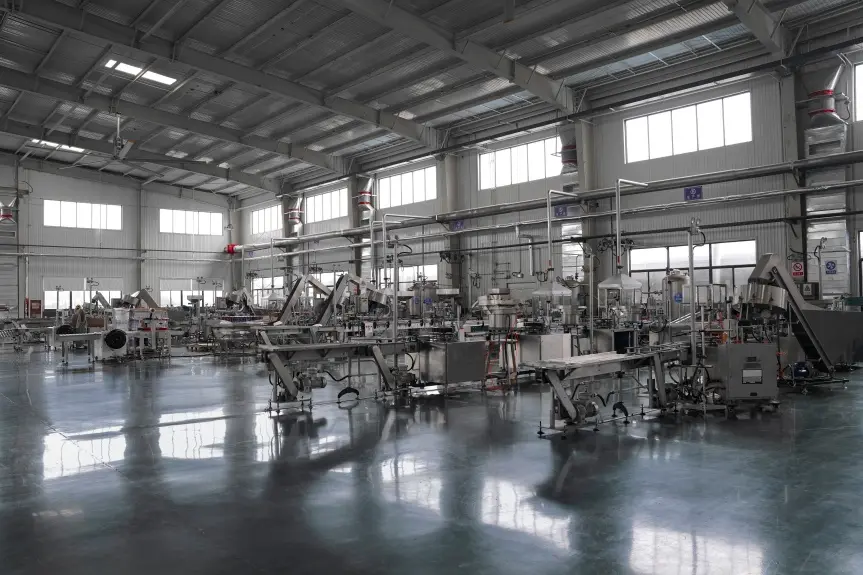
100,000 square meters of production excellence and state-of-the-art precision filling systems
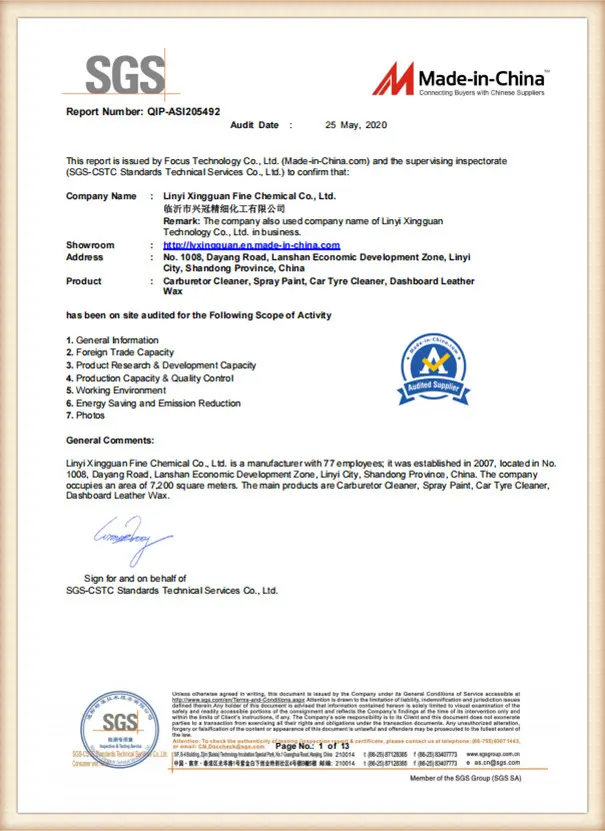
Relying on the parent company's nearly 20 years of accumulation in the fine chemical industry and its mature global channel sales network, the company possesses robust production, sales, and R&D capabilities. We have collaborated with several renowned universities and professional research institutions to establish joint R&D laboratories, continuously iterating on formula processes and launching the research and development of new environmentally friendly chemical products.
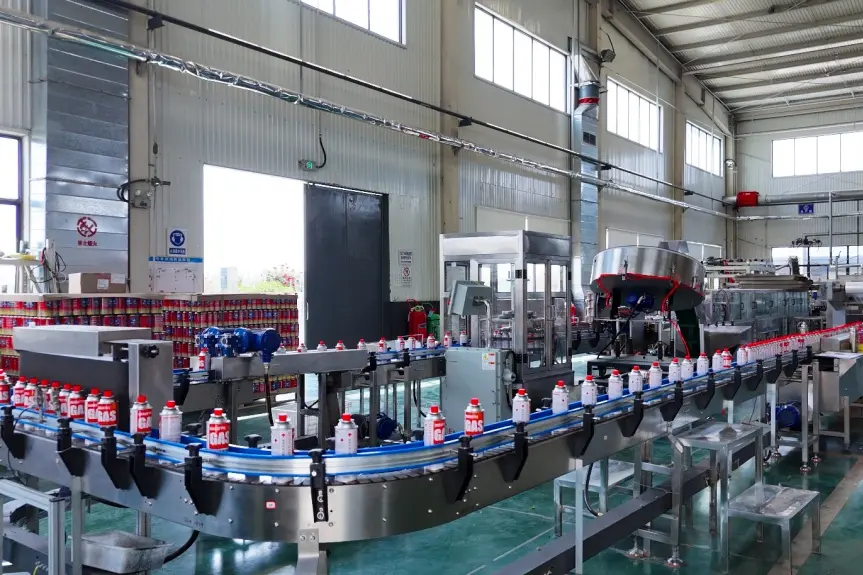
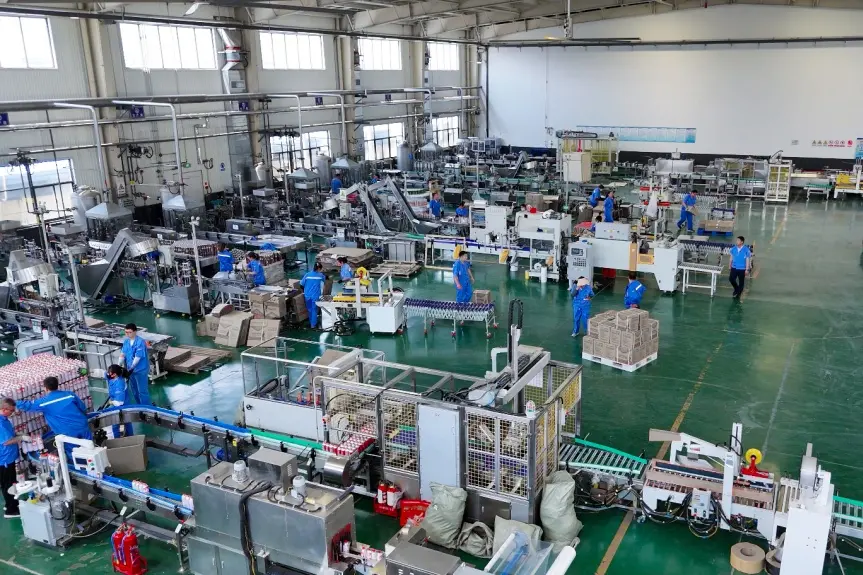
Our production base spans an area of 100,000 square meters, equipped with 10 international standard fully automated filling production lines and a full set of precision quality inspection equipment. We have established a standardized quality control system that covers the entire process from raw material storage, production and processing to finished product delivery.
Absolute alignment with international regulatory and dangerous goods shipping protocols
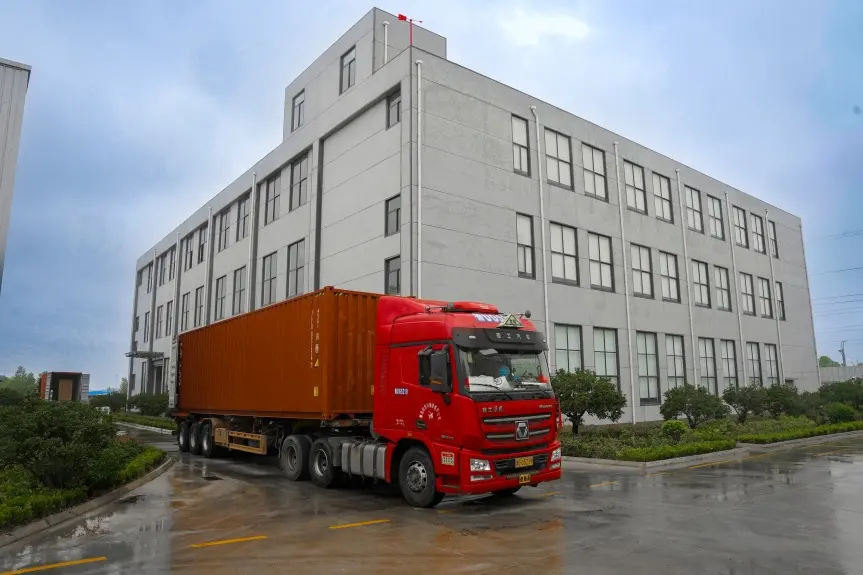
Global chemical shipping demands rigorous qualification management to avoid logistics blockages.
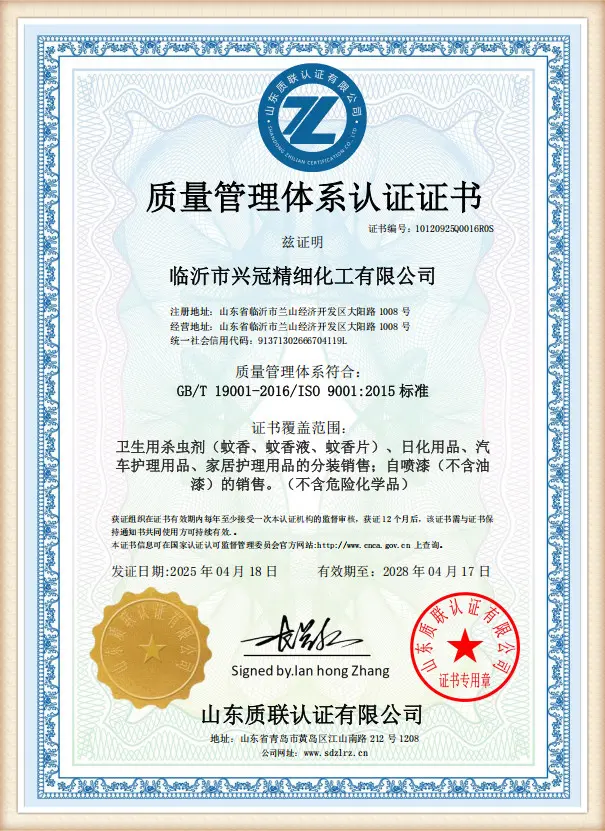
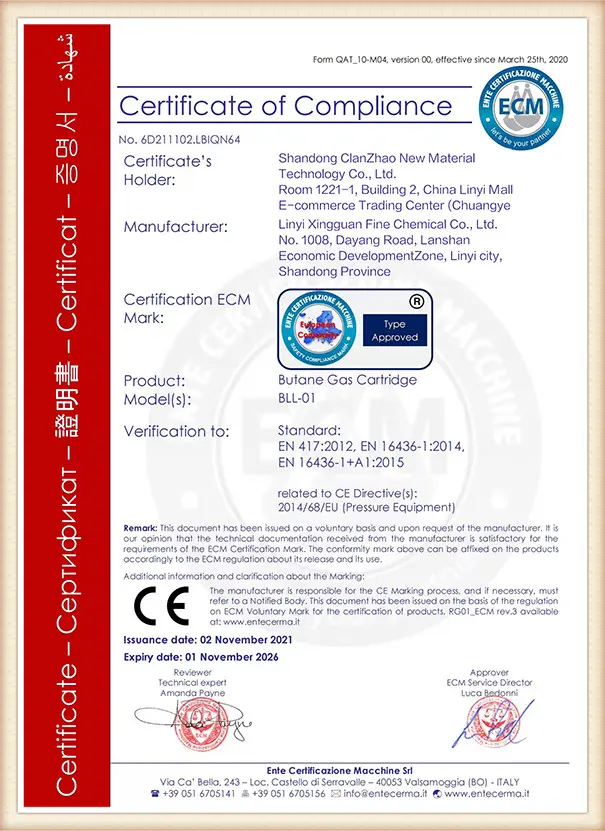
The company has obtained ISO9001 quality management system certification, formal chemical production license, and special qualification for exporting dangerous goods packaging, ensuring all qualifications are complete and compliant. We are capable of undertaking bulk supply of finished products and customized orders for domestic and foreign brands. We strictly adhere to the compliance standards for cross-border trade, guaranteeing stable delivery of orders for global customers. We are committed to becoming a reliable one-stop supply chain partner in the global aerosol industry.
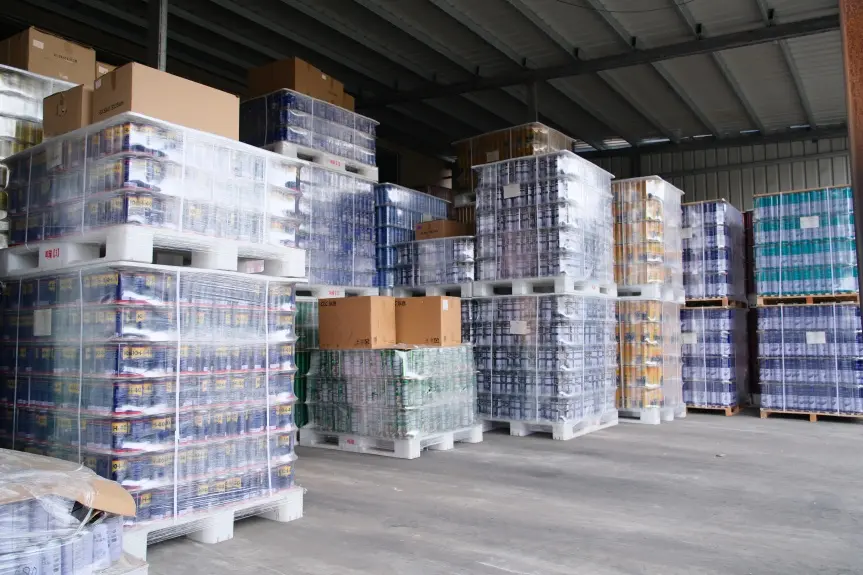
Every dangerous goods consignment undergoes UN-certified fiberboard carton packaging inspection, and is backed by complete Safety Data Sheets (SDS), GHS labelling compliance, and IMDG (International Maritime Dangerous Goods) declarations to ensure seamless customs clearance.
Providing custom solutions that balance aerosol delivery and regulatory compliance
Aerosol paint manufacturing requires precise valve calibration, propellant compatibility, and paint formulation. Incompatible propellants can trigger chemical breakdown, causing clumping that blocks the spray valve. Our R&D facility utilizes precision gas chromatography and pressure aging chambers to optimize spray consistency.
Our team works directly with brand owners to match exact Pantone and RAL color specifications, while optimizing the drying profiles (flash-off times) to suit variable regional temperatures.
To ensure high colorfastness to light (grade 4.5+ on the AATCC grey scale), we incorporate UV light stabilizers (HALS) and premium pigments. This formulation architecture preserves color integrity even under extended solar exposure.
Addressing core technical questions from procurement engineers and quality assurance specialists
We utilize a modified polyurethane-acrylic elastomeric hybrid polymer binder system. Unlike traditional rigid paints, this complex copolymer forms a cross-linked network that stretches and returns to shape without cracking or flaking. By optimizing the solvent blend, we ensure that the paint penetrates the fiber weave rather than forming a thick skin on top, maintaining the original texture and breathability of the fabric.
Our standard minimum order quantity (MOQ) for custom chemical formulations and custom lithographed aerosol cans is typically 20,000 units per SKU. This is dictated by the minimum requirements for our high-speed, fully automated rotary filling production lines. For testing and initial market validation projects, we can offer customized solutions using blank cans with labels, subject to chemical formulation compatibility.
We provide comprehensive testing support. Our formulations can be tailored to meet CARB and EPA VOC regulations for the USA, and REACH regulations (including RoHS guidelines) for the European Union. Every bulk shipment is supplied with a comprehensive Safety Data Sheet (SDS) prepared in compliance with the GHS standard, and we hold complete certifications for the exportation of Dangerous Goods.
We utilize high-purity hydrocarbon propellants (LPG mixtures of propane, butane, and isobutane) or dimethyl ether (DME) depending on the formulation requirements. Our aerosol cans undergo automatic 100% water bath testing to verify pressure resistance (up to 1.2-1.5 MPa) to eliminate the risk of leakages during container transit across varying temperature zones.
High-efficiency chemical aerosols manufactured to international quality standards
 ClanZhao