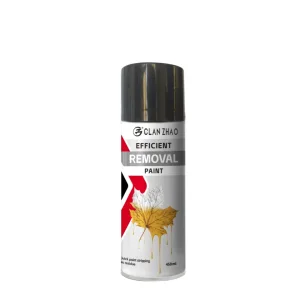
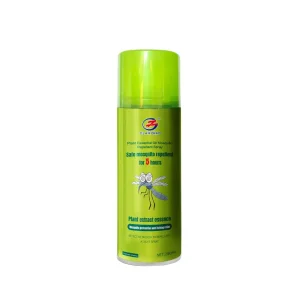
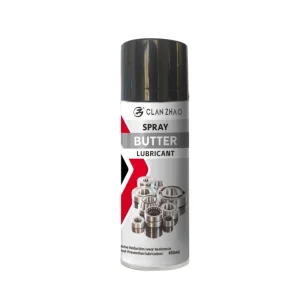
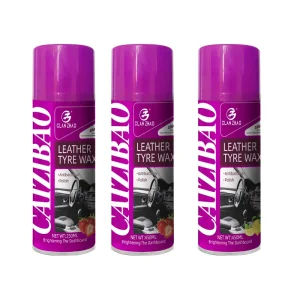
Explore our core industrial and commercial formulations, engineered for maximum performance, protection, and longevity across global markets.
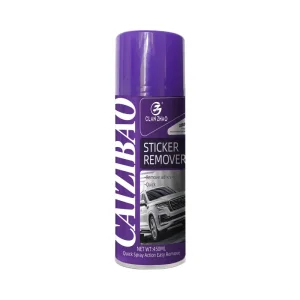
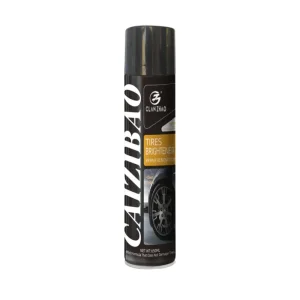
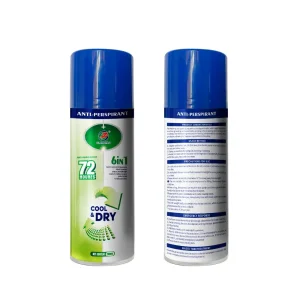
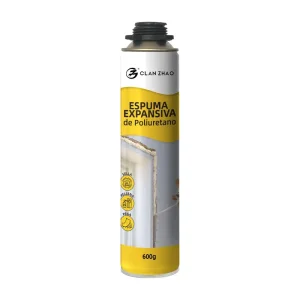
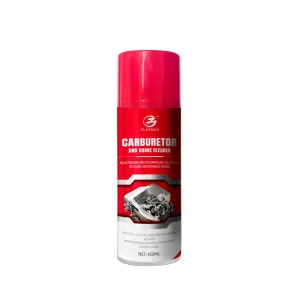
Shandong ClanZhao New Material Technology Co., Ltd. stands as the dedicated, wholly-owned international business and export arm of Linyi Xingguan Fine Chemical Co., Ltd. With a legacy spanning near two decades, our operation has scaled into a global force within the high-end fine chemical sector, specializing in aerosol formulation research, high-performance manufacturing, and global dangerous goods compliant distribution. Our infrastructure, backed by continuous academic collaboration, enables us to turn complex chemical projects into viable, consumer-ready retail formulations.
Our expansive production base houses state-of-the-art labs, blending silos, and quality-testing chambers designed to ensure that each batch meets international environmental and performance parameters. Operating within an ISO 9001 framework, we ensure full traceability of all inputs, from raw monomers and solvents to propellants and structural steel packaging. This systemic control guarantees that every product manufactured by Shandong ClanZhao delivers superior yield and reliable shelf-life.
Utilizing high-solids resins that cross-link at ambient room temperature to achieve the depth and hardness of baked-on porcelain without high-heat curing ovens.
Engineered to resist constant water immersion, hot water cycling, and harsh daily chemical cleaning without blistering, chalking, or delamination.
Adhering to strict international environmental regulations by optimizing propellant-to-solvent ratios, minimizing atmospheric emissions.
The global remodeling market has entered an era focused on speed, efficiency, and environmental mitigation. The traditional method of replacing sanitary ware—requiring demolition, plumbing overhaul, debris hauling, and tile rebuilding—creates massive landfill waste and incurs prohibitive labor costs. Today, commercial entities, including hospitality groups, university campus facilities, municipal housing managers, and real estate investment trusts, rely heavily on on-site surface refinishing technologies to reduce renovation times from weeks to hours.
Consequently, high-performance tub and tile spray paints have transitioned from niche consumer DIY items to standardized industrial maintenance assets. Modern systems require coatings that can endure thermal shock, resist yellowing from UV light exposure, and withstand industrial-grade sanitizers containing chlorine, ammonia, and mild acids. This shift has placed immense demands on global factories to provide chemical formulas that behave like cured glass while remaining easy to apply via aerosol format.
Unlike standard decorative paints, a tub and tile refinishing coating operates under severe conditions. The substrate—often glossy glazed ceramic, porcelain, acrylic, or gel-coated fiberglass—presents an extremely low-surface-energy profile, making mechanical adhesion difficult. Our ODM laboratory designs formulas integrating silane adhesion promoters directly into the liquid phase, allowing the resin polymer chain to form covalent bonds with the inorganic silica molecules in the ceramic surface.
Furthermore, our hybrid aliphatic-epoxy chemistry provides structural rigidity to resist impact forces (such as dropped bottles) while maintaining the flexibility necessary to accommodate the thermal expansion and contraction of acrylic and cast-iron tubs under temperature swings ranging from 5°C to 65°C.
How Shandong ClanZhao integrates raw material supply, automated speed, and compliance to serve global distribution networks.
10 fully automated high-speed aerosol packaging lines ensure exact fill tolerances, precise propellant balancing, and structural integrity across runs of any scale.
Possessing official domestic chemical production licenses and certified dangerous goods packaging export qualifications for seamless global ocean transport.
Located in Linyi's chemical cluster, granting immediate access to high-grade resins, eco-solvent stocks, propellants, and tinplate can lithography mills.
Global architectural and design trends dictate varying localized demands for refinishing paints. In North American multi-family housing, standardizing on neutral colors (such as Almond and Gloss White) is critical for rental turnarounds. In Europe, strict VOC limits demand advanced propellants like Dimethyl Ether (DME), which offers cleaner atomization and higher water tolerance in low-emission solvent blends. In tropical climates throughout Southeast Asia, the formulation must resist microbial mildew growth, requiring active biocides built into the dry-film surface matrix.
Our ODM development service ensures the paint can be successfully applied to:
A visual look at Shandong ClanZhao's 100,000 square meter facility and our industry-recognized certification standards.
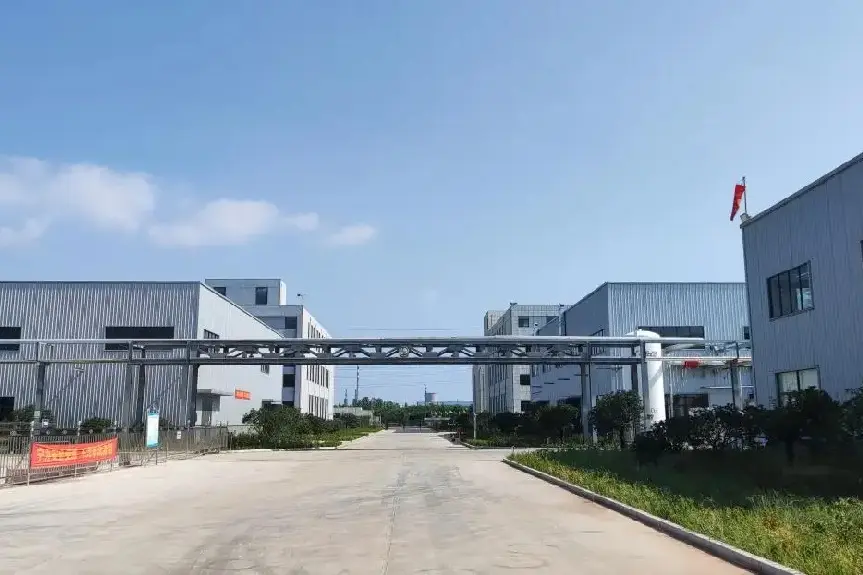
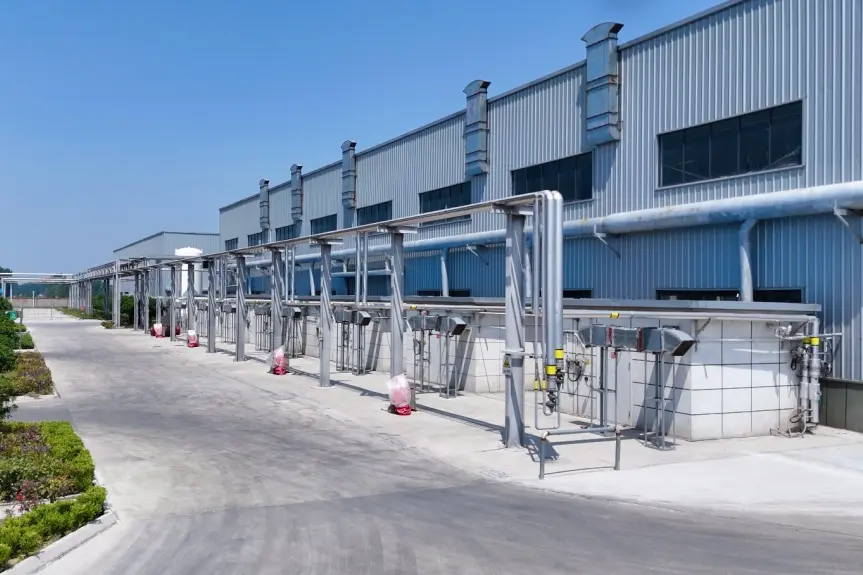
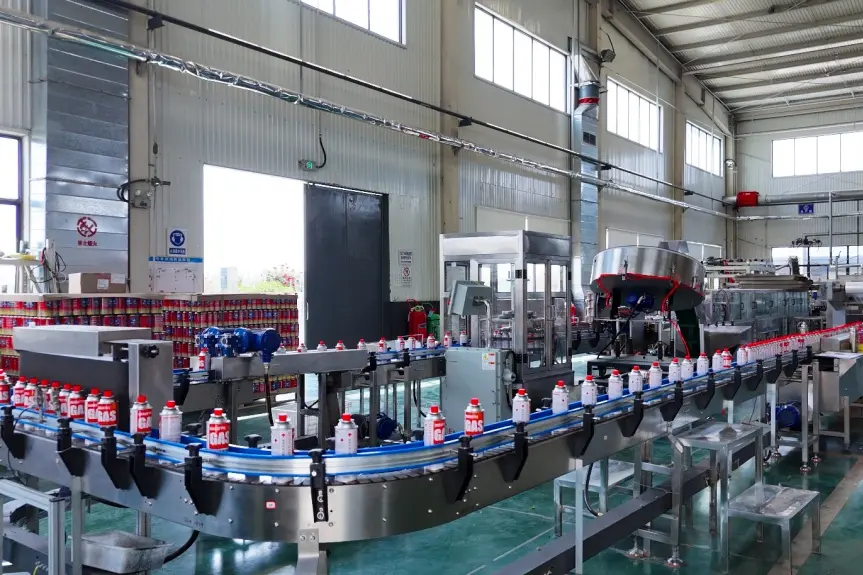
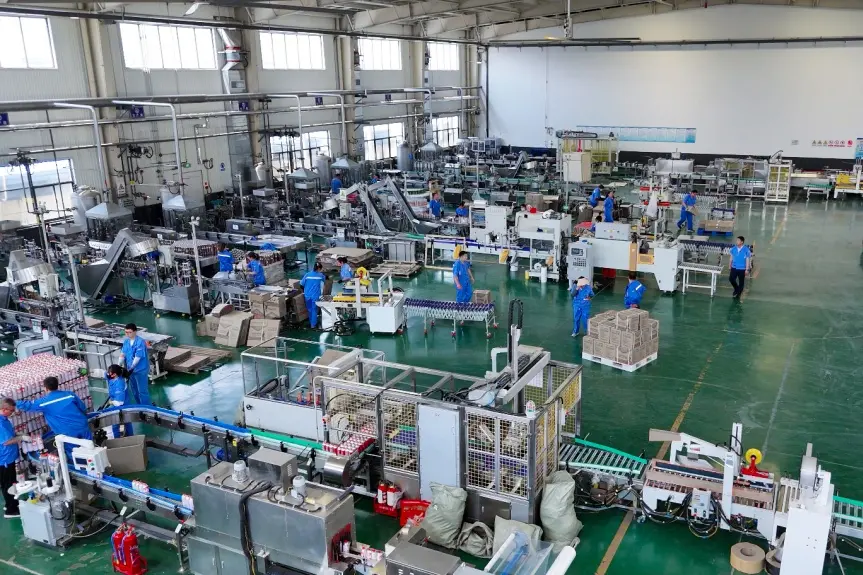
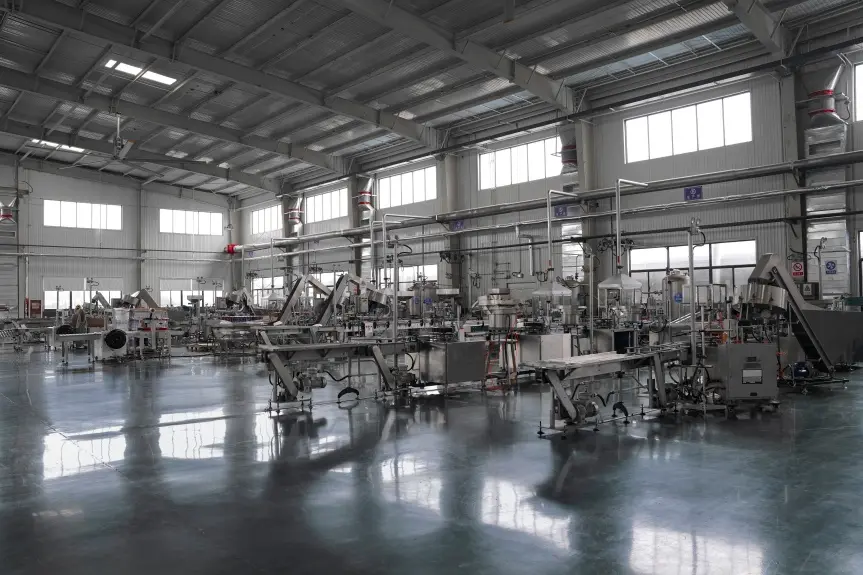
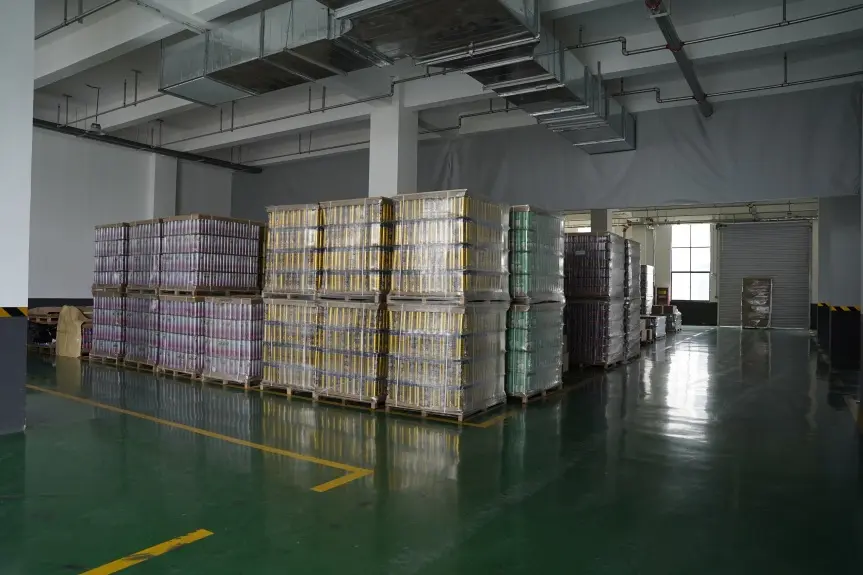
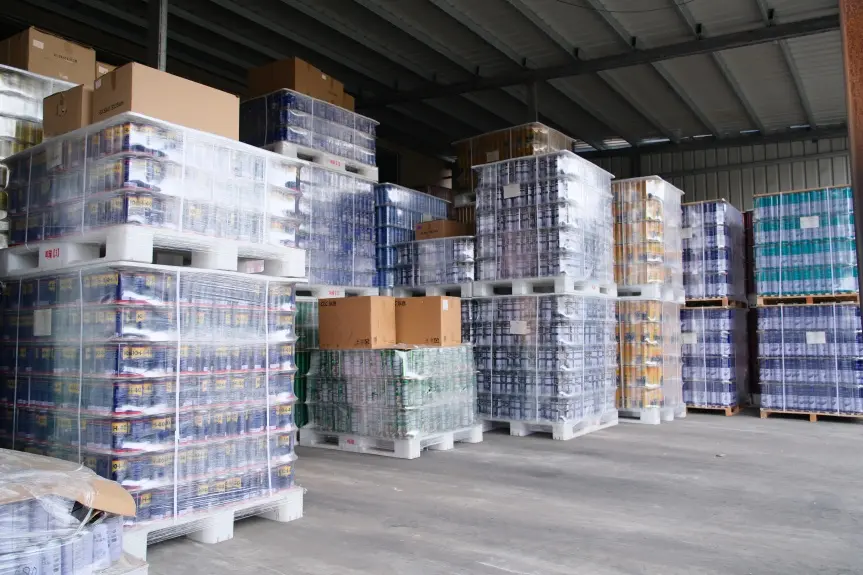
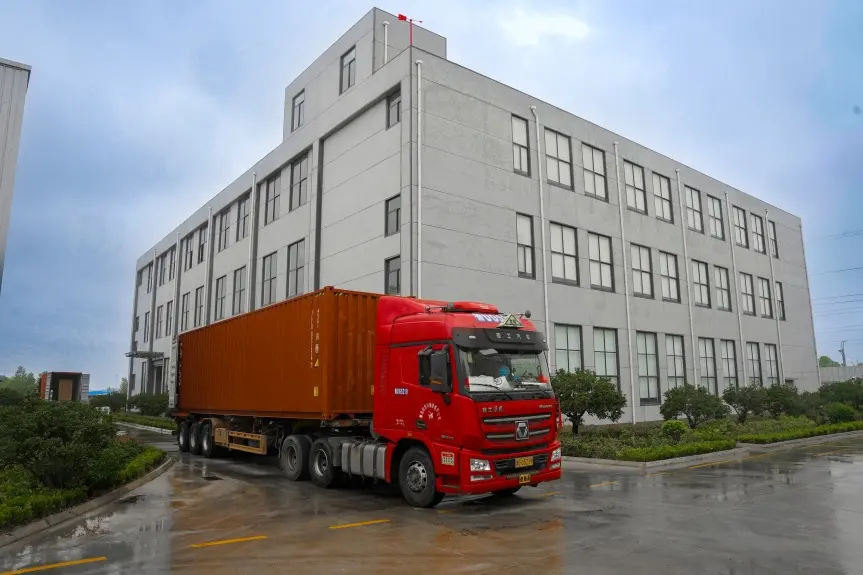
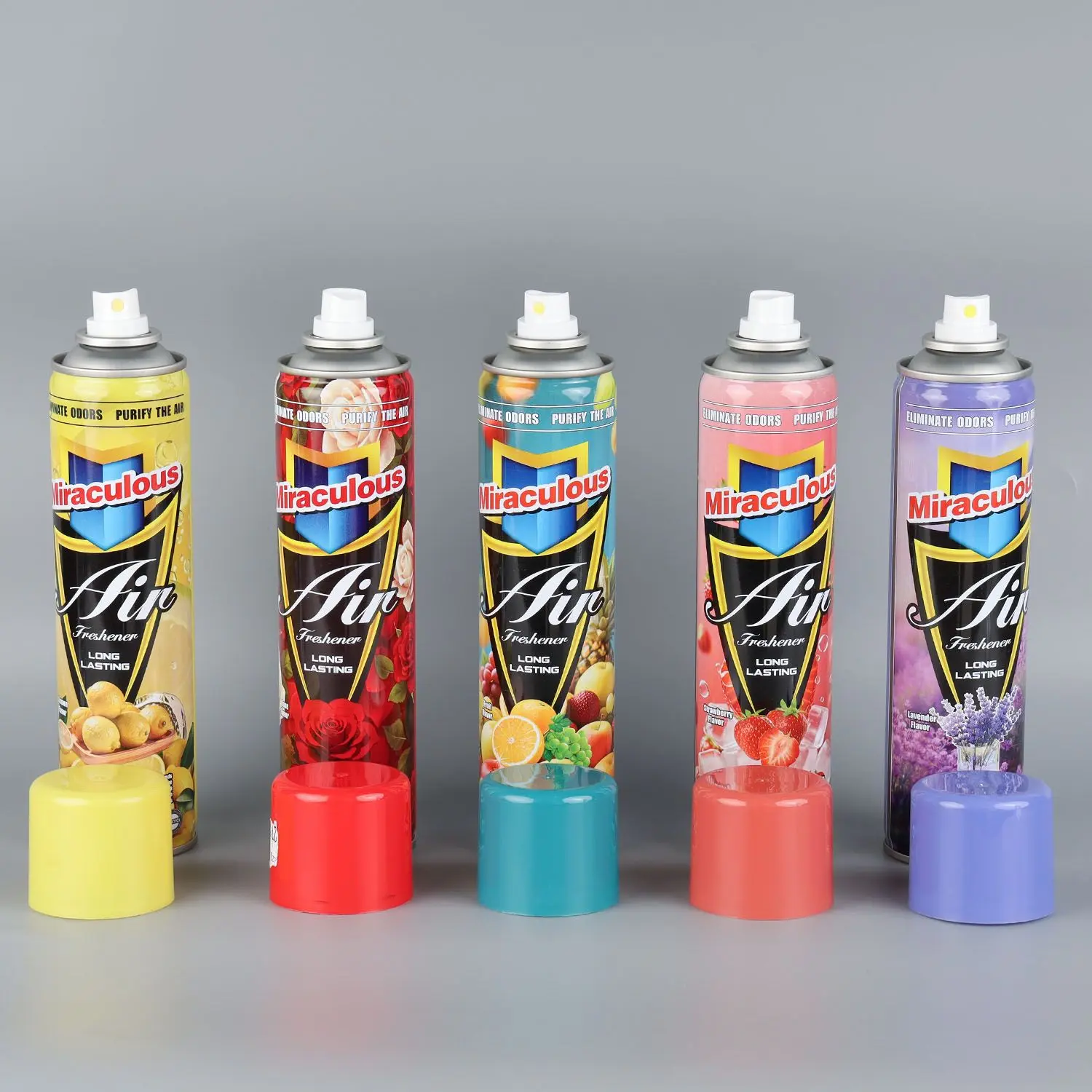
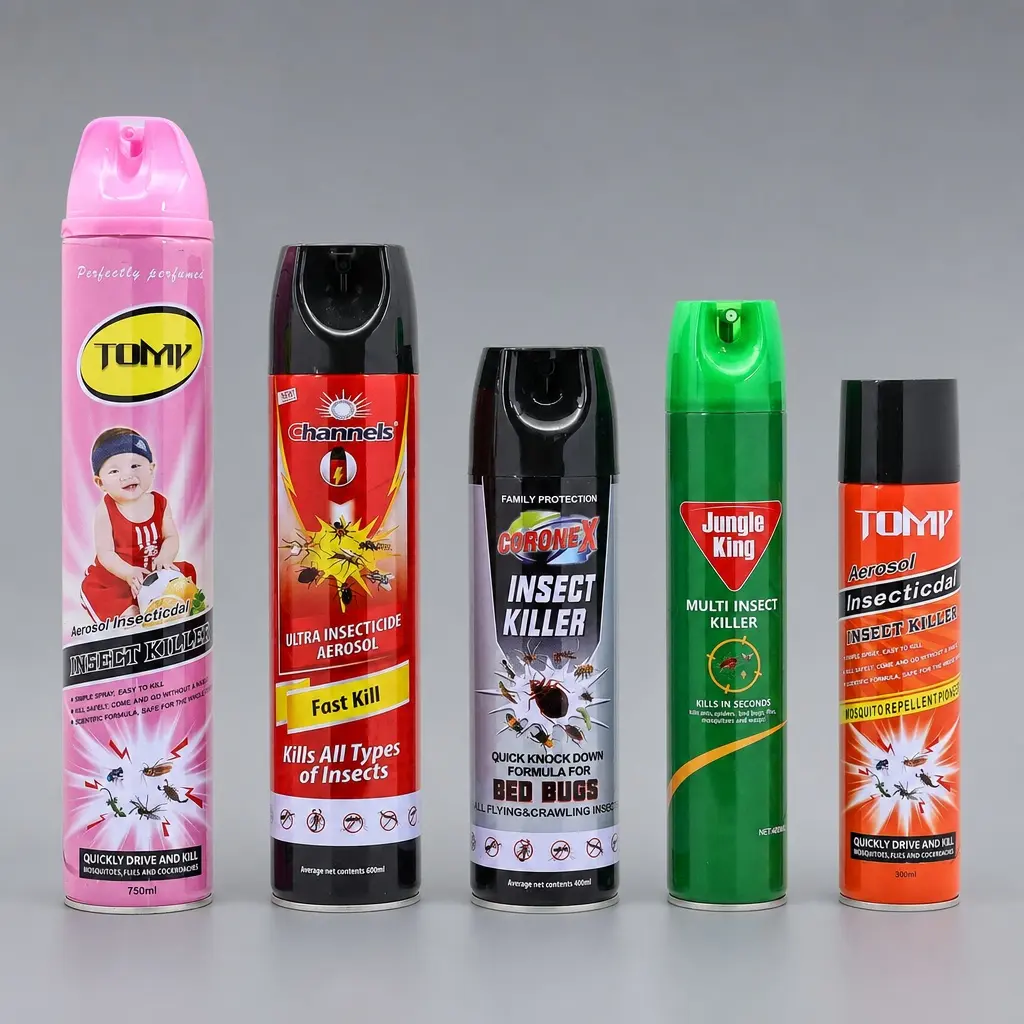
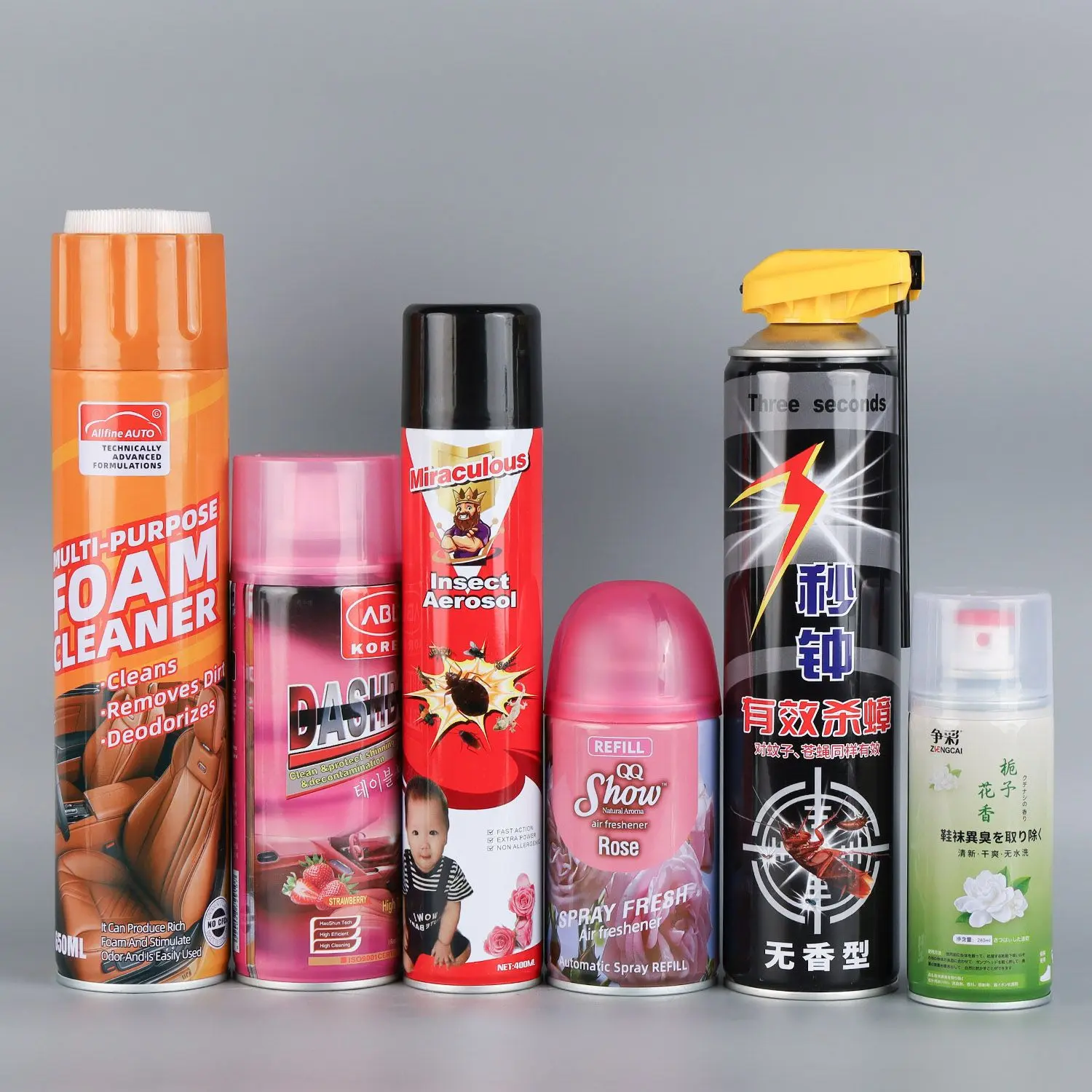
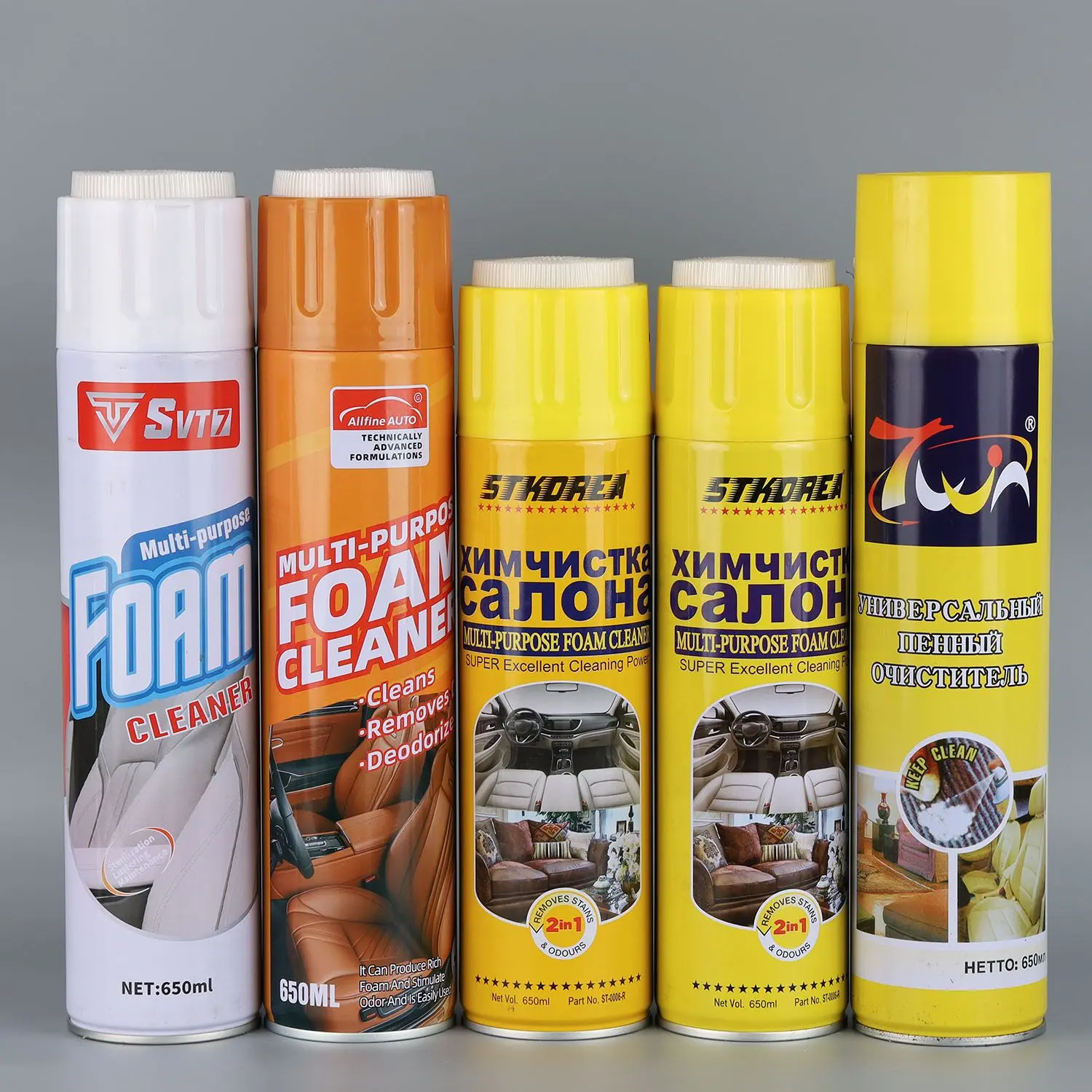
As a leading exporter of dangerous goods in class 2.1 and 2.2 aerosols, we guarantee full cross-border supply chain security.
Aerosols are classified as class 2 hazardous items under international shipping regulations. Any failure to supply accurate MSDS documentation, pressure checks, or UN-approved packaging can lead to port delays and expensive structural confiscations. Shandong ClanZhao has obtained official ISO 9001 quality certificates and is legally licensed to bottle chemical products, meaning we can guarantee smooth handling through global maritime hubs.
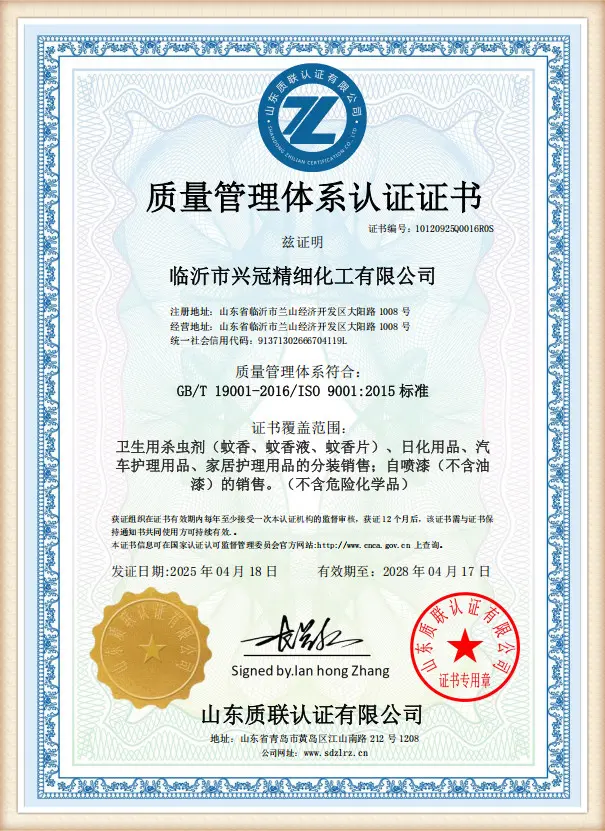
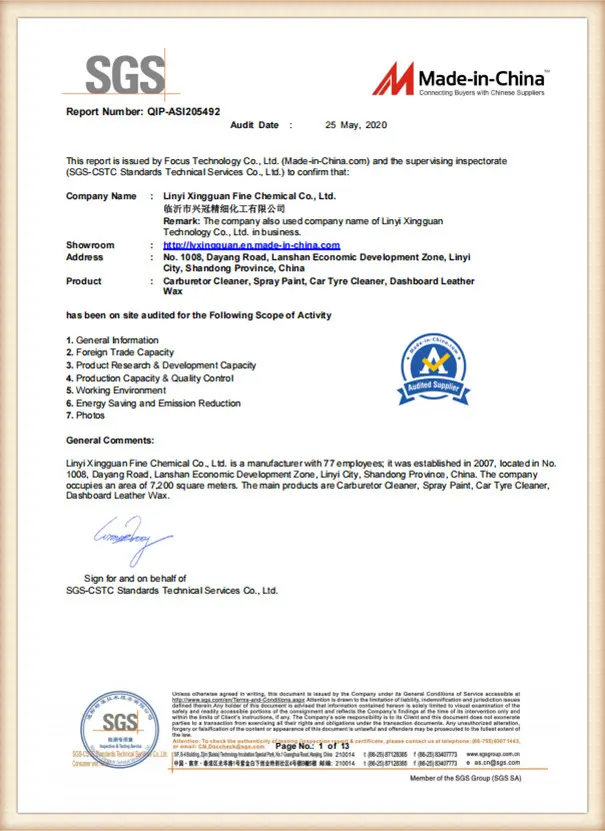
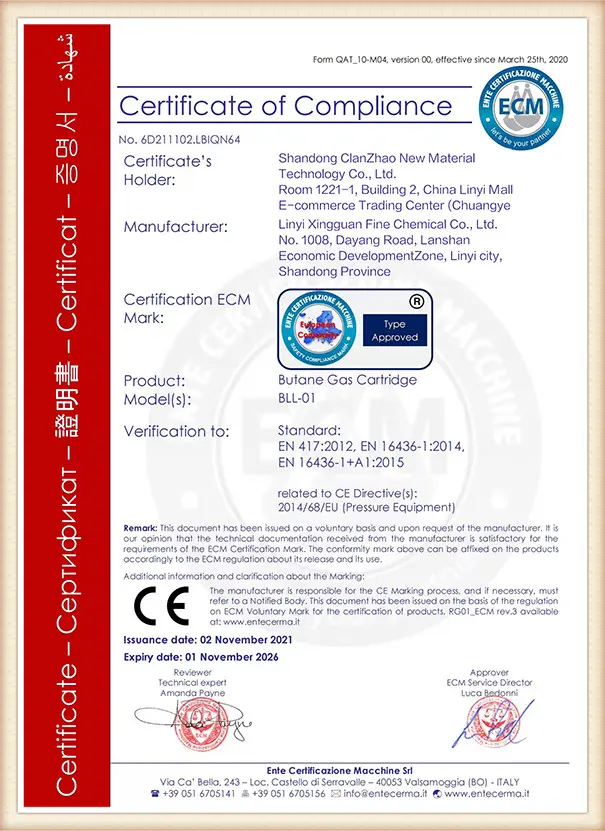
Explore technical explanations detailing the chemistry, application requirements, packaging, and logistics of our ODM Tub and Tile spray formulations.
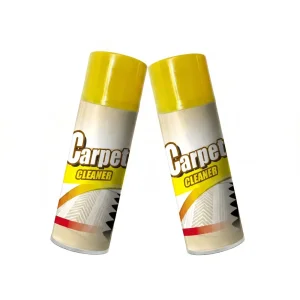
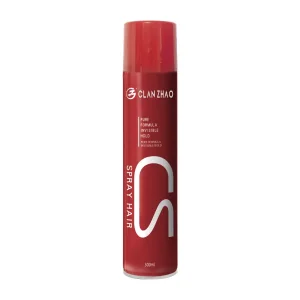
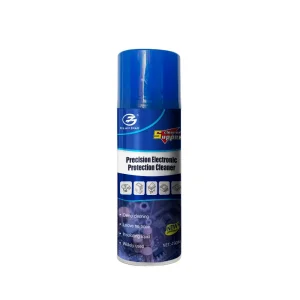
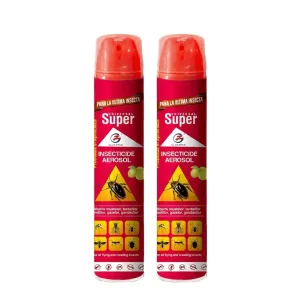
Browse our expanded selection of professional-grade chemical and aerosol products developed for diverse international markets.
 ClanZhao