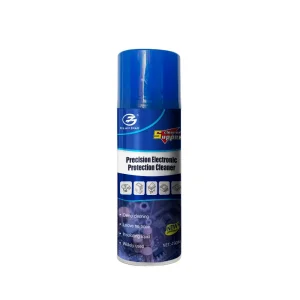
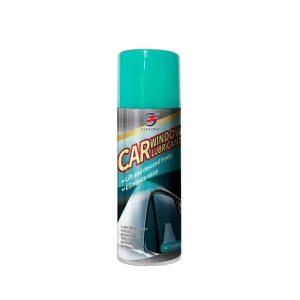
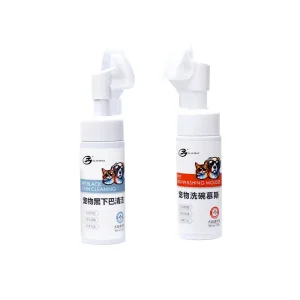
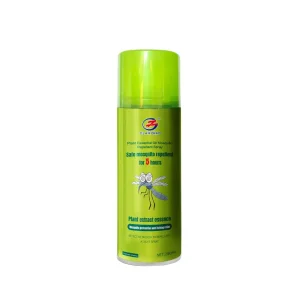
Explore our core engineering capabilities in specialized aerosols, surface cleaners, and synthetic coatings.
Understanding the micro and macro dynamics driving the seasonal demand for high-performance artificial snow aerosols.
The global demand for artificial snow aerosols—commonly classified as snow spray—has evolved significantly beyond basic novelty status. Today, it represents a multi-million-dollar seasonal export market spanning North America, Europe, Latin America, and the Asia-Pacific. Fast-moving consumer goods (FMCG) retailers, large-scale event management firms, and global distribution chains require bulk sourcing solutions that deliver not only visual excellence but strict safety and compliance certifications.
From a buyer's perspective, sourcing snow spray involves navigating complex logistics, strict formulation safety rules (especially regarding flammability and toxicity), and seasonal supply chain crunches. Brands looking for an ODM (Original Design Manufacturer) or OEM (Original Equipment Manufacturer) require a factory capable of customizing chemical structures to align with local environmental rules (such as EU REACH, US EPA VOC regulations) while ensuring the spray delivers consistent foam volume, slow-melting behaviors, and zero permanent staining on delicate surfaces.
Additionally, the transition of the aerosol market toward eco-friendly, bio-based chemical formulations has forced traditional suppliers to adapt. Importers are no longer merely buying a novelty product; they are procuring engineered chemical solutions that must perform consistently across varying climates—from dry, freezing winters to high-humidity tropical holidays.
Inside the chemical engineering processes that define high-yield, safe, and residue-free artificial snow sprays.
High-quality snow spray depends on a balanced chemical formula. At its core, the product is a pressurized emulsion containing surfactants, foam stabilizers, binding agents, and propellants. The mechanical interaction between the actuator (spray nozzle), the dip tube, and the chemical formula determines the structure of the artificial snow flake.
Traditional formulations relied heavily on hydrocarbon propellants (LPG) combined with chlorinated solvents, which offered rapid evaporation but introduced high flammability risks and chemical smells. Modern ODM factories, like Linyi Xingguan Fine Chemical and its export partner Shandong ClanZhao, use advanced water-based formulas. These formulas utilize food-grade starches or specialized synthetic polymers that foam upon contact with oxygen, forming solid yet soft structures that mimic natural snow.
By optimizing the surfactant-to-water ratio, our R&D lab creates snow that stays structured in mid-air but dissolves without leaving sticky residues, oily stains, or toxic footprints on clothing or glass.
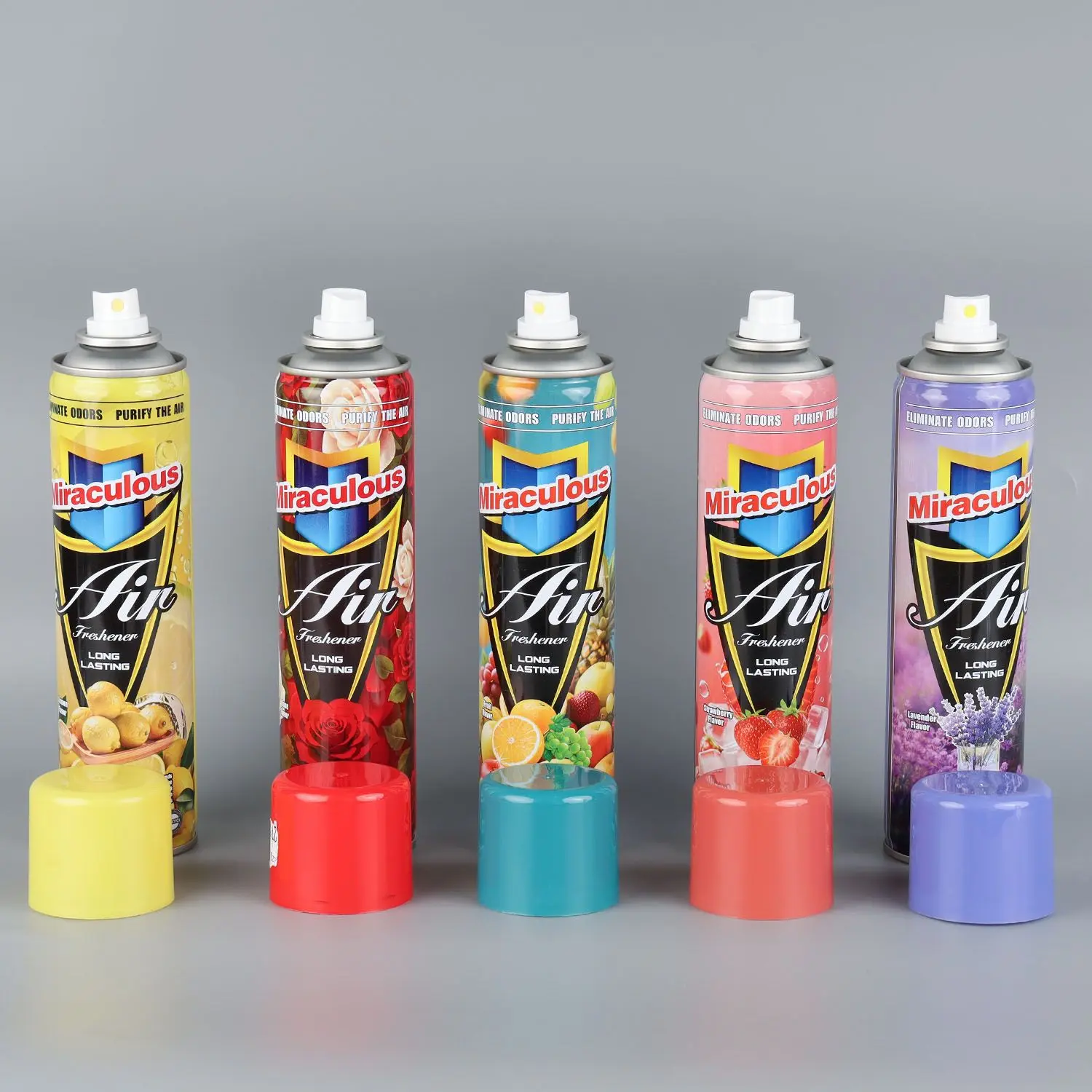
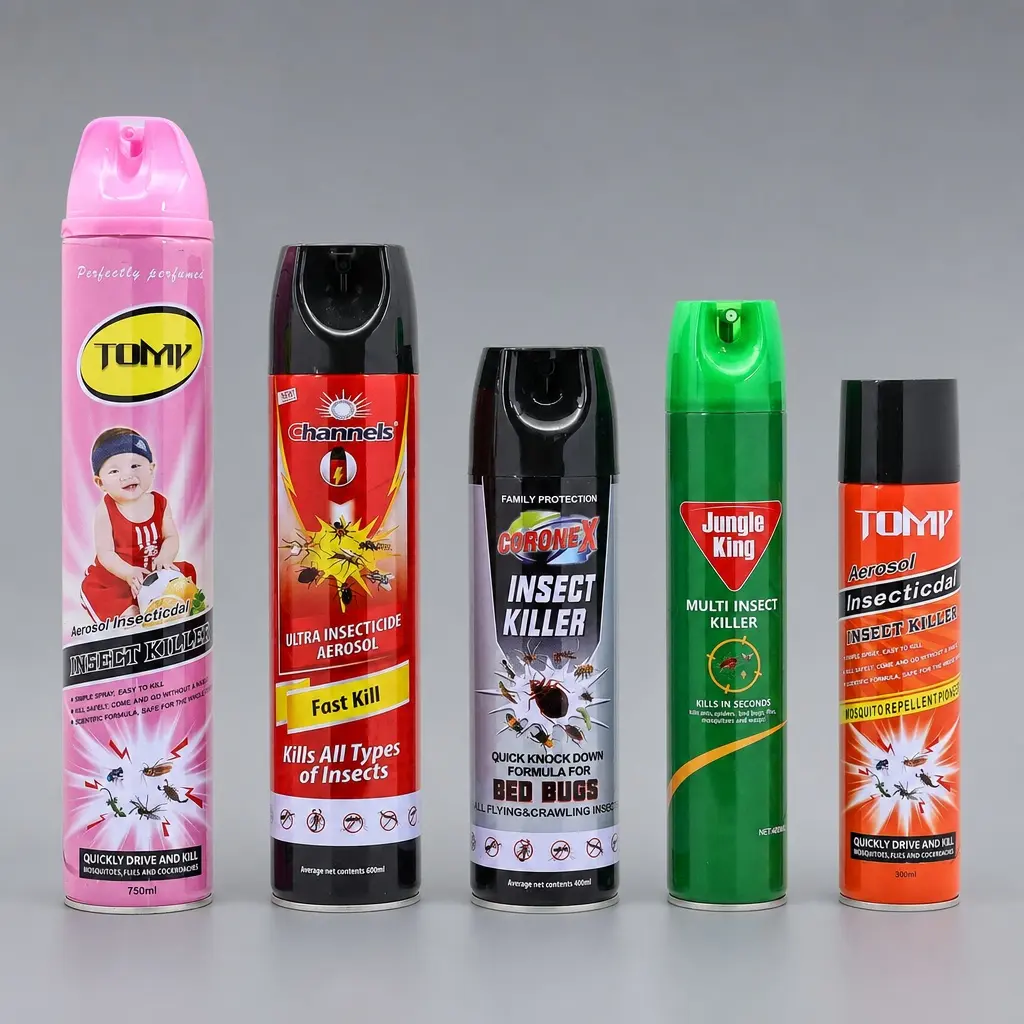
Formulations optimized with non-toxic glycols to guarantee consistent aerosol delivery and expansion at temperatures as low as -15°C.
Water-based emulsions combined with non-flammable propellants (like HFCs or customized nitrogen-boosted systems) ensure safety near flames.
Masking chemical odors with stable, oil-free fragrances (such as pine, vanilla, or unscented variants) suitable for indoor holiday events.
High-capacity automation ensures supply chain security during high-demand retail cycles.
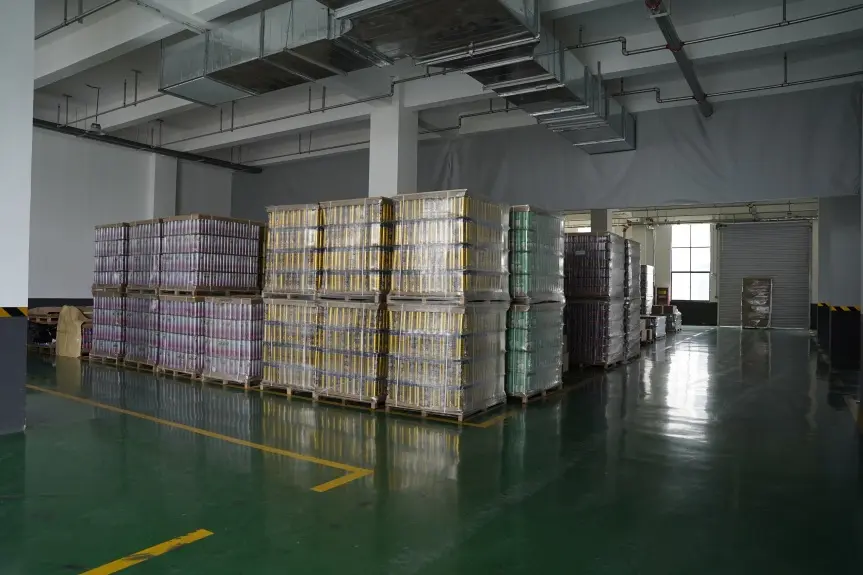
A common issue in seasonal B2B sourcing is delayed deliveries due to production bottlenecks. Shandong ClanZhao New Material Technology Co., Ltd., backed by its parent manufacturing facility Linyi Xingguan Fine Chemical Co., Ltd., offers strong production stability with its 100,000 square meter production facility.
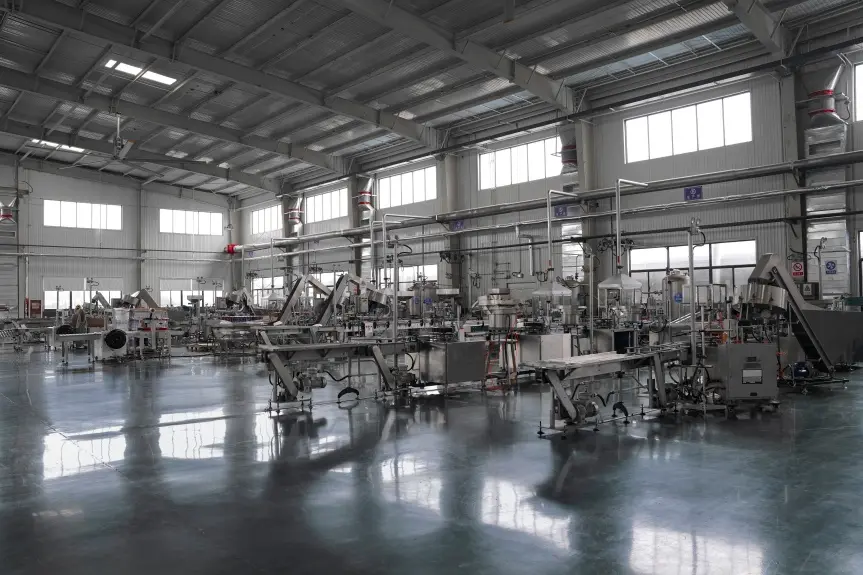
Equipped with 10 international standard fully automated filling lines, our facility processes bulk chemical batches with high precision. Automation covers raw material dosing, can feeding, aerosol valve placement, propellant gas filling, pressure leak detection, water bath safety testing, and automated packing. This high level of automation reduces batch errors, stabilizes container pressure, and keeps production runs consistent.
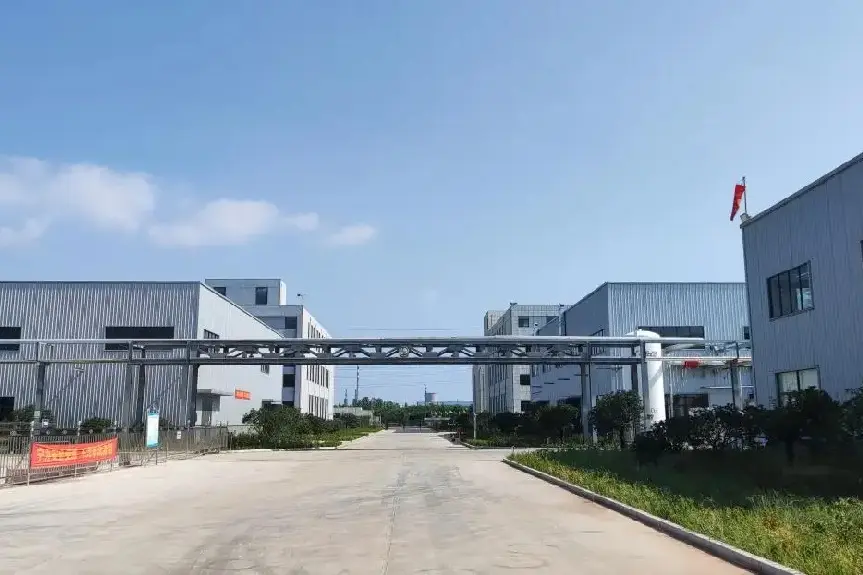
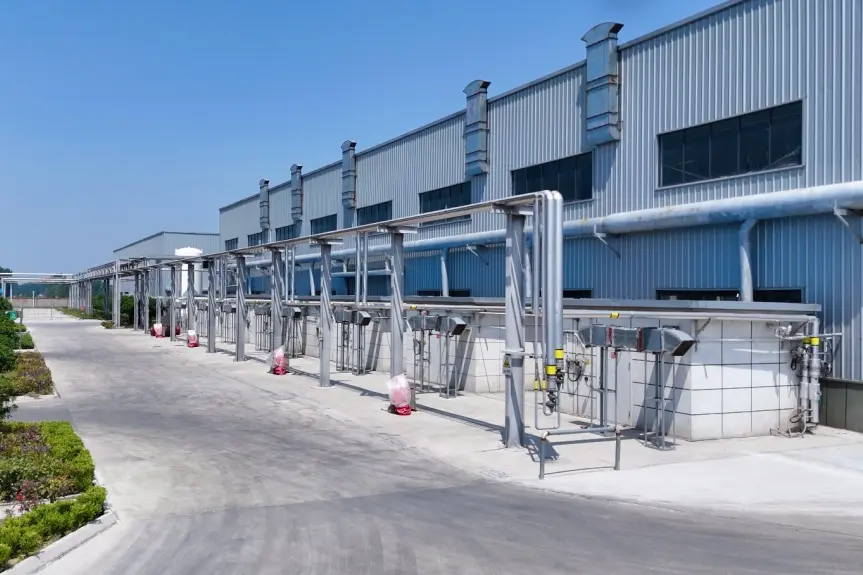
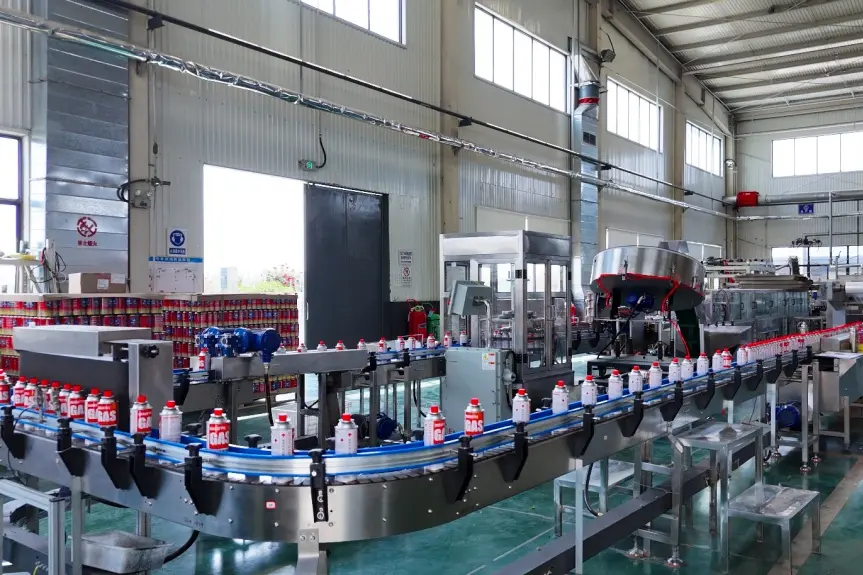
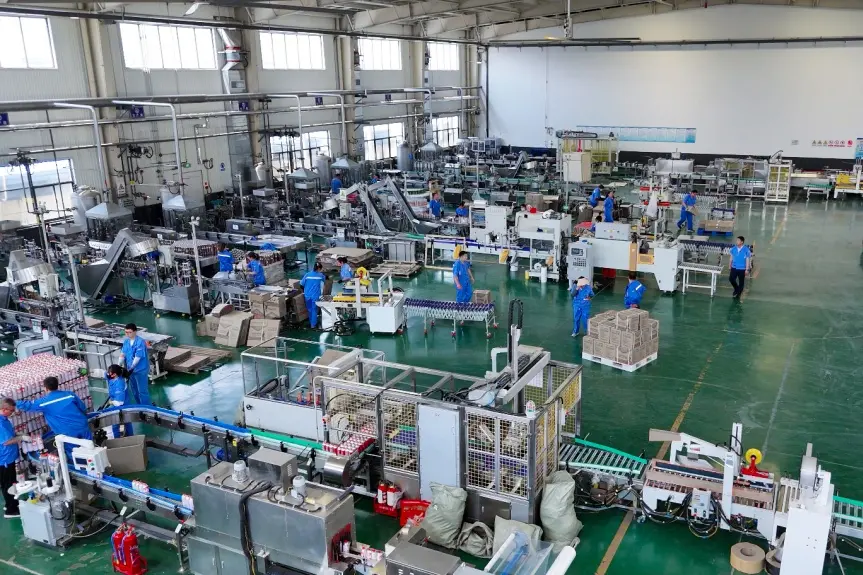
Our quality control protocol monitors pressure and seals at multiple stages. Every aerosol can goes through an automated hot water bath test to verify it can withstand high temperatures without leaking or exploding, meeting UN1950 dangerous goods requirements.
A look at our diverse product matrix, serving international industrial, automotive, and domestic retail markets.
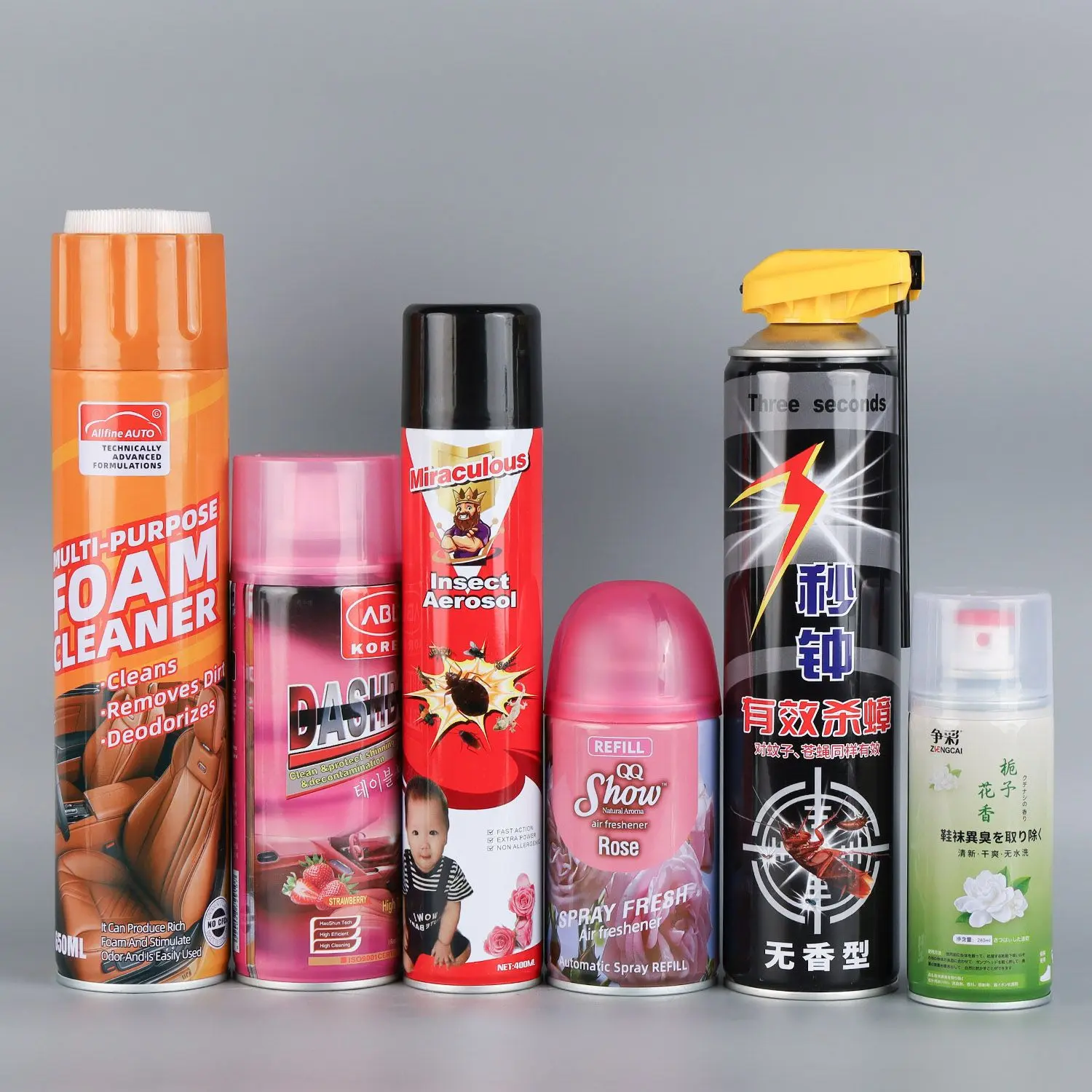
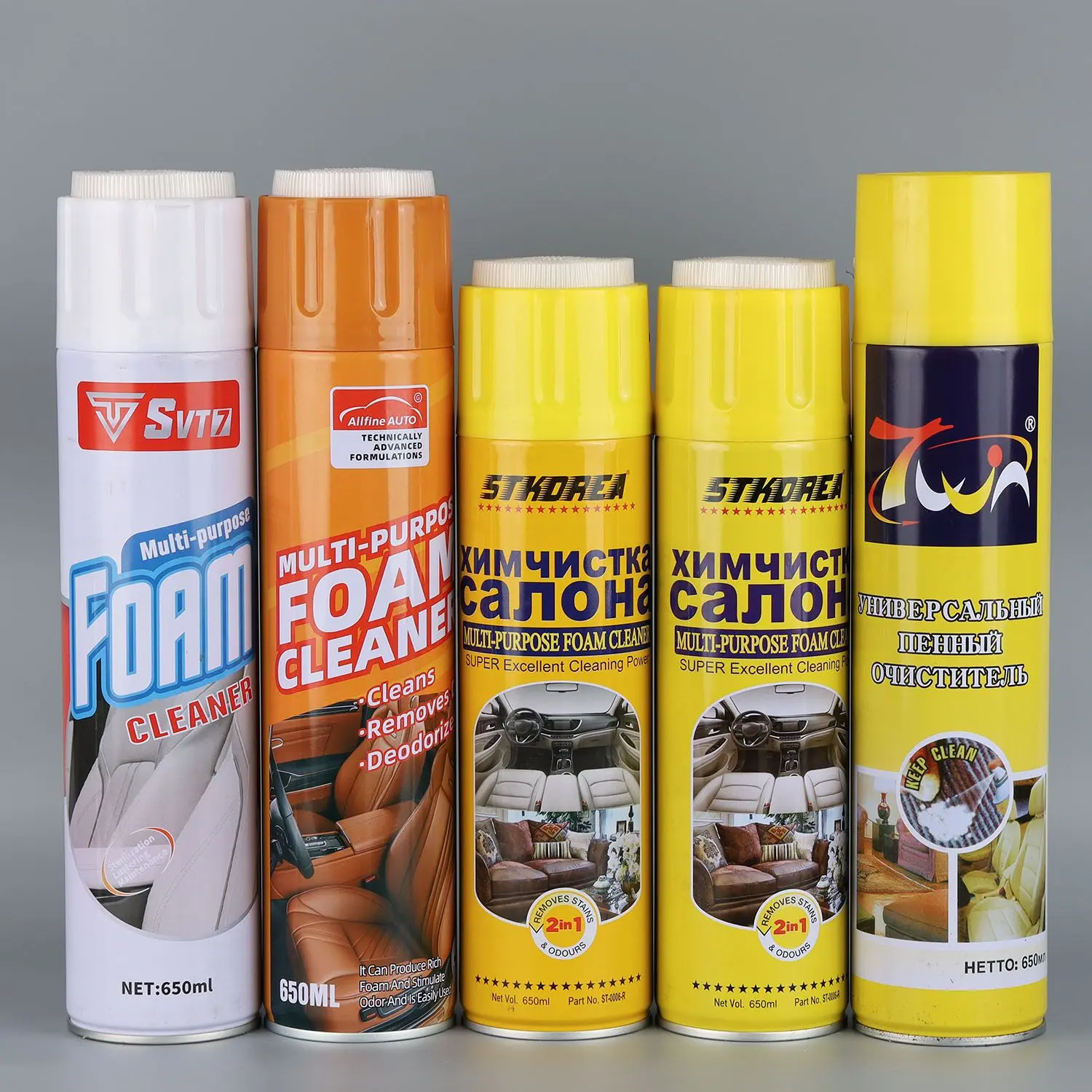
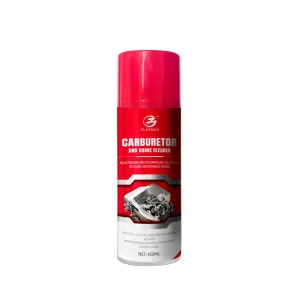
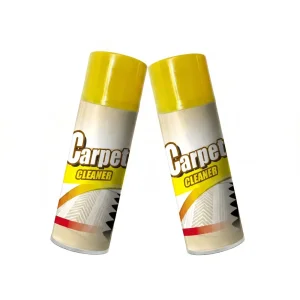
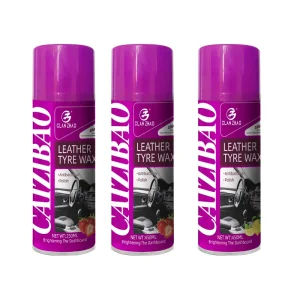
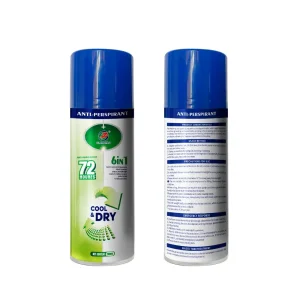
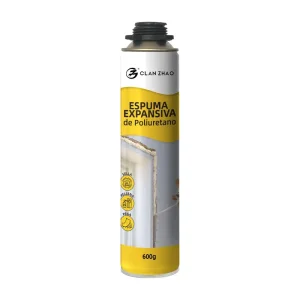
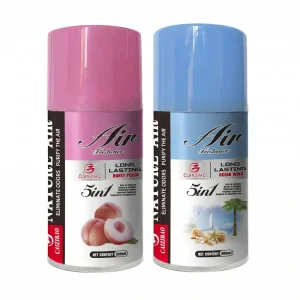
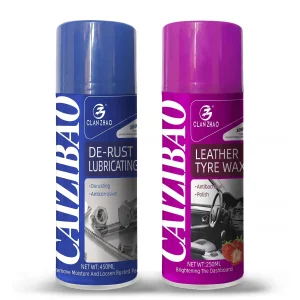
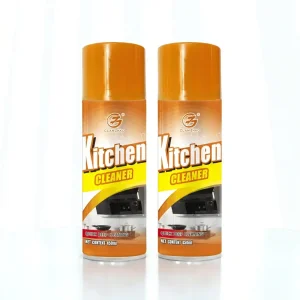
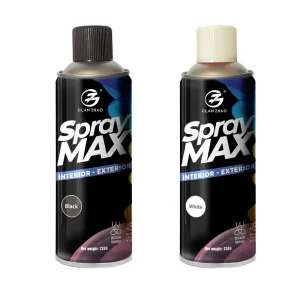
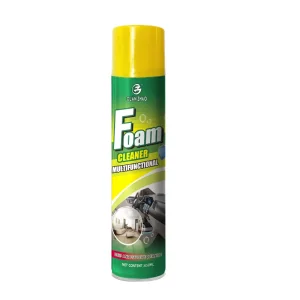
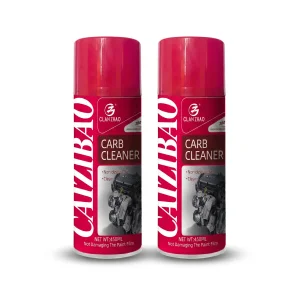
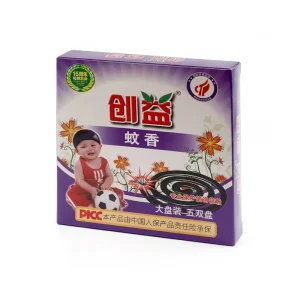
While seasonal snow spray is a key export, our overall manufacturing system spans eight main series, showing our deep expertise in chemical formulation and aerosol packaging:
Securing cross-border shipments under international safety codes and hazardous classifications.
Aerosol products are classified as Dangerous Goods (Class 2.1 or 2.2, UN1950) under international shipping regulations. Shipping these products requires special packaging qualifications, container packing certificates, and compliance with the International Maritime Dangerous Goods (IMDG) Code. Failing to meet these regulations can lead to customs delays, heavy fines, or rejected shipments.
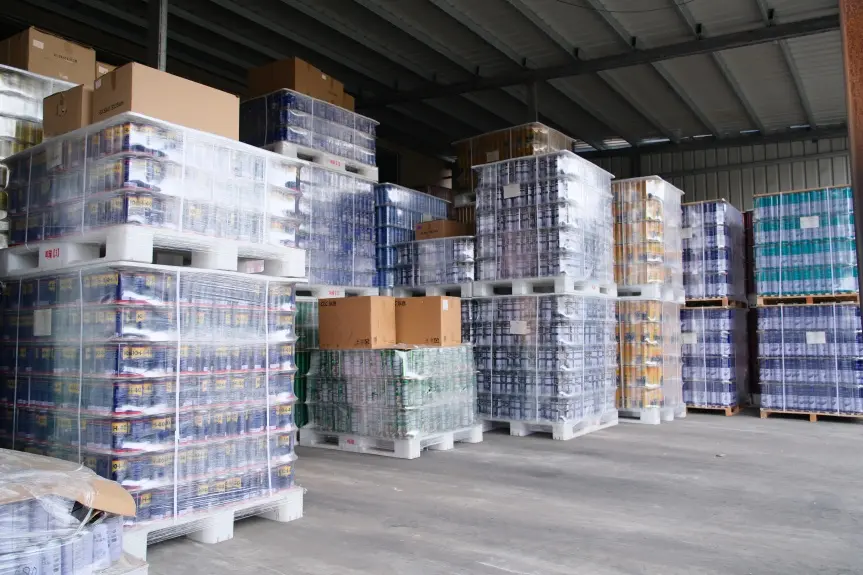
Shandong ClanZhao maintains the required packaging licenses and export certificates for dangerous goods. We ensure every shipment is packed in approved high-pressure tinplate cans with pressure-relief features. Cardboard outer boxes are drops-tested and labeled for hazard compliance.
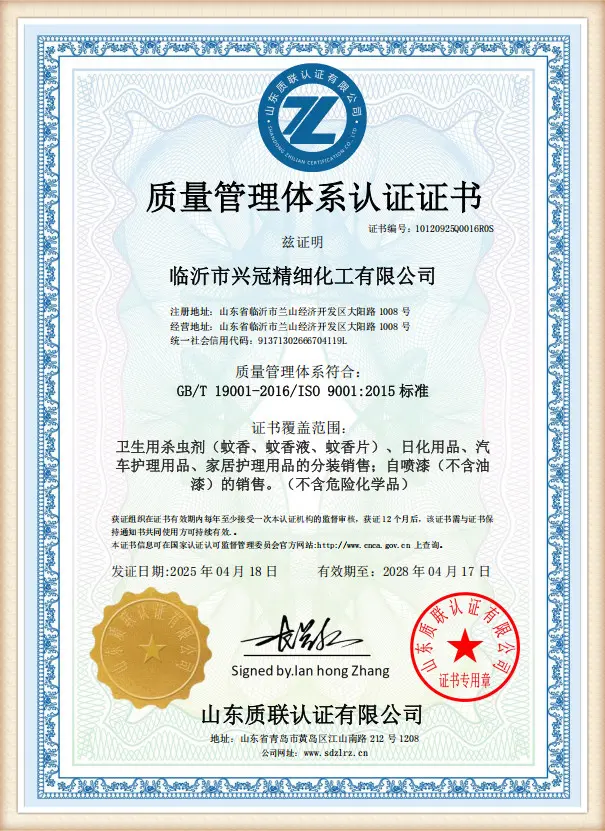
ISO9001 Quality System
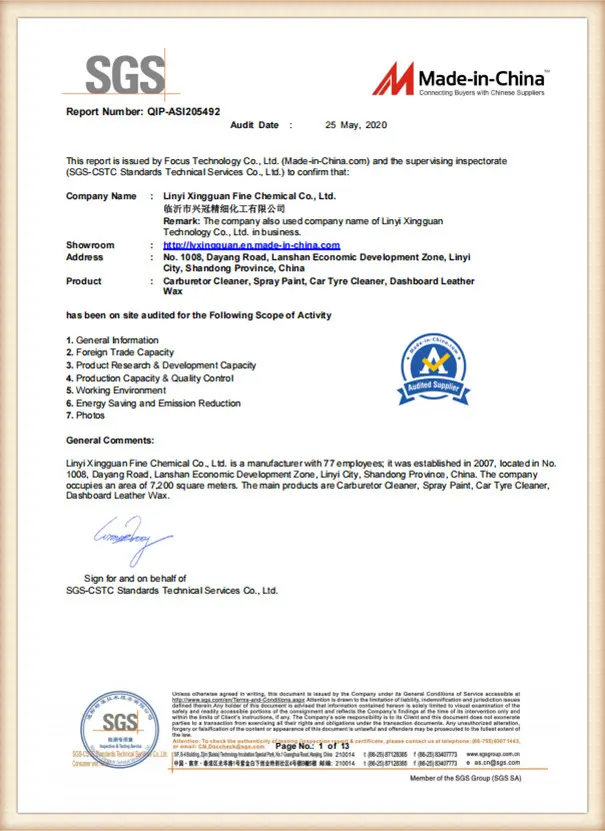
DG Packaging License
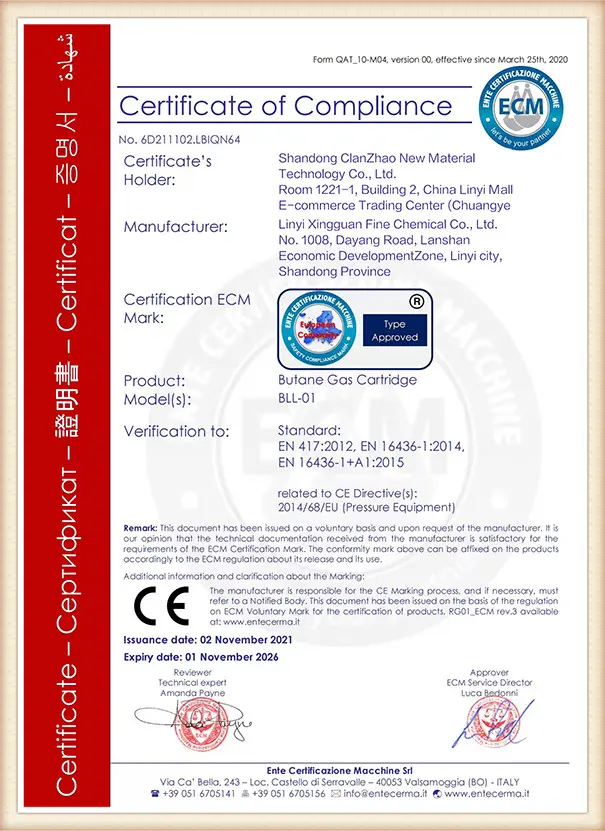
Chemical Production Permit
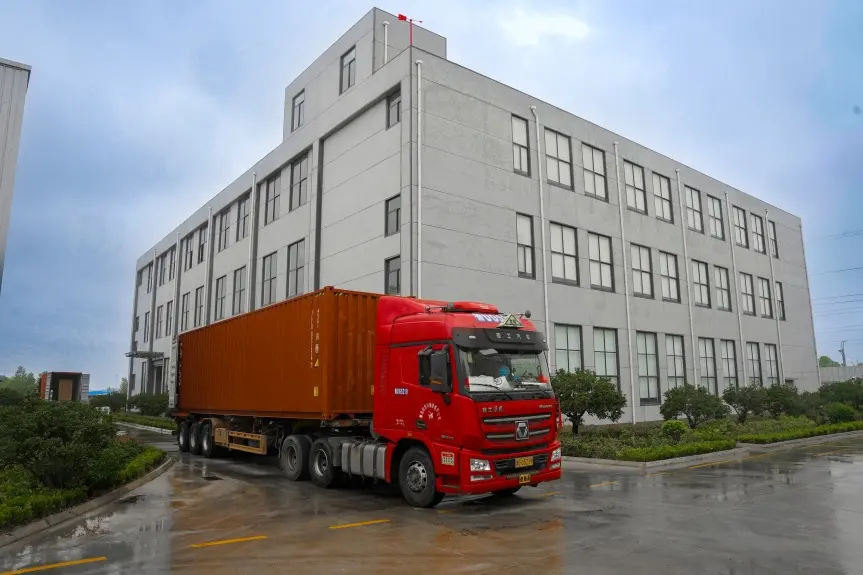
We coordinate closely with international shipping lines specializing in dangerous goods. Our logistics team handles MSDS documentation, GHS compliance labels, and customs clearance paperwork, ensuring smooth ocean freight from Qingdao Port or Shanghai Port to your destination.
Developing next-generation eco-friendly propellants and bio-degradable snow polymers.
Regulatory frameworks like Europe's F-gas regulations and the EPA's VOC limits are driving the aerosol industry toward greener alternatives. The next generation of artificial snow sprays will rely on bio-degradable polymers that decompose within hours of application, minimizing environmental impact.
Our R&D team is working with university partners to test natural plant-based starches to replace synthetic resins. We are also optimizing gas-filling techniques to work with compressed nitrogen and liquefied dimethyl ether (DME), which have a lower Global Warming Potential (GWP) than traditional hydrocarbons.
Answers to common questions regarding formulations, logistics, compliance, and custom ordering.
Browse additional chemical formulations engineered for commercial, automotive, and domestic cleaning needs.
 ClanZhao