Advanced chemical engineering tailored for global wholesale, manufacturing, and commercial markets.
Conventional aerosol paints degrade rapidly when exposed to continuous thermal cycles characteristic of heating systems, home radiators, and industrial heat exchangers. Standard alkyd and acrylic formulations discolor, crack, and flake, reducing both the aesthetic quality and the thermodynamic efficiency of the unit. As a leading ODM Radiator Spray Paint Supplier & Exporter, we specialize in high-temperature chemical systems designed to thrive under thermal stress.
Our proprietary radiator spray paints are engineered using modified silicone-acrylic resins. These resins form cross-linked polymer networks upon curing, ensuring structural stability at continuous working temperatures of up to 120°C (248°F) and intermittent peaks of up to 150°C. This chemical composition optimizes thermal radiation transfer, preventing the paint layer from acting as an insulating barrier.
| Technical Parameter | Specification Limit | Testing Protocol |
|---|---|---|
| Thermal Resistance (Continuous) | Up to 120°C (248°F) | ASTM D2485 |
| Adhesion Strength | 5B Grade (No peeling) | ASTM D3359 Cross-Cut |
| Salt Spray Resistance | > 240 Hours | ASTM B117 |
| Yellowing Resistance | ΔE < 1.5 (after 100h @ 100°C) | Spectrophotometer test |
| VOC Concentration | Compliant with EU Directive 2004/42/EC | Gas Chromatography |
Analyzing the comparative advantages of raw materials, logistics, and advanced fine chemical engineering in Shandong Province.
Shandong Province hosts one of the world's most dense fine chemical manufacturing clusters. By sourcing monomers, acrylic resins, and non-CFC propellants directly from local refineries, we mitigate transit delays, isolate our supply chains from global price volatility, and reduce shipping overheads.
Our production center operates 10 international-standard, fully automated chemical aerosol filling lines. With precision gas propellant dosing (using clean butane/DME systems), we guarantee weight deviations below 0.5% and a consistent spray pressure profile across every aerosol can.
Aerosol products are classified as Class 2.1 or 2.2 Dangerous Goods under UN numbers 1950. As an authorized exporter, we possess the comprehensive certification required for hazardous materials packaging, maritime dangerous goods storage declaration, and global customs clearance.
How global brands and OEM clients deploy our formulations across varying environments.
Over time, hydronic heating systems suffer from condensation-induced rust. Our specialized formulas combine an active rust-converter primer and high-gloss topcoat in a single aerosol can. This reduces labor costs for renovation contractors, allowing direct-to-metal application with minimal prep work. The fast-drying formula (dry to touch in 15 minutes) ensures rooms can be reoccupied quickly without residual chemical emissions.
In commercial facilities, air handling units and external heat exchangers are exposed to UV degradation and acid rain. Our industrial-grade spray paint delivers high heat dissipation, maintaining proper thermal transfer efficiency while offering superior salt-spray corrosion protection. This prevents heat exchangers from scaling and maintains design COP (Coefficient of Performance).
Beyond home radiators, our coatings are used by OEMs on engine cooling blocks, transmission lines, and exhaust assemblies. Our formulations withstand intense vibrations, oil spills, fuel exposure, and thermal spikes. The anti-drip valve technology allows operators to spray at complex angles without risking uneven coat depth or gas blockages.
We work with global hardware distributors, paint brands, and building supply stores. From customized lithographed tinplate cans to specific Pantone color matching (including classic RAL 9016 Traffic White and RAL 9010 Pure White), our design and laboratory teams turn specifications into containerized products ready for consumer shelves.
Operating as the specialized, wholly-owned global trade subsidiary of Linyi Xingguan Fine Chemical Co., Ltd., we serve as a major pillar in high-end chemical aerosol research, development, and international distribution. Our manufacturing systems are geared toward complex custom formulations, supplying world markets with reliable, high-performance aerosols.
Through our parent company's 19-year manufacturing heritage, we have refined the chemistry of household, automotive, and industrial maintenance aerosols. Backed by university partnerships and state-of-the-art laboratory testing, we continually design environmentally safe formulations that comply with stringent chemical laws across North America, Europe, and Asia-Pacific countries.
Step inside our 100,000 square meter ISO-certified manufacturing base in Linyi City, Shandong.
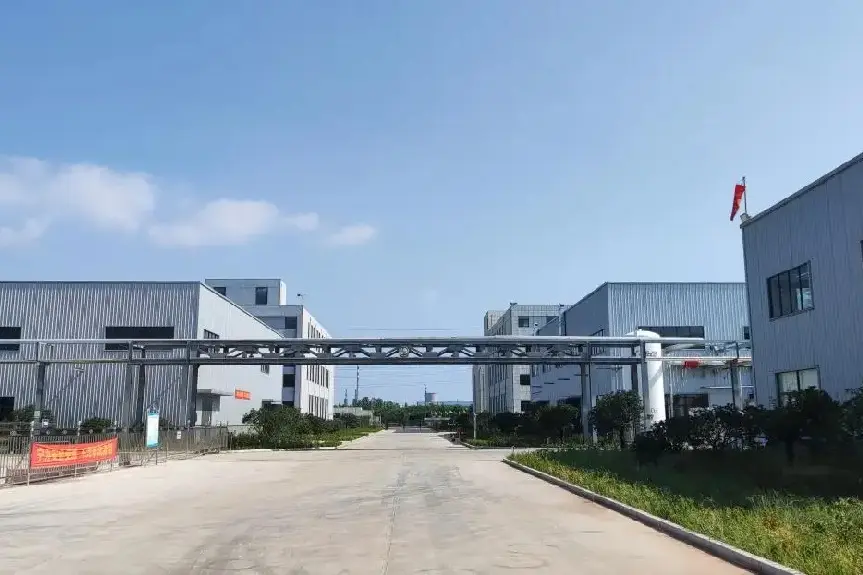
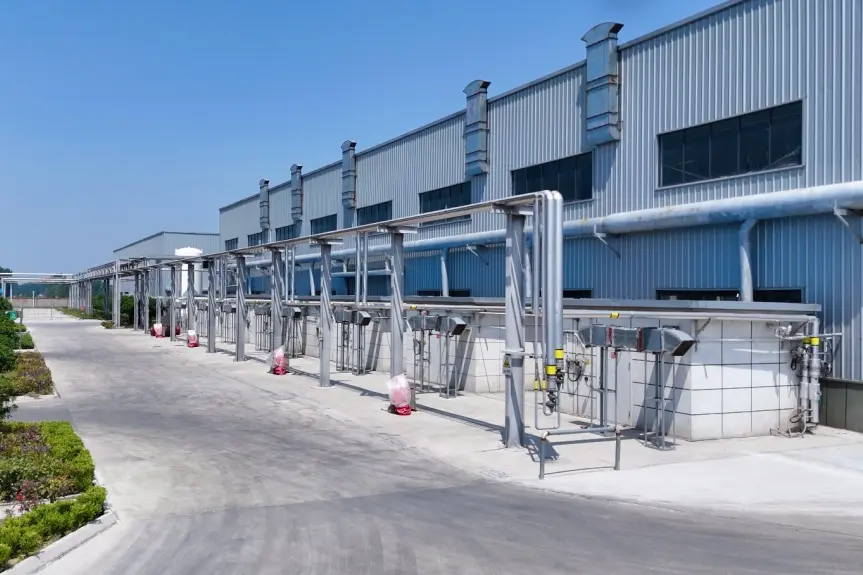
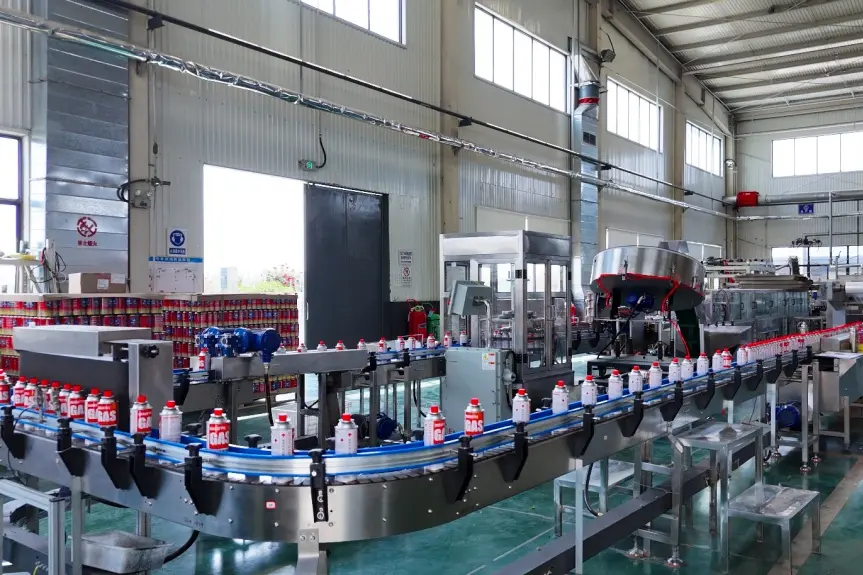
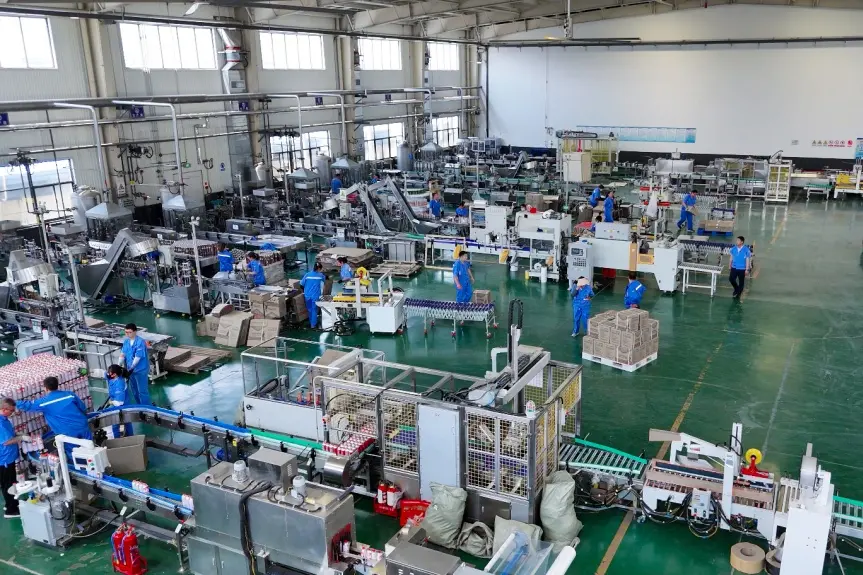
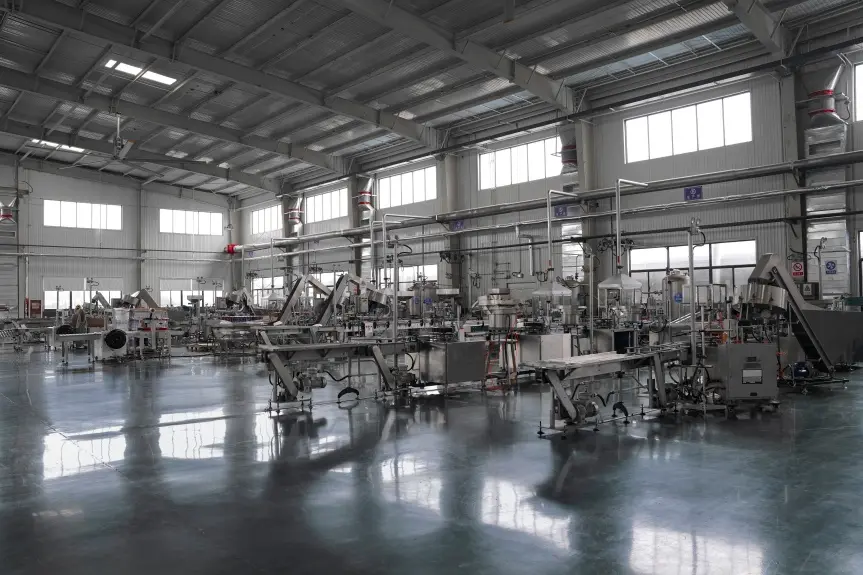
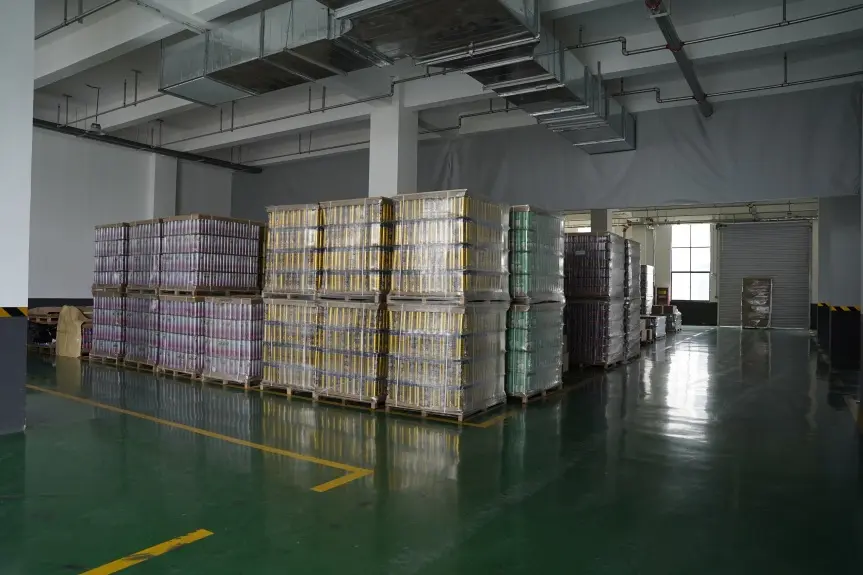
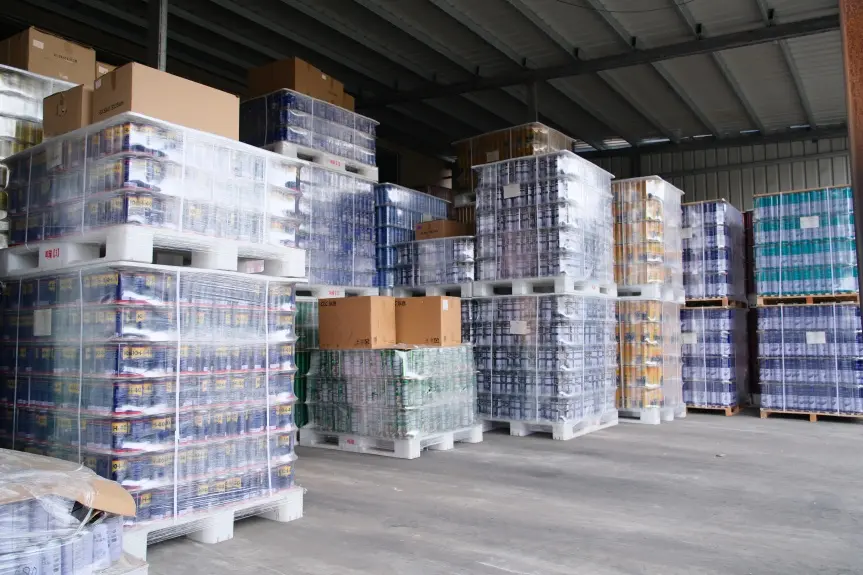
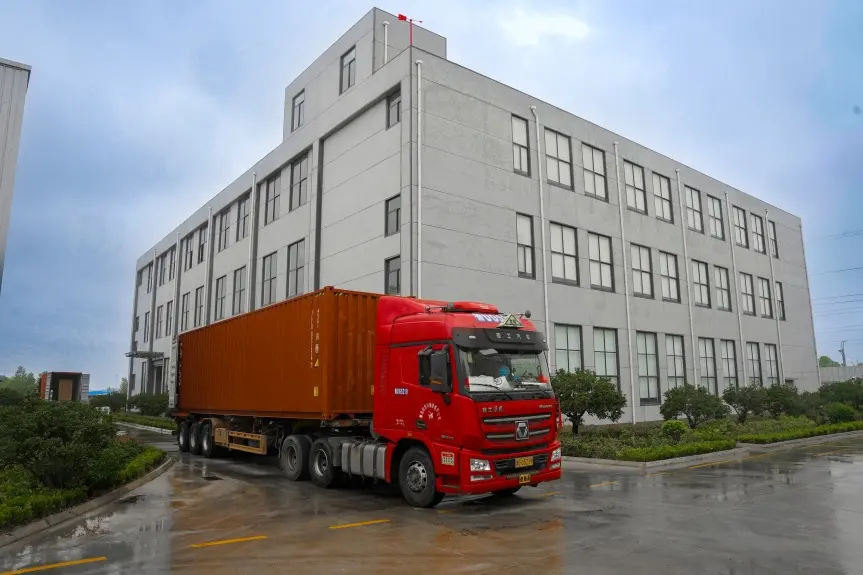
We secure all necessary certifications to guarantee frictionless import processes and trade compliance worldwide.
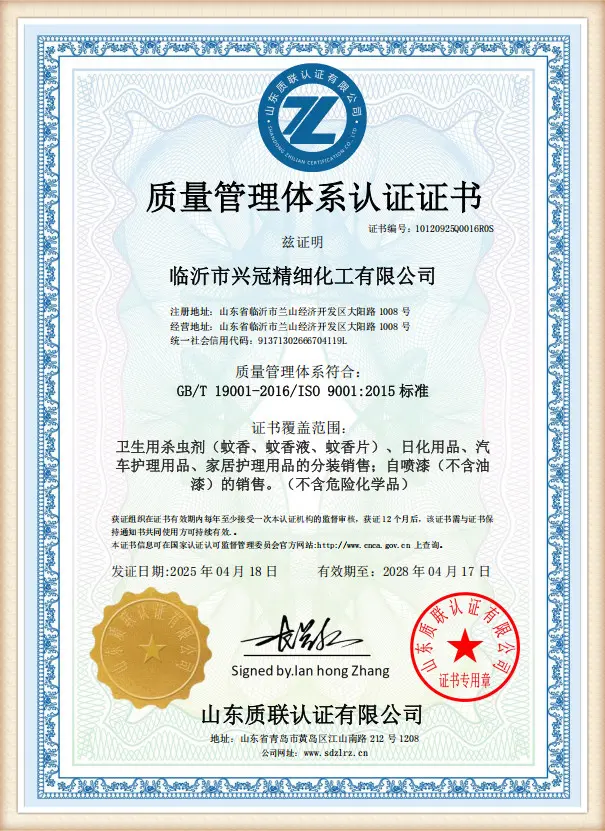
International quality management and chemical storage safety compliance.
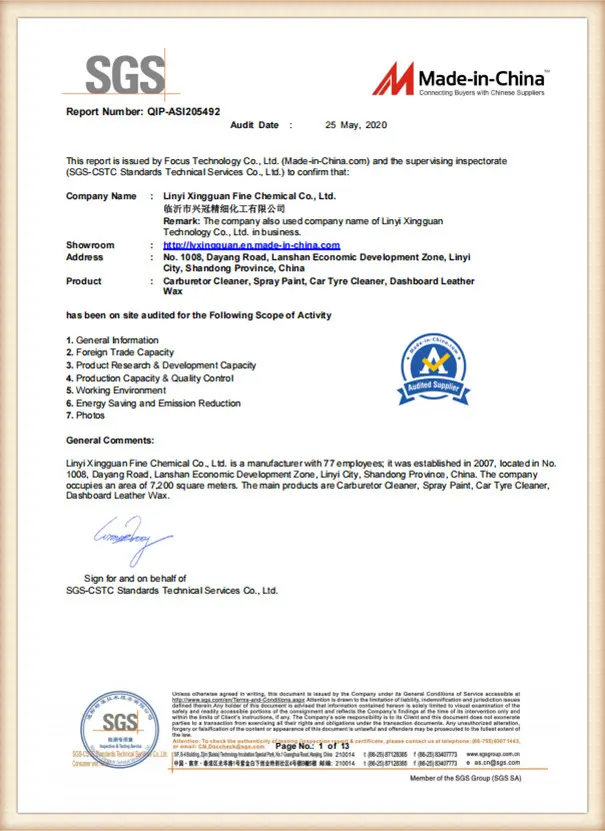
Fully licensed chemical blending, gas filling, and dangerous goods warehousing.
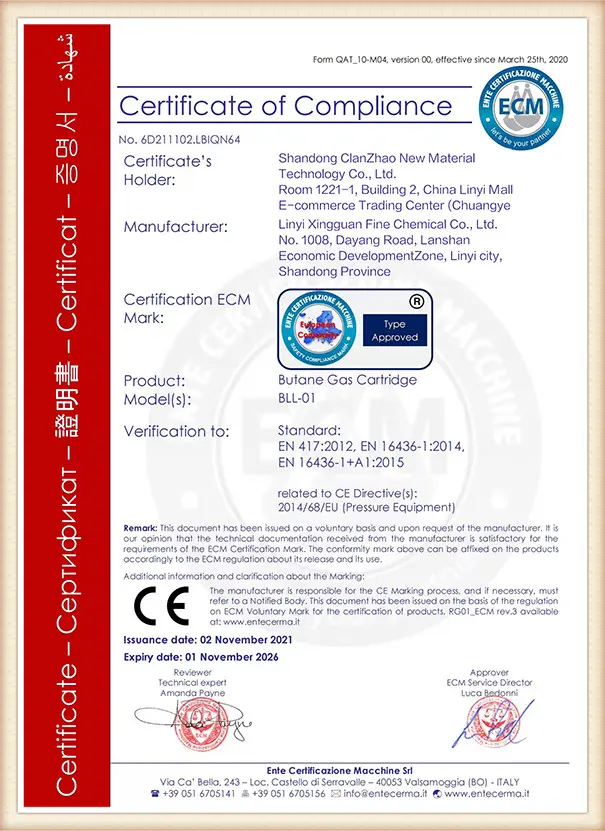
Legal shipping authorization of class 2 aerosols in high-strength maritime packaging.
The global aerosol industry is pivoting towards eco-conscious propellant delivery systems and low-impact chemical compositions. As purchasing departments assess suppliers, three core parameters define the competitive advantage of modern manufacturing:
Our research and development laboratory in Shandong operates in collaboration with chemistry departments of academic institutions to bring these advancements to our B2B customers, ensuring long-term shelf safety and compliant retail placement.
Key information regarding technical features, chemical compositions, OEM/ODM processes, and global trade logistics.
Our formula uses highly thermal-stable silicone-modified acrylic resins. Unlike standard paints that contain alkyd components prone to thermal oxidation and yellowing, our resins resist thermal UV degradation. We incorporate high-purity titanium dioxide (TiO2) and specific heat-stabilizing pigments that preserve color integrity up to 120°C.
Yes. As a dedicated ODM manufacturer, we provide multiple tinplate and aluminum can diameters, ranging from 150ml to 750ml. We offer various actuator styles, including wide-angle nozzles for large panels and narrow-focus valves with extensions for deep HVAC fins. Custom-pressure caps and colored caps corresponding to RAL matching colors are also available.
For custom ODM/OEM runs with lithographed can printing, the standard MOQ is 20,000 cans per design. This is dictated by the high-speed printing press parameters for raw tinplate blanks. For smaller test markets, we can provide neutral white cans with high-quality adhesive labeling, reducing the startup MOQ to 5,000 cans.
Aerosols are classified under Class 2.1 (flammable gases) or Class 2.2 (non-flammable gases) for maritime shipping. We provide certified heavy-duty corrugated cartons designed for DG transport, complete with UN-marking. We handle all logistics paperwork, including the Safety Data Sheets (SDS), Dangerous Goods Declaration (DGD), and Container Packing Certificates (CPC), ensuring safe delivery to major shipping ports worldwide.
Yes. We adjust solvent-to-solid ratios to ensure compliance with localized environmental guidelines. For the European market, we offer formulations under the 2004/42/EC VOC threshold. For North America, we align with EPA regulations and CARB standards. All chemical formulas are accompanied by fully compliant GHS Safety Data Sheets in multiple languages.
For first-time ODM orders where lithographed plate designs require layout and proof approval, lead times average 30 to 45 days. Repeat orders with finalized graphics can be manufactured, filled, checked, and delivered to Qingdao Port within 20 to 25 days.
We supply two categories of formulations: Direct-to-Metal (DTM) paint, which contains active anti-corrosion inhibitors allowing direct application on clean, rust-free iron; and a premium system which utilizes a dedicated zinc phosphate primer layer. For maximum durability in coastal or high-humidity environments, we advise using a specialized primer.
We execute a 100% online water-bath test where every filled aerosol can passes through hot water (50°C/122°F) to verify pressure resistance and check for any micro-leakages. Additionally, random batch samples undergo destruction pressure testing, spray pattern audits, and long-term shelf stability testing in environmental chambers.
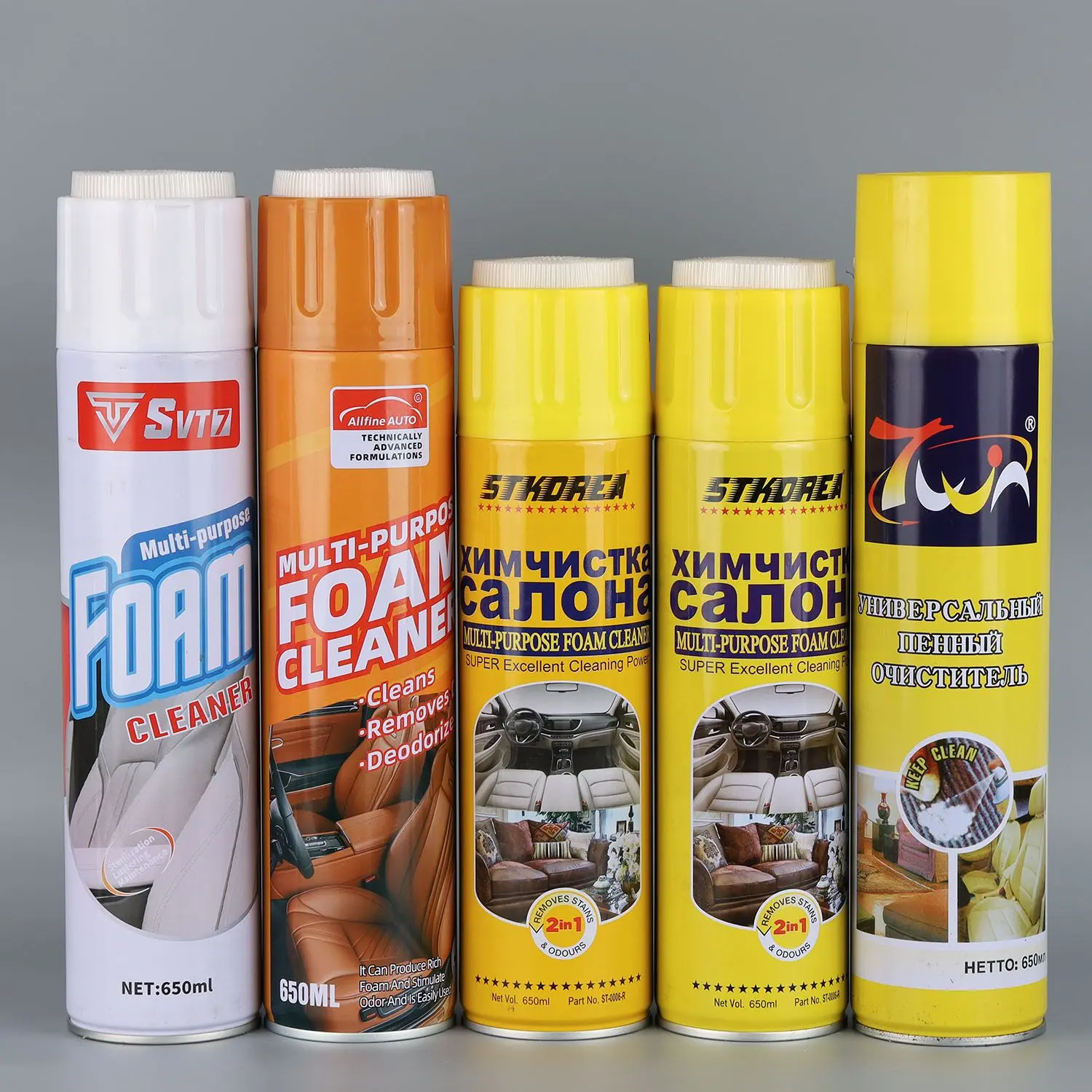
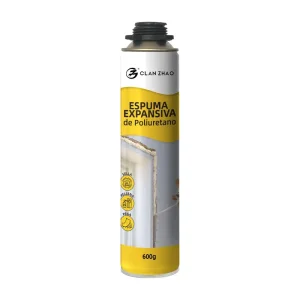
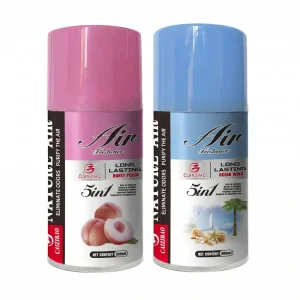
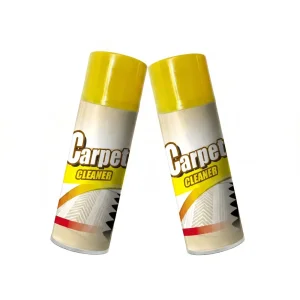
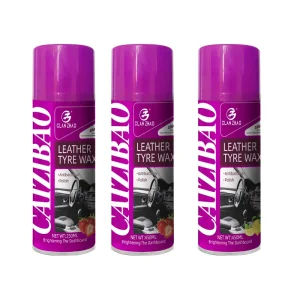
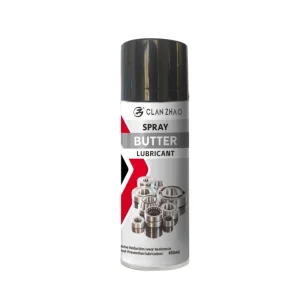
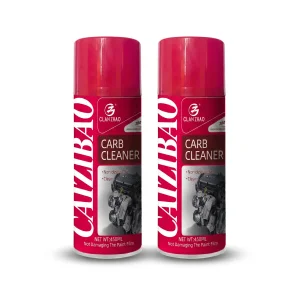
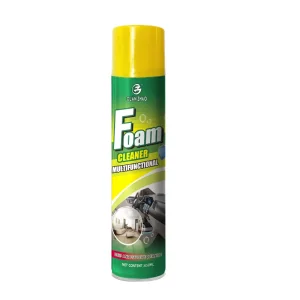
Additional industrial, household, and maintenance products manufactured in our Shandong facility.
 ClanZhao