Explore our high-performance precision chemicals, aerosol coatings, and specialized maintenance solutions built for heavy industrial and marine applications.
Analyzing the chemistry of anti-corrosion spray technologies, raw material supply dynamics, and global B2B procurement standards.
Marine environments represent some of the most corrosive conditions on Earth. High humidity, constant UV radiation exposure, fluctuating thermal cycles, and critical exposure to chloride ions demand specialized protection. Standard acrylic and alkyd spray paints break down quickly under these stresses, leading to localized blistering, substrate oxidation, and structural failure.
High-performance ODM Marine Spray Paint relies on synthetic modified resins—such as epoxy, polyurethane, and fluoropolymer binders—packaged in specialized pressure containers. Key components include:
Industrial-grade marine spray paints are not general-purpose paints. They are target-engineered for rapid deployment, touch-up repair, and preventative preservation across various maritime applications:
Providing essential localized corrosion control on offshore drilling rigs, wind farms, and deep-sea support barges exposed to heavy atmospheric spray and high UV radiation.
Ideal for rapid onboard maintenance of decks, hatch covers, davits, and deck fittings by ship crews during active voyages, minimizing dry-docking intervals.
Delivers high-gloss, aesthetically superior finishes for outboard motors, marine drives, fiberglass hulls, and aluminum masts with exceptional color retention.
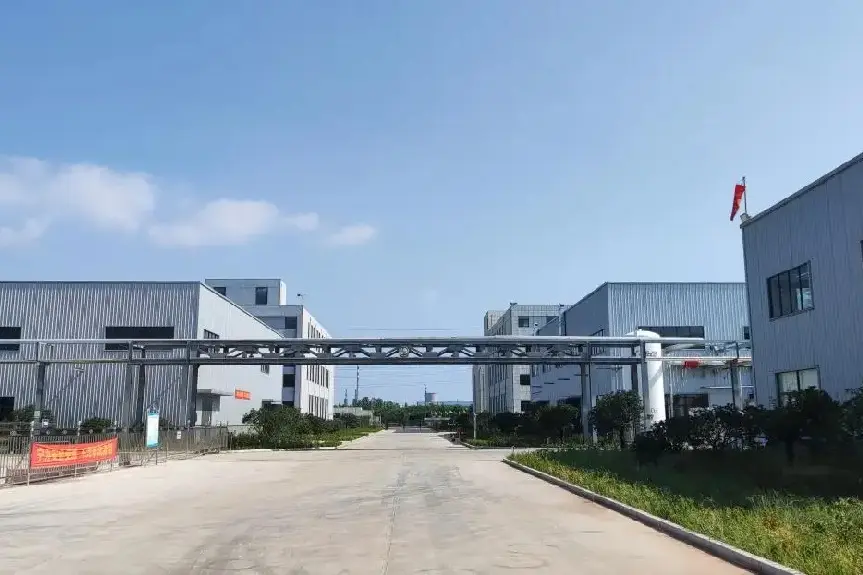
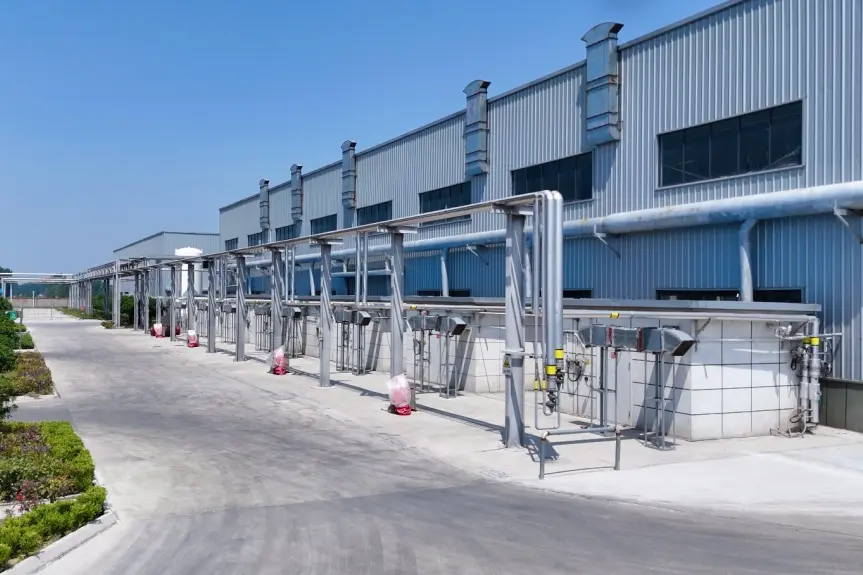
A look at Shandong ClanZhao New Material Technology and our advanced manufacturing base.
Shandong ClanZhao New Material Technology Co., Ltd. is a specialized foreign trade subsidiary wholly-owned by Linyi Xingguan Fine Chemical Co., Ltd. We focus exclusively on the high-end fine chemical industry, specializing in the research, development, and large-scale manufacturing of industrial aerosol products and global cross-border export logistics.
Years of Industrial Fine Chemical R&D Experience
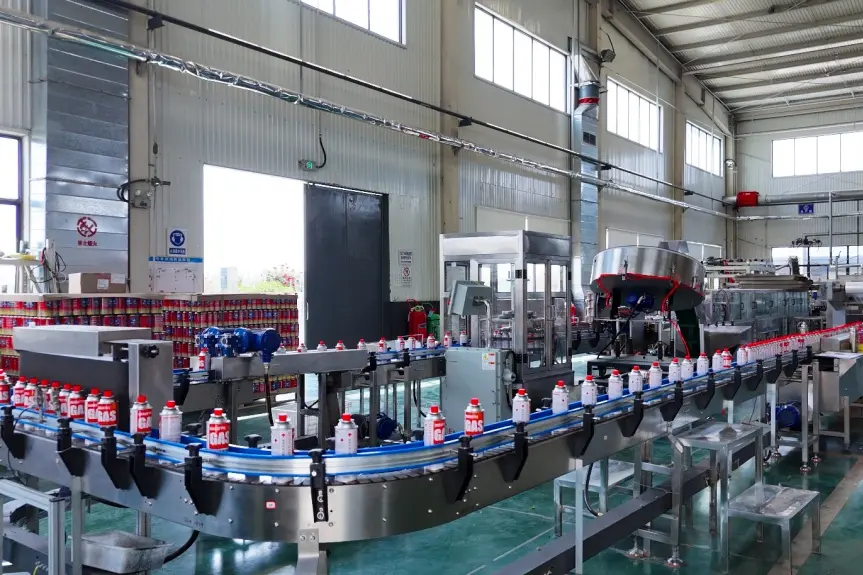
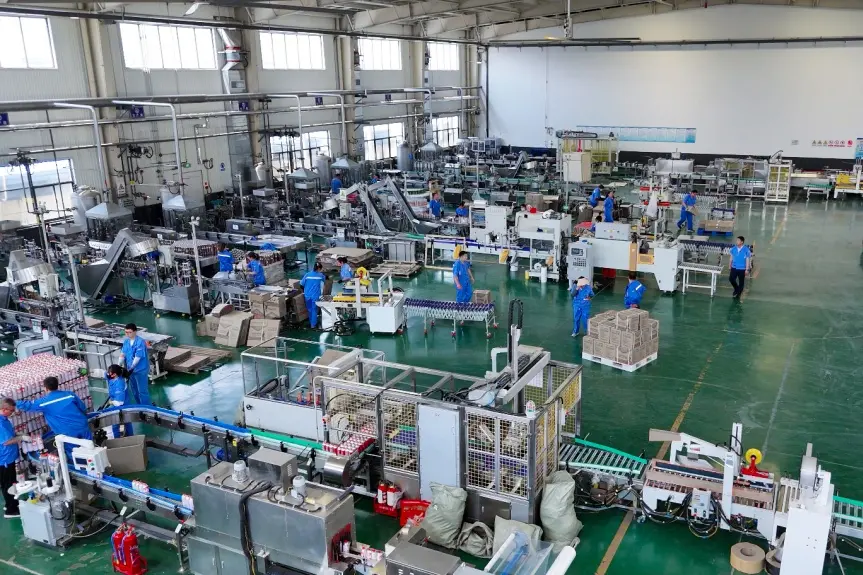
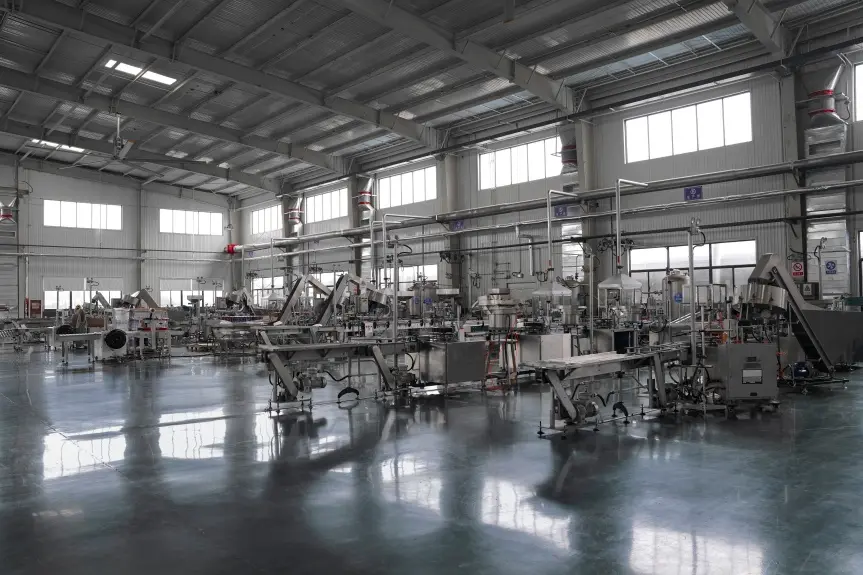
Fully Automated Filling Production Lines
Modernized Chemical Production footprint
Relying on nearly 20 years of parent company expertise, we operate joint R&D laboratories in cooperation with top domestic universities and chemical research institutes. This collaborative structure keeps us at the forefront of chemical science, allowing us to continuously improve our paint chemistry, volatile organic compound (VOC) profiles, and propellant safety.
Our 100,000 square meter factory floor houses 10 international-standard fully automated aerosol filling lines. The facility includes advanced quality control labs that monitor the production cycle from chemical feedstock testing to aerosol valve sealing pressure and final shipping stability.
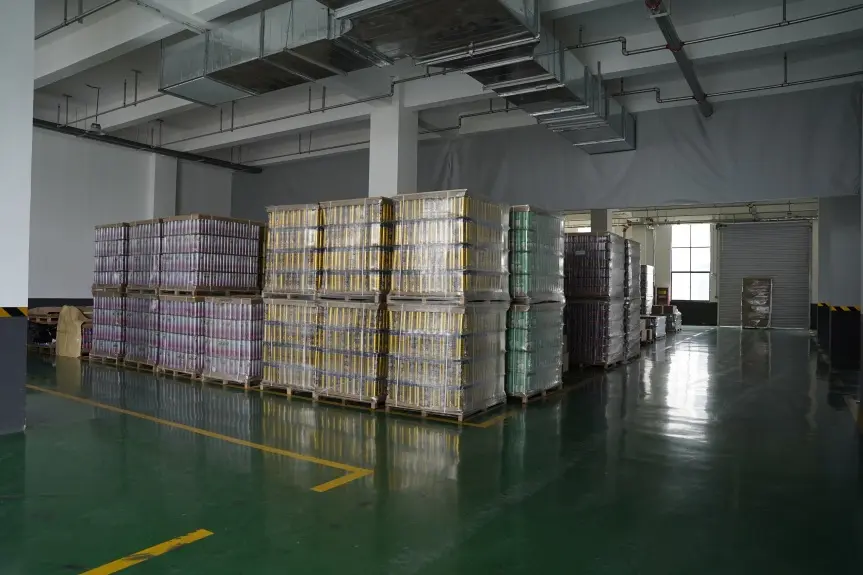
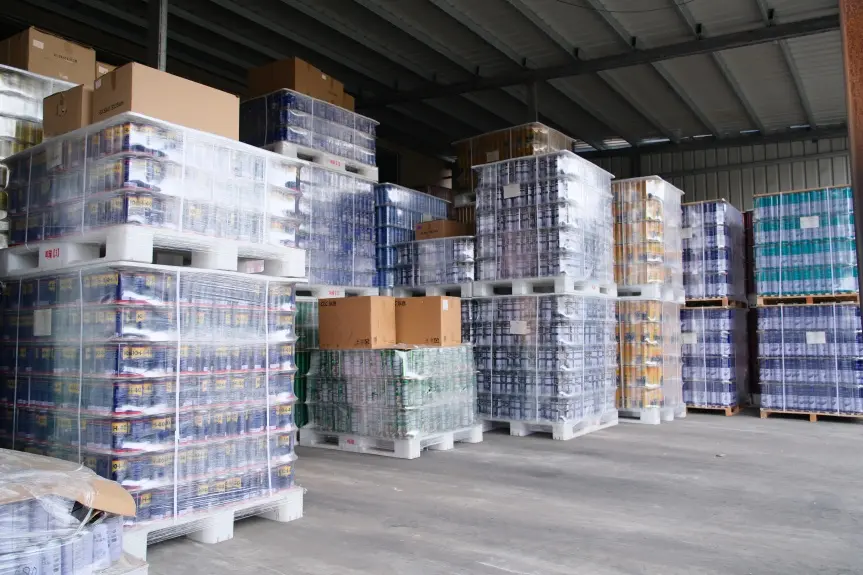
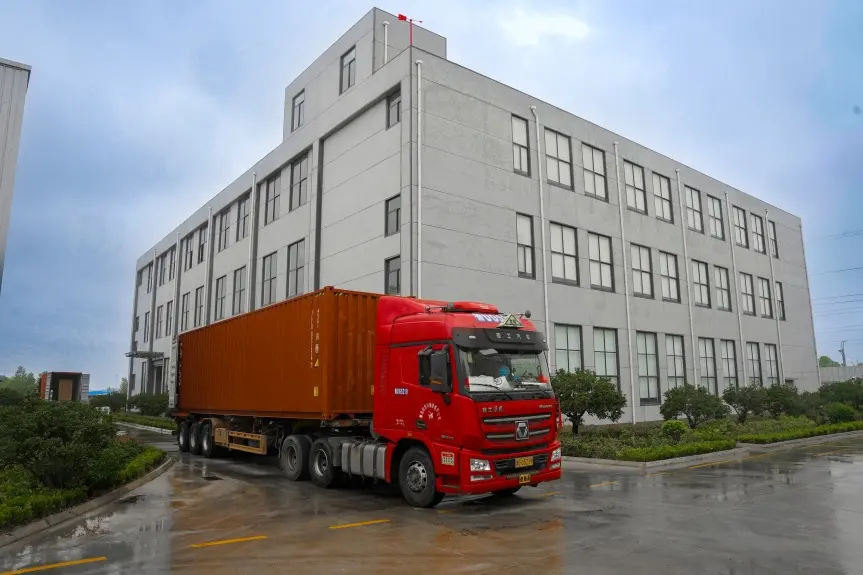
How we ensure global compliance, cost advantages, and specialized shipping safety for overseas buyers.
China produces a significant share of the world's chemical feedstocks, aerosol propellants, and tinplate packaging. Our facility in Linyi, Shandong, sits at the heart of this supply chain, giving us direct access to essential raw materials. This proximity reduces domestic transit times and shields our global ODM partners from raw material shortages.
By maintaining strategic bulk contracts for propellants (such as high-purity dimethyl ether and liquefied petroleum gas) and specialty resins, we protect our clients from sudden market price swings.
Aerosols are classified as UN 1950 Dangerous Goods (Class 2.1 or 2.2). Exporting them requires specialized certifications, proper hazardous material packaging, and compliance with shipping regulations.
We provide full documentation to ensure smooth maritime transport, including:
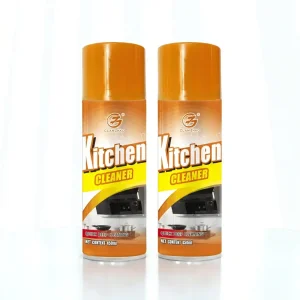
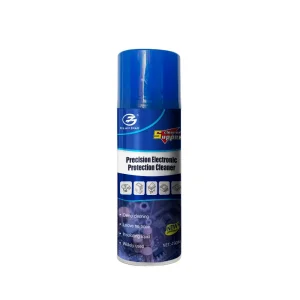
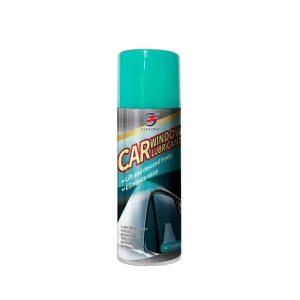
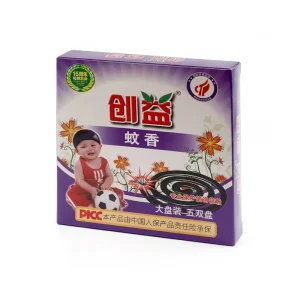
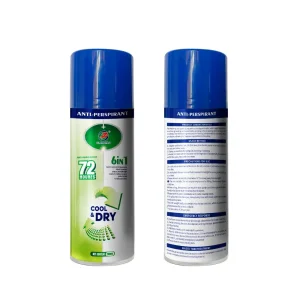
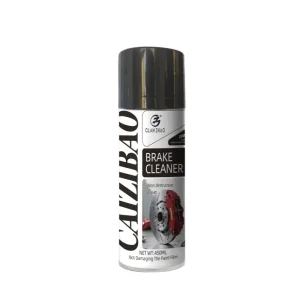
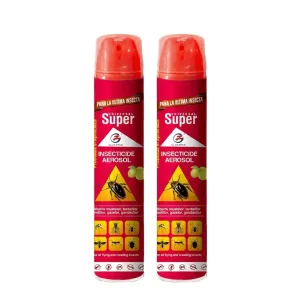
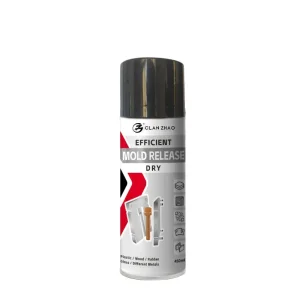
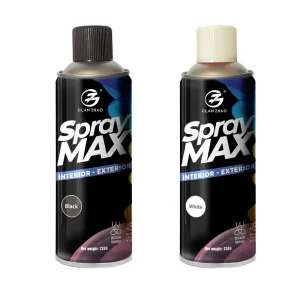
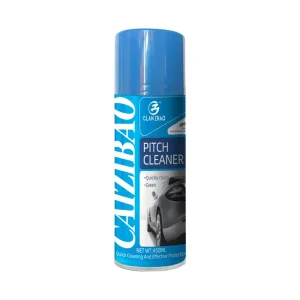
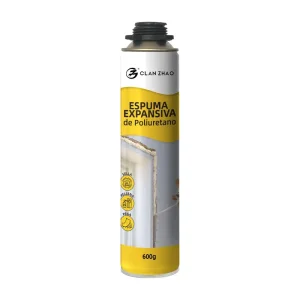
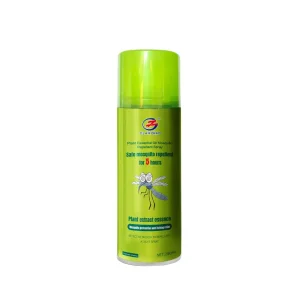
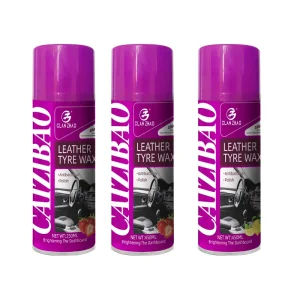
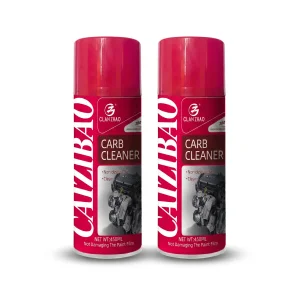
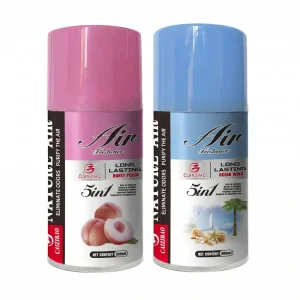
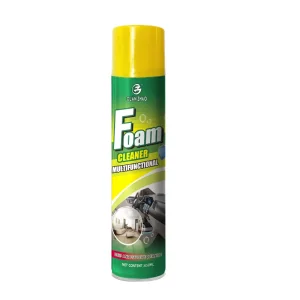
High-resolution category highlights representing our global production versatility.
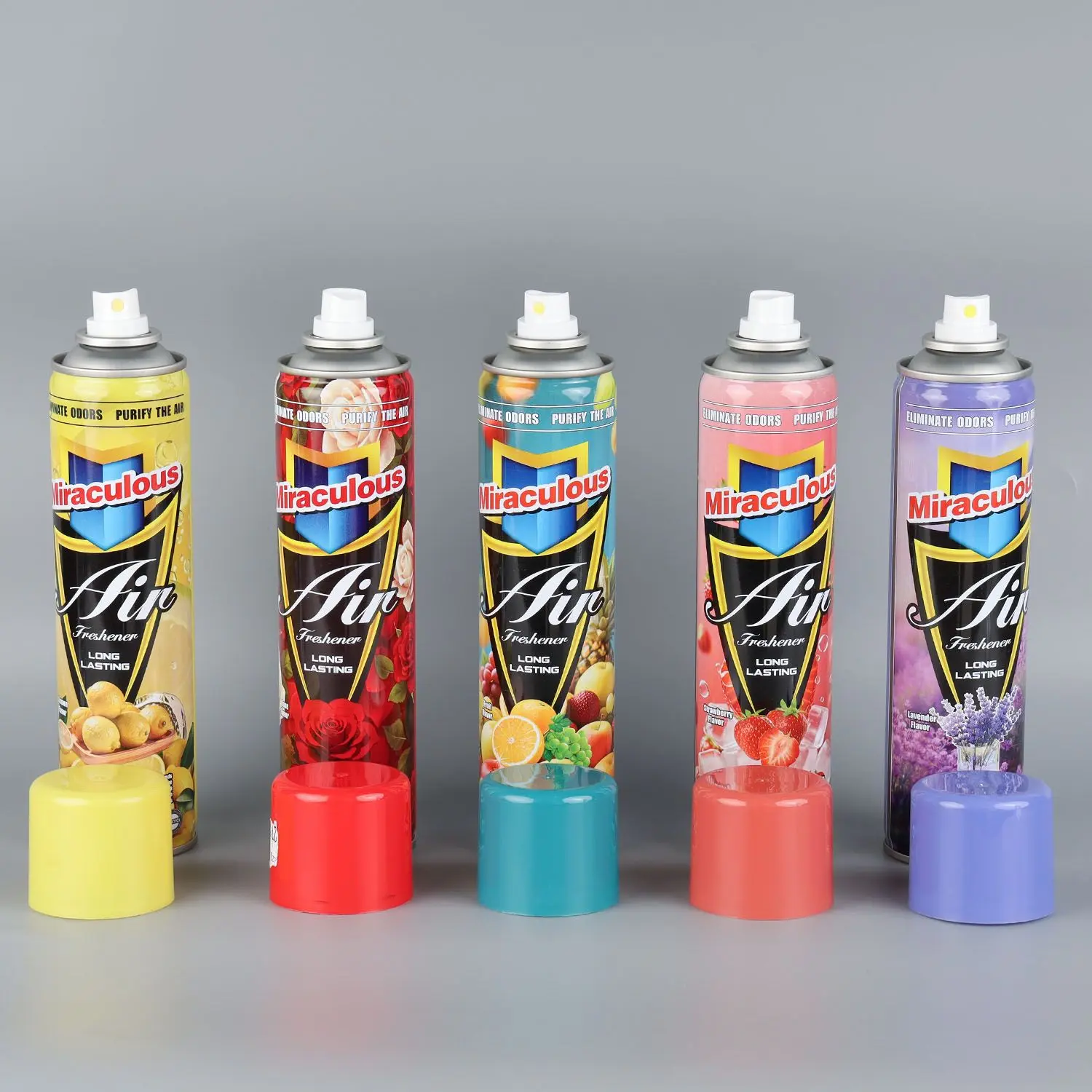
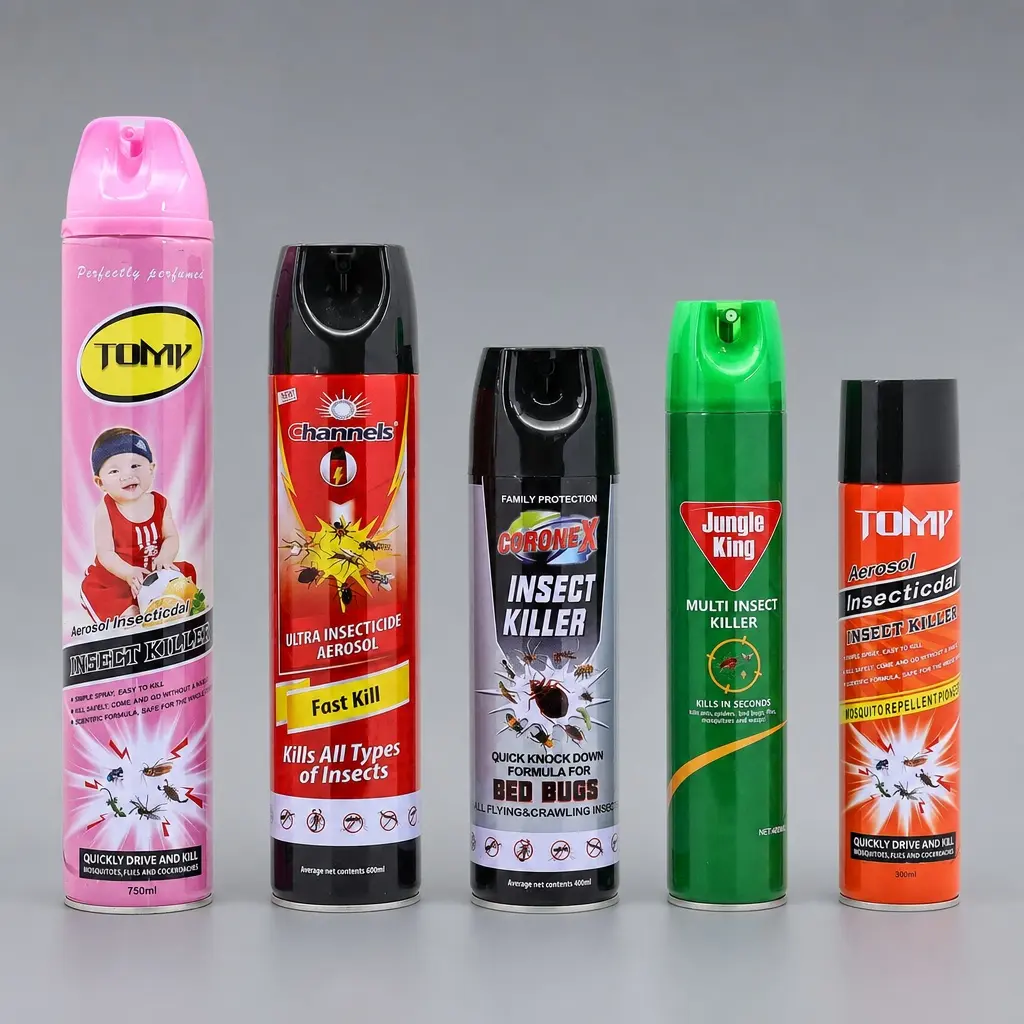
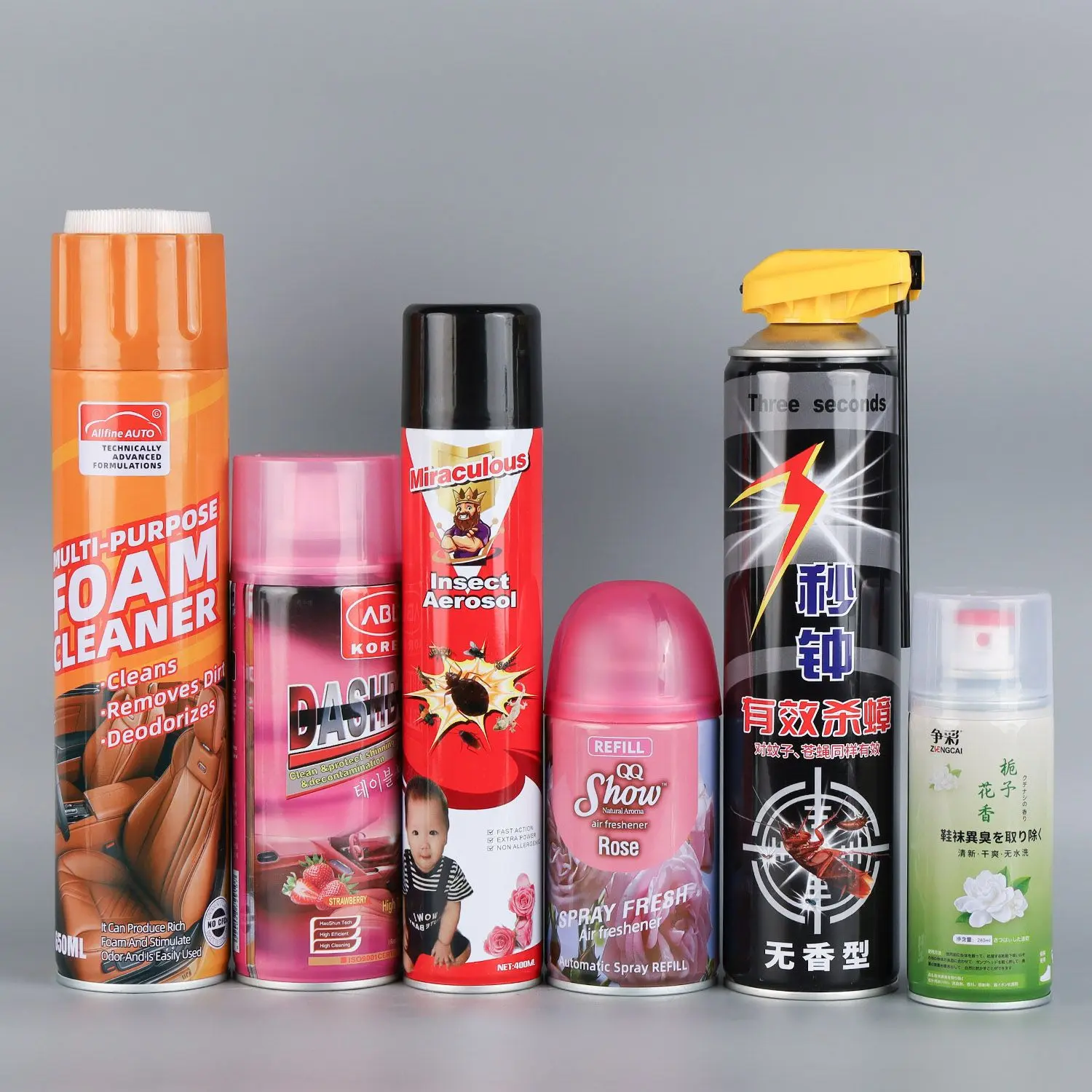
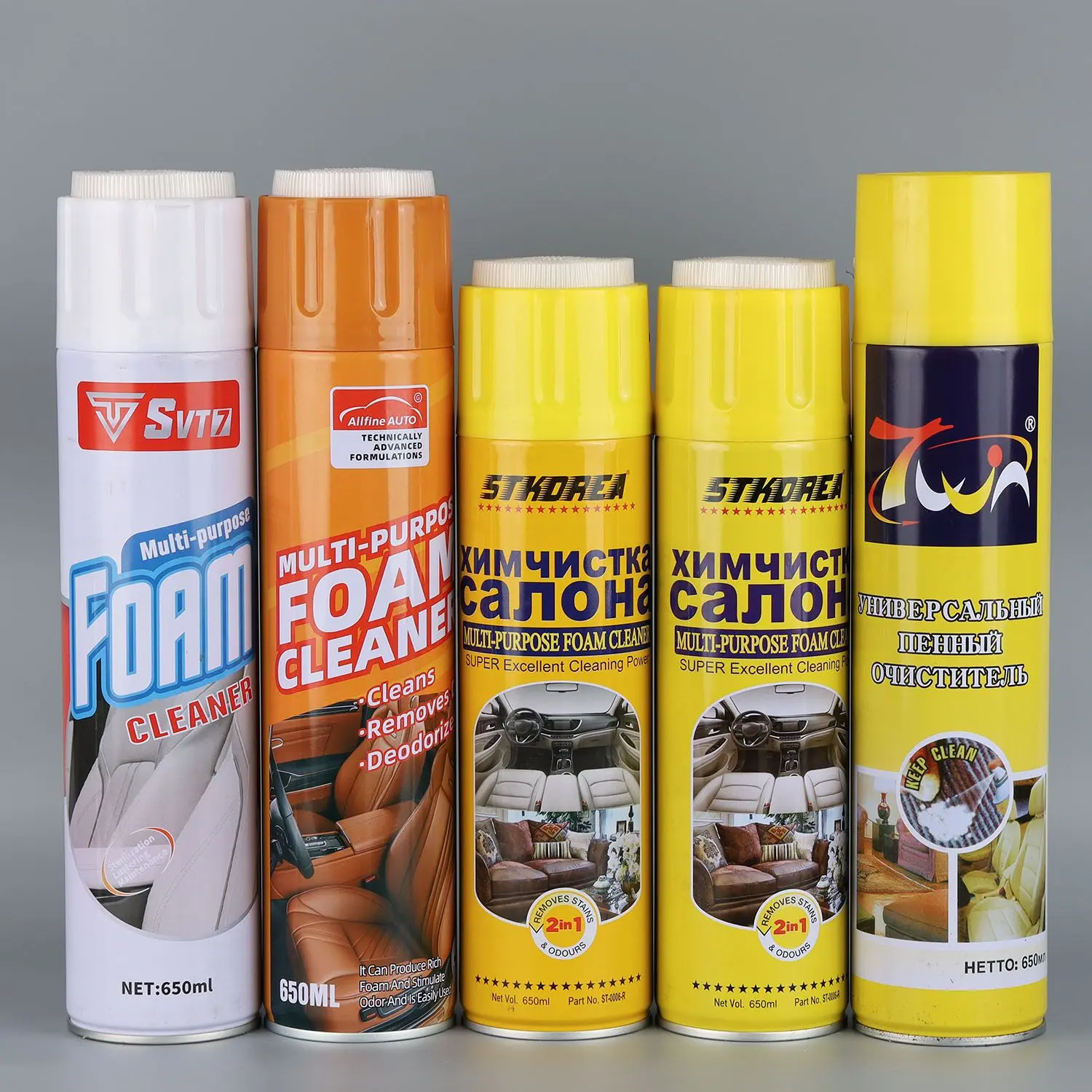
Reliable operations, international certifications, and strict quality control standards.
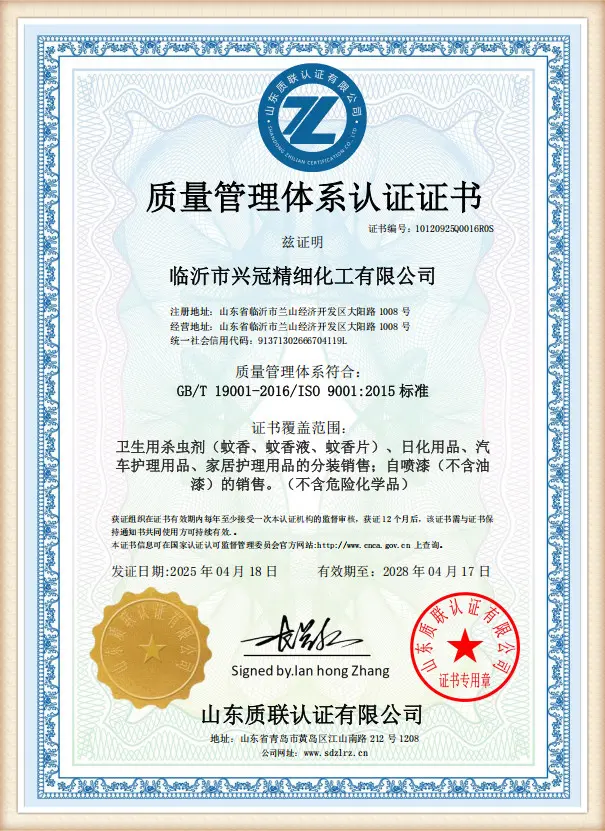
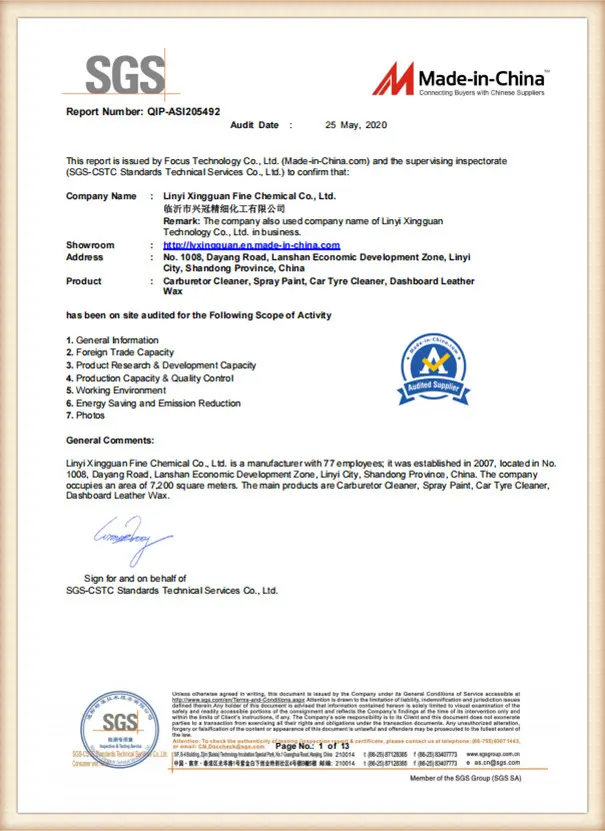
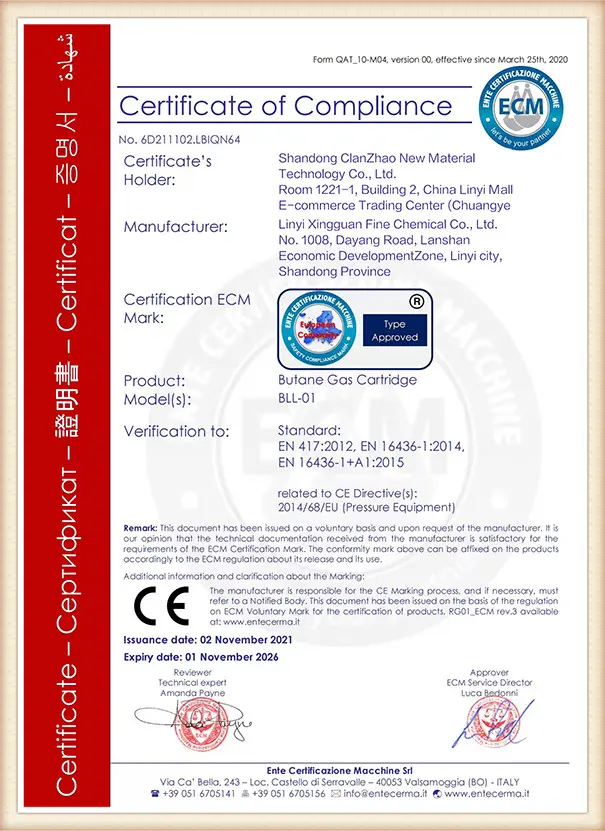
We hold an ISO9001 quality management certification, a formal chemical manufacturing license, and specialized qualifications for packaging and exporting dangerous goods. We manage bulk contract manufacturing as well as custom private label orders for domestic and international brands. Adhering closely to international trade regulations, we ensure stable lead times and reliable delivery for our global partners.
Navigating environmental regulations, bio-based chemical platforms, and next-generation delivery systems.
Global chemical markets face tightening environmental restrictions on volatile organic compounds (VOCs). The EU and North America have set lower VOC limits for marine and industrial maintenance paints. As a result, research is shifting toward high-solids formulations and water-borne aerosol systems. These technologies reduce atmospheric emissions during application without compromising salt spray or weather resistance.
A marine spray paint's performance depends heavily on the aerosol valve and propellant blend. Modern marine paints require heavy solids and dense pigments, which can lead to clogging. Our team utilizes advanced gas-liquefaction propellants and non-clogging female valves. These features ensure consistent atomization, a stable spray pattern, and complete emptying of the can, minimizing product waste.
Answers to common questions from procurement managers, supply chain specialists, and marine engineers.
Explore our wider range of aerosol chemical solutions, including expanding foams, specialized cleaning sprays, and protective waxes.
 ClanZhao