Discover our global wholesale distribution line. Click to view custom packaging, safety sheets, and ordering limits.
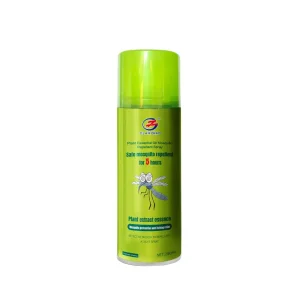 Wholesale Powerful outdoor Anti-mosquito spray for hiking, camping, and backyard adventures Supplier, Manufacturer
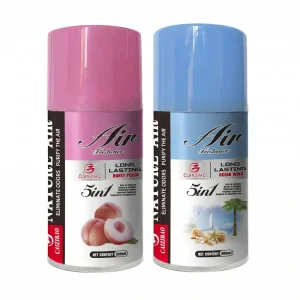 OEM Eliminate odors instantly with our premium fine-chemical air freshener Suppliers, Manufacturers
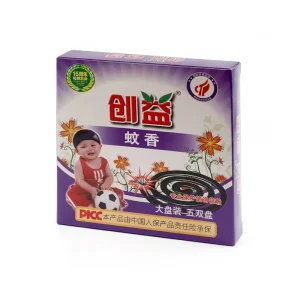 OEM Long-lasting mosquito coil provides eight hours of reliable protection Wholesaler, Exporter
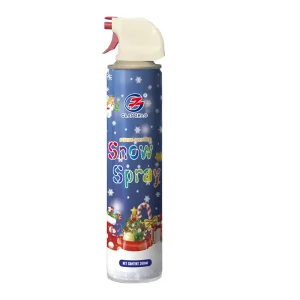 China Instant snow spray for festive windows, parties, and holidays Supplier, Exporters
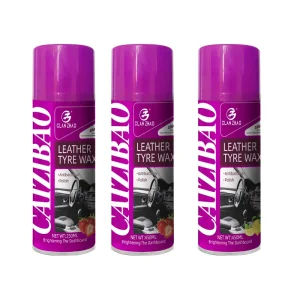 Wholesale Dashboard wax spray that restores shine and protects from UV Supplier, Manufacturers
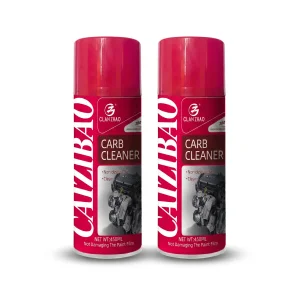 Wholesale Powerful carburetor cleaner that dissolves carbon and gum instantly Wholesaler, Supplier
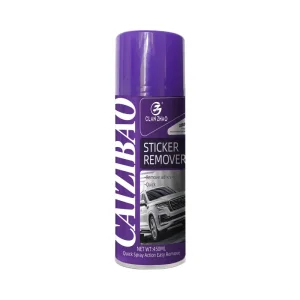 OEM Fast-acting sticker remover that dissolves adhesive residue instantly Manufacturers, Manufacturer
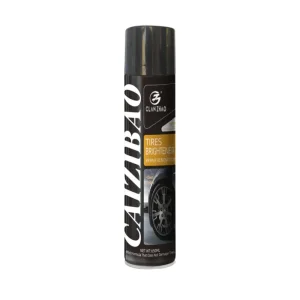 ODM Tire brightener spray that restores deep black shine instantly Manufacturer, Exporters
Meeting the demands of high-friction, high-temperature, and corrosive operational environments worldwide.
In modern manufacturing ecosystems, standard wet lubricants fail under high pressures, vacuum environments, extreme thermal cycling, or dust-heavy operating floors. Colloidal graphite dry-film coatings have emerged as the standard alternative. They offer dry-boundary lubrication that prevents seizing, micro-welding, and galling. Industrial procurement teams and logistics managers face the challenge of securing high-purity, reliable graphite dispersions. These coatings must be tailored to specific substrate properties and cure times.
This technical whitepaper explores the supply-chain frameworks, material science characteristics, and industrial applications of graphite aerosols. It serves as a resource for OEMs, heavy industries, automotive assemblers, and mining operators seeking custom formulations from verified factories. We look at the chemistry of binders, volatile organic compound (VOC) limitations, global regulatory compliance (GHS, REACH), and how our specialized facility meets complex ODM specifications.
Operates effectively in extreme thermal corridors ranging from sub-zero zones up to 850°C (1562°F) under dry mechanical loads.
Provides static dissipation, grounding paths, and EMI/RFI shielding across resin, composite, and metal surfaces.
Fast-evaporating solvent systems leave a uniform, dry micro-layer within minutes, reducing industrial assembly delays.
Standard industrial performance metrics and mechanical limits of graphite dry-film aerosols.
Selecting a graphite spray requires analyzing the technical carrier matrix, binder configuration, and flake purity. Low-quality options may flake, run, or form irregular layers, which can lead to equipment failure or coating wear. We offer customizable carrier bases (solvent vs. water), binder systems (thermosetting epoxy vs. fast-evaporating acrylic), and propellant structures to meet specific operational requirements.
| Property / Parameter | Standard Industrial Range | High-Purity Specialty Grade | Validation Protocol |
|---|---|---|---|
| Graphite Purity (C) | > 97.5% | ≥ 99.8% Ultra-Pure | ASTM D586 / ICP-OES |
| Mean Flake Size (D50) | 5.0 μm - 12.0 μm | 1.5 μm - 4.0 μm (Colloidal) | Laser Diffraction (ISO 13320) |
| Continuous Service Temp | -40°C to 450°C (in air) | -73°C to 850°C (inert atmospheres) | TGA Thermal Profiling |
| Static Friction Coeff (μ) | 0.12 - 0.18 | 0.08 - 0.11 | ASTM D1894 Coefficient Tester |
| Surface Resistivity | < 50 Ohm/sq at 25 μm dry film | < 15 Ohm/sq (Highly Conductive) | Four-Point Probe (ASTM F390) |
| Binder Type | Thermoplastic Acrylic | High-Temp Inorganic Silicate / Polyimide | Chemical Resistance Assay |
Tailoring aerosol dispersion systems for global heavy manufacturing sector requirements.
Used to lubricate engine starter drives, clutch mechanisms, gasket interfaces, leaf springs, and brake components. It acts as an anti-seize coating that remains stable in areas exposed to dirt, sand, and high heat.
Functions as a release agent for metal casting molds, extrusion dies, and glass forming plungers. The coating forms a barrier that prevents hot glass or liquid alloys from adhering to tool steel, reducing tooling wear.
Wet oils and greases outgas in vacuum systems, which can contaminate optical instruments and sensor systems. Graphite dry-film coatings provide lubrication in high-vacuum environments without releasing volatile outgassing compounds.
For major distributors and brand owners, our chemical engineers formulate and package custom sprays to meet targeted goals:
Shandong ClanZhao New Material Technology Co., Ltd. (Linyi Xingguan Fine Chemical Co., Ltd.)
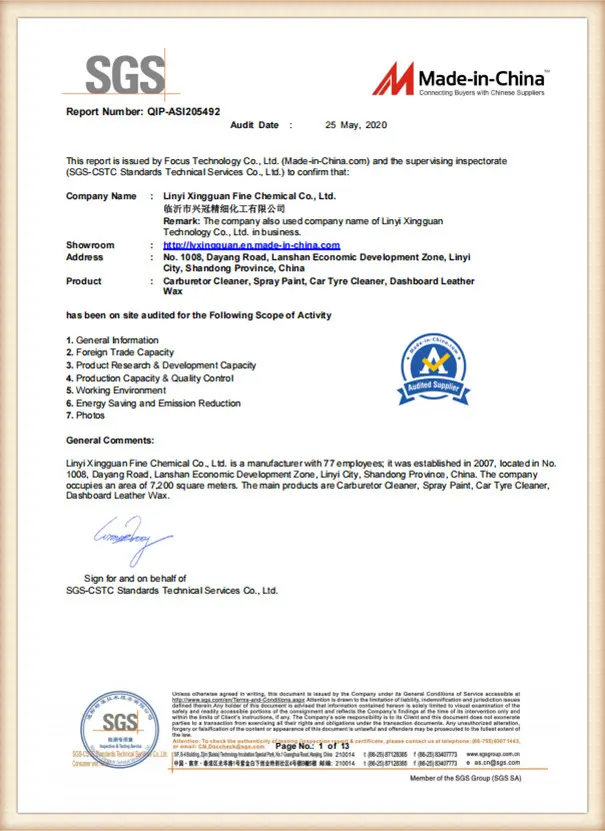
Shandong ClanZhao New Material Technology Co., Ltd. is a specialized foreign trade subsidiary wholly-owned by Linyi Xingguan Fine Chemical Co., Ltd. It focuses on the high-end fine chemical industry, specializing in the research and development of aerosol products, large-scale production, and global cross-border export business. Relying on the parent company's nearly 20 years of accumulation in the fine chemical industry and its mature global channel sales network, the company possesses robust production, sales, and R&D capabilities. We have collaborated with several renowned universities and professional research institutions to establish joint R&D laboratories, continuously iterating on formula processes and launching the research and development of new environmentally friendly chemical products.
Our production base spans an area of 100,000 square meters, equipped with 10 international standard fully automated filling production lines and a full set of precision quality inspection equipment. We have established a standardized quality control system that covers the entire process from raw material storage, production and processing to finished product delivery.

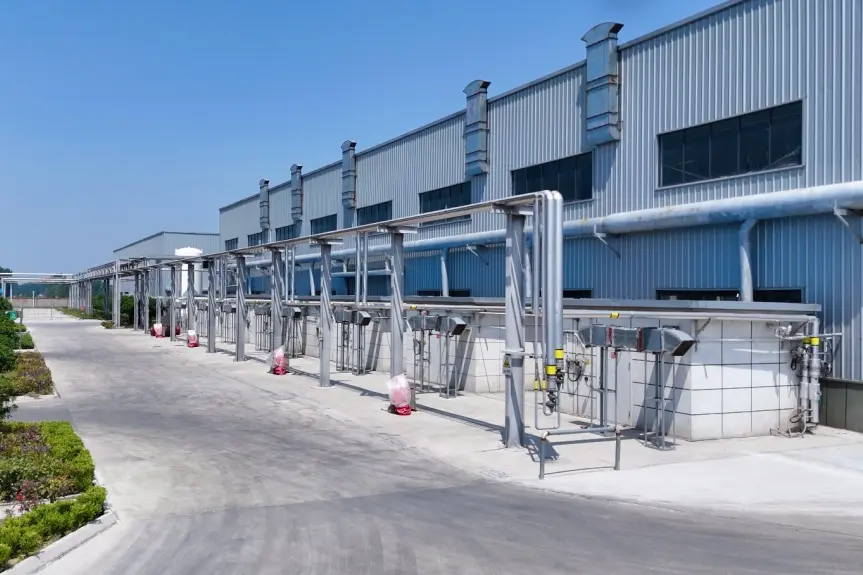
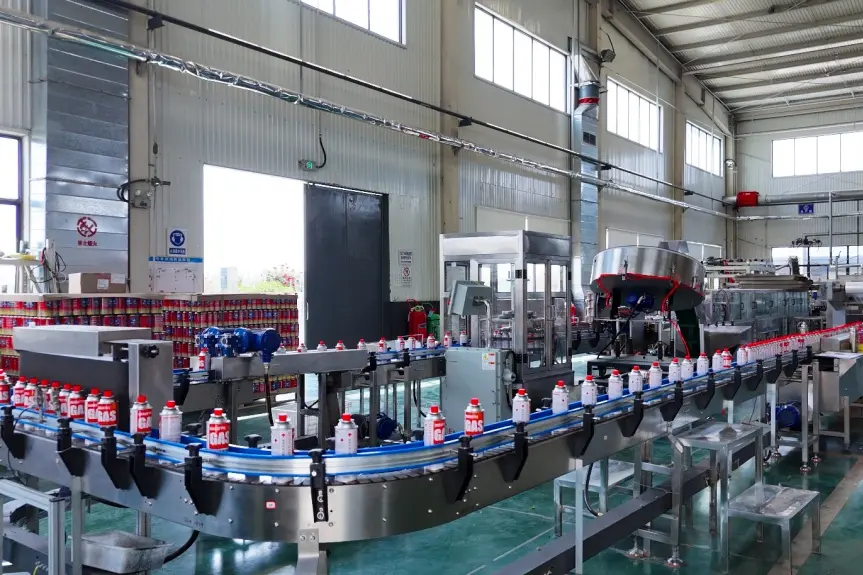
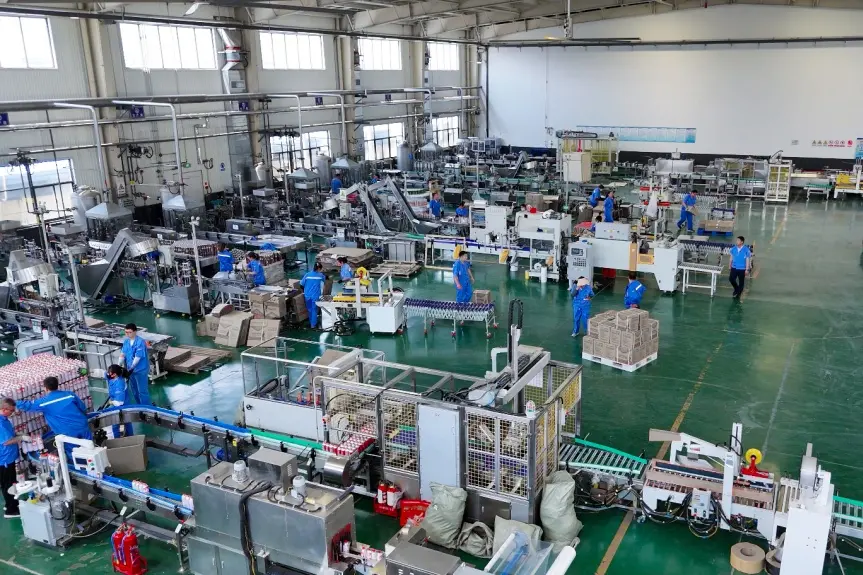
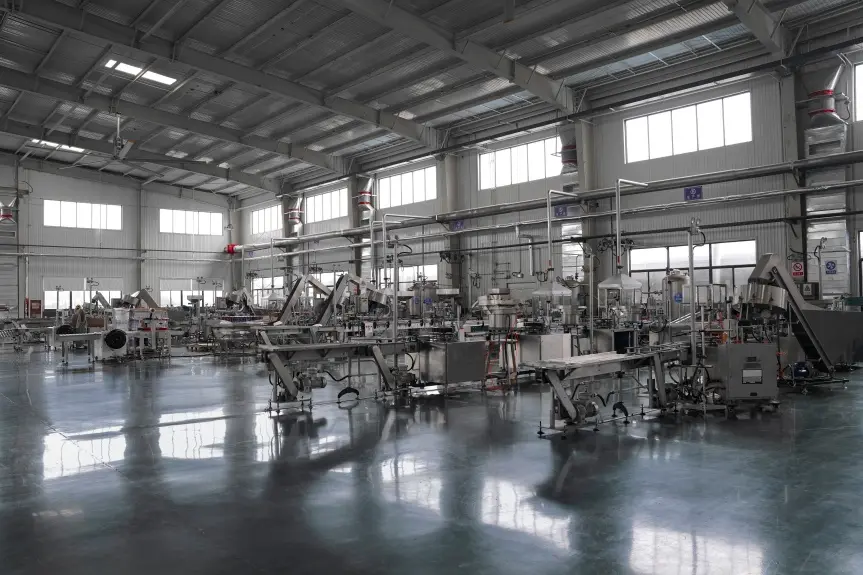
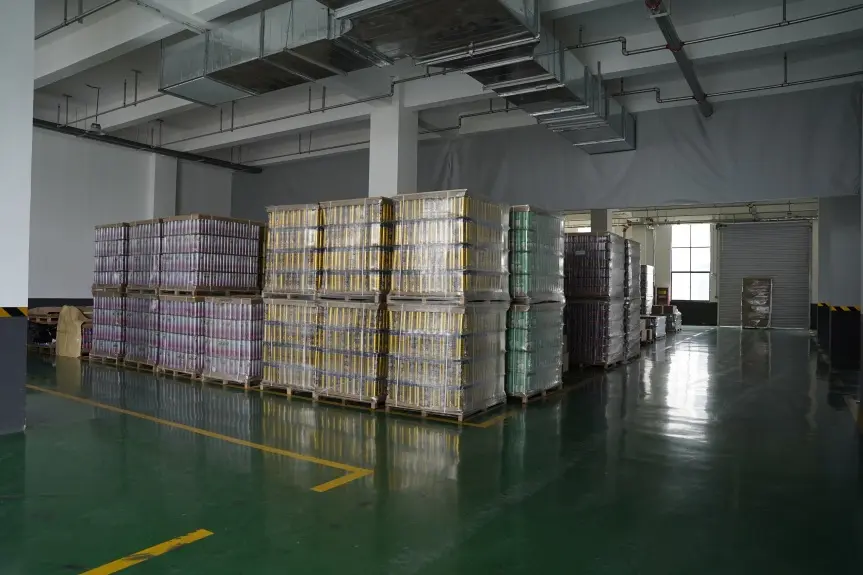
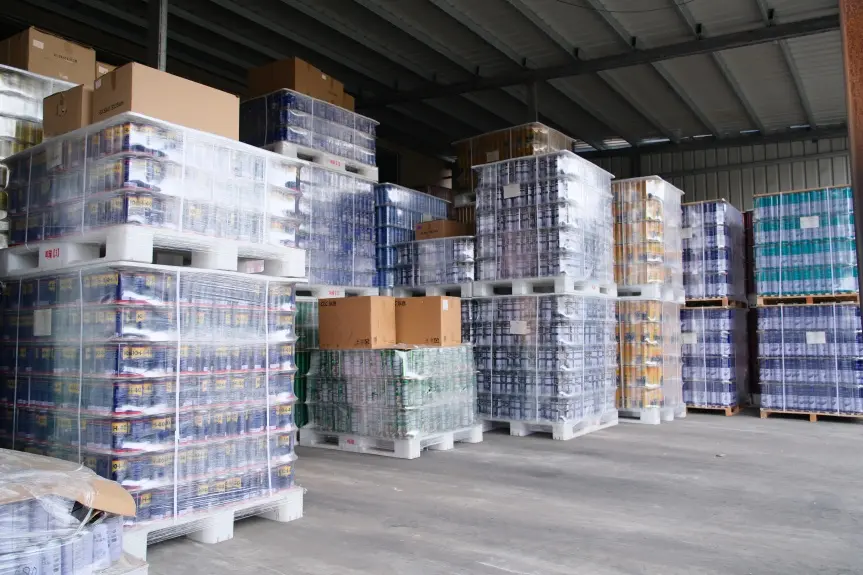

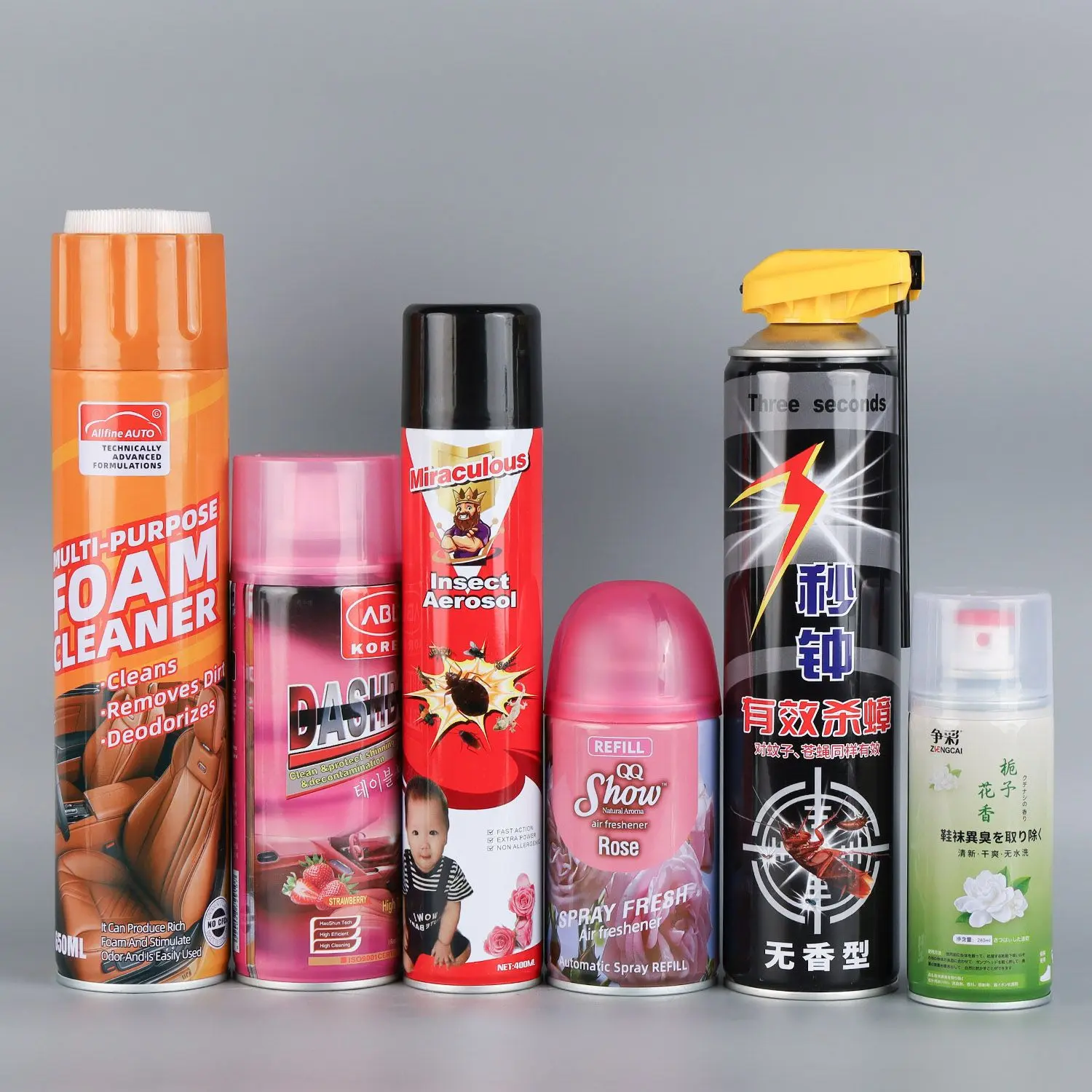
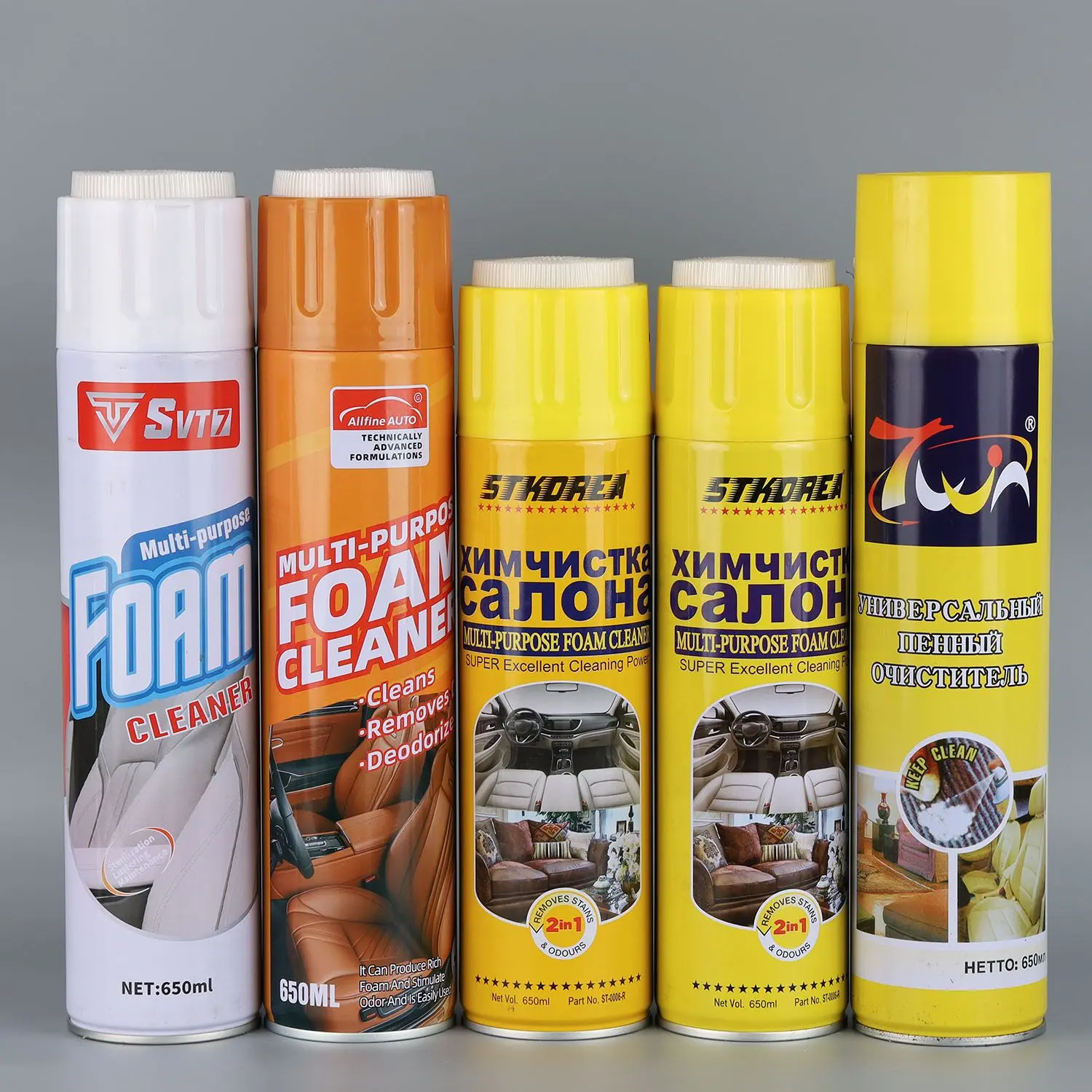
Our company boasts a comprehensive product matrix layout, with core categories spanning eight series: insecticidal aerosols, portable butane gas cylinders, automotive maintenance consumables, household daily chemical products, personal care products, pet cleaning agents, industrial specialized consumables, and foam sealants. Additionally, we offer one-stop, highly adaptable OEM/ODM custom manufacturing services to customers worldwide, deeply matching their differentiated branding and production needs.
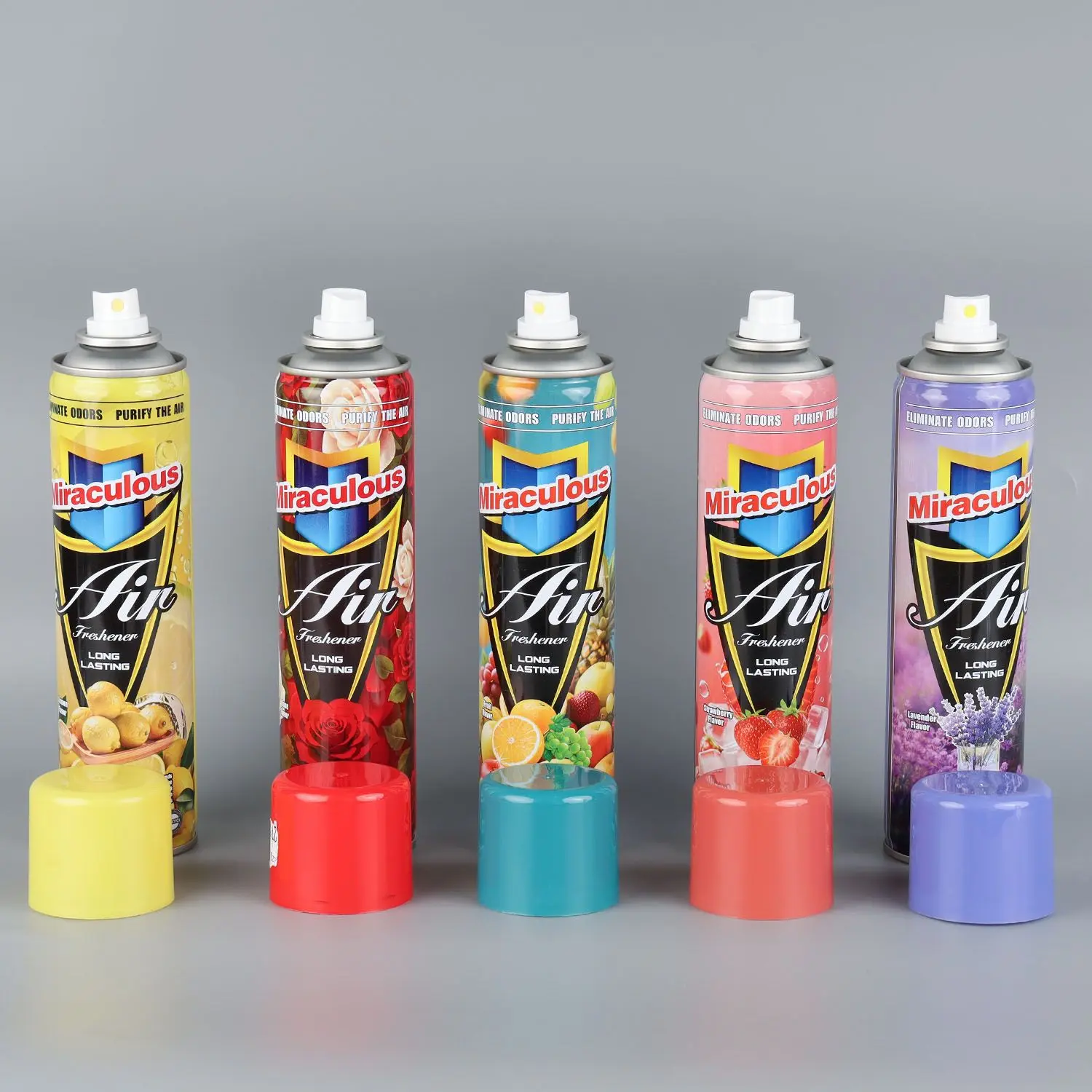
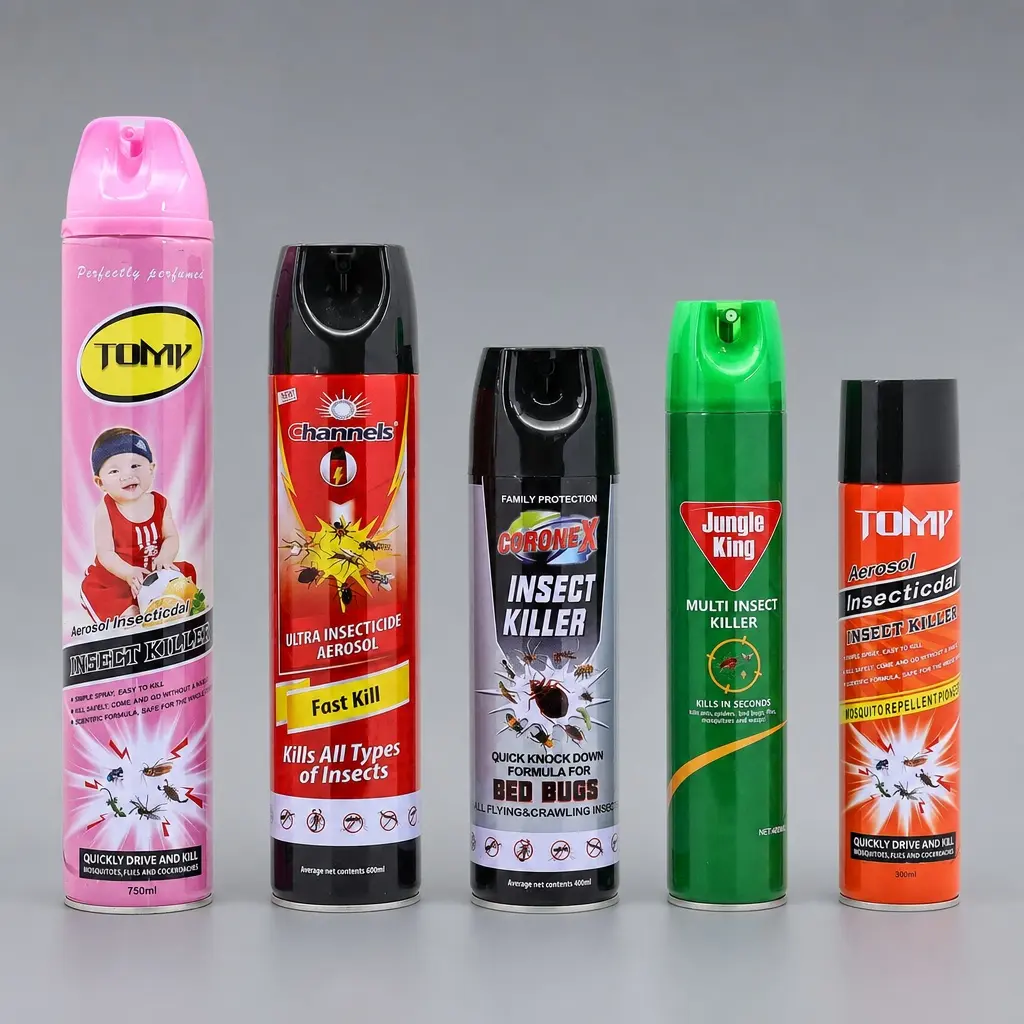
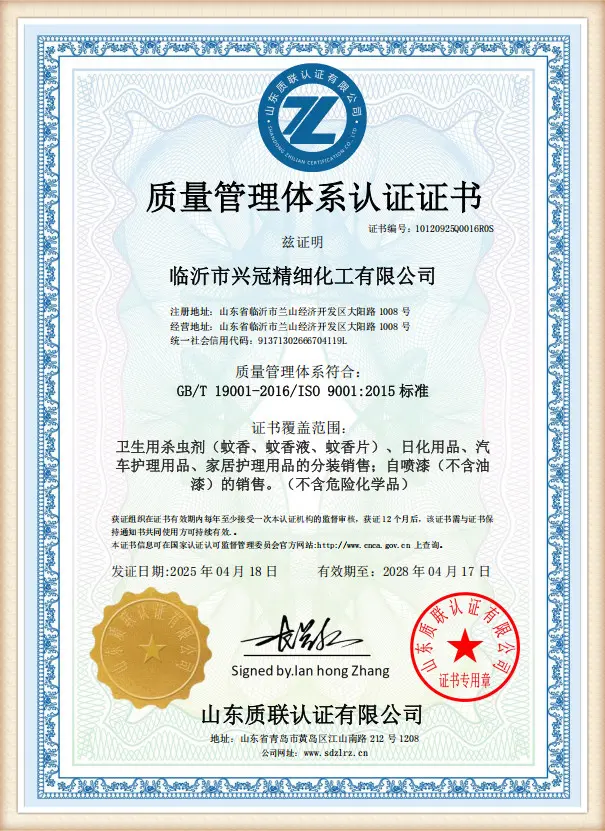
Meeting dangerous goods (Class 2.1 / 2.2 Aerosols) export regulations and international quality standards.
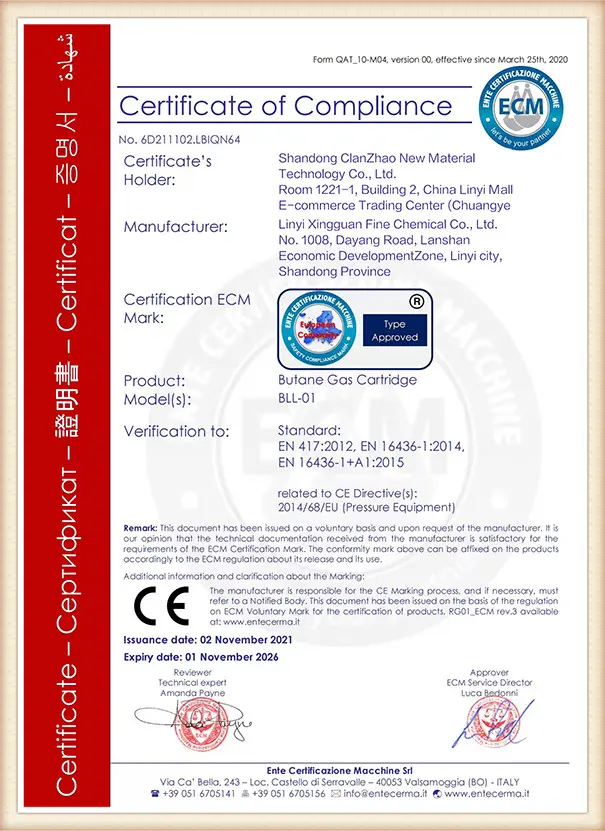
The company has obtained ISO9001 quality management system certification, a formal chemical production license, and the special qualification for exporting dangerous goods packaging. This ensures all qualifications are complete and compliant. We manage the bulk supply of finished products and custom packaging orders for domestic and foreign brands. We adhere to the compliance standards for cross-border trade, helping ensure stable delivery of orders for global customers. We are committed to acting as a reliable, one-stop supply chain partner in the global aerosol industry.
Developing next-generation clean coatings and high-durability lubricants.
Industrial coating technologies are shifting toward lower environmental footprints and higher thermal performance. Our R&D efforts focus on two main areas:
We are developing water-dispensable, zero-VOC graphite aerosol formulas that offer chemical stability and adhesion without using organic solvents. This helps companies meet strict regional clean-air mandates.
By blending micro-crystalline graphite with nano-graphene platelets, we improve structural wear resistance, thermal dissipation, and corrosion protection for components in maritime and heavy industrial machinery.
Our research focuses on replacing petroleum-based acrylic resins with plant-derived, renewable binders that preserve adhesion and mechanical strength at temperatures above 300°C.
Common technical questions regarding graphite spray paint formulation, applications, and logistics.
Standard graphite spray paint is primarily decorative or designed for mild conductive coatings, containing high resin concentrations and lower-purity carbon particles. In contrast, technical-grade dry-film graphite lubricants feature a high concentration of high-purity (minimum 99% carbon) micro-crystalline graphite flakes suspended in specialized fast-curing binders. The lubricant is designed for mechanical durability, chemical resistance, and high-temperature performance under load, leaving a thin lubricating layer rather than a thick decorative coating.
Yes. Through our ODM services, our joint research laboratories adjust surface resistivity from < 50 Ohm/sq down to < 15 Ohm/sq at specified film thicknesses. We achieve this by increasing carbon flake purity, reducing particle sizes, and using acrylic binders that minimize interference with electrical pathways. This makes the product suitable for static grounding, electrode construction, and EMI/RFI shielding.
Because it does not contain oils or silicone fluids, our cured dry-film graphite does not outgas in high-vacuum environments. The carbon structure is chemically inert and resists dilution or degradation from solvents, light acids, alkalis, and oils. However, compatibility with specific binders should be checked if the coating will face continuous exposure to concentrated solvents.
Our standard minimum order quantities for custom aerosol runs range from 10,000 to 20,000 units, depending on the can size, propellant selection, and custom label designs. For standard, off-the-shelf formulations packaged under private labels, we can accommodate smaller MOQ runs based on active manufacturing schedules.
We use laser diffraction particle size analyzers (complying with ISO 13320) to monitor raw graphite slurries. In addition, our ISO9001-certified quality control system tests batch viscosity, solid-to-solvent ratios, and aerosol internal pressure for every production lot to ensure uniform application and performance.
As a registered chemical exporter, we provide a complete set of compliance documentation. This includes GHS safety data sheets (SDS) customized by destination market, UN1950 classification reports, dangerous goods export packaging certifications, and commercial invoices conforming to IMDG (Maritime) and IATA (Air) shipping codes.
Explore our chemical aerosol lines. Contact our export department for details on logistics and custom configurations.
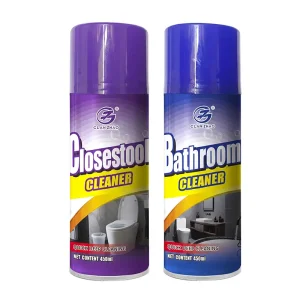 OEM Bathroom cleaner spray that dissolves soap scum and hard water stains Wholesaler, Exporter
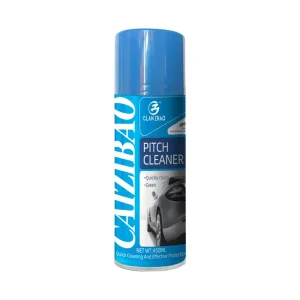 China Pitch remover spray that dissolves tar, bitumen, and tree sap Factory, Exporter
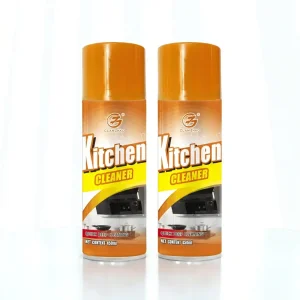 ODM Powerful kitchen cleaner that cuts grease and removes grime instantly Wholesaler, Supplier
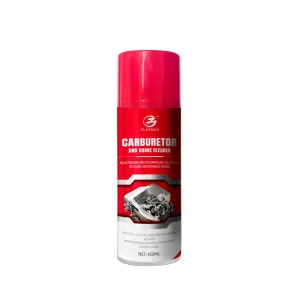 China Industrial parts cleaner that dissolves grease and oil instantly Factory, Supplier
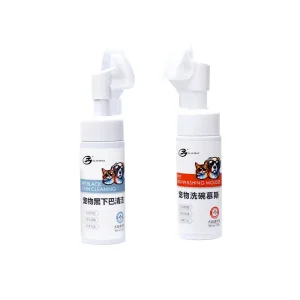 ODM Non-toxic pet cleaner – safe for paws, noses, and kids Factory, Manufacturer
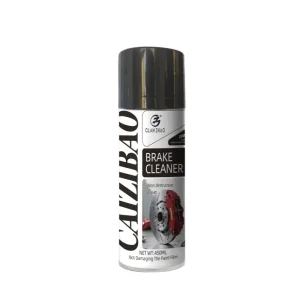 China Fast-acting brake cleaner that removes grease and brake dust Manufacturers, Exporters
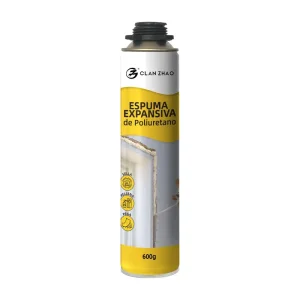 OEM Expanding PU foam that fills, seals, and insulates gaps instantly Suppliers, Exporter
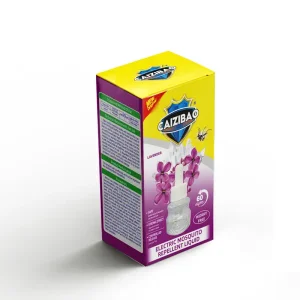 OEM Long-lasting electric mosquito repellent liquid – up to 45 nights of rest. Exporters, Exporter
 ClanZhao