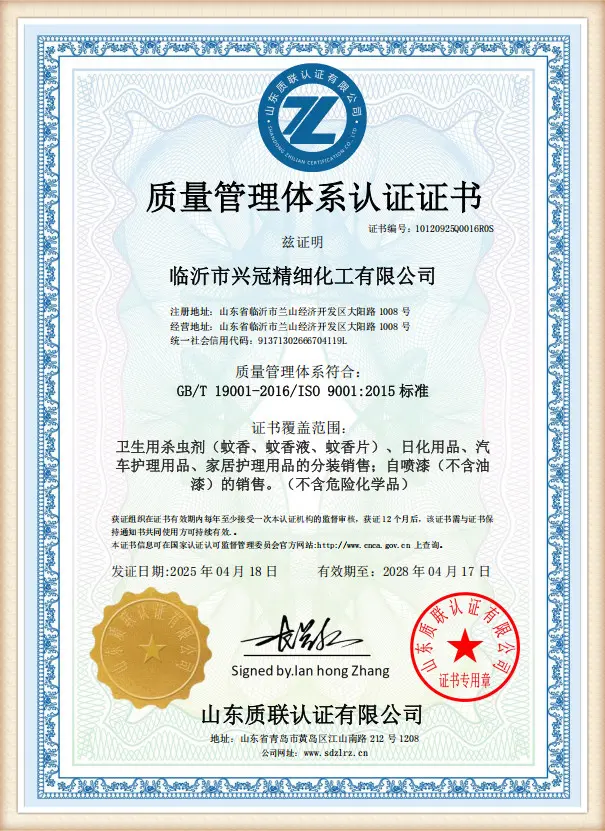
Industrial-grade automotive maintenance and consumer chemical products manufactured under strict ISO 9001 certification.
An Executive Technical Whitepaper on Automotive Lubricant Engineering and Global Supply Chain Excellence
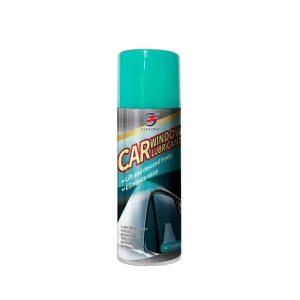
Modern automotive manufacturing and aftermarket care demand lubrication solutions that balance mechanical performance with chemical compatibility. The automotive glass run channel (car window track) represents a high-friction zone where rubber, glass, and plastic interact under variable climate conditions. Choosing or formulating a premium window lubricant is critical to extending the lifecycle of window regulator motors, preserving elastomer integrity, and ensuring a quiet cabin environment.
Information Gain Directive: Wet-film lubricants attract fine silica particles (dust) which acts as an abrasive, damaging EPDM weatherstripping and increasing motor current draw. The modern approach relies on specialized silicone polymers and dry PTFE dry-film dispersions that cure to create a hydrophobic barrier without attracting contaminants.
Glass run channels are typically composed of EPDM (Ethylene Propylene Diene Monomer) rubber, co-extruded with a flocking material or treated with a low-friction coating during manufacturing. Over time, environmental exposure to ultraviolet radiation, extreme thermal cycles, ozone, and road dust depletes this factory-applied slide coating. The resulting increase in static and dynamic friction manifests as window squeaking, erratic operation, and safety-reversal system triggers (anti-pinch mechanisms).
From an engineering perspective, applying generic petroleum-based lubricants is counterproductive. Mineral oils and hydrocarbons degrade EPDM rubber, causing swelling, loss of tensile strength, and eventual gumming of the track. A high-performance ODM Car Window Lubricant must utilize carrier solvents and active lubricating solids that protect the elastomer substrate while facilitating smooth glass travel.
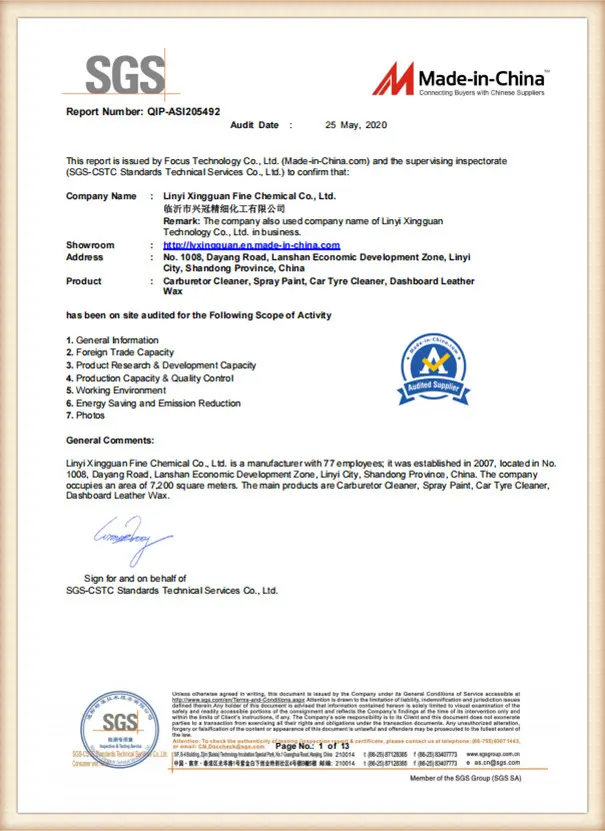
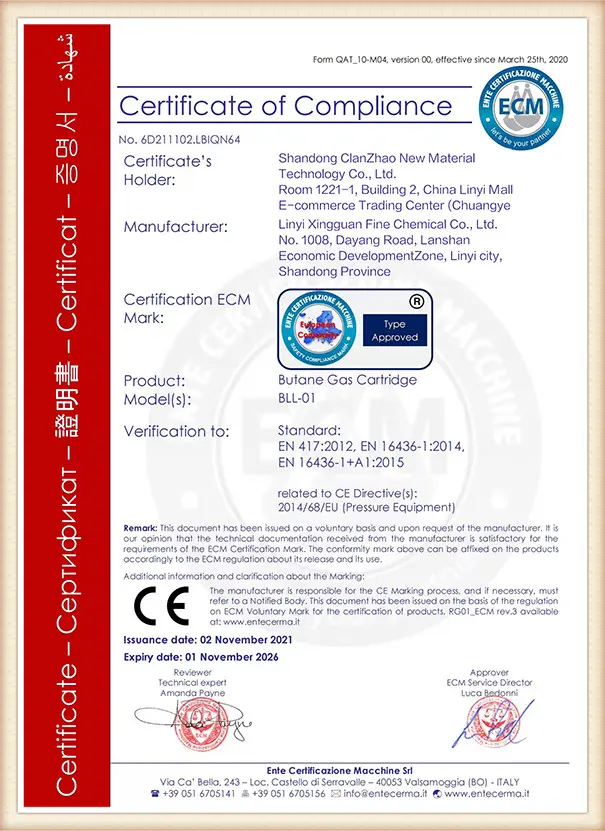
Shandong ClanZhao New Material Technology Co., Ltd. is the dedicated foreign trade subsidiary of Linyi Xingguan Fine Chemical Co., Ltd., driving automotive chemical innovation globally.
Linyi Xingguan Fine Chemical Co., Ltd. has spent nearly two decades mastering fine chemical formulation and aerosol packaging. Through our dedicated export arm, Shandong ClanZhao, we provide global procurement managers, automotive brands, and industrial distributors access to high-volume manufacturing capabilities that match stringent international benchmarks.
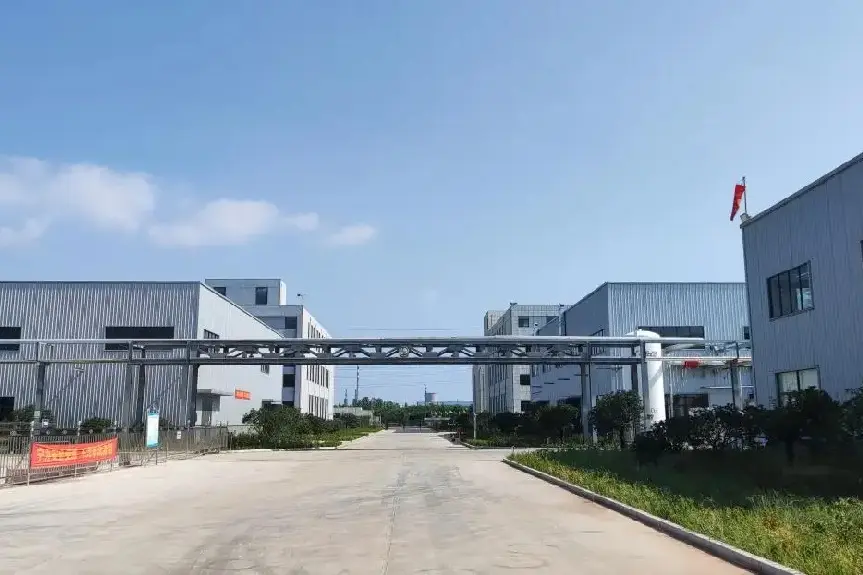
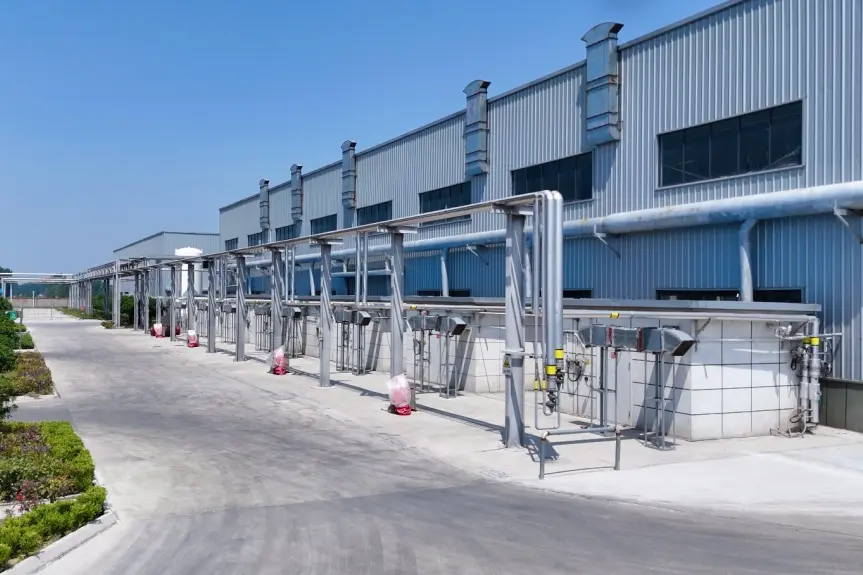
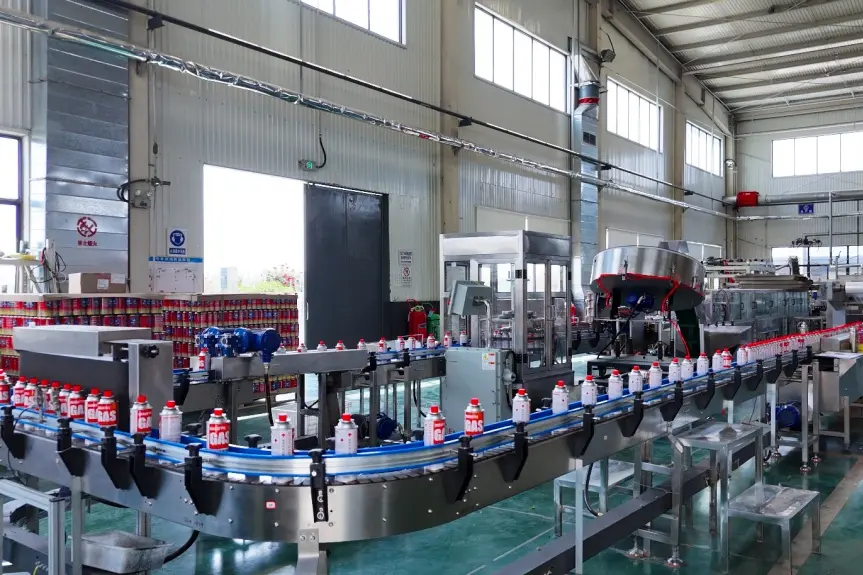
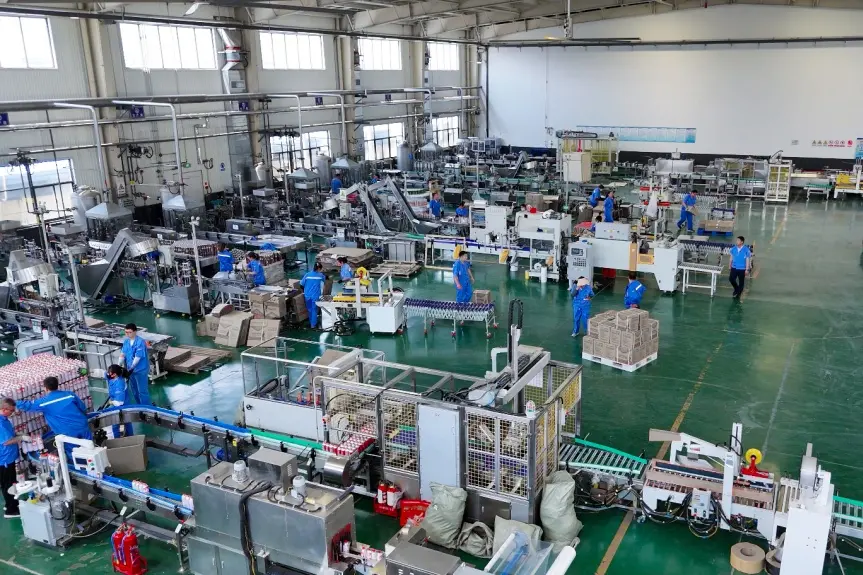
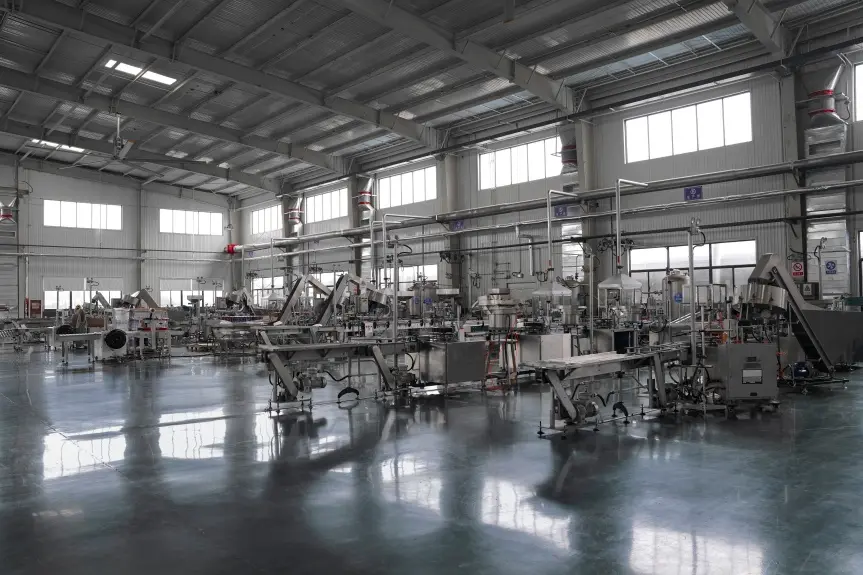
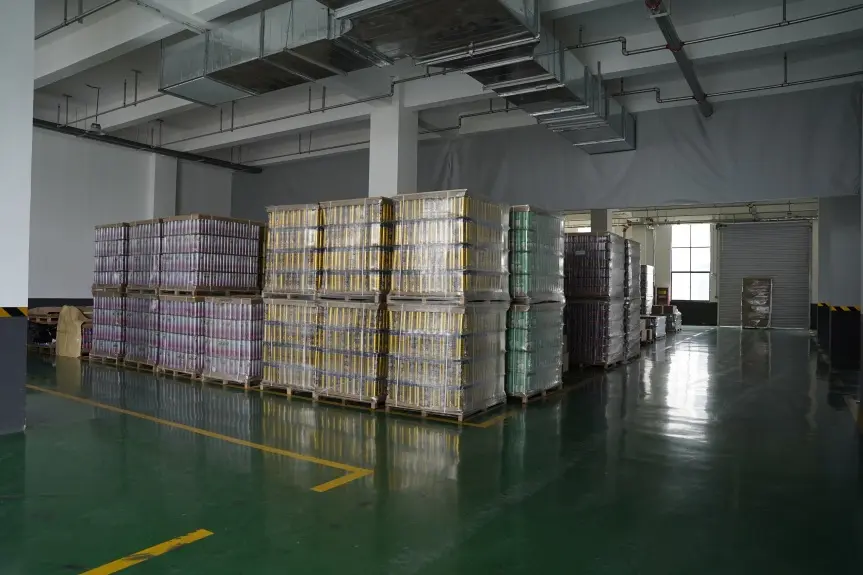
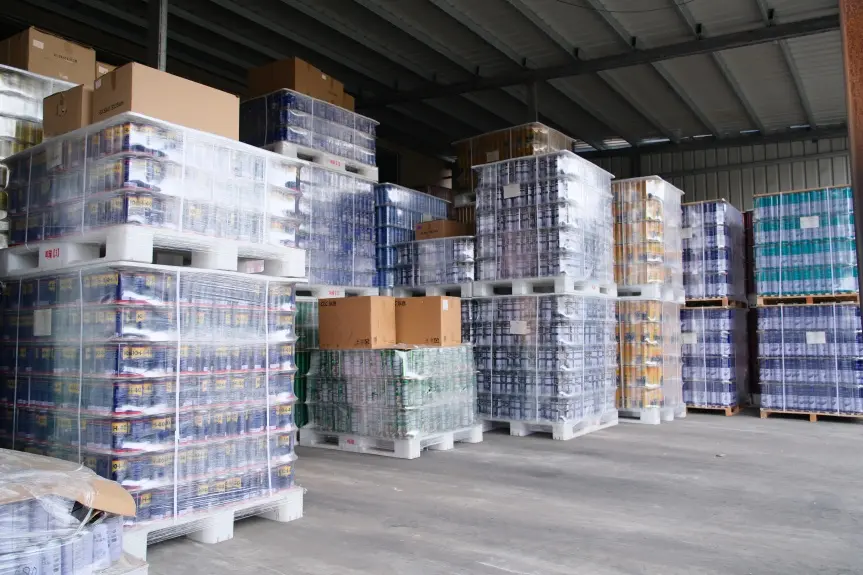
Our production facilities utilize standard, fully automated gas-charging, liquid-dosing, and online quality inspection systems. By integrating raw material sourcing, chemical synthesis, propellant gas purification, and metal packaging production into a streamlined workflow, we minimize cost fluctuations while assuring quality control from raw chemical input to outbound container shipment.
Analyzing the shift in technical demands, legislative dynamics, and consumer performance expectations.
With the elimination of internal combustion engine noise, cabin squeaks from dry window seals are highly noticeable. EV platforms require long-lasting sliding lubricants to maintain quiet cabins.
Environmental standards restrict chlorinated solvents and high-VOC propellants. Advanced formulations use water-dispersed silicone or low-VOC fluorinated hydrocarbons to comply with REACH and EPA regulations.
Automotive service centers demand precision application. Multi-angle 360-degree valves and integrated spray straws minimize overspray on exterior paintwork and glass panels.
The convergence of these trends means that standard silicone lubricants must evolve. Traditional wet silicone oil coatings, though cheap to manufacture, tend to migrate over glass surfaces, causing persistent smearing that compromises driver visibility and aesthetic presentation. The market is shifting towards drying silicone-fluorocarbon hybrid technologies. These formulations flash off rapidly, leaving behind a dry micro-thin polymeric layer that repels moisture, dust, and particulate contaminants.
How Shandong ClanZhao bridges the gap between bulk manufacturing efficiency and strict compliance requirements.
Global procurement teams face several challenges when sourcing chemical aerosols from overseas manufacturers. These extend beyond unit pricing to supply chain visibility, chemical safety compliance, and transport logistics. Shandong ClanZhao acts as a strategic manufacturing partner by offering end-to-end solutions that satisfy the requirements of operations, regulatory, and logistics directors.
We recognize that regional climates demand tailored chemical viscosities. For example, window tracks operating in sub-zero Nordic winters require a lubricant formulation that does not crystallize or viscosity-lock at -40°C. Conversely, lubricants for high-humidity equatorial regions must resist wash-off from intense rainfall and remain stable under ambient temperatures reaching +50°C. Our R&D laboratories formulate custom solid-content ratios and solvent evaporation speeds to match regional distribution needs.
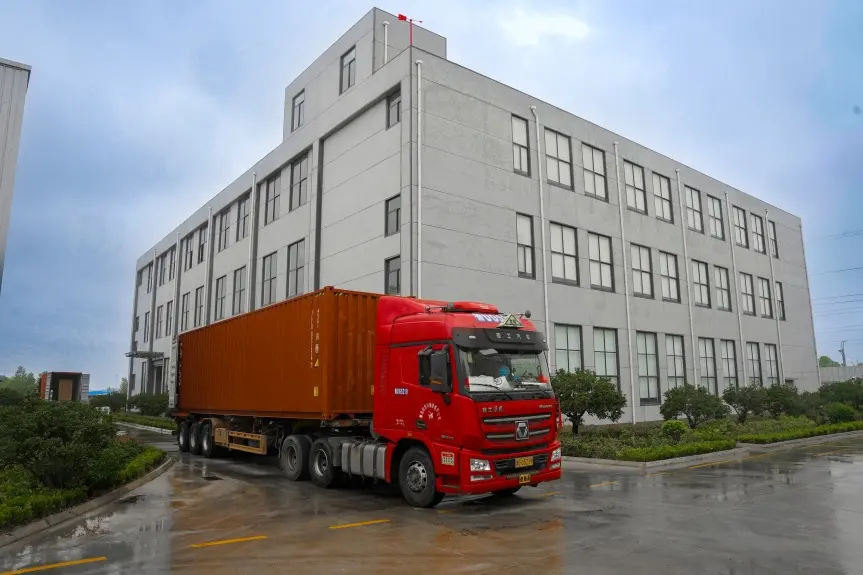
Aerosols are classified under UN 1950 (Class 2.1 or 2.2 Flammable/Non-Flammable Gases) for international transport. Shipping these products requires proper packaging testing, official export licensing, and certified maritime documentation (IMDG code compliance). Shandong ClanZhao maintains the chemical export licenses and dangerous goods packaging certifications necessary to ensure your cargo passes export customs without delay.
Our chemical engineering department maintains four core formulation paths to cover every industrial application profile.
Designed for multi-surface utility. Restores shine, elasticity, and flexibility to weathered EPDM rubber seals while creating an immediate hydrophobic boundary layer that repels moisture.
Designed for high-dust, desert, and off-road driving environments. Dries instantly to leave a clean, non-greasy, fluoropolymer-based film that prevents dust adhesion and reduces sliding friction.
Developed to meet municipal fire safety and consumer-facing retail regulations. Utilizes nitrogen or non-flammable propellants coupled with water-based surfactant emulsions.
For heavy-duty internal regulator tracks and gear assemblies. Provides extreme shear stability, resisting water washout and high ambient heat up to 200°C.
We work closely with global automotive service networks, OEM vehicle assembly operations, and global retail brands. Our standard production protocols ensure that every batch of window track lubricant matches the exact physical and chemical specifications required for your application.
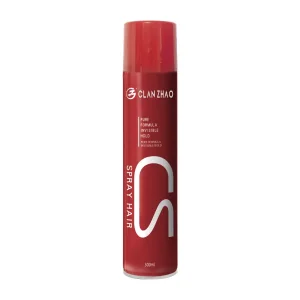
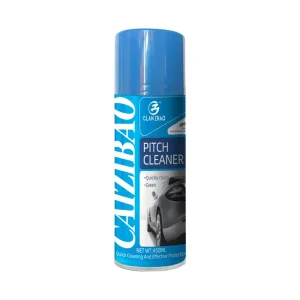
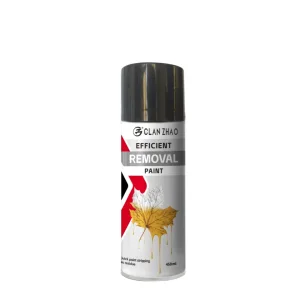
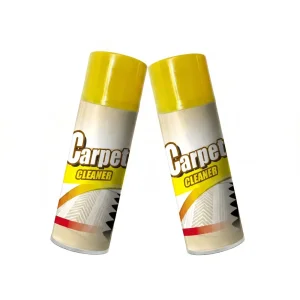
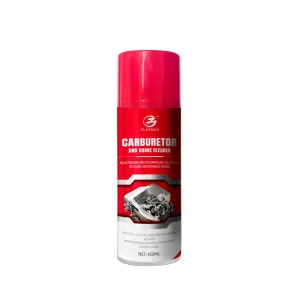
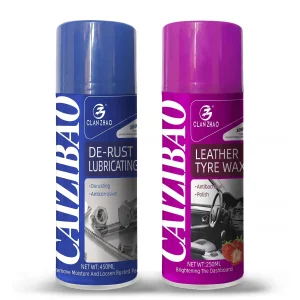
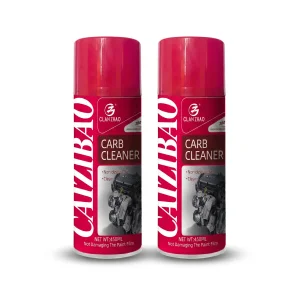
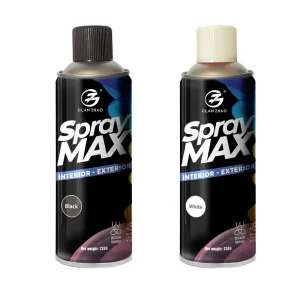
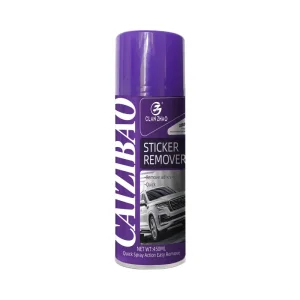
Beyond our core window track lubricant line, we manufacture a comprehensive matrix of industrial consumables. This enables buyers to consolidate chemical purchasing, logistics, and quality assurance processes under a single manufacturer. Our inventory includes industrial parts degreasers, multi-purpose anti-rust formulations, carburetor cleaning solutions, and exterior adhesive removers, allowing you to build mixed container shipments that reduce shipping overheads.
A preview of upcoming innovations in automotive tribology and container technology from our joint R&D laboratories.
The next decade of automotive assembly and maintenance chemicals centers on absolute biocompatibility and smart materials. Shandong ClanZhao, in partnership with university chemical engineering labs, is developing the next generation of window channel lubricants. Our research focus areas include:
Common questions regarding formulation chemistry, EPDM compatibility, bulk ordering logistics, and custom manufacturing.
From industrial cleaners to domestic maintenance solutions, we provide scalable manufacturing options for international distributors.
 ClanZhao