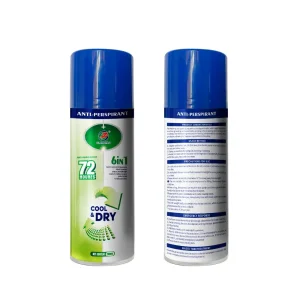
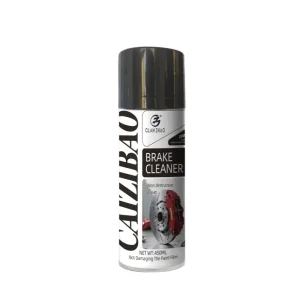
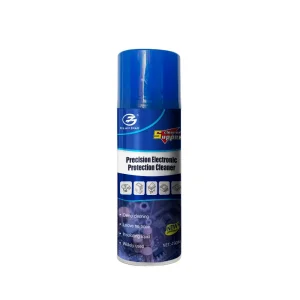
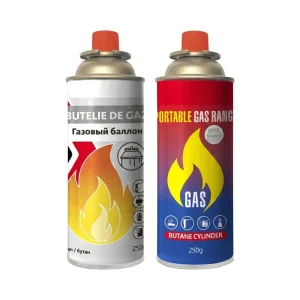
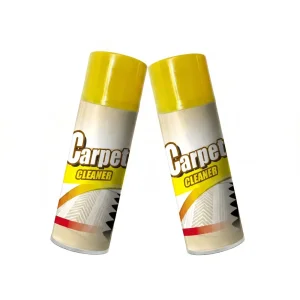
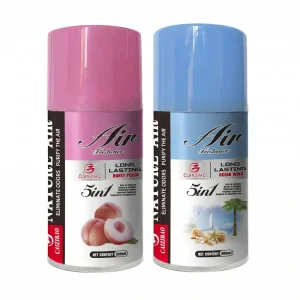
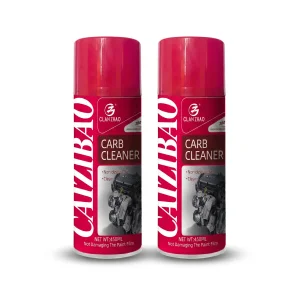
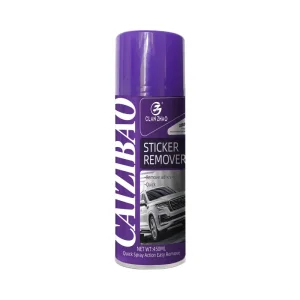
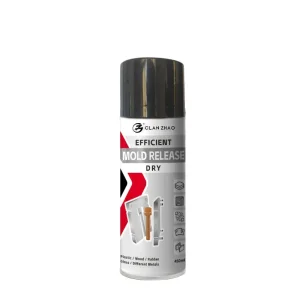
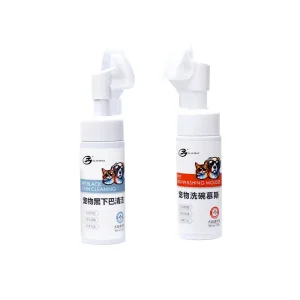
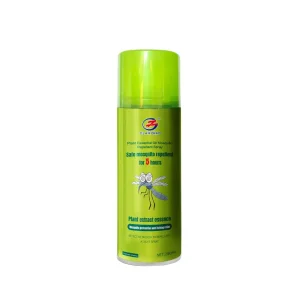
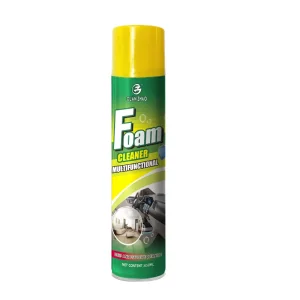
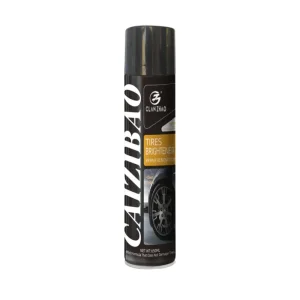
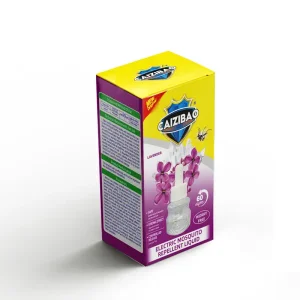
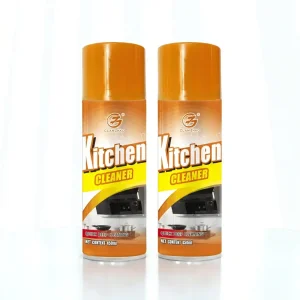
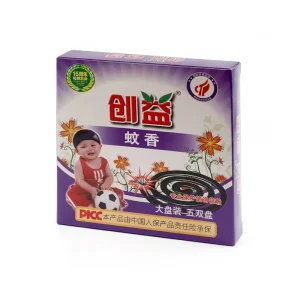
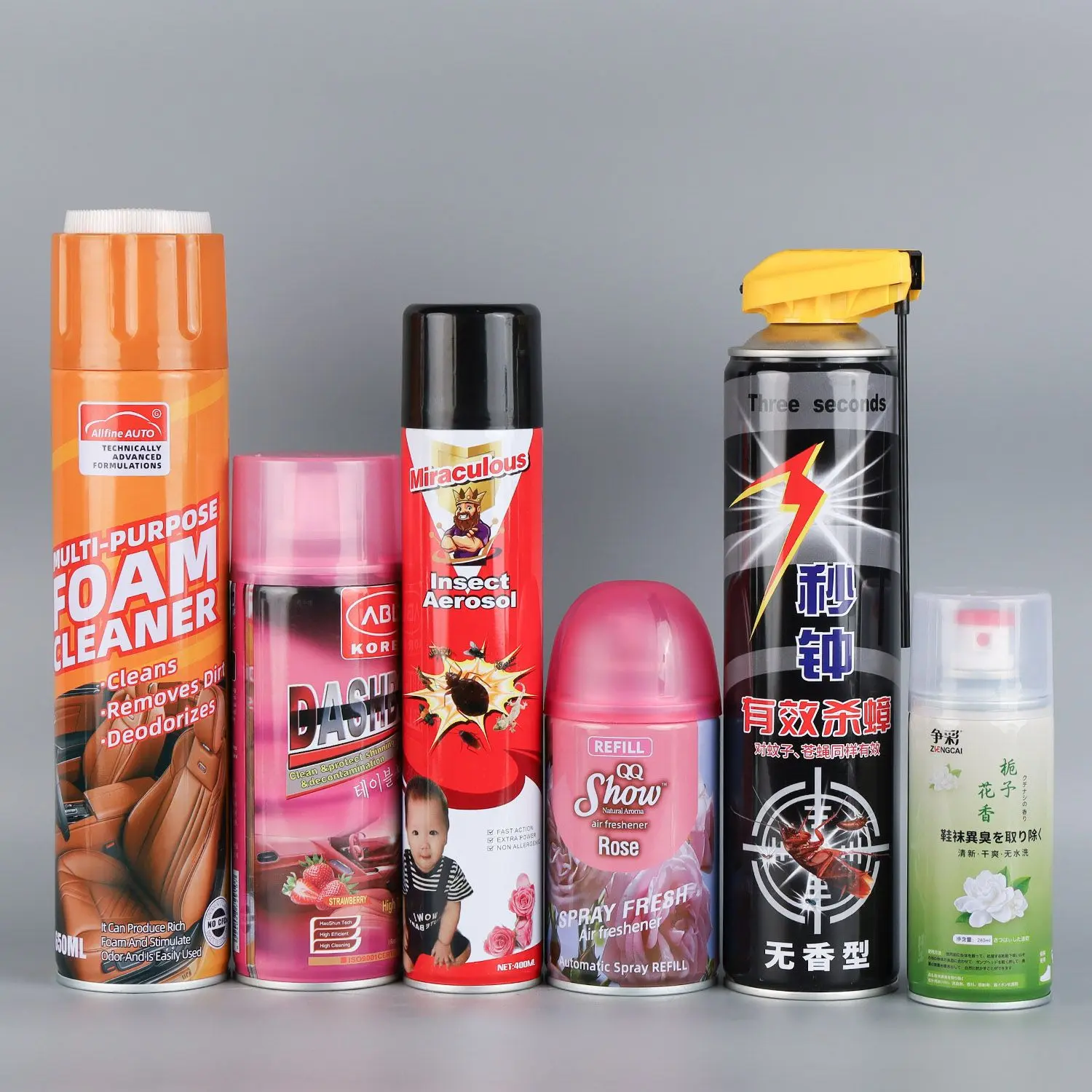
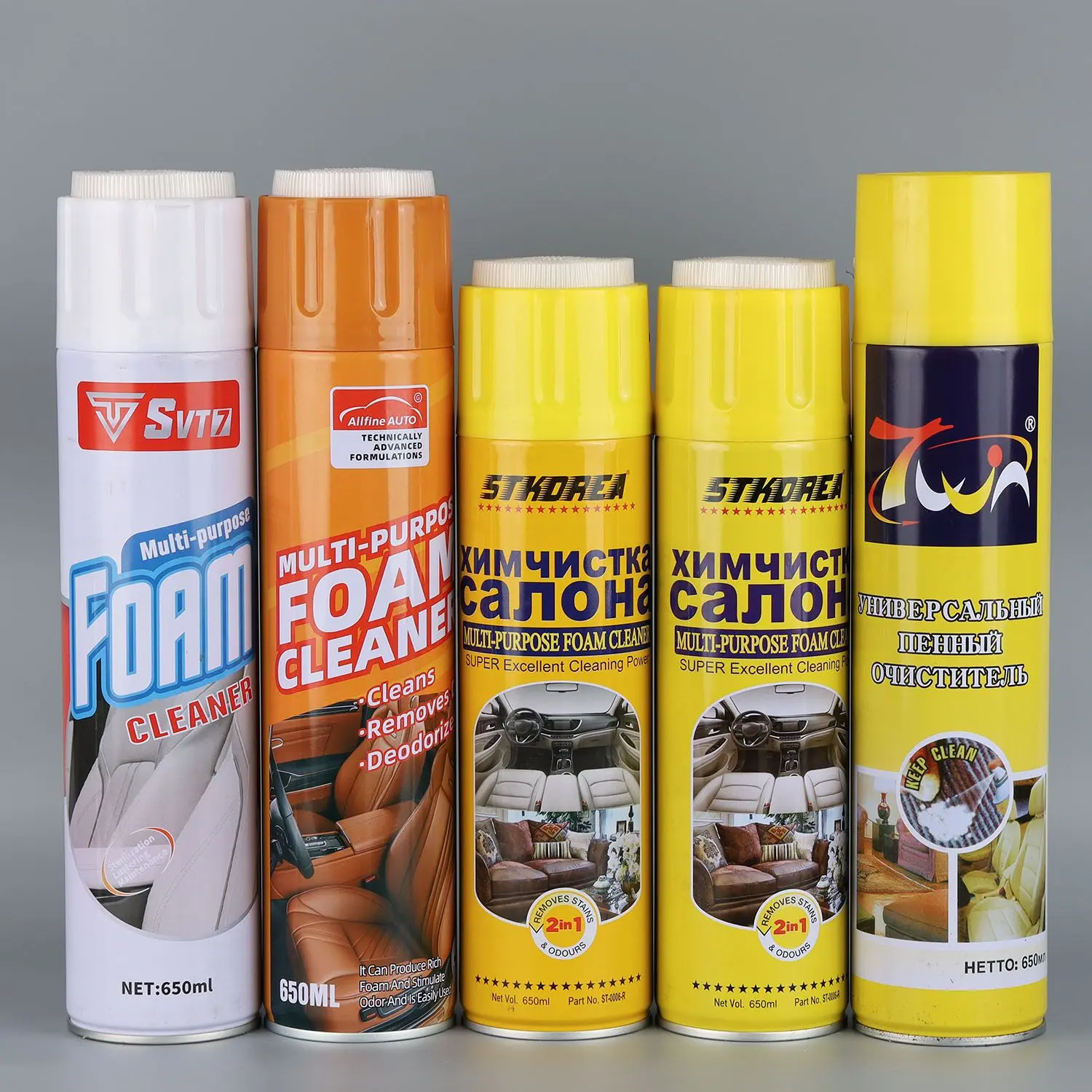
Discover our highly optimized export product lines, engineered under certified ISO 9001 protocols to deliver consistent aerosol performance across international markets.
In modern industrial manufacturing, plastic remains the most versatile material due to its lightweight properties, structural design freedom, and cost-efficiency. However, untreated polymer surfaces lack structural aesthetic appeal and resistance to localized weathering and mechanical friction. This limitation is effectively solved by high-grade Gold Spray Paint For Plastic. Globally, the demand for metallic gold coating finishes on thermoplastics (such as ABS, PVC, Polycarbonate, and Polypropylene) has expanded beyond simple decorative utility. It has become a key process in automotive trims, consumer electronics casing (such as smart-home components), premium cosmetic packaging, and high-end toy production.
Achieving a mirror-like, durable gold metallic finish on plastic requires advanced formulations. The paint must establish robust chemical and physical bonding on low-surface-energy polymers without degrading the underlying plastic. As a leading hub for industrial chemistry, Chinese manufacturing facilities have engineered specialized metallic coatings that combine acrylic resins, solvent profiles, and leafing/non-leafing bronze pigments. This balance ensures uniform color dispersion, fast flashing times, and excellent protection against UV degradation.
| Plastic Substrate | Surface Energy (mN/m) | Adhesion Challenge Level | Recommended Pre-treatment / Binder Solution |
|---|---|---|---|
| ABS (Acrylonitrile Butadiene Styrene) | 38 - 42 | Low-Medium | Direct application with modified acrylic binder. No primer needed. |
| PC (Polycarbonate) | 42 - 46 | Medium | Requires solvent compatibility checks to prevent stress cracking. |
| PVC (Polyvinyl Chloride) | 39 - 42 | Medium | Formulated plasticizer-resistant binders prevent softening of paint. |
| PP (Polypropylene) | 29 - 31 | Very High | Chlorinated Polyolefin (CPO) primer or plasma treatment required. |
Plastics are inherently non-porous and often hydrophobic, meaning they lack the micro-roughness needed for paint to cling to mechanically. To achieve excellent cross-hatch test scores (5B rating under ASTM D3359), a gold aerosol spray paint must rely on chemical adhesion mechanisms. Key formulation considerations include:
The solvent system must be carefully calibrated to slightly dissolve (bite) the micro-surface of the plastic (especially on ABS and PS). This creates inter-penetrating polymer networks at the interface without causing deformation, swelling, or structural crazing of the part.
To produce a deep metallic sheen, leafing bronze and aluminum pigments are treated with fatty acids. They migrate to the wet film surface during drying, aligning parallel to the substrate to create a uniform, reflective metallic surface.
Plastic parts expand and contract with temperature changes at different rates than metals. The binder matrix (acrylic-alkyd hybrids) is modified with plasticizing resins, allowing the cured gold paint layer to remain flexible and prevent peeling over time.
Gold spray paint for plastics is utilized across various local industries worldwide, adapting to regional quality standards and environmental challenges. Understanding these use cases helps procurement managers specify the right formulations for their local markets:
Used for interior dashboard trim, console bezels, and emblem customization. Formulas in these markets prioritize high UV stabilization to resist intense sunlight exposure through auto glass, preventing chalking and fading.
Toy manufacturers require strict compliance with EN71-3 and ASTM F963 safety standards. Binders must be non-toxic, lead-free, and sweat-resistant, ensuring heavy metallic pigments remain locked inside the cured paint film.
Used to restore and protect plastic moldings, ventilation grilles, and decorative frames. Coatings must withstand sand abrasion and temperatures exceeding 50°C without bubbling or losing their metallic gloss.
High-end lipstick tubes, lotion pump housings, and perfume caps are coated to mimic heavy gold brass. The paint must resist oils, alcohols, and chemical ingredients found in personal care products.
Shandong ClanZhao New Material Technology Co., Ltd. is a specialized foreign trade subsidiary wholly-owned by Linyi Xingguan Fine Chemical Co., Ltd. It focuses on the high-end fine chemical industry, specializing in the research and development of aerosol products, large-scale production, and global cross-border export business.
Relying on the parent company's nearly 20 years of experience in the fine chemical industry and its mature global sales network, the company has robust production, sales, and R&D capabilities. We have collaborated with several renowned universities and professional research institutions to establish joint R&D laboratories, continuously iterating on formulas and launching new environmentally friendly chemical products.

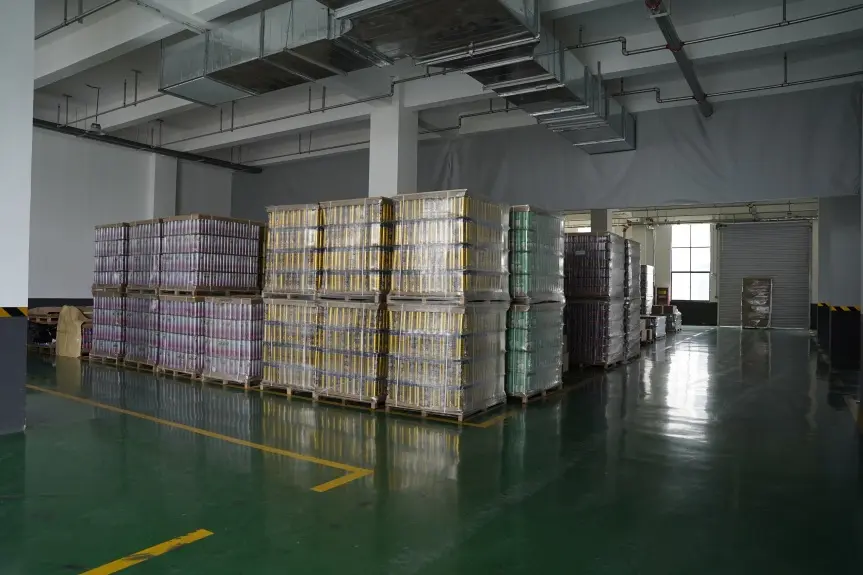
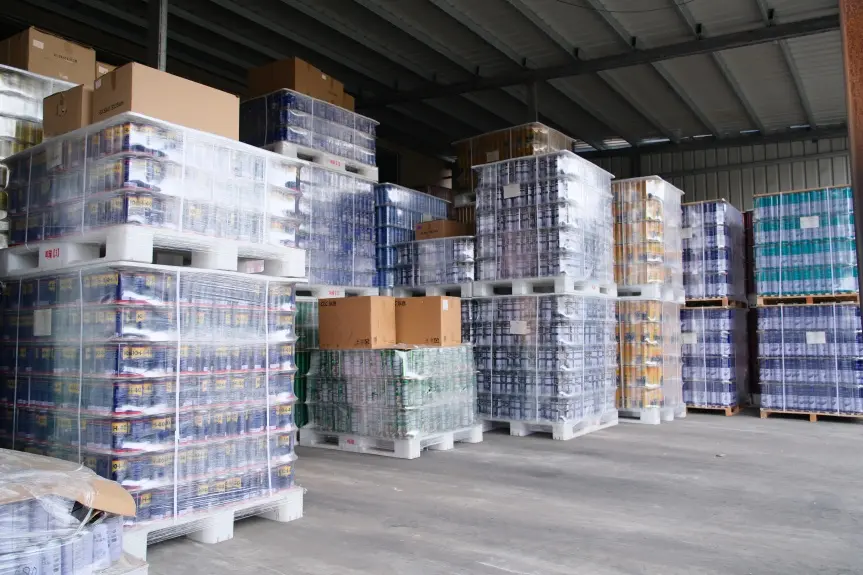

Years of Fine Chemical Industry Experience
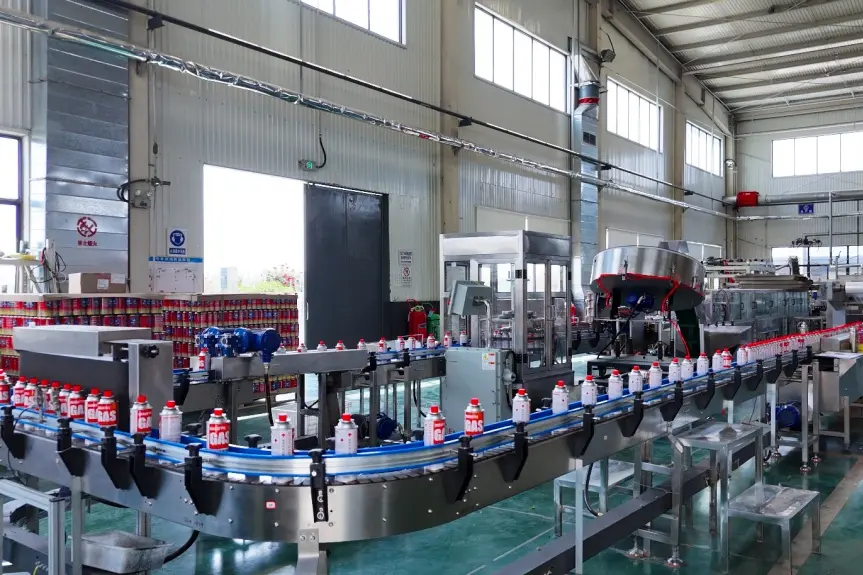
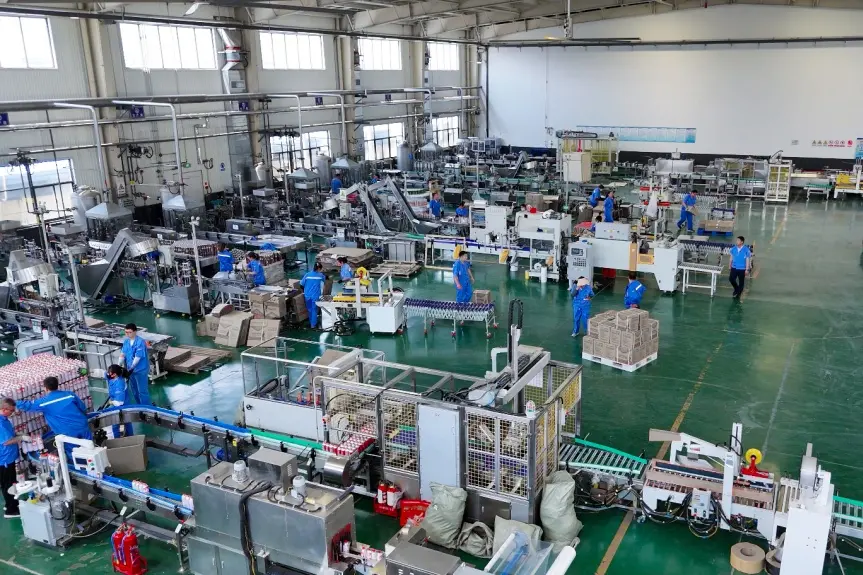
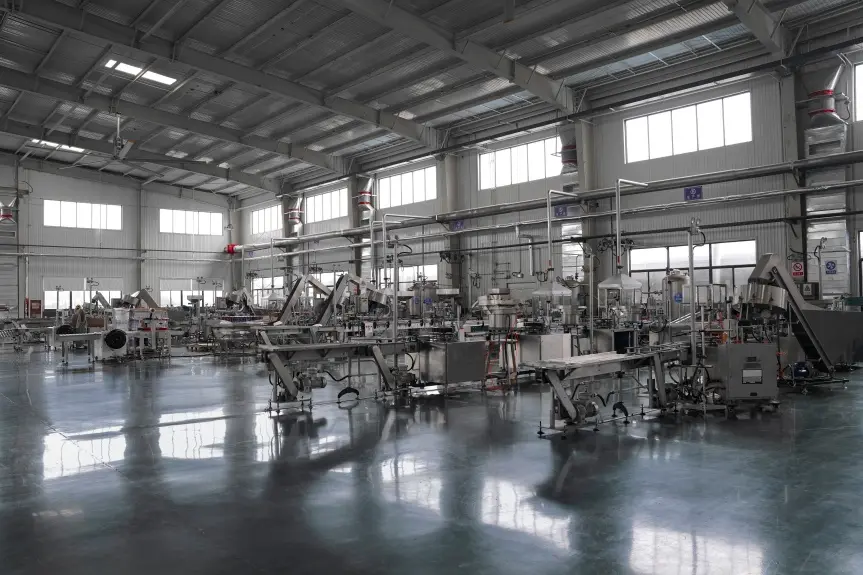
International Standard Fully Automated Filling Lines
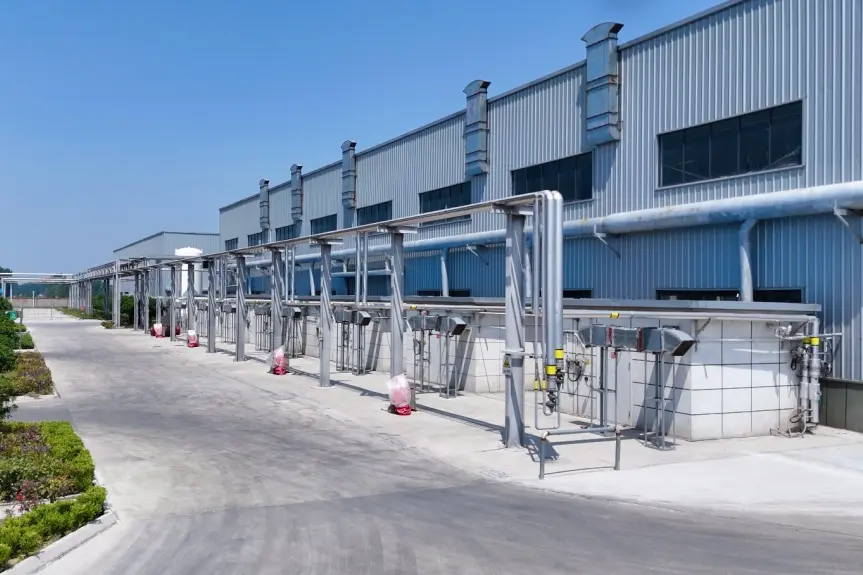
State-of-the-Art Production Base
Our company boasts a comprehensive product matrix layout, with core categories spanning eight major series: insecticidal aerosols, portable butane gas cylinders, automotive maintenance consumables, household daily chemical products, personal care products, pet cleaning agents, industrial specialized consumables, and foam sealants. Additionally, we offer one-stop, highly adaptable OEM/ODM custom manufacturing services to customers worldwide, deeply matching their differentiated branding and production needs.
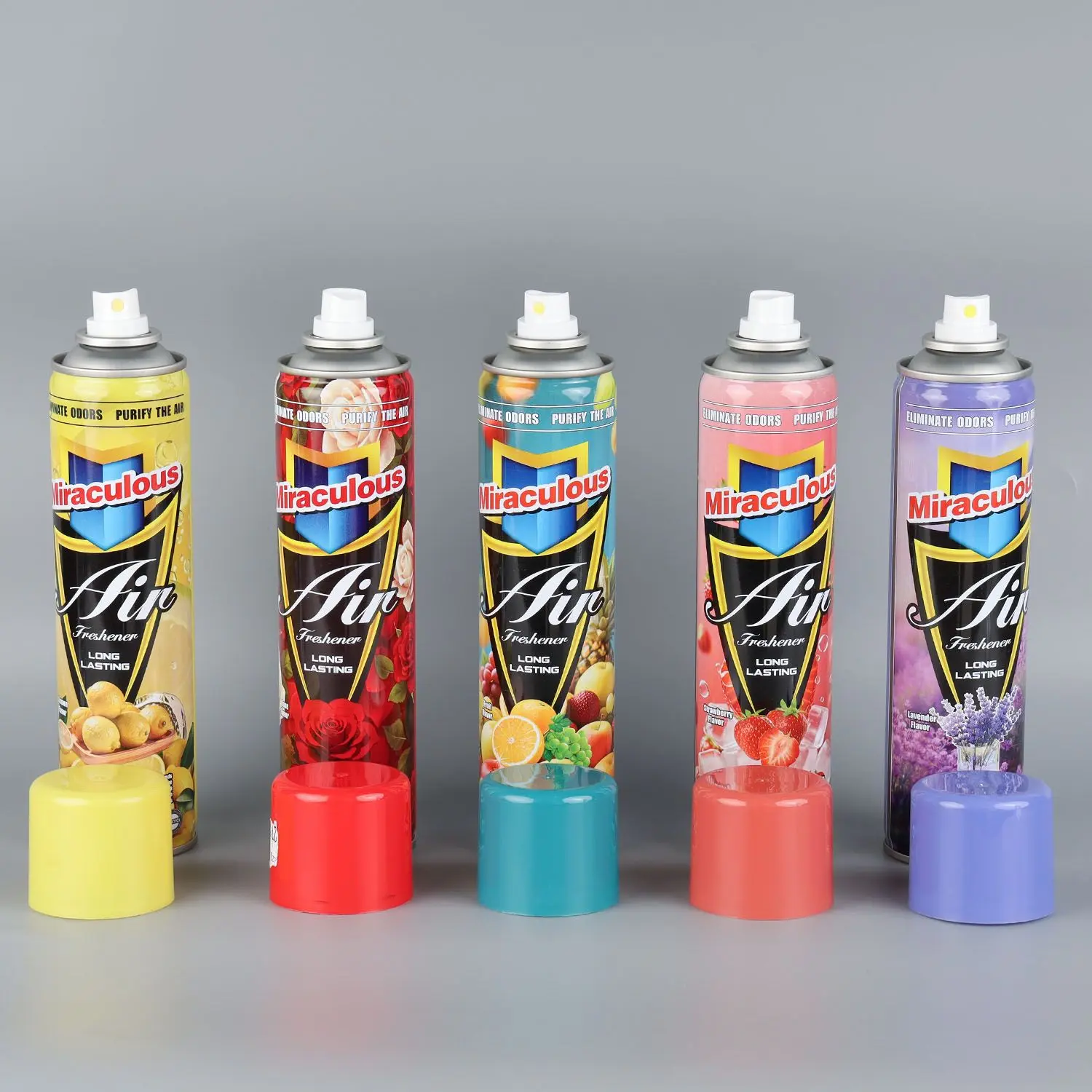
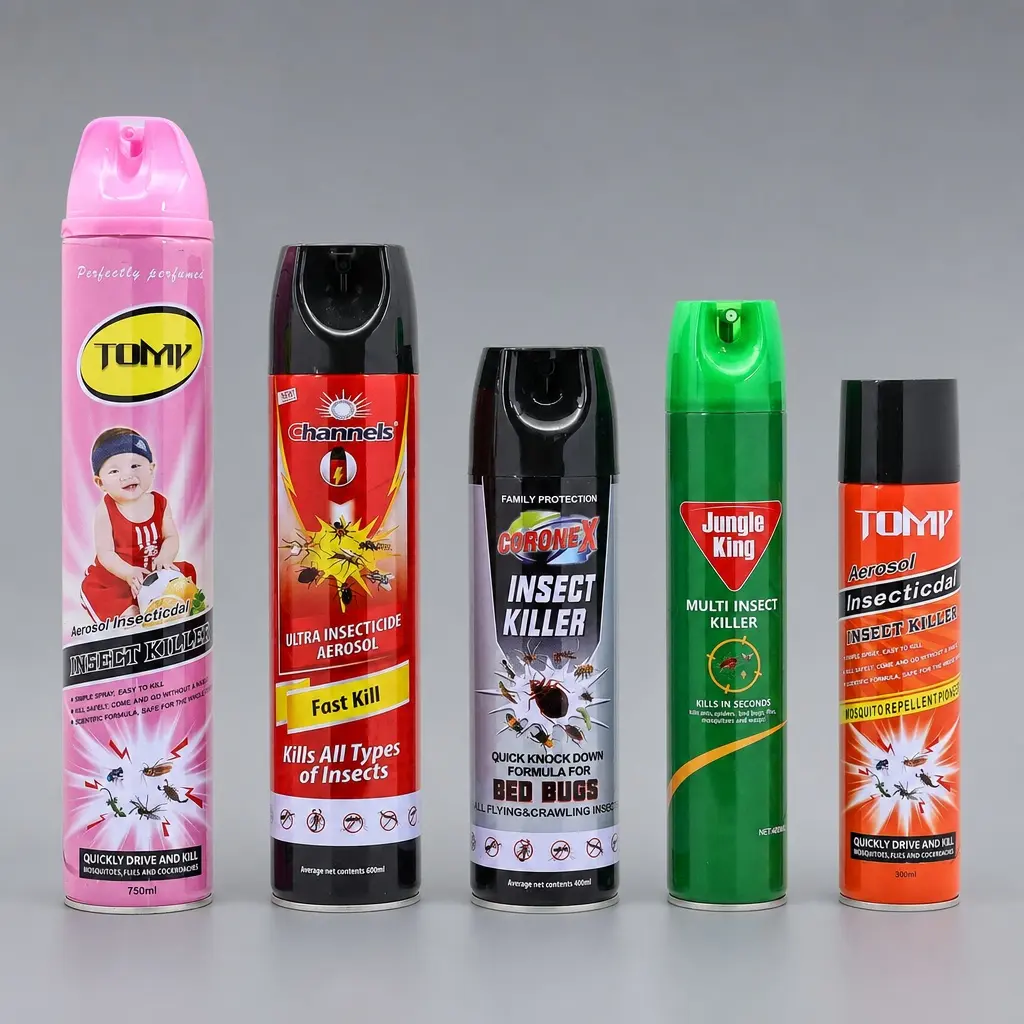
As regulatory environmental policies tighten globally, the chemical coating industry is undergoing a transition. Our joint laboratory R&D team is continually pushing the boundaries of aerosol technology. Our technical roadmap focuses on three main developments:
Transitioning from traditional volatile organic compounds (VOCs) to cleaner, optimized dimethyl ether (DME) blends that reduce carbon impact while maintaining spray pressure stability.
Synthesizing paint resins from renewable, plant-derived monomer materials, cutting down dependency on petrochemical stocks without losing adhesion strength.
Infusing nanotechnology to align brass-zinc crystals at sub-micron levels, yielding a high-intensity metallic look resembling gold leaf plating.
Integrating adhesion-promoting copolymers directly into the aerosol paint, eliminating the extra primer step for difficult plastics like Polypropylene.
Locating production within China’s major fine chemical clusters provides raw material integration and logistics advantages. At our Linyi production base, we minimize logistics delays through direct supply networks of tinplate steel canisters, propellants, and active chemical ingredients. The integration of 10 international standard fully automated filling lines allows us to scale production efficiently while keeping manufacturing costs low.
Every step of the process, from raw material inspection using gas chromatography to post-filling water bath leak checks, is monitored. This complete tracking ensures every container meets hazardous goods shipping standards (UN1950 classification), preventing delays at international ports and ensuring reliable delivery to global custom brands.
The company has obtained ISO9001 quality management system certification, a formal chemical production license, and the specialized qualification for exporting dangerous goods packaging. This ensures all qualifications are complete, verified, and compliant. We support bulk supply orders for finished products and customized OEM/ODM packaging designs for international brands. By adhering to trade compliance standards, we guarantee stable delivery for our global customers and serve as a reliable supply chain partner in the aerosol industry.
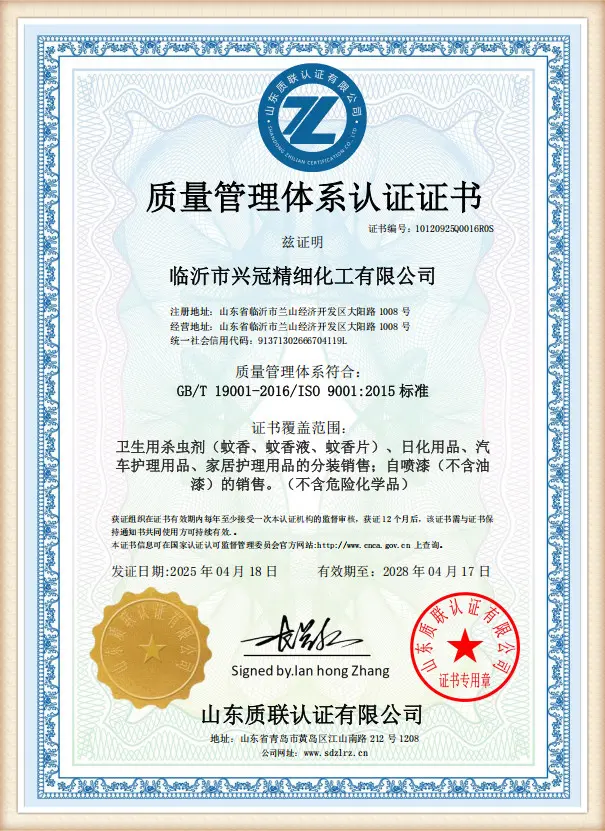
ISO9001 Certification
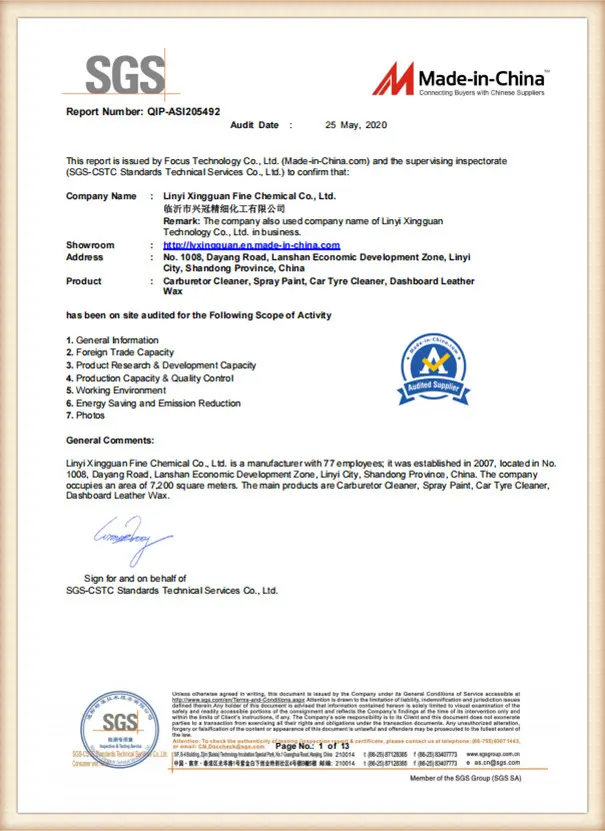
Chemical Production License
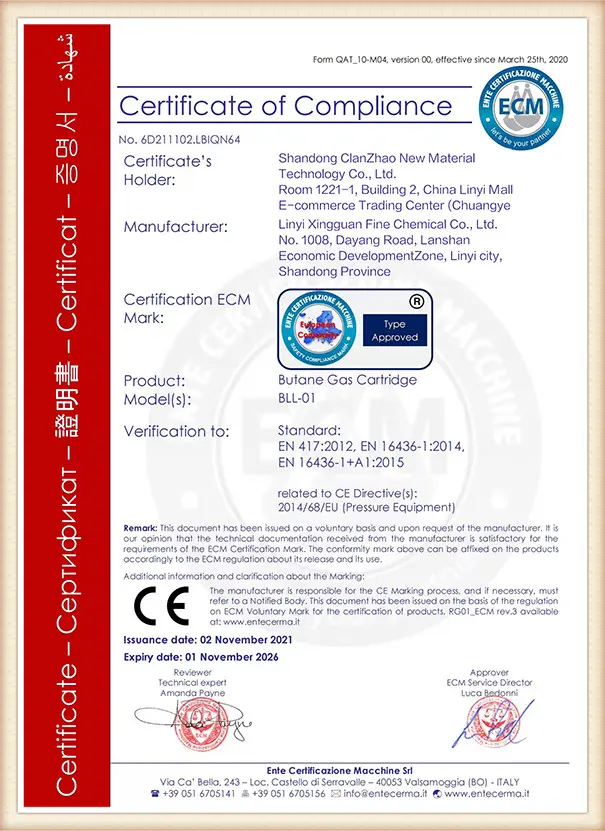
Dangerous Goods Export Qualification
Answers to common engineering questions regarding plastic preparation, metallic finish durability, and chemical safety compliance.
Browse the second half of our export-ready products, designed for domestic and global B2B procurement needs.
 ClanZhao