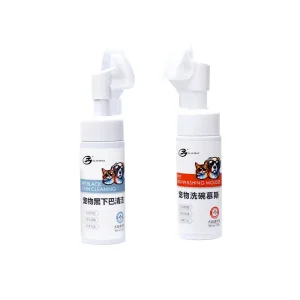
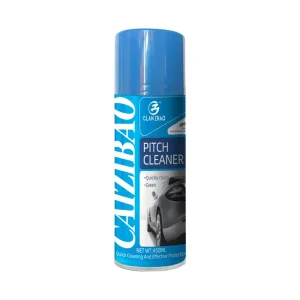
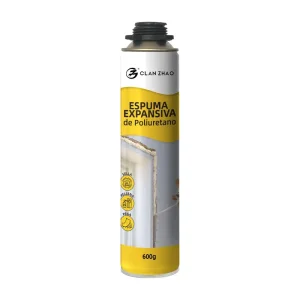
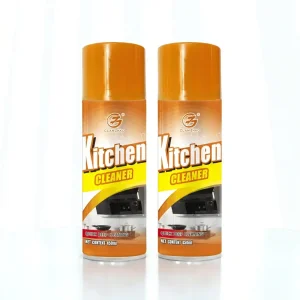
High-performance industrial-grade aerosol formulations engineered for international distribution and OEM/ODM private labeling.
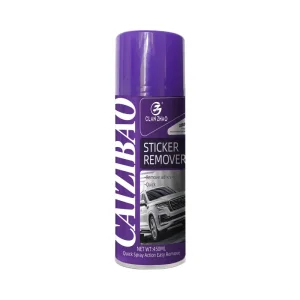
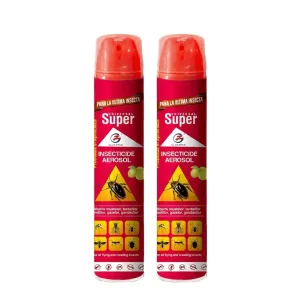
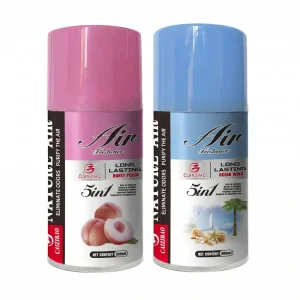
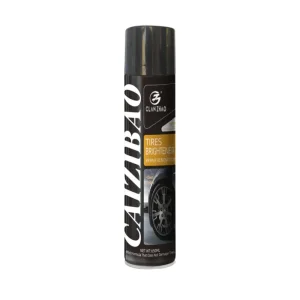
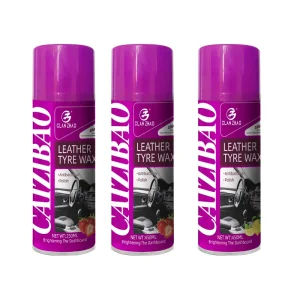
Shandong ClanZhao New Material Technology Co., Ltd. is a specialized foreign trade subsidiary wholly-owned by Linyi Xingguan Fine Chemical Co., Ltd. Our core operational focus rests at the intersection of high-end chemical formulation engineering and global scale industrial supply chain management. We specialize in the research and development of aerosol products, advanced coating technologies, large-scale automated production, and compliant global cross-border export business.
Relying on our parent company's nearly two decades of industrial chemical expertise, we have built an integrated ecosystem that links laboratory formulation development with high-speed automated packaging lines. This allows us to serve chemical distributors, brand owners, and industrial enterprises globally with uncompromising batch consistency, rigorous quality control, and complete compliance documentation.
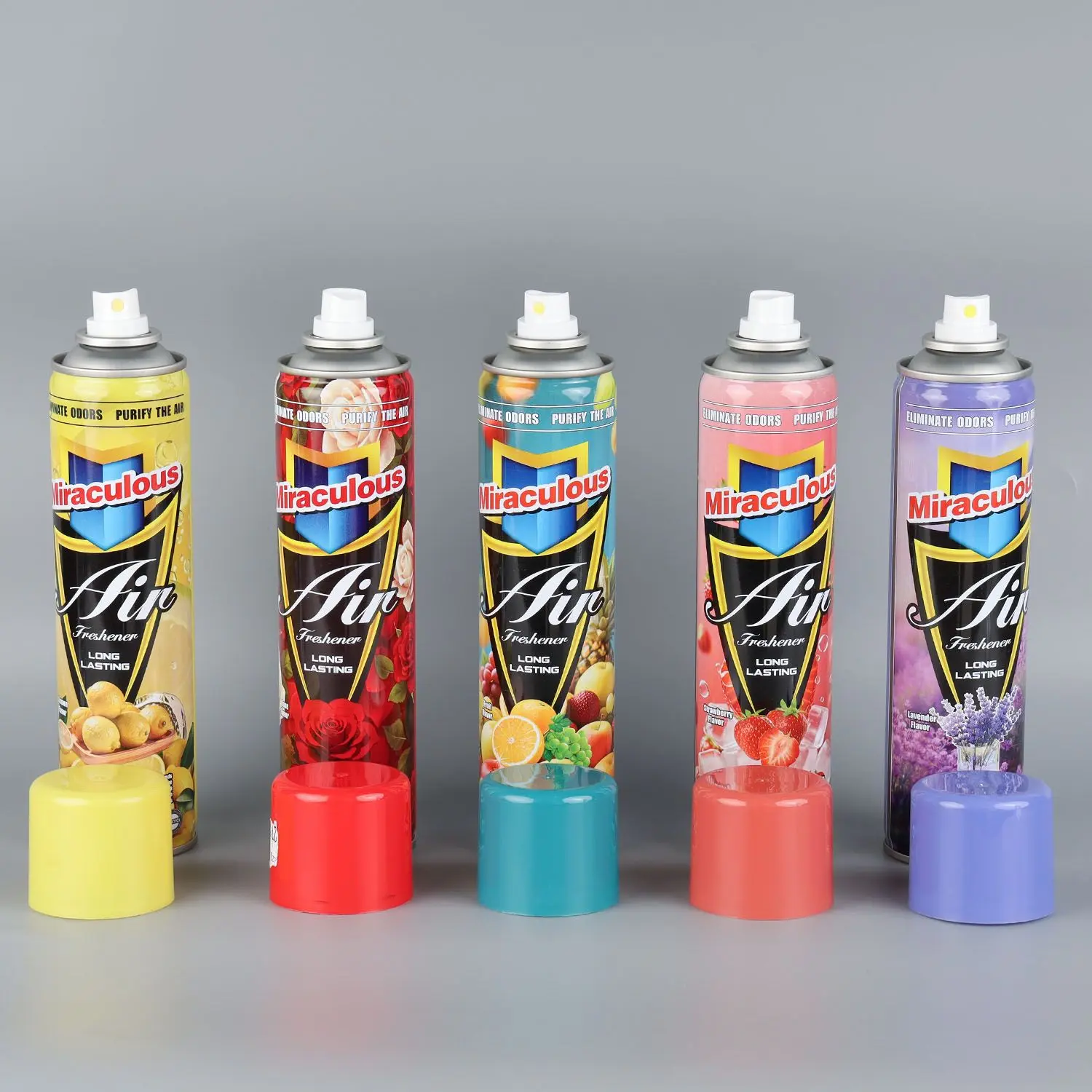
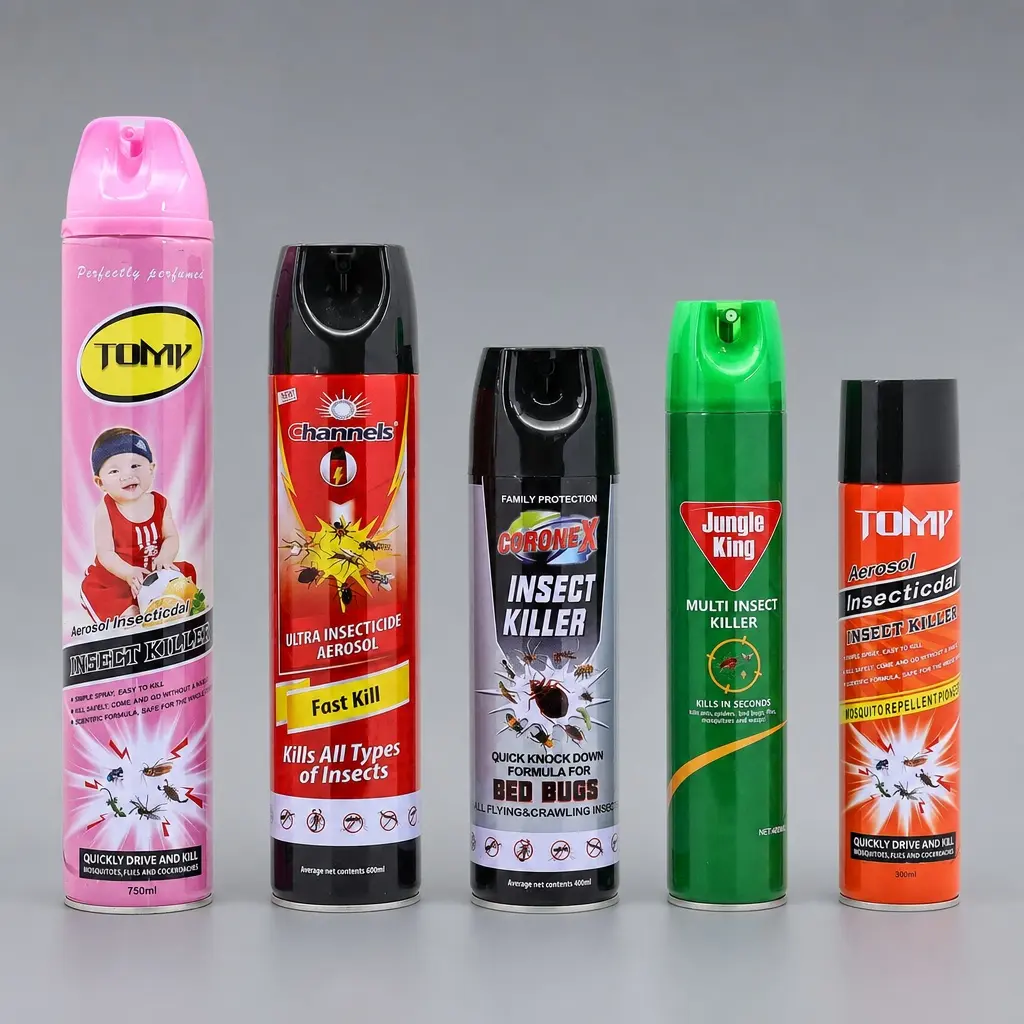
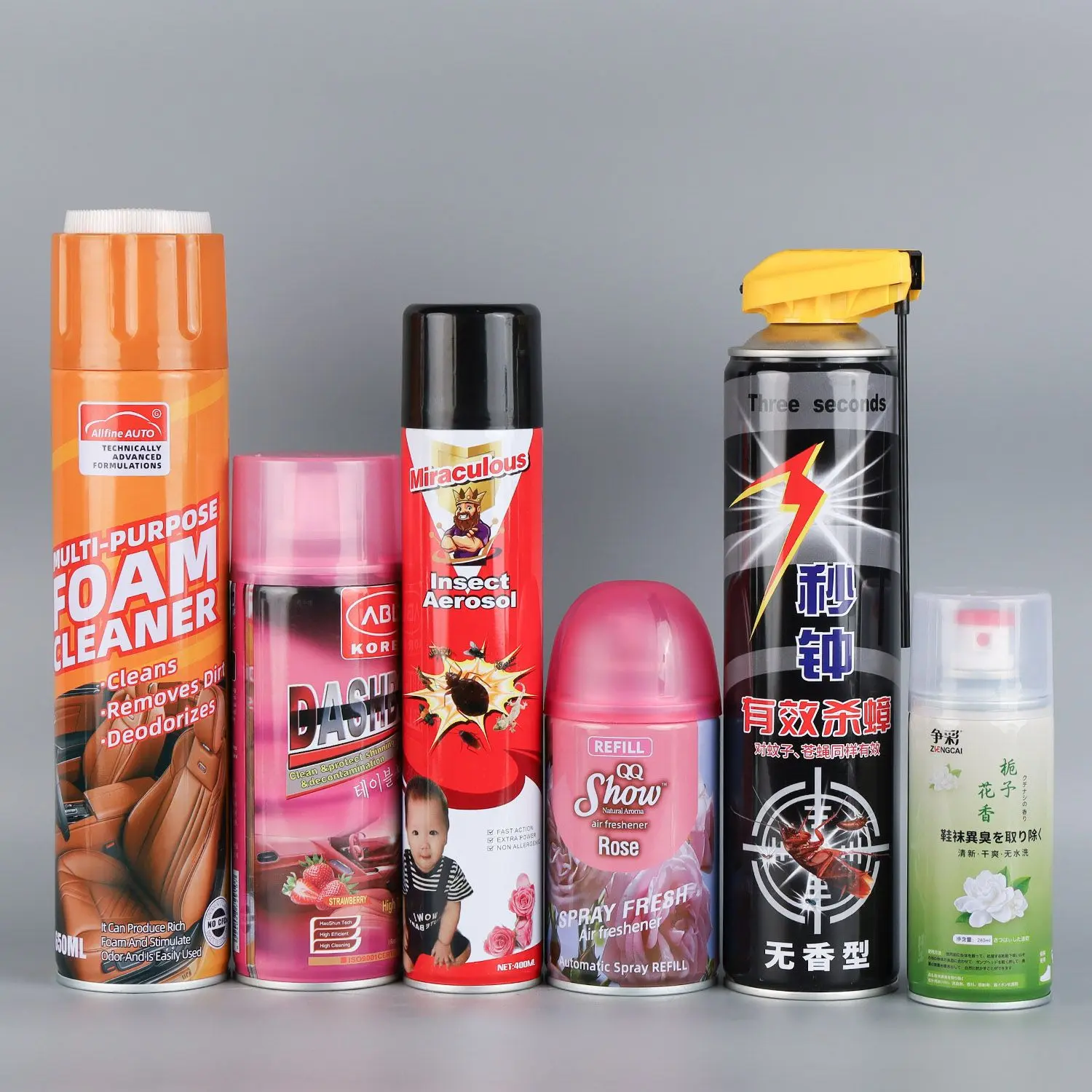
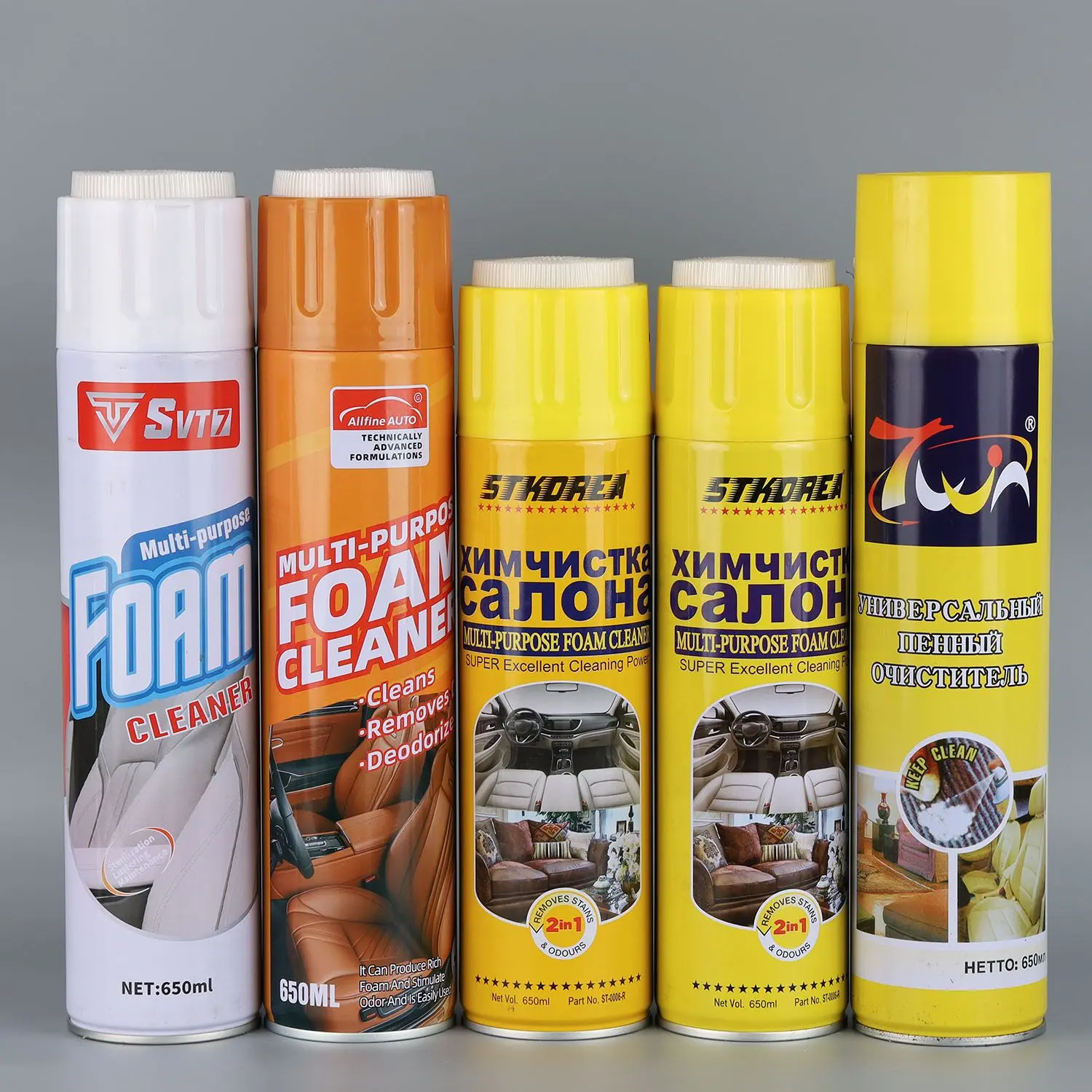
An authoritative analysis of chemical innovations, global market requirements, and standard operating procedures for specialized aerosol manufacturing.
Unlike standard alkyd or acrylic-based paints, ceramic spray paint formulations integrate micro- or nano-scale ceramic particles (typically silicon dioxide, silica, or titanium complexes) suspended in a volatile organic carrier. Upon application and cure, these particles migrate to the surface to form an inorganic-organic hybrid matrix. This results in unprecedented heat resistance (frequently exceeding 500°C/932°F), high surface hardness (measuring on the Mohs/pencil scale), chemical inertness, and extreme hydrophobicity. Globally, factories in China are transforming this niche sector through advanced automation and polymer synthesis optimization.
The global demand for ceramic-fortified coatings is accelerating due to growth in automotive modification, household restoration, and heavy manufacturing. Modern consumers and industrial purchasers demand heat shield properties, scratch resistance, and easy-clean surfaces in a convenient aerosol package. Our R&D laboratories track these changes, focusing on formulation adjustments that replace high-VOC solvent bases with hybrid, eco-friendly chemical solvents without sacrificing the signature ceramic hardness.
International B2B buyers have strict criteria when sourcing chemical products from China. Key factors include raw material traceability, chemical compatibility inside the can to prevent internal corrosion, consistent pressure output across the spray cycle, and strict compliance with local market safety laws. We specialize in custom OEM formulations that meet strict regional parameters, adapting solid content, spray pattern, and drying times to fit target target audiences.
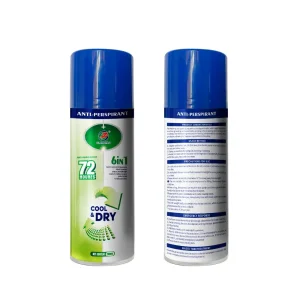
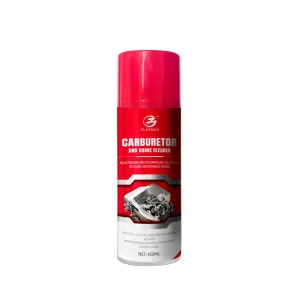
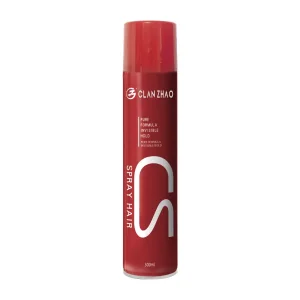
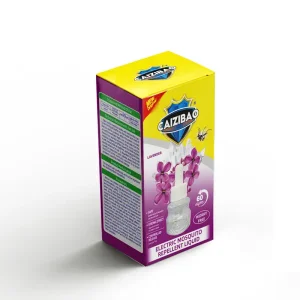
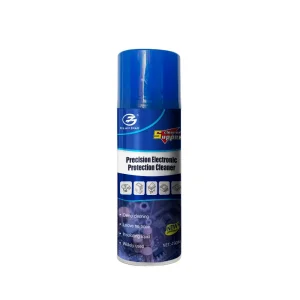
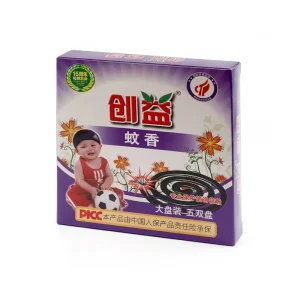
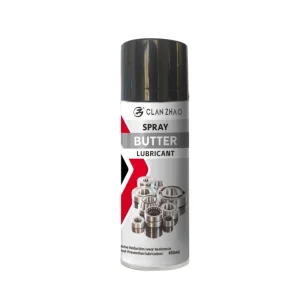
Our operation goes beyond manufacturing individual products; we offer macro-level solutions across multiple application sectors. Our product portfolio spans eight core chemical series, including insecticidal aerosols, household cleaners, expanding PU foams, and industrial lubricants. This diversity allows us to provide clients with a consolidated supply chain, reducing shipping overheads, simplifying customs clearance, and ensuring unified product quality.
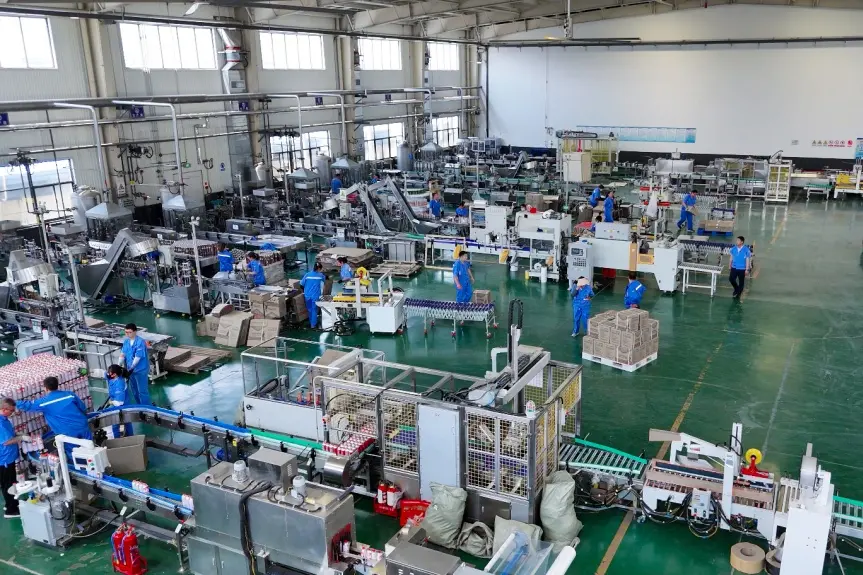
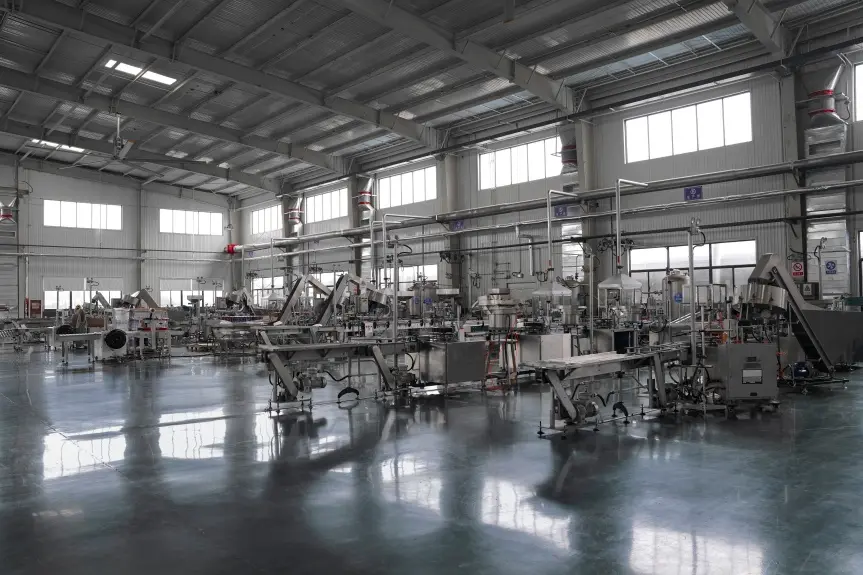
Operating across a massive 100,000 square meter footprint, our facility integrates raw material analytics, high-precision automated filling, and strict stress-testing protocols.
To consistently supply global markets, our parent company has established strategic R&D partnerships with leading technical universities and chemical research centers. These collaborations focus on testing next-generation propellants, analyzing resin stability, and optimizing corrosion inhibitors. The resulting innovations are deployed directly on our 10 international-standard fully automated filling production lines. From initial can feeding to precise propellant injection (LPG/DME), every stage is continuously monitored by automated sensors.
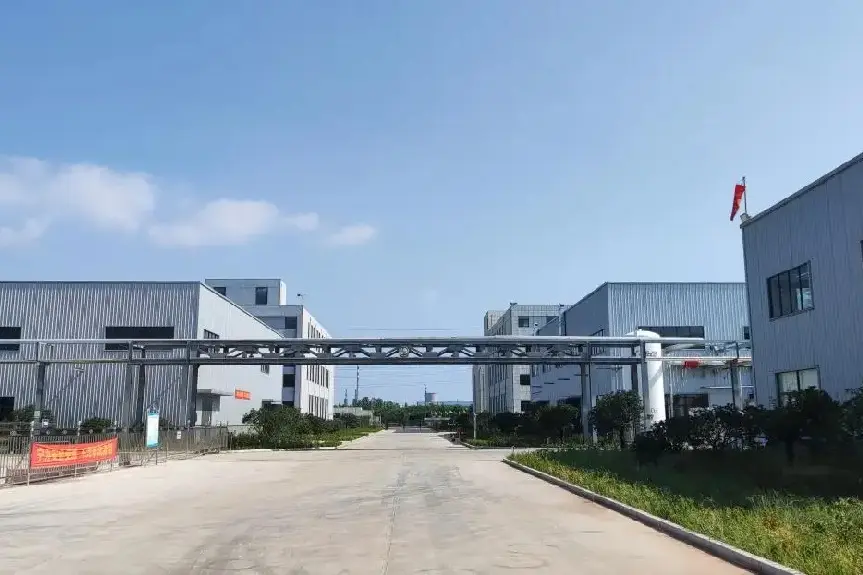
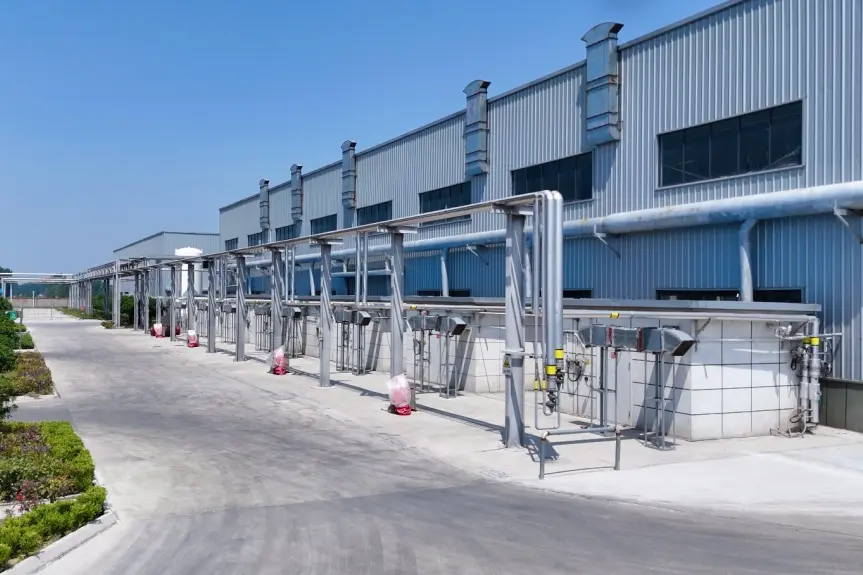
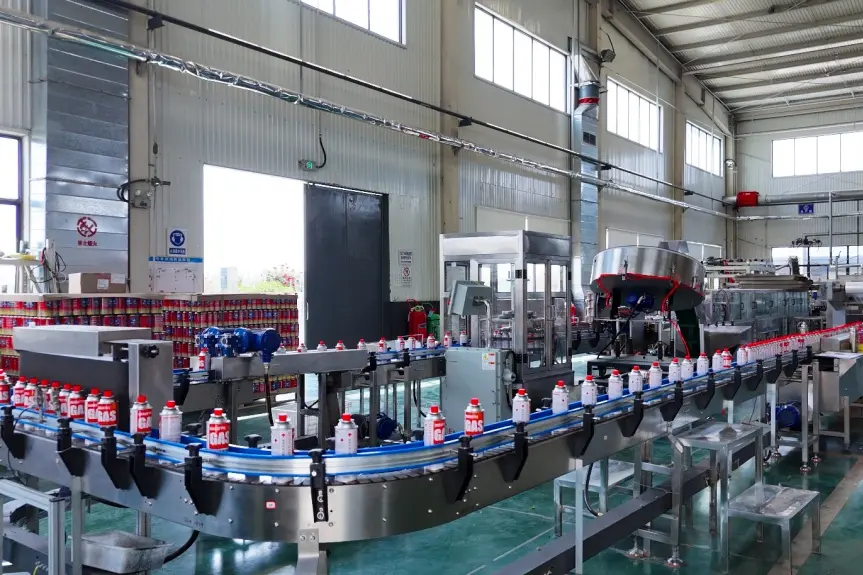
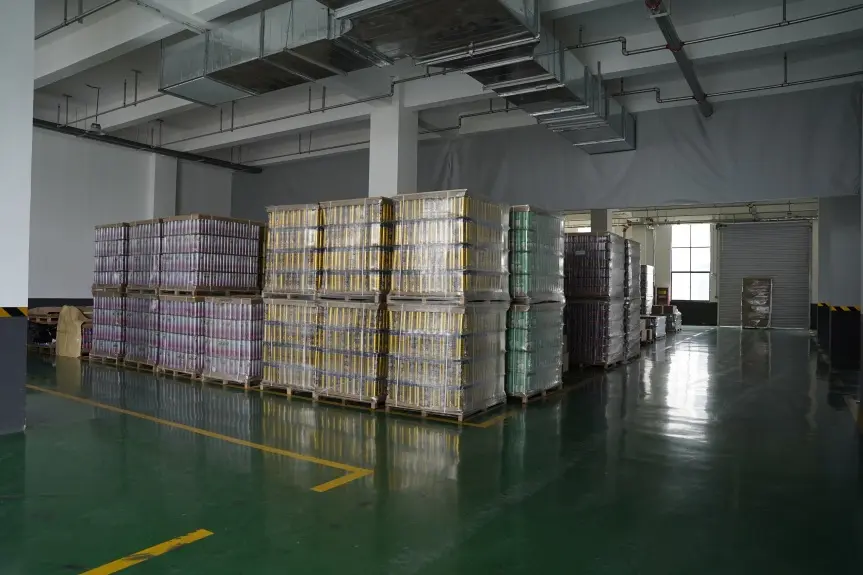
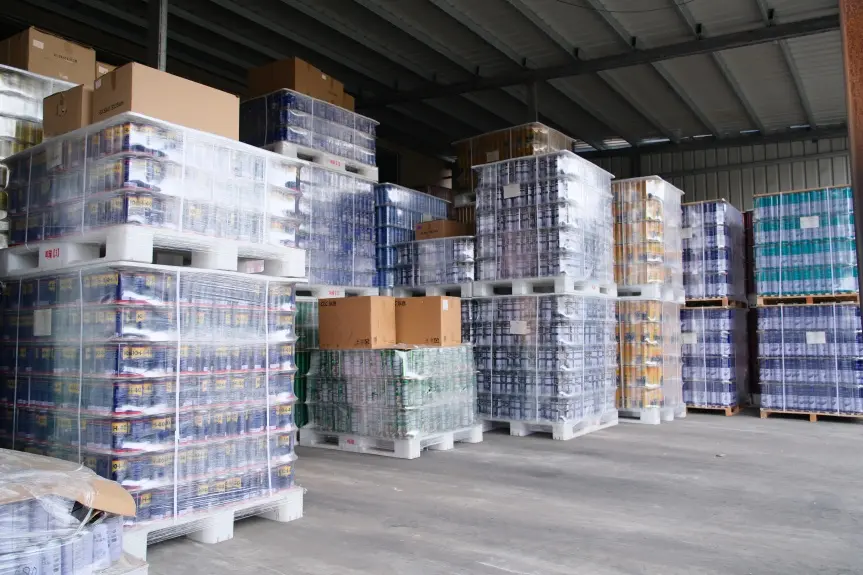
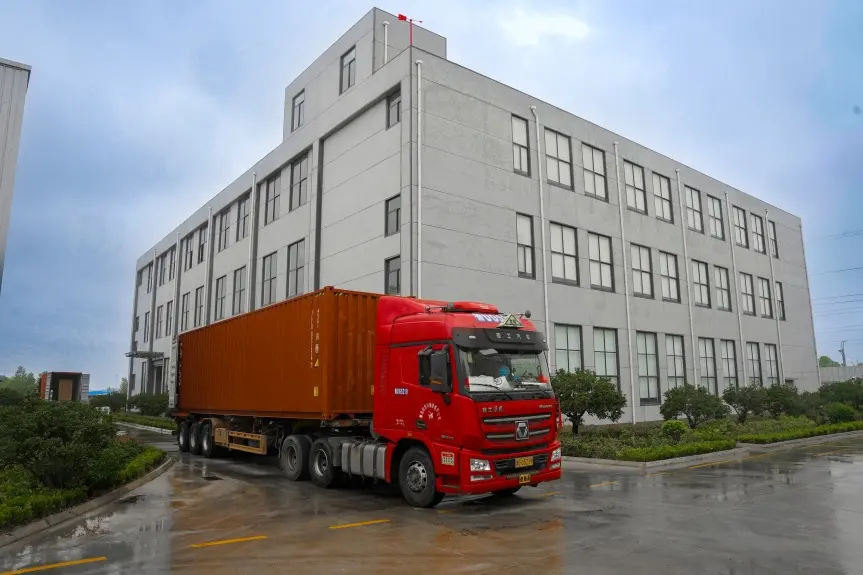
Aerosol distribution requires strict regulatory adherence. We maintain complete hazardous goods packaging and shipping compliance certifications.
Pressurized aerosols are classed as Class 2 dangerous goods for shipping. This requires specialized packaging, compliant maritime containers, and precise loading plans to ensure safe transit. Our facilities operate under full dangerous goods licensing, providing custom-fit packaging options designed to withstand global transit stresses.
By keeping all compliance steps in-house—from ISO9001 quality management to sourcing certified dangerous goods packing cartons—we prevent delays at origin ports and ensure smooth customs entry at destination hubs.
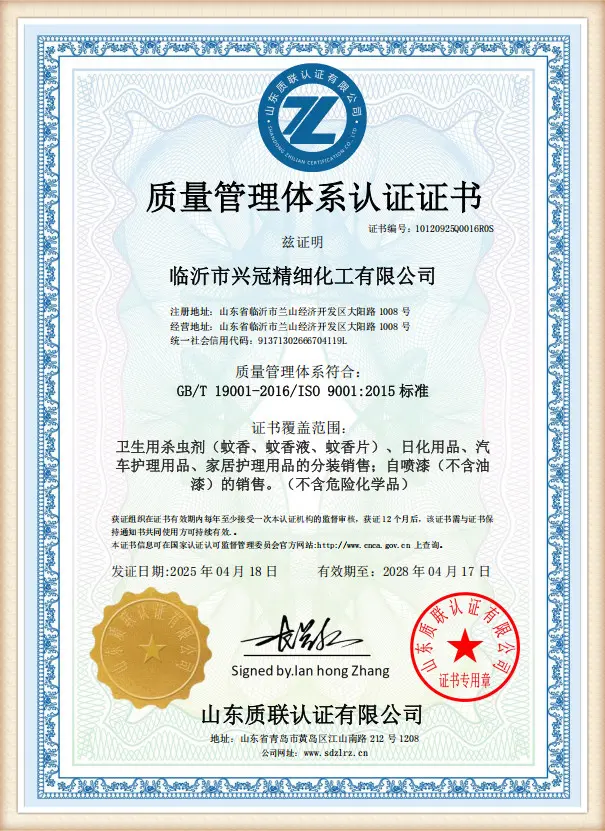
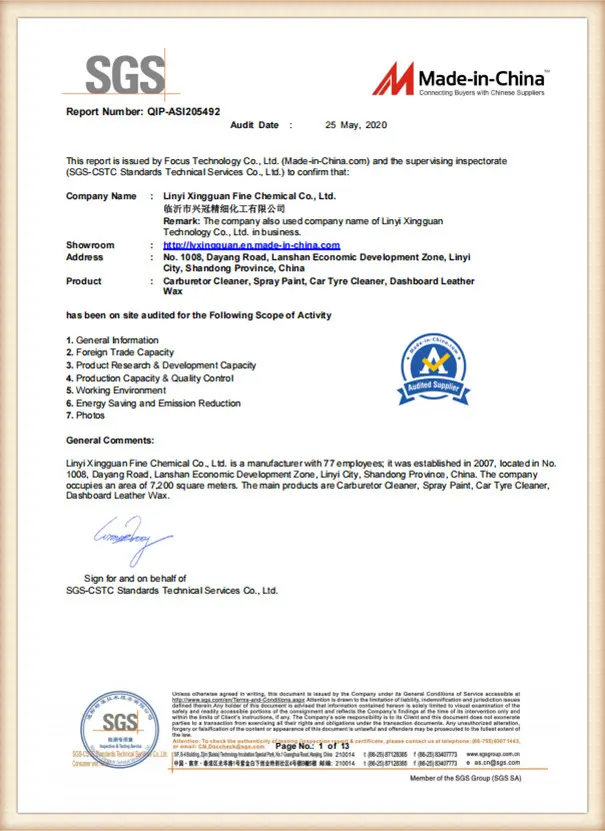
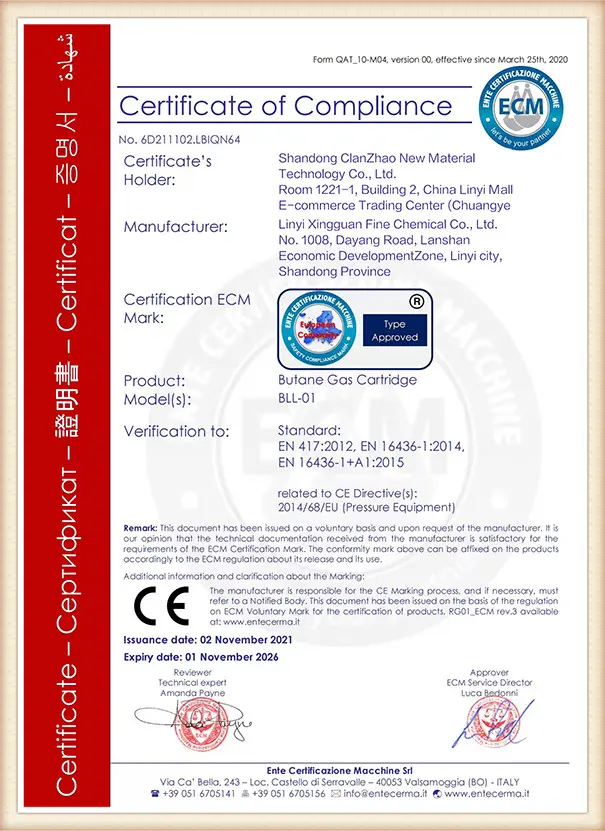
How our R&D pipeline is adapting to global sustainability mandates and next-generation chemical regulations.
In response to REACH, EPA, and other regional environmental standards, we are developing hybrid resins that lower total VOC output without compromising drying speed or cured film hardness. This ensures our clients remain compliant with evolving environmental regulations.
We are optimizing the dispersion of nano-SiO2 within aerosol canisters to prevent particle aggregation. This ensures a consistent, smooth spray pattern, prevents valve clogging, and delivers a uniform ceramic finish throughout the life of the can.
We are engineering balanced propellant ratios (DME/LPG combinations) to achieve stable pressure curves. This ensures the correct atomization of thick, ceramic-heavy paint formulas, providing professional results even in cold weather conditions.
Frequently asked questions regarding our industrial capabilities, custom formulations, and dangerous goods export procedures.
For custom OEM aerosol formulations with personalized lithographed canisters, our typical MOQ is 20,000 to 30,000 units per sku. This volume is dictated by our high-speed, automated production lines, which require a minimum run size to maintain efficient setup and raw material conversion rates. Standard formulation trials with paper labels may be available at lower minimums.
Every batch of raw materials undergoes gas chromatography testing, and our formulated coatings are subjected to accelerated aging tests in environmental chambers (ranging from -15°C to 55°C). We use internally coated aluminum and tinplate cans to prevent chemical reactions between the formula and the container wall, ensuring a minimum shelf life of 2 to 3 years.
We provide full documentation for international shipping, including SDS (Safety Data Sheets) compiled to GHS standards, UN numbers, proper shipping names, and packaging group certificates. We also handle container loading inspections and provide Dangerous Goods Declarations for maritime transport.
Yes. Our R&D laboratory can modify the silicone resin matrix and ceramic pigment load to meet specific thermal requirements. We can formulate coatings for applications ranging from 200°C (392°F) to 800°C (1472°F), depending on the requirements of your target market.
Explore our wider chemical manufacturing options, available for OEM customization and bulk global distribution.
 ClanZhao