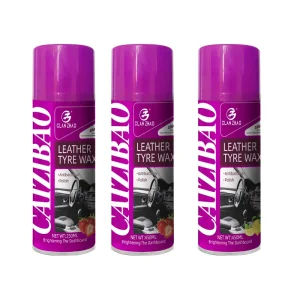
Exploring the global market shift toward high-performance metallic aerosol finishes in architecture, manufacturing, and restoration.
The global demand for Antique Brass Spray Paint has escalated from simple DIY home decoration to high-end industrial and commercial manufacturing applications. Architects, product designers, hotel renovators, and automotive customizers seek the timeless aesthetic of antique brass without the prohibitive weight, cost, and ecological footprint of solid brass castings. This demand is met by chemical spray formulations that realistically emulate the deep, textured metallic patina of naturally aged brass while providing structural corrosion protection.
Industrial settings require antique brass coatings to perform beyond visual aesthetics. Modern formulations incorporate microscopic metallic flakes, UV-stabilized acrylic or alkyd resins, and anti-settling agents to ensure consistent orientation of the metallic pigment upon atomized release. When applied, these layers form a cohesive barrier against environmental degradation, oxygenation, and friction, which are primary challenges in high-foot-traffic commercial settings such as hotels, retail environments, and office complexes.
From an ecological standpoint, the shift towards aerosol metallic coatings eliminates the heavy metal runoff and acid bath hazards associated with electroplating. Manufacturers and distributors face pressure to select formulations that balance high chemical performance with strict environmental parameters. Consequently, sourcing from factories capable of implementing advanced fine chemical synthesis becomes a key strategic factor for global paint distributors, building material suppliers, and hardware manufacturers.
Advanced suspension techniques prevent pigment clustering, creating a uniform, natural metallic luster with aged warm undertones.
Acts as an oxygen-impermeable layer that protects ferrous and non-ferrous metals from oxidation and pitting.
Replaces high-pollution acid electroplating baths with a controlled aerosol delivery system that meets VOC target standards.
Understanding the systematic supply chain advantages that place Chinese aerosol manufacturing at the forefront of the global industry.
The global dominance of Chinese aerosol manufacturers is built on structural supply chain integration and raw material proximity. In provinces like Shandong, the concentration of fine chemical refining plants, tinplate steel mills, propellants and valves manufacturers, and automated packaging lines creates a highly localized production network. By sourcing propellants (such as DME, LPG, and butane variants) and metallic pigments within a 150-kilometer radius, factories reduce domestic freight costs, eliminate raw material supply bottlenecks, and accelerate turnaround times for custom runs.
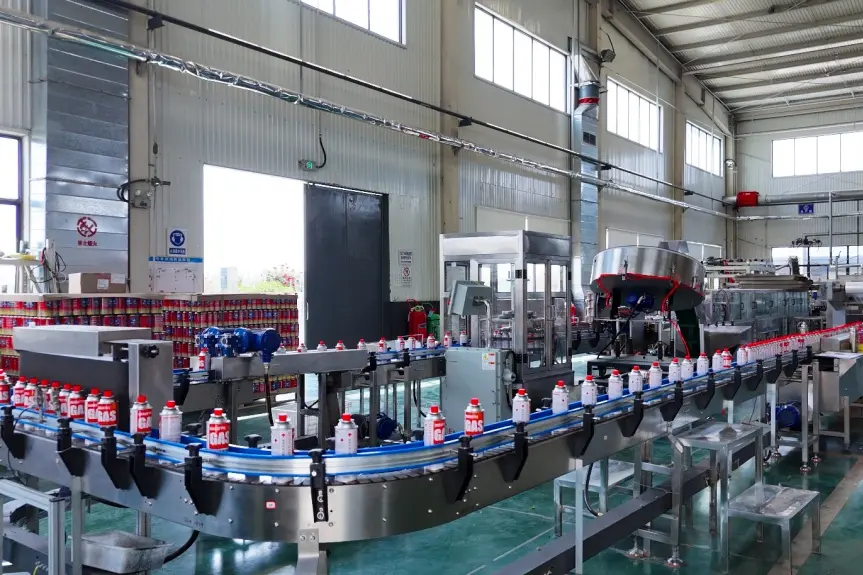
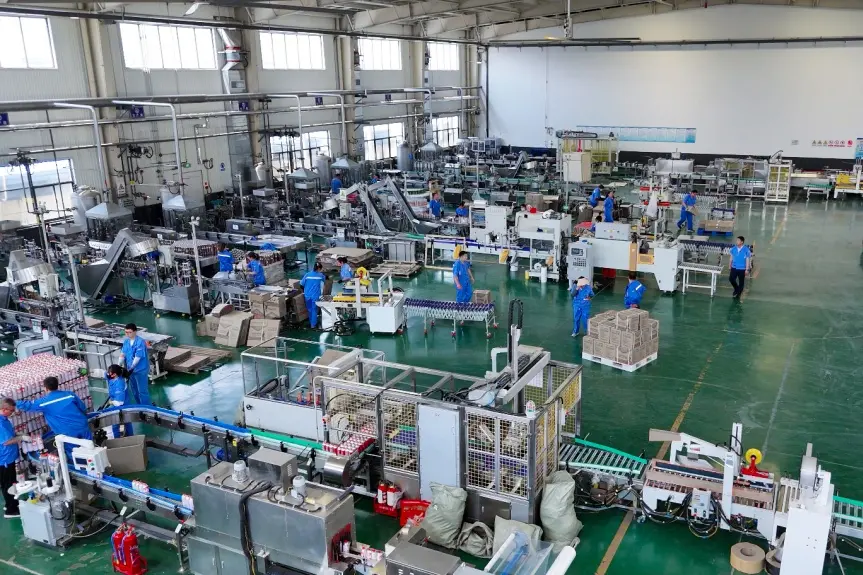
Furthermore, Chinese manufacturers invest in high-output automation. Fully automated production lines run uninterrupted, utilizing electromagnetic testing scales, automated pressure checkers, and water-bath leak detectors to ensure high yield rates. This level of automation ensures consistency in pressure, fill volume, and formula homogenization across large production batches. This allows Chinese factories to offer competitive pricing on bulk containers and OEM private label contracts while meeting international safety standards.
Port accessibility is another critical factor. Factories in Linyi and surrounding industrial zones in Shandong utilize the Port of Qingdao, which features specialized infrastructure for handling Class 2.1 dangerous goods (aerosols). This access minimizes overland transport times and optimizes sea freight rates. For global buyers, this results in predictable delivery timelines, minimized demurrage risks, and simplified customs compliance through experienced chemical export logistics networks.
A wholly-owned foreign trade subsidiary of Linyi Xingguan Fine Chemical Co., Ltd. leading the high-end fine chemical and aerosol industry.
Shandong ClanZhao New Material Technology Co., Ltd. is a specialized foreign trade subsidiary wholly-owned by Linyi Xingguan Fine Chemical Co., Ltd. It focuses on the high-end fine chemical industry, specializing in the research and development of aerosol products, large-scale production, and global cross-border export business.
Relying on the parent company's nearly 20 years of experience in the fine chemical industry and its global channel sales network, the company maintains strong production, sales, and R&D capabilities. We collaborate with several universities and professional research institutions to establish joint R&D laboratories, continuously refining formula processes and launching new environmentally friendly chemical products.
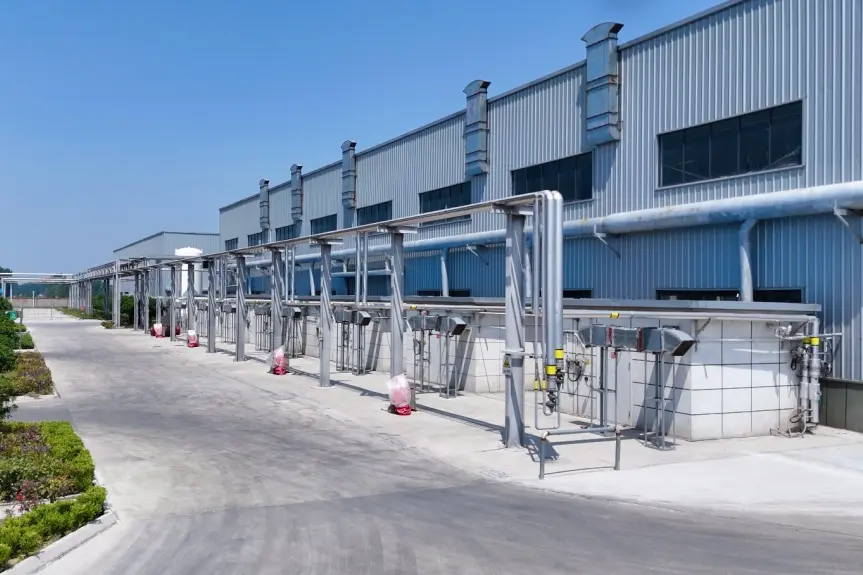
Our production base spans an area of 100,000 square meters, equipped with 10 international standard fully automated filling production lines and a full set of precision quality inspection equipment. We have established a standardized quality control system that covers the entire process from raw material storage, production, and processing to finished product delivery.

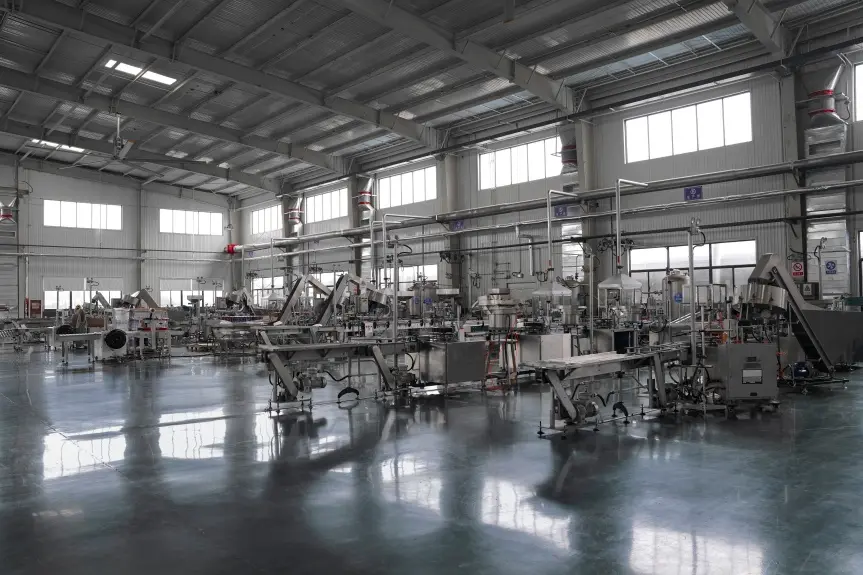
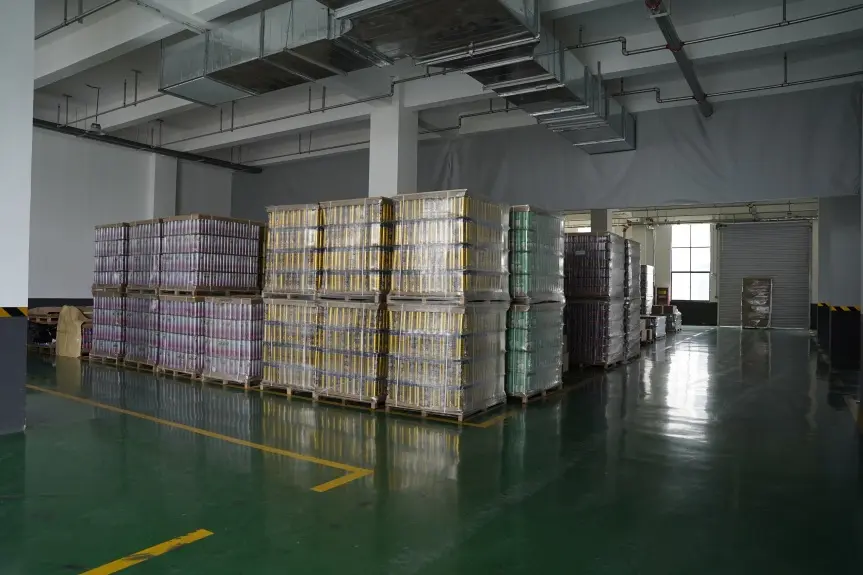
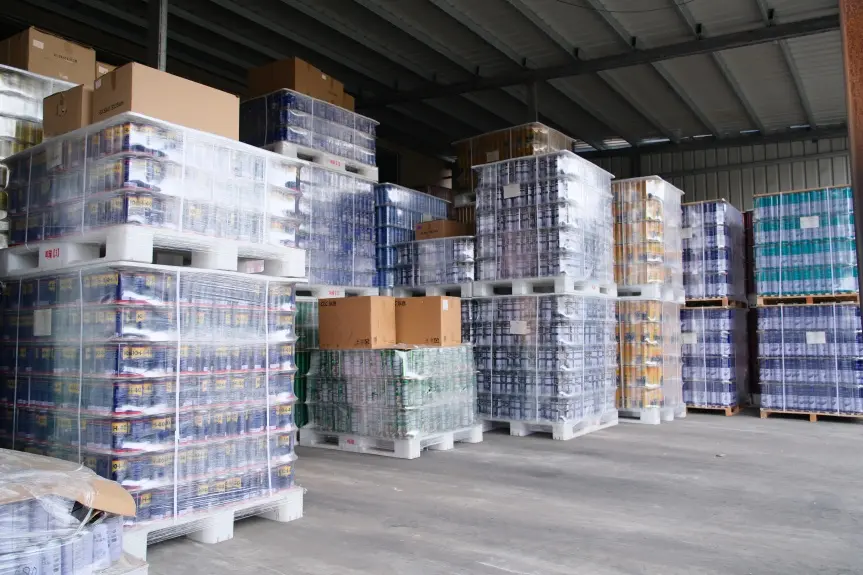

Our core categories span eight specialized series, supported by flexible OEM/ODM custom manufacturing capabilities.
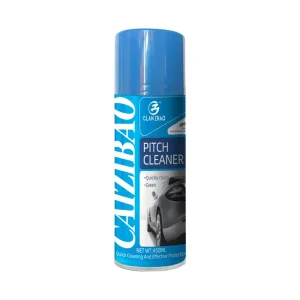
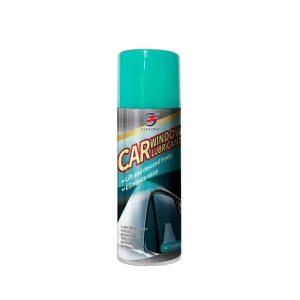
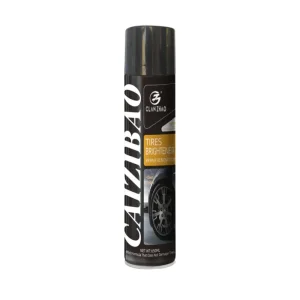
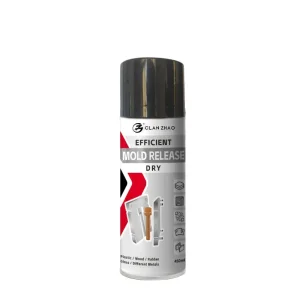
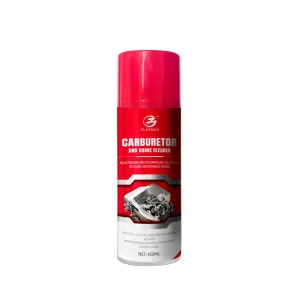
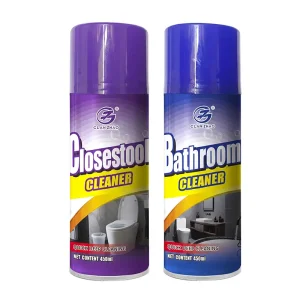
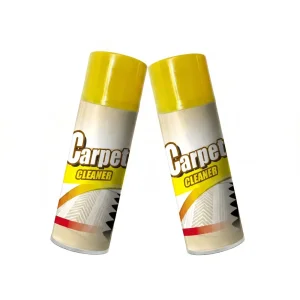
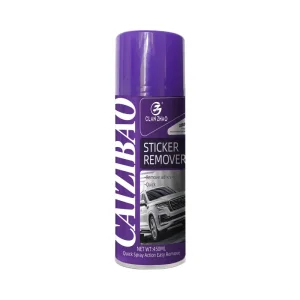
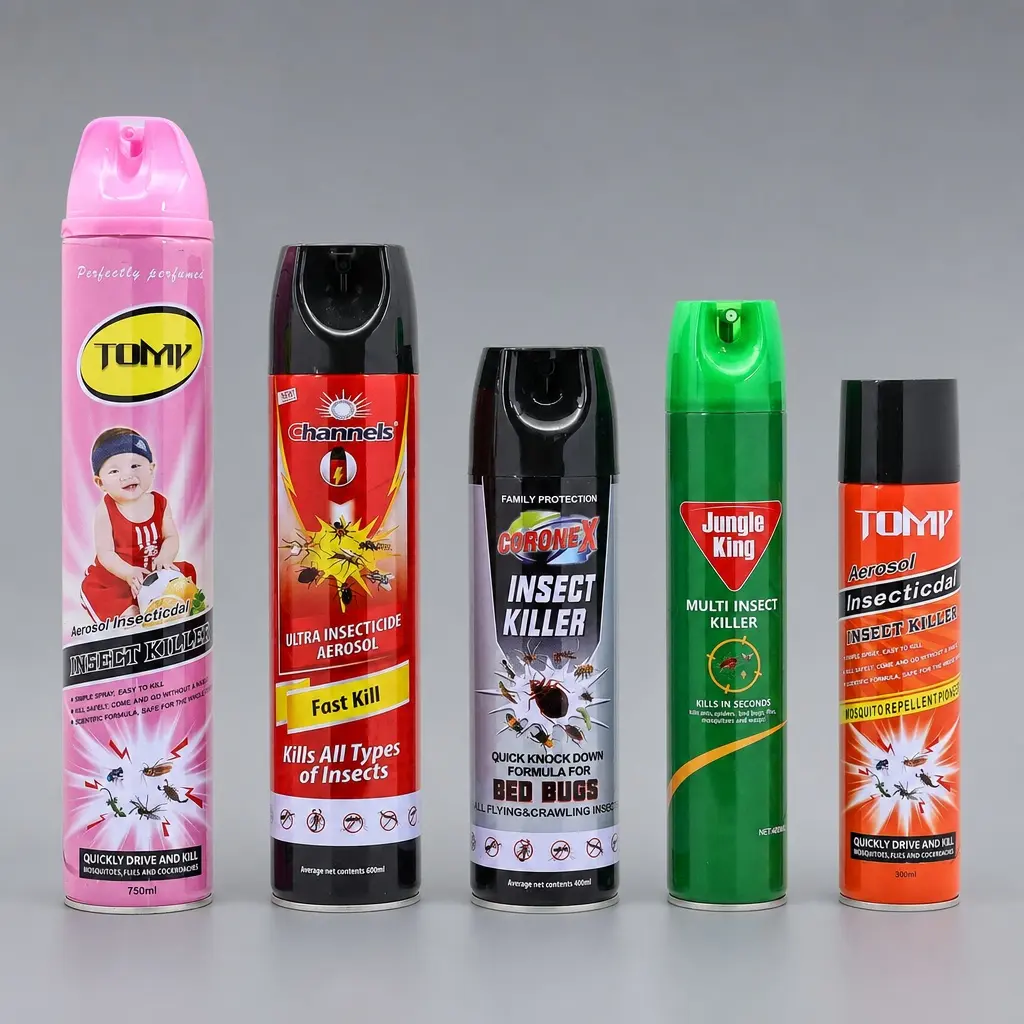
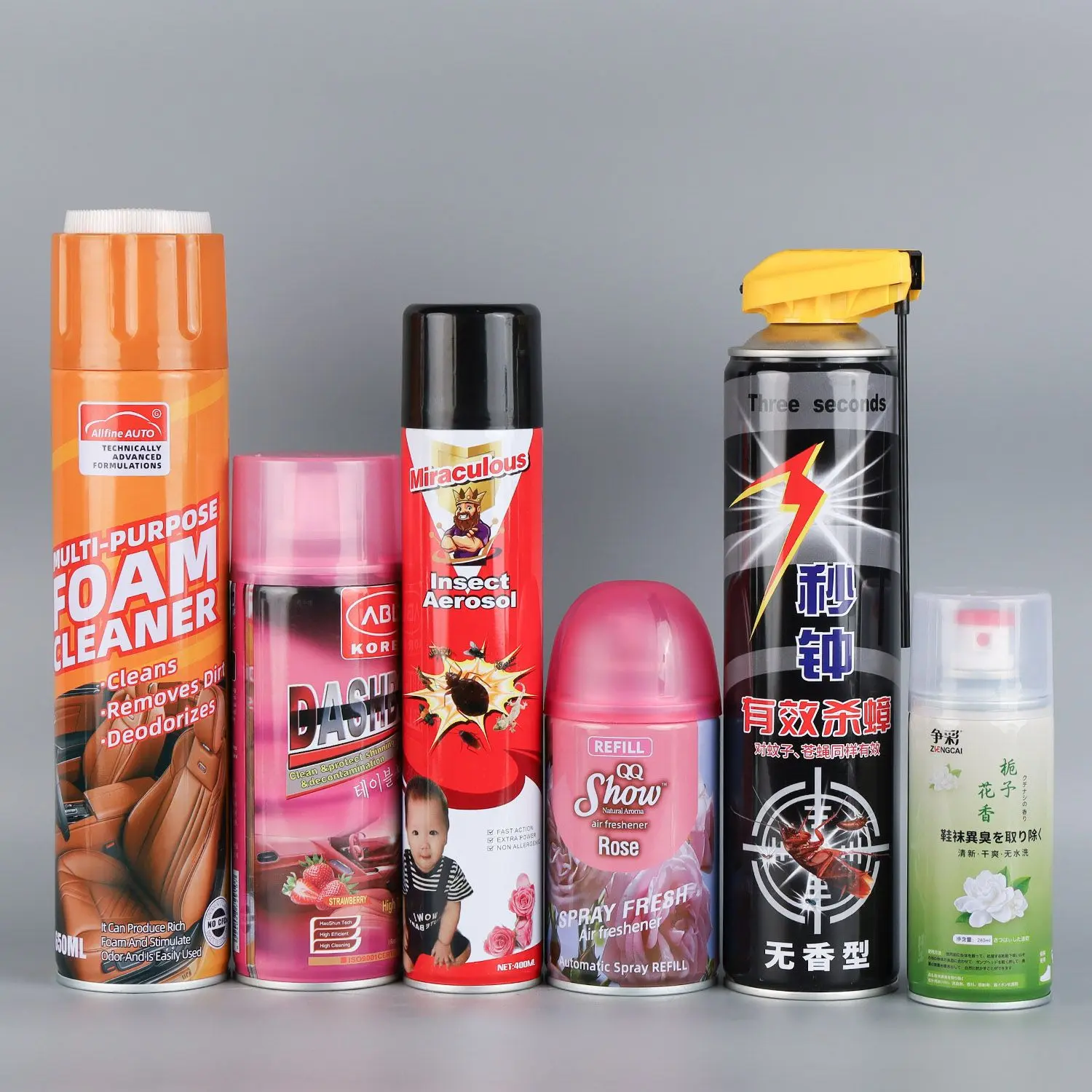
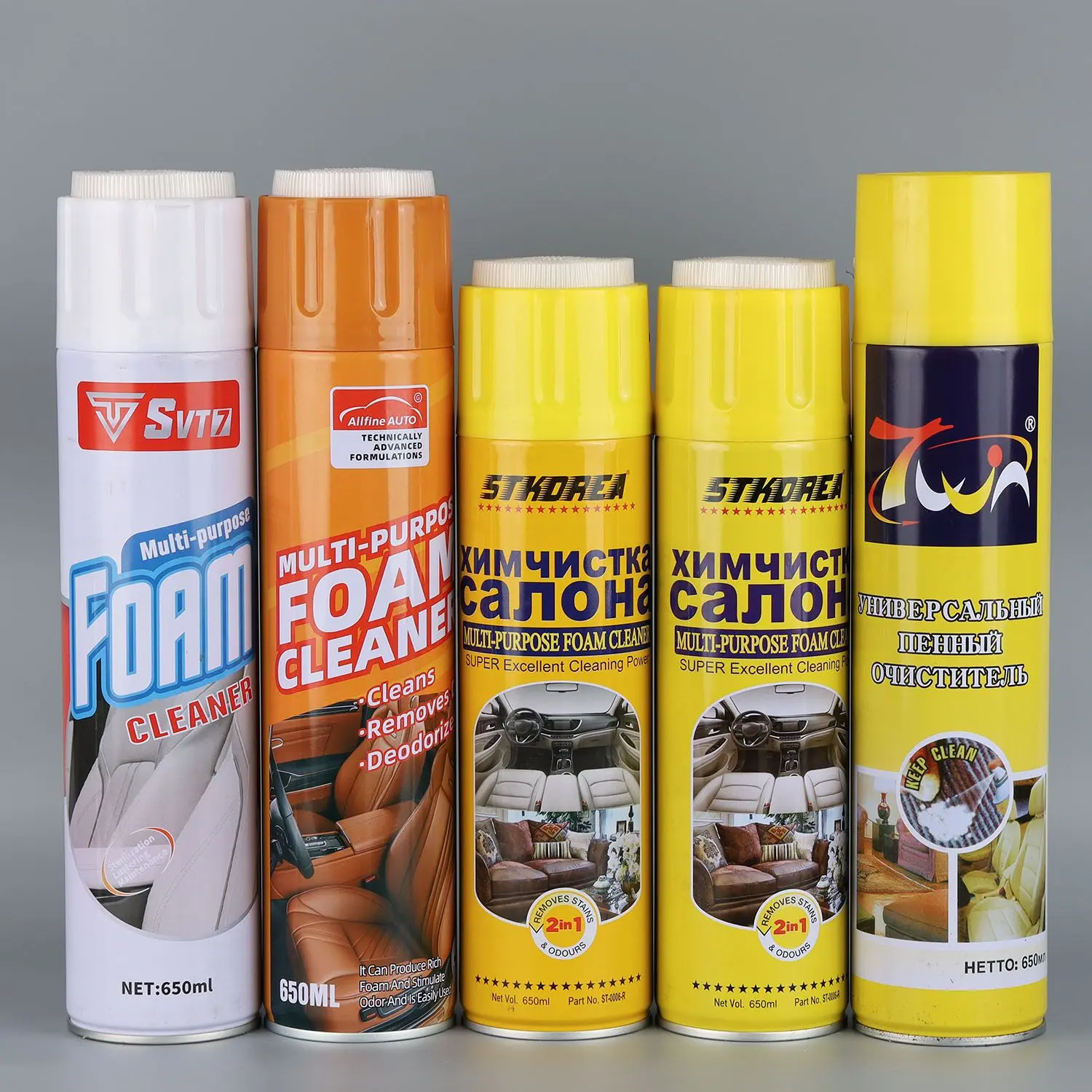
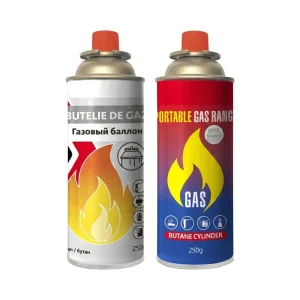
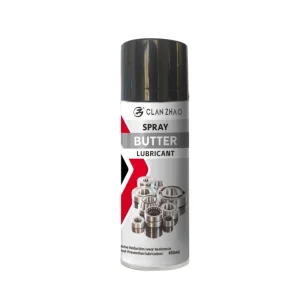
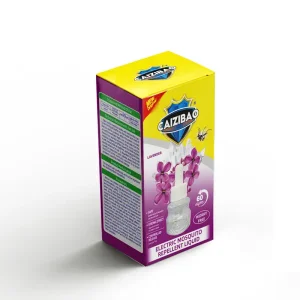
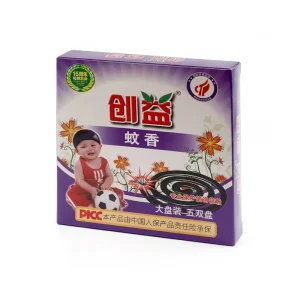
Our company boasts a comprehensive product matrix layout, with core categories spanning eight series: insecticidal aerosols, portable butane gas cylinders, automotive maintenance consumables, household daily chemical products, personal care products, pet cleaning agents, industrial specialized consumables, and foam sealants. Additionally, we offer one-stop, highly adaptable OEM/ODM custom manufacturing services to customers worldwide, deeply matching their differentiated branding and production needs.
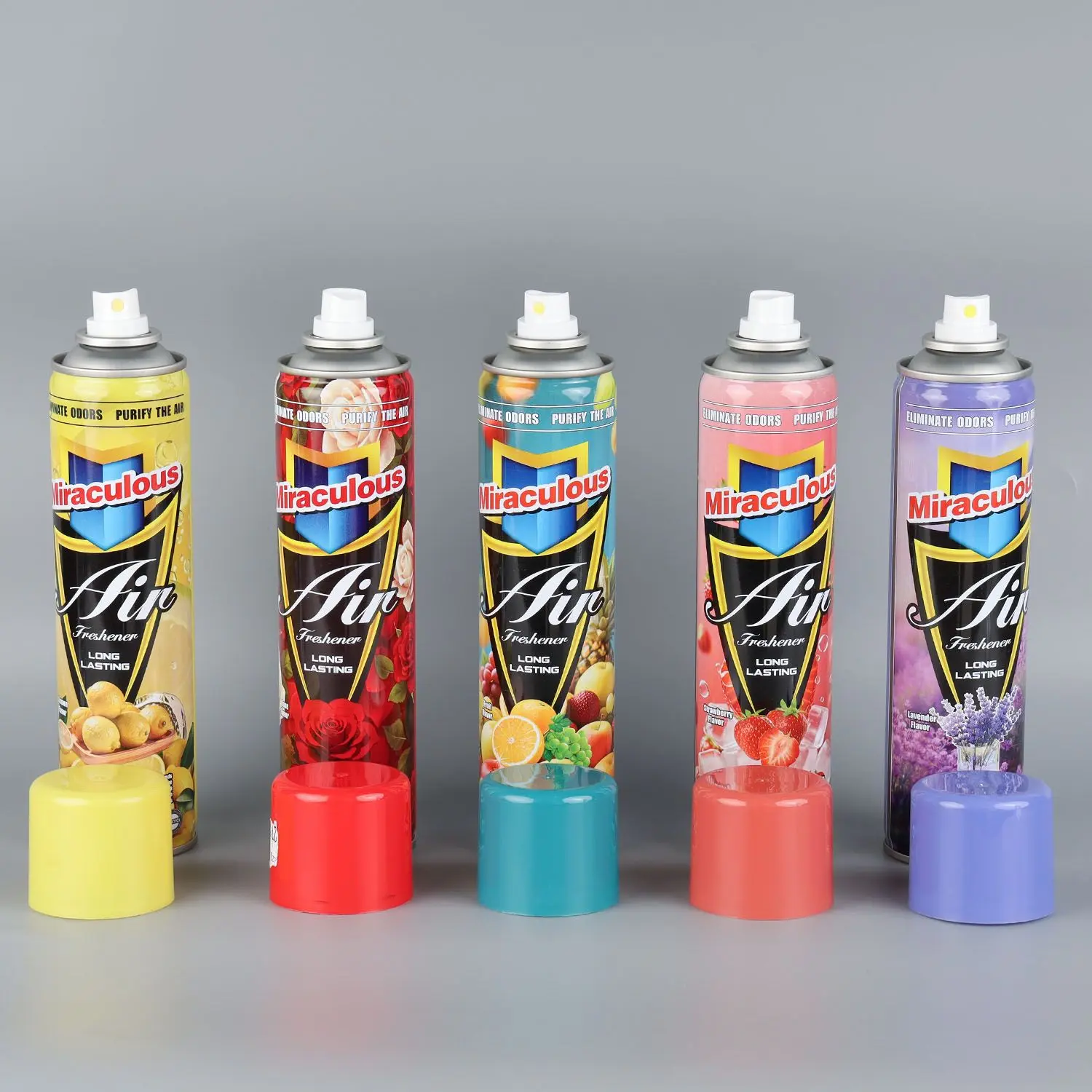
Analyzing specific environments and substrate interactions where chemical antique brass coatings provide maximum utility.
Antique brass spray paint serves diverse practical applications, each with unique substrate and environmental demands. For architectural ironmongery and light fittings, the coating provides both coloration and protection. Aluminum and mild steel profiles used in door frames and window trims benefit from the formulation's adhesion promoters, preventing peeling caused by thermal expansion and mechanical stress.
In high-humidity marine or coastal hospitality zones, structural elements are vulnerable to salt spray corrosion. In these cases, an antique brass finish acts as a sacrificial barrier. When paired with a polyurethane clear topcoat, the multi-layered paint system protects metals from chloride-induced crevice corrosion. This makes it an ideal solution for exterior light fixtures, patio furniture, and decorative gates in coastal resorts.
For industrial design and antique restoration projects, the paint offers an efficient method to simulate natural oxidation. Instead of waiting decades for copper alloys to develop a natural brown-gold patina, designers can apply antique brass spray coatings to plastics (ABS, PVC), wood, plaster, and fiberglass. The fast drying time allows manufacturing plants to finish parts rapidly, reducing production cycles for vintage-style consumer products, hardware fixtures, and theatrical set designs.
Essential compliance, packaging, and chemical regulatory frameworks for importing aerosol products.
Importing aerosol products requires strict adherence to international safety standards, hazardous transport protocols, and regional environmental rules. Under international maritime codes (IMDG), aerosol sprays are classified as Class 2.1 Flammable Gases (UN1950). Consequently, exporters must hold valid dangerous goods packaging qualifications, use pressure-tested tinplate canisters, and ensure cargo is properly secured inside shipping containers to prevent thermal buildup and pressure changes during transit.
Furthermore, regional chemical regulations impact formulation criteria. For example, products destined for the European Union must comply with REACH registration regulations, while shipments to North America must meet EPA and California Air Resources Board (CARB) Volatile Organic Compound (VOC) limits. Formulating with compliant propellants and solvents is essential to avoid border rejections, product recalls, or environmental penalties. Chinese manufacturers who invest in compliance and hold certifications like ISO9001 are better positioned to support global buyers through these regulatory processes.
A typical procurement process involves verifying safety documentation, such as Safety Data Sheets (SDS) in the destination country's language, testing valve output rates, and checking color consistency across production batches. Leading factories establish strict quality control departments to check seal integrity, internal pressure, and spray pattern width. This ensures that every container meets the user's operational standards upon arrival.
Ensuring cross-border compliance and reliable product delivery through strict adherence to international standards.
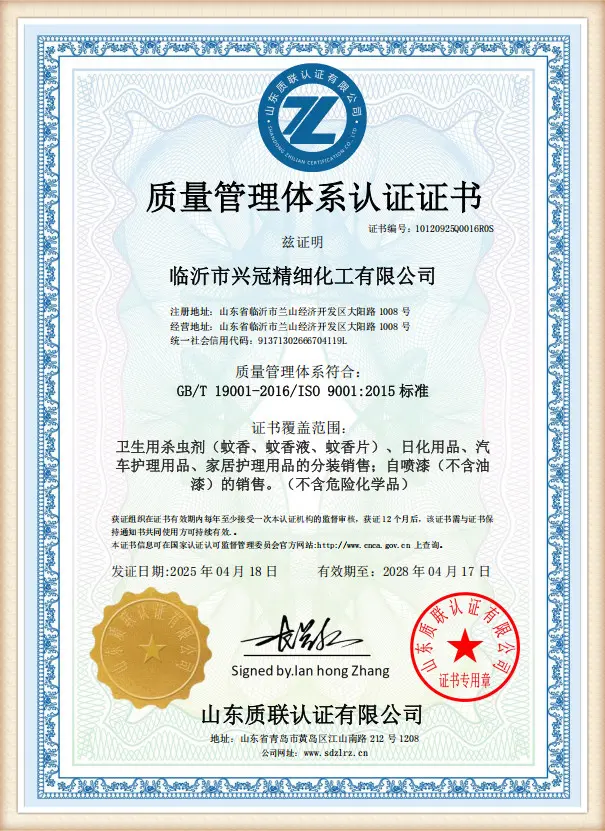
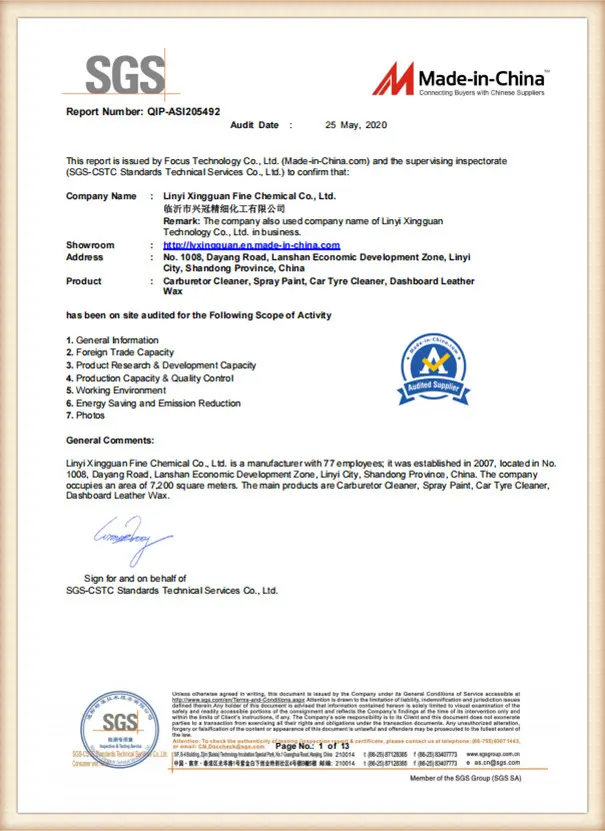
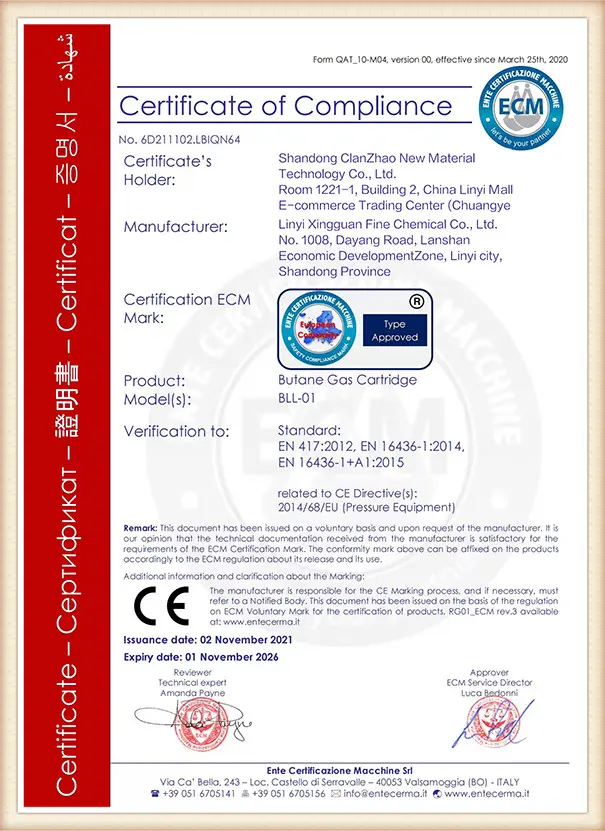
The company has obtained ISO9001 quality management system certification, formal chemical production license, and special qualification for exporting dangerous goods packaging, ensuring all qualifications are complete and compliant. We are capable of undertaking bulk supply of finished products and customized orders for domestic and foreign brands. We strictly adhere to the compliance standards for cross-border trade, guaranteeing stable delivery of orders for global customers. We are committed to becoming a reliable one-stop supply chain partner in the global aerosol industry.
Emerging formulations, sustainable raw materials, and changes in aerosol delivery systems.
The metallic aerosol paint industry is evolving, driven by demand for sustainability and improved user control. The primary shift is the development of water-based metallic aerosol paints. Traditionally, metallic pigments required solvent-rich bases to prevent oxidation before application. However, recent developments in resin design and anti-corrosive pigments allow manufacturers to produce water-borne formulas that offer comparable durability with significantly lower VOC output, satisfying strict ecological standards.
In addition, nozzle design and propellant systems are improving. Multi-directional and adjustable fan-spray nozzles allow users to regulate the spray pattern from horizontal to vertical, simulating the control of professional HVLP spray guns. This precision minimizes overspray, optimizes product coverage, and ensures consistent paint thickness on complex shapes. At the same time, propellants derived from bio-based or captured carbon sources are being introduced to reduce the carbon footprint of aerosol products.
Lastly, smart color-matching systems and synthetic mica flakes are replacing traditional metallic bronzing powders. These synthetic pigments offer enhanced color depth, improved light fastness, and better resistance to acid rain, keeping the warm gold tone of antique brass stable under outdoor conditions. Sourcing from factories that actively develop these technologies ensures that distributors can adapt to changing regulatory demands and consumer preferences.
Detailed answers to technical questions about formulation, application, shelf life, and international logistics.
We maintain color consistency through computerized spectrophotometer matching and strict raw material control. We store batch reference standards in our quality control lab, and check the dispersion of metallic pigments using automated viscometers and grind gauges before filling. This process ensures that the ratio of metallic flake to binder remains consistent from the first container to the last.
Under normal storage conditions (temperatures between 15°C and 35°C in a dry environment), our metallic aerosol products have a shelf life of 24 to 36 months. We recommend storing containers upright and away from direct sunlight, open flames, and high temperatures to prevent propellant degradation and preserve pressure integrity.
Yes, we customize our chemical formulations to meet the compliance requirements of destination markets. For EU orders, we use REACH-registered solvents and propellants. For North American shipments, we adjust our formulas to comply with regional VOC limits, providing complete Safety Data Sheets (SDS) and technical datasheets (TDS) for customs clearance.
While our advanced formulations contain adhesion-promoting resins that stick well to various plastics (like ABS and PVC), we recommend applying a plastic primer first on high-wear surfaces or low-surface-energy plastics (such as PP and PE) to ensure long-term durability and scratch resistance.
As certified dangerous goods exporters, we use UN-approved cartons and pressure-tested tinplate containers. We provide the necessary export certificates, including Dangerous Goods Declarations, MSDS, and Safe Transport Certificates. We work with experienced ocean carriers out of Qingdao Port to ensure safe handling and routing to destination ports.
Our standard MOQ for custom OEM orders ranges from 10,000 to 20,000 units per formulation. This range supports efficient operation of our high-speed automated filling lines and complies with raw material printing and packaging production requirements. We can accommodate smaller test batches under specific terms.
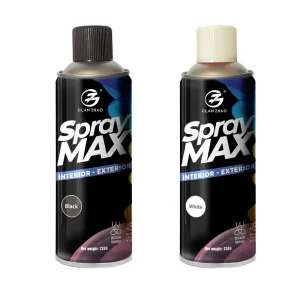
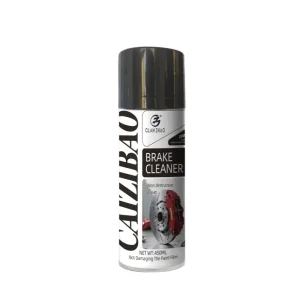
Get in touch with our engineering and export departments to receive formula samples, custom quotations, and regulatory compliance assistance.
Request Commercial Samples & Catalogues ClanZhao