Choosing the right Insecticidal Aerosol can be crucial for effective pest control. With numerous options available globally, it’s essential to understand their features and benefits. This guide presents the top 10 Insecticidal Aerosol products, specifically tailored for the needs of global buyers.
Insecticidal Aerosols are easy to use and can target various pests. They offer convenience for both residential and commercial use. These products often come with detailed instructions, which ensure safety and effectiveness. However, potential buyers must also consider factors like the active ingredients and application methods.
While many aerosols are effective, not all are environmentally friendly. It's vital to weigh the pros and cons before making a purchase. Some consumers report allergic reactions, highlighting the need for careful selection. Understanding these products can help buyers make informed choices and ensure a pest-free environment. This introduction sets the stage for deeper insights into the best Insecticidal Aerosol options available today.
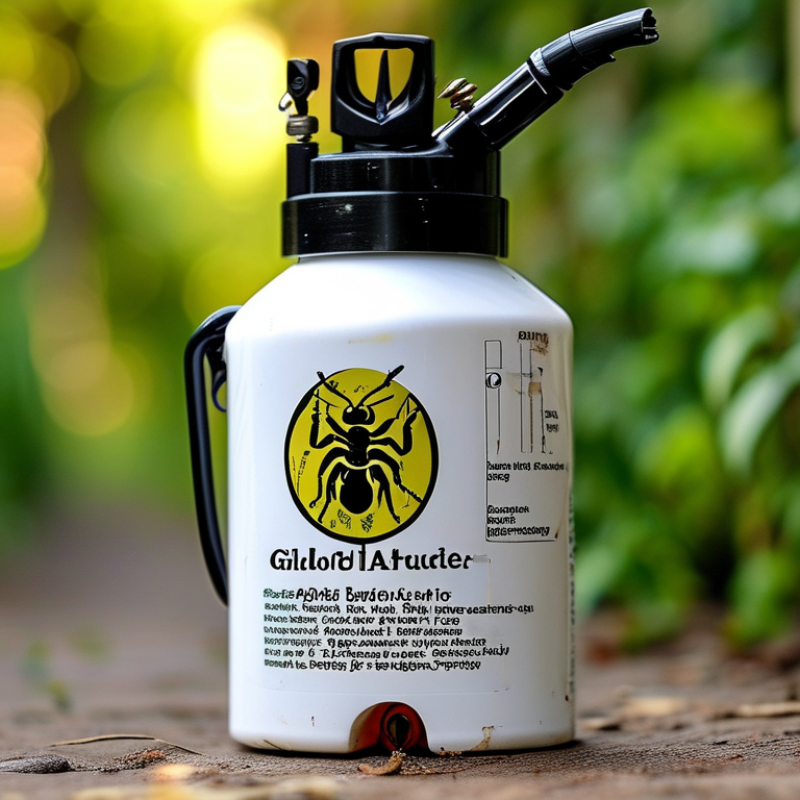
When choosing insecticidal aerosols, efficacy and safety are paramount. Global buyers should look for products that meet strict safety standards. Effective insecticides should quickly eliminate pests without posing risks to humans or pets. Ideally, they should combine quick action with long-lasting residual effects.
Tips: Always read the label for active ingredients and safety precautions. Proper ventilation is crucial when using aerosols indoors. Consider using alternative pest control methods alongside aerosols for a comprehensive approach.
It’s essential to be cautious. Some aerosols may cause allergic reactions, or their long-term effects can be unknown. Researching the ingredient list and seeking products with clear safety certifications is advisable. Trial and feedback from users can also provide insights. Balancing effectiveness with safety can sometimes be challenging. Always stay informed about products that are well-regarded in your region before making a purchase.
| Product Name | Active Ingredient | Efficacy (%) | Safety Rating | Application Type |
|---|---|---|---|---|
| Aerosol A | Pyrethroids | 95 | Low | Indoor/Outdoor |
| Aerosol B | Permethrin | 90 | Medium | Outdoor |
| Aerosol C | Deltamethrin | 85 | Low | Indoor |
| Aerosol D | Bifenthrin | 82 | Medium | Outdoor |
| Aerosol E | Lambda-Cyhalothrin | 88 | Low | Indoor/Outdoor |
| Aerosol F | Esfenvalerate | 92 | Medium | Outdoor |
| Aerosol G | Cypermethrin | 89 | Low | Indoor/Outdoor |
| Aerosol H | Pyriproxyfen | 91 | Medium | Indoor |
| Aerosol I | Tetramethrin | 87 | Low | Indoor/Outdoor |
| Aerosol J | Acephate | 86 | Medium | Outdoor |
: Efficacy and safety are crucial. Choose products that meet strict safety standards for humans and pets.
Proper ventilation is essential. Open windows and doors during application for better safety and effectiveness.
Yes, some aerosols may cause allergic reactions or have unknown long-term effects. Research is necessary.
Knowing active ingredients builds trust. Awareness leads to informed choices and better pest management.
Consider the ecological footprint. Opt for products with safer disposal methods to avoid contamination.
Microencapsulation is a key innovation. It allows effective ingredients to be released slowly, targeting pests more efficiently.
Ensure even coverage and follow instructions carefully. This helps achieve better pest control results.
Not all aerosols perform the same. Family dynamics and pet presence can affect their effectiveness.
It may require experimenting with different sprays. Reflect on your needs and embrace a trial-and-error approach.
Consider feedback and user reviews. Learning from others can help refine your choice and improve results.
This article delves into the top 10 insecticidal aerosol products by evaluating their efficacy and adherence to safety standards. A thorough market share analysis highlights the leading brands in the global insecticidal aerosol market, examining consumer preferences that shape trends in product selection. Additionally, the article addresses the importance of regulatory compliance and the environmental impact of these aerosol insecticides, ensuring that they meet health and safety requirements.
Innovation in formulation stands at the forefront, with advancements aimed at enhancing both the effectiveness of insecticidal aerosols and the overall user experience. By considering these factors, consumers can make informed choices about insecticidal aerosol products that are safe, effective, and environmentally responsible.

 ClanZhao