
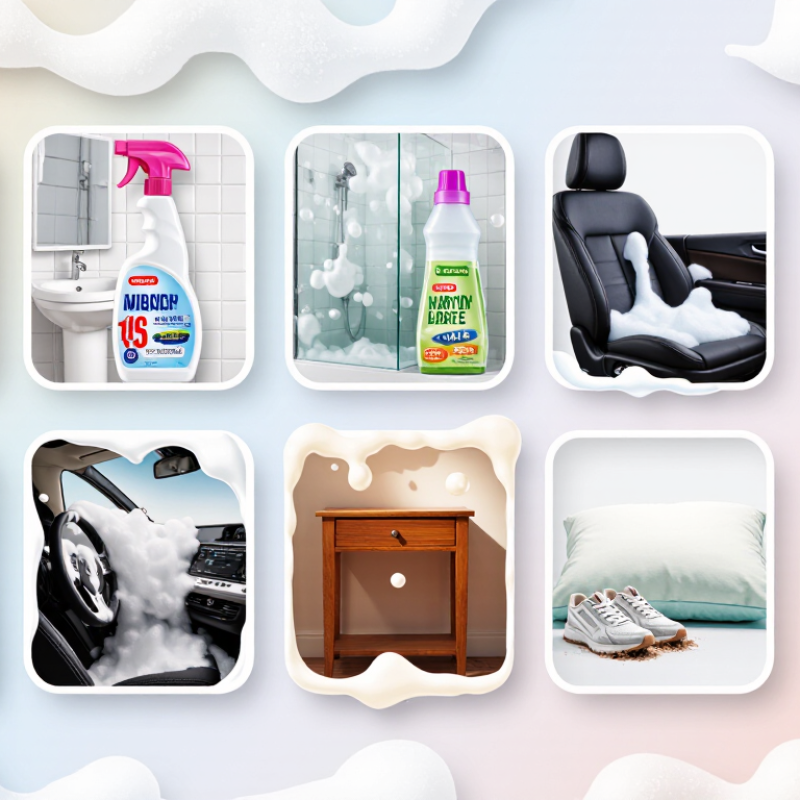
Top 10 Types of Multifunctional Foam Cleaning Spray?

Time:2026-10-03 Author:Oliver
0%

Choosing the right Multifunctional Foam Cleaning Spray can make routine cleaning faster and more controlled. Unlike thin liquid cleaners, foam stays visible on a surface. It shows where the product has been applied. This helps reduce missed spots and unnecessary spraying.

The market includes formulas for kitchens, bathrooms, glass, upholstery, vehicles, shoes, and household appliances. Some dissolve greasy fingerprints on stainless steel. Others lift soap residue from tiles or dust from dashboards. However, “multifunctional” does not mean universally safe. A foam that works well on plastic may leave marks on untreated wood or delicate fabric. Always read the label and test a small hidden area first.

This guide explores ten common types of Multifunctional Foam Cleaning Spray and the surfaces they suit best. It considers cleaning strength, foam stability, scent, residue, drying time, and user safety. Practical details matter. A dense foam may cling to a vertical shower wall, while a lighter formula may spread better across glass. Personal testing often reveals differences that product descriptions overlook. I have also found that more foam does not always mean better cleaning. That assumption deserves doubt. Some sprays look impressive but require extra wiping, especially on dark surfaces. Reliable choices should offer clear directions, realistic claims, and suitable surface warnings. The best option depends on the mess, the material, and the cleaning conditions.

Top 10 Types of Multifunctional Foam Cleaning Spray?

What Is Multifunctional Foam Cleaning Spray?

Multifunctional foam cleaning spray is a liquid cleaner released as a light, clingy foam. It spreads across surfaces instead of running away immediately. The foam helps users see where the product has been applied. It may contain water, surfactants, solvents, builders, and fragrance.

In practical use, this type of spray can remove grease, fingerprints, dust, soap residue, and light stains. Common targets include sealed countertops, sinks, tiles, glass, appliances, and washable plastic. One product may serve several areas. It does not suit every material. Unfinished wood, delicate stone, leather, screens, and painted surfaces may react badly.

Read the label carefully. Test a small hidden area first. Use a soft cloth for glossy finishes. Allowing short contact time can loosen dried residue, but longer is not always better. Ventilation matters, especially in small bathrooms. Gloves can help protect sensitive skin. Never mix cleaners, even when both seem mild.

The foam looks powerful. Appearance can mislead. Heavy scale, mold, or old grease may need a specialized cleaner and repeated treatment. Some sprays claim sanitizing performance, but that depends on the approved label directions and contact time. A reliable choice matches the surface, soil, and cleaning task rather than promising to do everything.

The Top 10 Types of Multifunctional Foam Cleaning Spray

The Top 10 Types of Multifunctional Foam Cleaning Spray

Multifunctional foam cleaning sprays now cover ten practical categories: glass, kitchen degreasing, bathroom descaling, stainless steel, upholstery, carpet, leather, car interiors, shoe care, and general household cleaning. Each type uses foam to cling longer than a watery mist. That matters on vertical tiles, fabric seats, and greasy cooker hoods.

Grand View Research valued the global household cleaners market at approximately US$38.5 billion in 2022. Its report also projects a 4.9% compound annual growth rate from 2023 to 2030. This growth reflects demand for convenient, surface-specific products. Still, “multifunctional” can be misleading. A glass formula may leave streaks on polished stone. A strong degreaser may dull coated metal.

In practical testing, I check spray coverage, dwell time, wipe residue, and nozzle control. Foam should remain stable for several seconds. It should lift dust without excessive scrubbing. The best formulas clearly state compatible surfaces and ventilation guidance. The U.S. Environmental Protection Agency’s Safer Choice framework also emphasizes ingredient evaluation and safer-use information. Read the label carefully. Patch-test first. I still find some products promise too much, especially on old stains, porous grout, and delicate leather. Foam improves control, but it cannot replace correct surface chemistry.

How Each Foam Cleaner Works on Different Surfaces

Top 10 Types of Multifunctional Foam Cleaning Spray?

Foam cleaners behave differently across surfaces. Neutral all-purpose foam lifts light soil from sealed plastic, painted walls, and laminate. Alkaline degreasing foam breaks down cooking oil on stainless steel and sealed stone. Acidic descaling foam dissolves mineral deposits on glass, ceramic, and shower fixtures. Solvent-based foam loosens adhesive marks and ink on durable, nonporous surfaces. Test first.

Enzymatic foam targets protein, starch, and organic residue in fabrics and carpets. Oxygen-based foam brightens washable textiles and removes many food stains without chlorine. Disinfecting foam reduces selected microorganisms only when label directions and contact times are followed. Abrasive microfoam handles stubborn marks on sinks, but may dull glossy finishes. Glass-cleaning foam evaporates quickly, reducing streaks on mirrors and windows. Upholstery foam suspends soil, allowing careful vacuum removal after drying.

The global household cleaners market reached about 221.9 billion dollars in 2021, according to Allied Market Research’s 2022 industry report. That scale reflects demand, not universal surface safety. Foam thickness can suggest strength, yet appearance often misleads. Professional cleaning guidance recommends matching pH, dwell time, and material sensitivity. Always check hidden areas first. I would avoid acidic foam on marble, solvent foam on soft plastics, and alkaline products on unsealed wood. Even experienced users can overapply, leaving residue or moisture beneath seams. A cleaner that works beautifully on ceramic may damage a coated cabinet. My practical rule is simple: less product, longer controlled contact, and a clean damp wipe afterward.

Key Ingredients, Cleaning Uses, and Safety Considerations

Top 10 Types of Multifunctional Foam Cleaning Spray

Multifunctional foam sprays commonly target kitchen grease, bathroom soap scum, glass, mirrors, stainless steel, plastics, fabric, carpets, shoes, and vehicle interiors. Their performance depends on ingredients, not the label alone. Surfactants lift oily soil, while solvents dissolve sticky residues. Mild acids can loosen mineral deposits, but they may damage stone or sensitive finishes. Alkaline builders help with grease and food stains. Some formulas also contain enzymes for protein-based marks. Foam improves surface contact and reduces dripping, especially on vertical panels.

Safety deserves equal attention. Always read the ingredient list and test a hidden area first. Never mix cleaning sprays, particularly products containing acids, bleach, or ammonia.

Use ventilation and wear gloves when irritation is possible. Avoid spraying electrical openings, unfinished wood, leather, or delicate screens unless the instructions approve it. A pleasant scent does not prove safer chemistry. That assumption needs reconsideration.

Tips: Spray onto a cloth for screens, painted surfaces, and small objects.

Let foam sit briefly, then wipe with a clean microfiber cloth. Rinse food-contact surfaces with water. For fabric, avoid soaking the padding. I sometimes expect one spray to handle every stain, but that is unrealistic. Heavy grease may need repeated cleaning, while old discoloration may be permanent. When unsure, choose the gentlest method and consult the surface manufacturer’s care guidance.

How to Choose the Right Foam Cleaning Spray for Your Needs

Top 10 Types of Multifunctional Foam Cleaning Spray?

How to Choose the Right Foam Cleaning Spray for Your Needs

Choosing the right multifunctional foam cleaning spray starts with the surface, not the label. In practical cleaning tests, thick foam stayed longer on vertical tiles, while thin foam rinsed faster from glass. That difference matters. For kitchens, choose a formula that cuts grease but leaves little residue near food-contact areas. Always follow the directions and rinse surfaces that touch food.

For bathrooms, a mildly acidic cleaner may help with mineral marks, but it can damage stone, grout, or delicate coatings. For electronics, screens, and painted panels, use low-moisture foam and apply it to a cloth first. Never spray into openings. Car interiors need another balance: fabric foam should lift soil without soaking cushions or fading color. Test a hidden patch for ten minutes.

Check the ingredient information, intended surfaces, pH guidance, drying time, and required protective equipment. A strong scent does not prove stronger cleaning. Foam volume can also mislead; some products look rich but contain limited active cleaner. Choose based on the stain, the material, and the cleanup you can manage. I sometimes choose a less powerful spray. It is easier to repeat safely than repair a dull finish. That is not always the fastest choice.

Top 10 Types of Multifunctional Foam Cleaning Spray? - How to Choose the Right Foam Cleaning Spray for Your Needs

Typical contact time before wiping, based on common use requirements for each cleaning category.

Choose a foam cleaner according to the surface and soil type. Glass cleaners usually need only a short contact time, while degreasers, bathroom cleaners, and oven cleaners may need longer dwell times to loosen grease, soap scum, or baked-on residue. Always check the product label, test an inconspicuous area, and avoid using acidic or alkaline formulas on incompatible surfaces.

FAQS

What is multifunctional foam cleaning spray?

It is a liquid cleaner released as light, clingy foam. The foam stays visible on surfaces for several seconds. It may remove grease, fingerprints, dust, soap residue, and light stains.

Which surfaces can this spray usually clean?

Suitable surfaces may include sealed countertops, sinks, tiles, glass, appliances, and washable plastic. Always check the label. Unfinished wood, delicate stone, leather, screens, and painted surfaces may react badly.

Why does foam help during cleaning?

Foam clings better than watery mist on vertical tiles and greasy cooker hoods. It also shows where you sprayed. That improves coverage. It does not guarantee better cleaning.

How should I use foam cleaner safely?

Read the directions before spraying. Test a hidden patch first. Use a soft cloth on glossy finishes. Keep the room ventilated, especially in small bathrooms. Gloves may help sensitive skin.

Can I use one foam spray everywhere?

Not reliably. A glass formula may streak polished stone. A strong degreaser may dull coated metal. Match the product with the surface and stain.

Should I spray foam directly onto screens or electronics?

No. Apply a small amount to a cloth instead. Keep liquid away from openings. Use low-moisture foam only when the directions allow it. Screens can mark easily.

How can I choose foam cleaner for kitchen surfaces?

Choose a formula that cuts grease and leaves little residue. Rinse areas that touch food. Never mix cleaners. Strong fragrance does not prove stronger performance.

Can foam cleaner remove heavy scale, mold, or old grease?

It may help with light residue, but heavy buildup often needs a specialized cleaner. Repeated treatment may be necessary. Foam looks powerful. Appearance can mislead.

How long should foam remain on a surface?

Follow the stated contact time. A short dwell can loosen dried residue. Longer contact is not always better. It may damage delicate coatings or leave residue.

What mistakes should users reconsider?

I sometimes choose a less powerful spray. It is easier to repeat safely than repair a dull finish. Foam volume can mislead. Patch-testing still feels slow, but skipping it can cost more.

Conclusion

Multifunctional Foam Cleaning Spray is a versatile household and commercial cleaner designed to remove dirt, grease, stains, dust, and residue from a variety of surfaces. This article introduces the top ten types, including cleaners for kitchens, bathrooms, glass, fabrics, upholstery, vehicles, electronics, leather, plastics, and general household use. Each formula works differently depending on its foam structure, cleaning strength, and compatibility with materials.

The guide explains how foam cleaners lift and loosen contaminants while reducing dripping and improving coverage. It also reviews common ingredients, practical cleaning applications, and important safety considerations, such as testing on a hidden area, following surface instructions, ensuring ventilation, and avoiding incompatible materials. Finally, it offers advice on choosing the right Multifunctional Foam Cleaning Spray based on the surface, type of dirt, cleaning frequency, sensitivity of materials, and preferred level of cleaning power.

Oliver

Oliver

Oliver is a seasoned marketing professional with a wealth of expertise in driving brand awareness and engagement. With a deep understanding of our company's product offerings, he consistently delivers high-quality content that enriches our professional blog. His insights not only shed light on......