Spray paint has become a staple in DIY and professional projects alike. According to the American Coatings Association, the market for aerosol paints is projected to reach $1.5 billion by 2024. This growing demand reflects the versatility and convenience that spray paint offers. However, selecting the best spray paint can be challenging.
Quality varies significantly among brands and types. Some sprays provide excellent coverage while others may require multiple coats, leading to wasted time and materials. It's essential to know the finish you need: matte, satin, or glossy can affect the final appearance. Additionally, paint adhesion can differ based on the surface being treated.
Experts recommend considering environmental factors too. Certain spray paints emit volatile organic compounds (VOCs), which pose health risks. Research indicates that approximately 40% of consumers prioritize low-VOC options in their purchasing decisions. Making informed choices can elevate your project while ensuring safety. In this guide, we will explore the best spray paint options tailored for various needs.
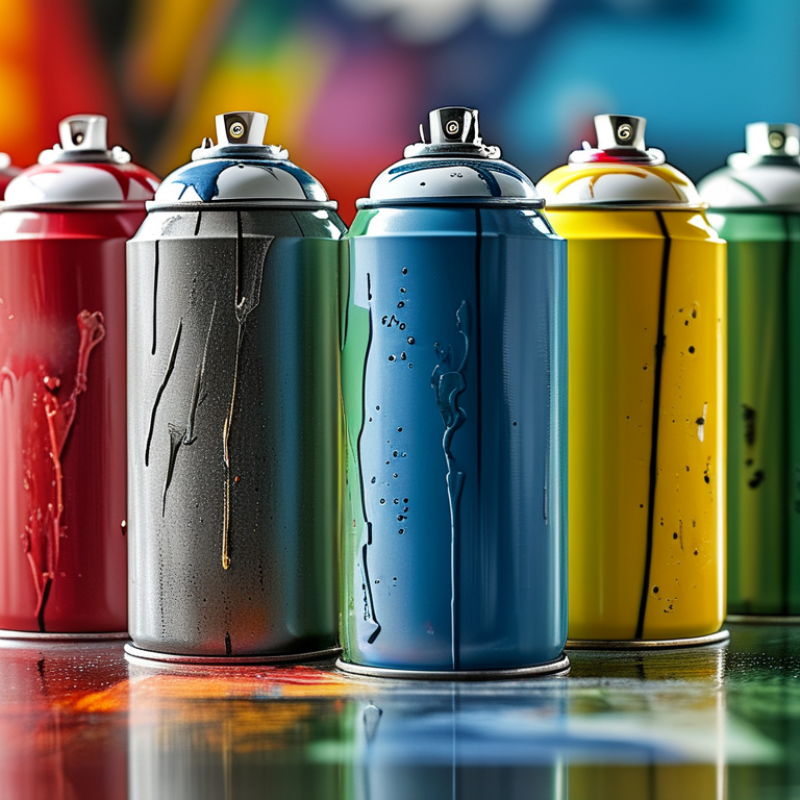
When embarking on a spray painting project, understanding the types of spray paints available is crucial. Acrylic spray paint is versatile and dries quickly. It works well on various surfaces, including wood, metal, and plastic. This type is ideal for indoor projects due to its low odor. However, it may require a sealer for outdoor durability, which can be an important consideration.
Enamel spray paint offers a robust finish. It's more durable than acrylic and withstands outdoor elements well. This paint is often used for metal surfaces, providing a smooth, glossy look. Watch out for longer drying times. Some users find it challenging to manage with multiple coats. Finally, chalkboard spray paint is a fun option for creating writable surfaces. It adds a creative touch but may need frequent reapplication in high-use areas. Understanding these options can lead to a more successful project outcome.
| Type of Spray Paint | Best Uses | Finish Options | Drying Time |
|---|---|---|---|
| Acrylic Spray Paint | Arts and Crafts, Wood, Metal | Matte, Satin, Gloss | 25-30 minutes |
| Enamel Spray Paint | Metal, Wood, Plastic | Gloss, Semi-gloss, Satin | 1-2 hours |
| Fast-Drying Spray Paint | Quick Touch-Ups, General Use | Flat, Gloss | 10-15 minutes |
| Rust-Preventive Spray Paint | Metal Surfaces, Outdoor Items | Gloss, Semi-gloss | 30-45 minutes |
| Chalky Finish Spray Paint | Furniture, Home Decor | Matte | 30 minutes |
Choosing the right spray paint for your project requires careful consideration. Various factors impact your final results. These include surface type, desired finish, and environmental conditions. Industry reports indicate that 75% of spray paint failures trace back to improper surface preparation. Ensuring a clean and suitable base markedly enhances adhesion.
Pay attention to the paint's drying time. Fast-drying options may seem convenient, but these can lead to uneven application. Studies show that allowing paint to cure properly can improve durability by over 30%. This is significant when working on outdoor furniture or high-traffic items. Always check the temperature and humidity level before starting. High humidity can prolong drying time and affect finish quality.
Ventilation is another crucial aspect. Inadequate airflow can lead to an accumulation of harmful fumes. According to health safety reports, excessive inhalation of spray paint fumes can result in respiratory discomfort. Using a mask and ventilated workspace is a must. Reflecting on these factors can aid in the selection process, ensuring better outcomes for your painting endeavors.
When it comes to spray paint, choosing the right brand can make all the difference in your projects. High-quality spray paints are durable and provide smooth coverage. Some brands have developed a strong reputation for their performance over the years. These brands often prioritize innovation, offering advanced formulas that resist fading and chipping. They understand the needs of DIY enthusiasts and professionals alike.
It's essential to consider factors like finish and color range. Some brands excel in providing a vast array of colors, while others are known for their specific finishes, such as matte, gloss, or satin. Testing different brands on small surfaces can yield surprising results. It might reveal that a brand that seems popular doesn’t meet your expectations. Reflecting on your experience will guide better choices for future projects.
Understanding the intended use of the spray paint is critical. Some paints work better on metal surfaces, while others adhere best to wood. Learning about each brand’s unique qualities can lead to more satisfying results. Sometimes, what works for one project may fall short in another, so experimenting and documenting results is key. This knowledge builds a reliable toolkit for any DIYer.
Achieving a smooth finish with spray paint requires precision and technique. Many DIY enthusiasts overlook the importance of surface preparation. Properly cleaning and sanding the surface ensures better adhesion. According to a study by the Paint Quality Institute, neglecting surface treatment can lead to a 60% chance of peeling and chipping over time. Taking the time to prepare effectively will save you from future frustration.
Application technique is equally crucial. Holding the spray can at a consistent distance from the surface, usually around 8-12 inches, helps achieve an even coat. Experts recommend using a sweeping motion. This technique prevents drips and uneven application. A 2019 survey by the Home Improvement Research Institute found that 75% of amateur painters struggle with achieving an even coat. Practicing on scrap materials can significantly improve your results.
Light, even coats are key to a flawless finish. Applying multiple thin coats rather than one thick layer minimizes imperfections. Aim for a maximum of 2-3 light coats. Leaving adequate drying time between coats allows the paint to cure properly. This practice reduces the risk of bubbling or running, which often leads to dissatisfaction. Remember, a little patience goes a long way in spray painting.
Spray painting can be a fun way to rejuvenate furniture or create art. However, safety should always come first. According to the Center for Disease Control and Prevention (CDC), exposure to spray paint can lead to respiratory issues. Certain paints contain volatile organic compounds (VOCs), which can be hazardous. Always check the label for safety warnings.
When using spray paint, ensure you are in a well-ventilated area. Poor airflow can increase inhalation of harmful chemicals. It's advisable to wear a mask designed for paint fumes. A respirator that is NIOSH-approved is your best bet. Don't forget gloves; they protect your skin from irritants. Eye protection is also crucial. Goggles will prevent paint from splattering into your eyes.
It's also essential to work on a drop cloth. Paint can easily escape the intended area, causing unwanted mess and potential slip hazards. Keep your workspace organized to avoid contamination and accidents. Accidents happen, and that’s part of the learning curve. The more experienced you become, the better your results will be. This practical approach to safety ensures that your creative projects are as enjoyable as they are safe.
: Consider the intended use, finish, and color range. Testing on small surfaces helps.
Spray paint can cause respiratory issues due to harmful chemicals. Always prioritize safety measures.
Use an approved mask, gloves, and goggles. These protect against fumes and splatters.
Work in a well-ventilated area. Open windows or use fans to improve airflow.
Some paints may not adhere well to surfaces. Experimenting is necessary for better results.
Accidents are part of learning. Using a drop cloth can minimize mess and safety hazards.
No, brands differ in quality and performance. Explore different options to find what works best.
Keep notes on which brands and finishes you use. This helps in future projects.
It’s best to avoid indoors due to harmful fumes. If necessary, ensure thorough ventilation.
When embarking on your next painting project, understanding the various types of spray paint and their specific uses is crucial. Different formulations cater to diverse surfaces and finishes, making it essential to select the right type for your materials. Additionally, consider key factors such as drying time, weather resistance, and ease of application.
Top-quality spray paint brands offer consistent performance and durability, but knowing proper application techniques is equally important for achieving a smooth finish. Techniques such as maintaining a steady hand, keeping a consistent distance from the surface, and applying multiple thin coats can elevate your results. Lastly, safety should always be a priority; ensure proper ventilation, wear protective gear, and follow all safety guidelines to enjoy a successful and safe painting experience.

ClanZhao