In the realm of bug control, the effectiveness of Mosquito Coils cannot be overstated. Renowned entomologist Dr. Angela Foster emphasizes, "Using the right Mosquito Coil can drastically reduce pesky insect populations." These products release fumes that deter mosquitoes, but understanding their use is crucial for effectiveness.
Mosquito Coils come in various formulations. Some may work better than others, depending on the environment. For instance, coils infused with natural oils tend to be popular among eco-conscious users. However, not all coils are created equal. The quality and active ingredients can affect performance.
It's essential to place your Mosquito Coil strategically. Positioning it in a breeze can disperse the repellent too quickly. Also, users should consider their surrounding environment. Unmanaged vegetation may attract more insects, leading to frustration. It's a reminder that effective bug control often requires more than just a coil. To truly benefit, consumers must research and choose wisely.
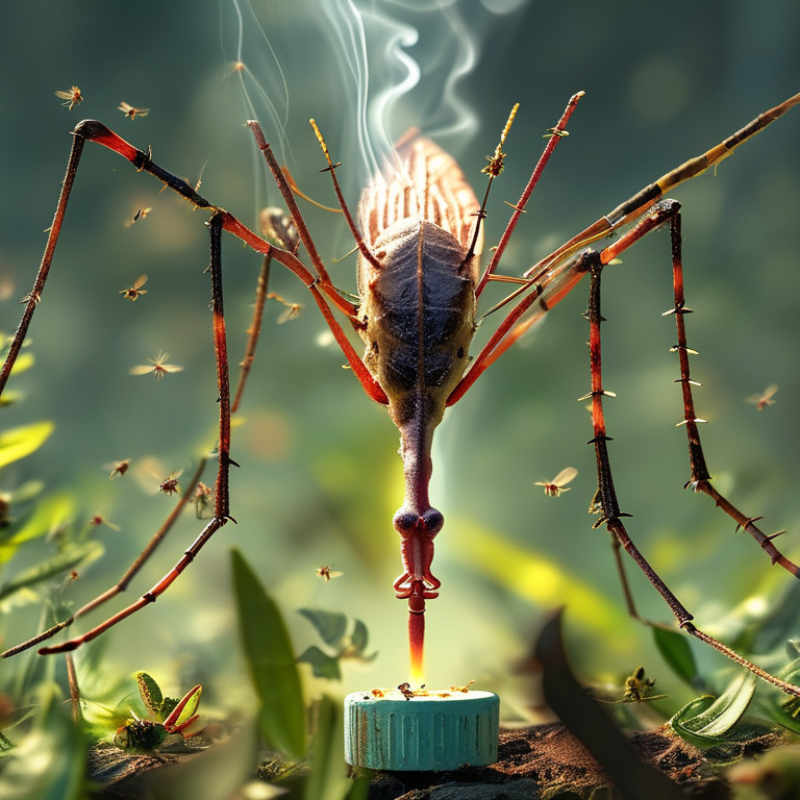
Mosquito coils are popular pest control tools. They come in various types and use different ingredients. Understanding these can help you make better choices.
Most coils contain pyrethroids, synthetic insecticides resembling natural compounds. Others may use essential oils like citronella or eucalyptus. These natural options are less harsh but may need reapplication. Some coils burn more evenly, giving longer protection. Others may produce smoke that irritates.
Not all mosquito coils are created equal. Quality can vary significantly. Some may release harmful particles that affect air quality. Always check for safety certifications before purchase. Users should consider their specific needs—whether it's for outdoor gatherings or indoor use. A little research can improve effectiveness and ensure safety.
When it comes to selecting the right mosquito coil, several factors matter. The size of your outdoor space is crucial. A larger area might require multiple coils to ensure effective coverage. Look for coils that produce a strong scent but are not overwhelming. Some scents can repel mosquitoes more effectively than others. Consider your environment. If you live near water, you might face a higher mosquito population. Consequently, choose coils designed for moisture-rich areas.
Understanding the active ingredients in coils is also important. Some coils use natural plant extracts. These can be safer for both humans and pets. Others might contain synthetic chemicals. While they may be effective, they can also pose risks. Always follow the manufacturer’s instructions. Improper use can reduce effectiveness. Over-reliance on one method can lead to resistance in mosquito populations. A varied approach often yields better results.
Finally, remember that effectiveness can fluctuate. Weather conditions play a significant role. Wind may disperse the smoke, while rain can extinguish the coils. Observing how coils perform in different situations will help refine your choices. Experiment and adapt to find the best methods for your needs.
| Coil Type | Active Ingredients | Effective Range (sq ft) | Burn Time (hours) | Recommended Use |
|---|---|---|---|---|
| Standard Mosquito Coil | Pyrethroid | 150 | 8 | Outdoors, patios |
| Natural Herb Coil | Citronella, eucalyptus | 100 | 6 | Family gatherings |
| Fast-acting Coil | Deltamethrin | 200 | 7 | High mosquito activity |
| Long-lasting Coil | Permethrin | 250 | 10 | Camping, outdoor events |
When using mosquito coils, placement is key for effective bug control. Position the coil in an open area, away from walls or furniture. This allows the smoke to disperse freely. Avoid corners and dense vegetation. These spots can trap smoke and limit its reach. Remember, mosquitoes are drawn to heat and carbon dioxide.
Consider the direction of the wind. Place the coil upwind from where you usually sit. This will help carry the smoke towards you. Monitor the coil as it burns. If you notice less smoke, it may need adjusting. Sometimes, different heights affect effectiveness. For example, raising it off the ground can work better in some settings.
Try to align the coil with your outdoor activity zones. If you have a gathering area, ensure it is centrally located. Don't forget to think about your safety. Keep coils away from flammable materials and children. Reflect on your experiences. If you notice mosquitoes persist despite your setup, it may be time to reassess. Adaptation is crucial for optimal results.
When using mosquito coils, safety precautions must be a top priority. Research indicates that indoor use can expose occupants to harmful smoke. The World Health Organization reports that burning coils emits particulate matter. This suggests that indoors, adequate ventilation is crucial. Open windows or fans can help reduce smoke concentration and improve air quality.
Outdoor use is also not without risks. Mosquito coils can ignite flammable materials. It's advisable to keep them at least three feet away from any objects. Over 30% of accidental fires stem from improperly placed coils. Always monitor coils when lit, especially in windy conditions. Using them on stable surfaces minimizes the risk of tipping.
Moreover, awareness of allergic reactions is essential. Some individuals may experience respiratory issues from inhaling coil smoke. Symptoms can include cough, sneezing, or shortness of breath. Those with preexisting conditions should consider alternatives, such as citronella candles or electric repellents. Prioritizing safety not only protects personal health but also enhances overall bug control effectiveness.
Mosquito coils can effectively reduce bug activity, but combining them with alternative methods enhances the results. One popular approach is using natural repellents. Ingredients like citronella, eucalyptus, and lavender are effective in keeping mosquitoes at bay. You can create your own spray by mixing essential oils with water. Remember to reapply every few hours for best results.
Another useful strategy is to eliminate standing water. Mosquitoes breed in stagnant water, so regularly check your yard and containers. Empty bird baths, planters, and puddles when possible. This simple action can significantly reduce mosquito populations near your home.
Consider introducing plants that repel mosquitoes, such as lemongrass or marigolds. They are not just decorative but also work as natural deterrents. Be mindful of their placement, as denser foliage can hide standing water. These methods can complement your mosquito coils, creating a multi-layered defense system for outdoor relaxation.
: Most coils contain pyrethroids or natural essential oils. Common natural oils include citronella and eucalyptus.
No, some coils release harmful smoke. Adequate ventilation is crucial to reduce smoke concentration indoors.
Keep coils at least three feet away from flammable objects. This reduces the risk of accidental fires.
Yes, some people may experience respiratory issues. Symptoms include coughing, sneezing, or shortness of breath.
Combine coils with natural repellents. Ingredients like citronella and lavender can help keep mosquitoes away.
Eliminate standing water in bird baths and containers. This prevents mosquitoes from breeding near your home.
It's best to monitor coils in windy conditions. Wind can cause them to tip over, posing safety risks.
Reapply your natural sprays every few hours for best protection against mosquitoes.
Yes, plants like lemongrass and marigolds can deter mosquitoes. Their placement is important to avoid hiding water.
They can be effective, but quality varies. Some may not work well or release harmful particles. Always check safety certifications.
Mosquito coils are a popular option for bug control, designed to repel mosquitoes using various types and ingredients. Understanding the different kinds available can help consumers choose the best mosquito coil suited to their specific environment, such as outdoor spaces or indoor areas. Proper placement is crucial for maximizing effectiveness; positioning coils in areas with high mosquito activity can significantly enhance their repelling effects.
Safety precautions are essential when using mosquito coils, especially indoors, to mitigate any health risks associated with smoke inhalation. Outdoor usage also requires attention to wind direction and proximity to flammable materials. In addition to mosquito coils, integrating alternative bug control methods, such as natural repellents or traps, can create a more comprehensive approach to managing mosquito populations effectively.

ClanZhao